
The Architecture of a Waking Dream: Chris Harnan and the Evolution of Abstract Narratives
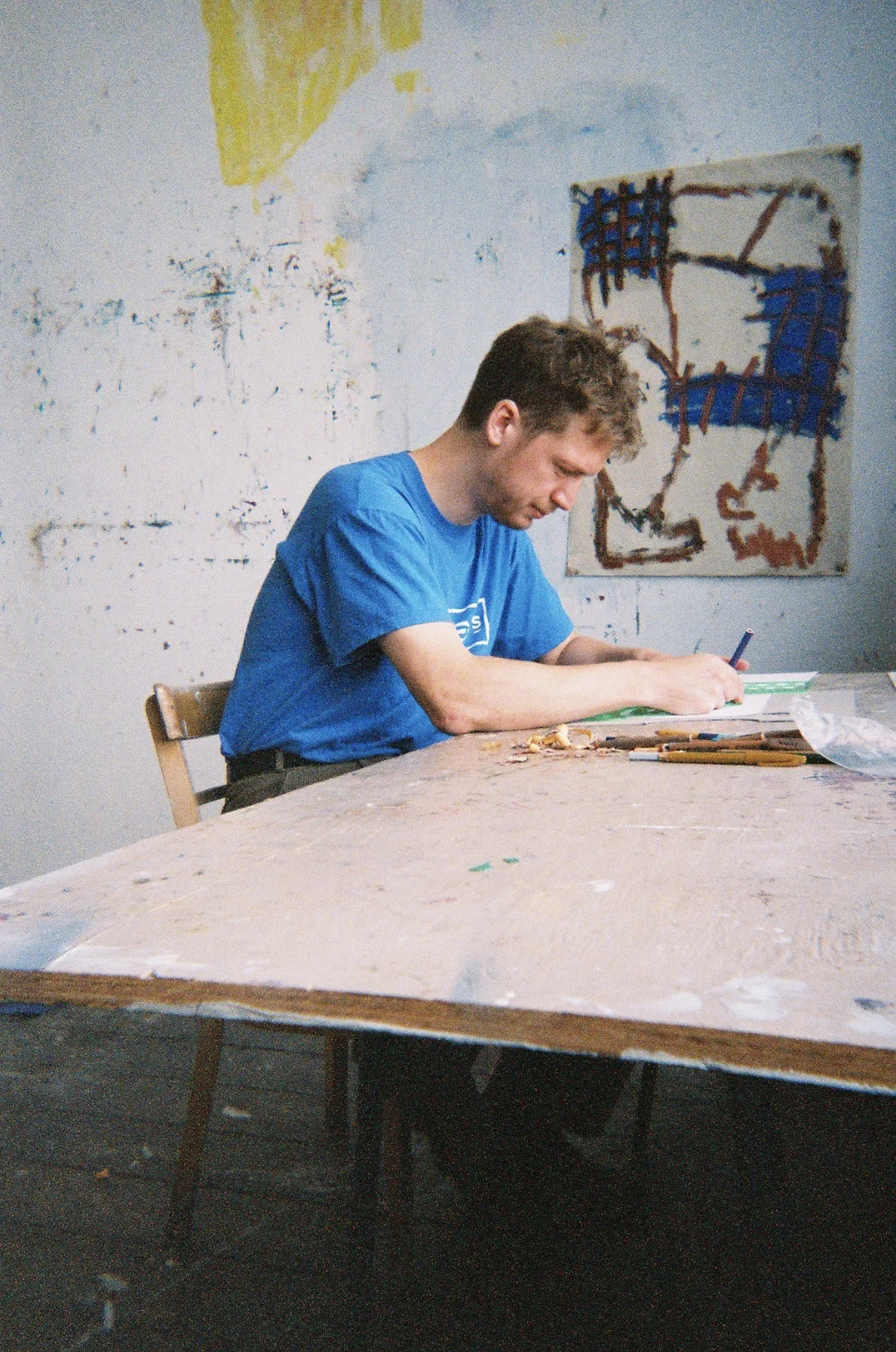
In the landscape of contemporary sequential art, few works have managed to bridge the gap between fine art abstraction and narrative comics as provocatively as Chris Harnan’s Big Pool. Published in the summer of 2025 by the UK’s Breakdown Press and France’s Fidèle Editions, the book has quickly become a touchstone for the "anti-technical" movement in graphic literature. Through a series of interviews and critical analyses, a portrait emerges of an artist who transitioned from the chaotic, rebellious forums of early 2000s Flash animation to the vanguard of European alternative comics.
Main Facts: The Emergence of Big Pool
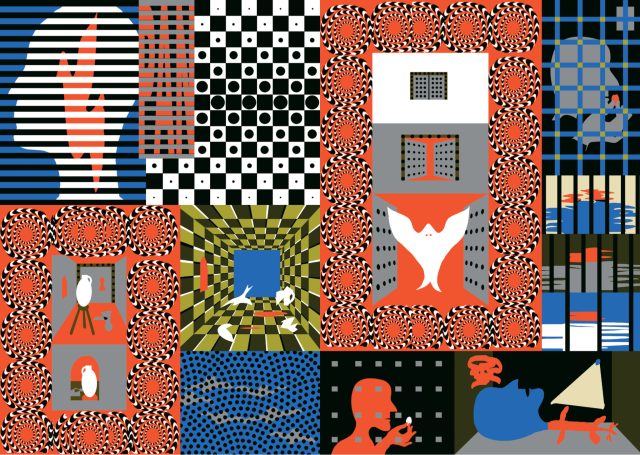
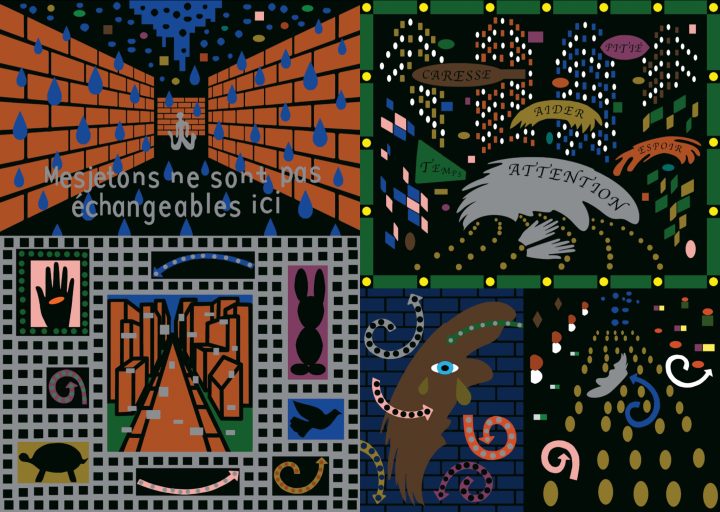
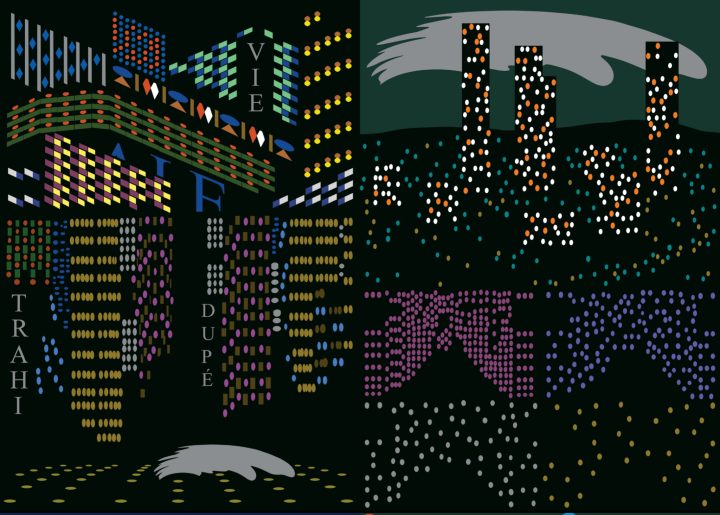
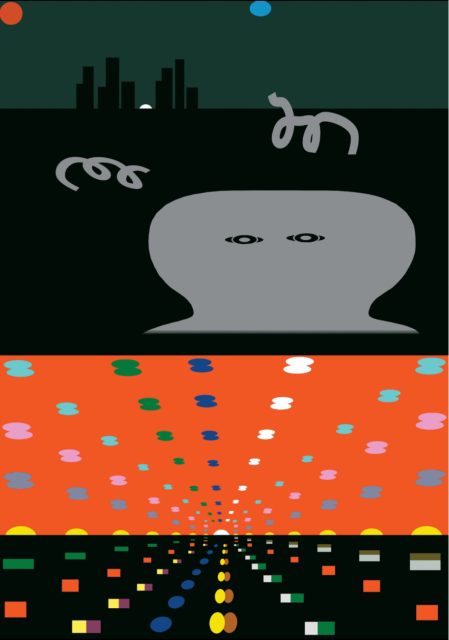
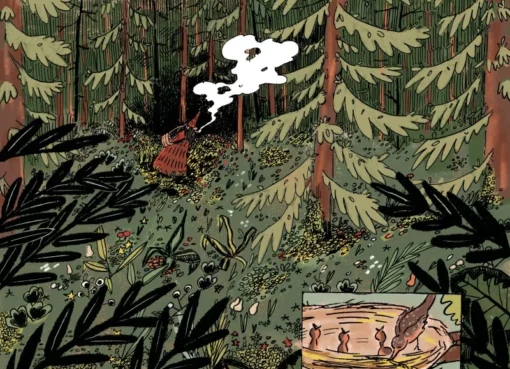
Big Pool is not a traditional graphic novel in the linear sense. Instead, it functions as a "waking dream," a rhythmic exploration of memory, trauma, and catharsis. The book’s visual identity is defined by its stark contrasts: oscillating between vibrant, offset fluorescent CMYK color sequences and somber, gray Pantone spot-color passages. This deliberate shift in medium serves a narrative purpose, guiding the reader through what Harnan describes as "hills and troughs" of emotional intensity.
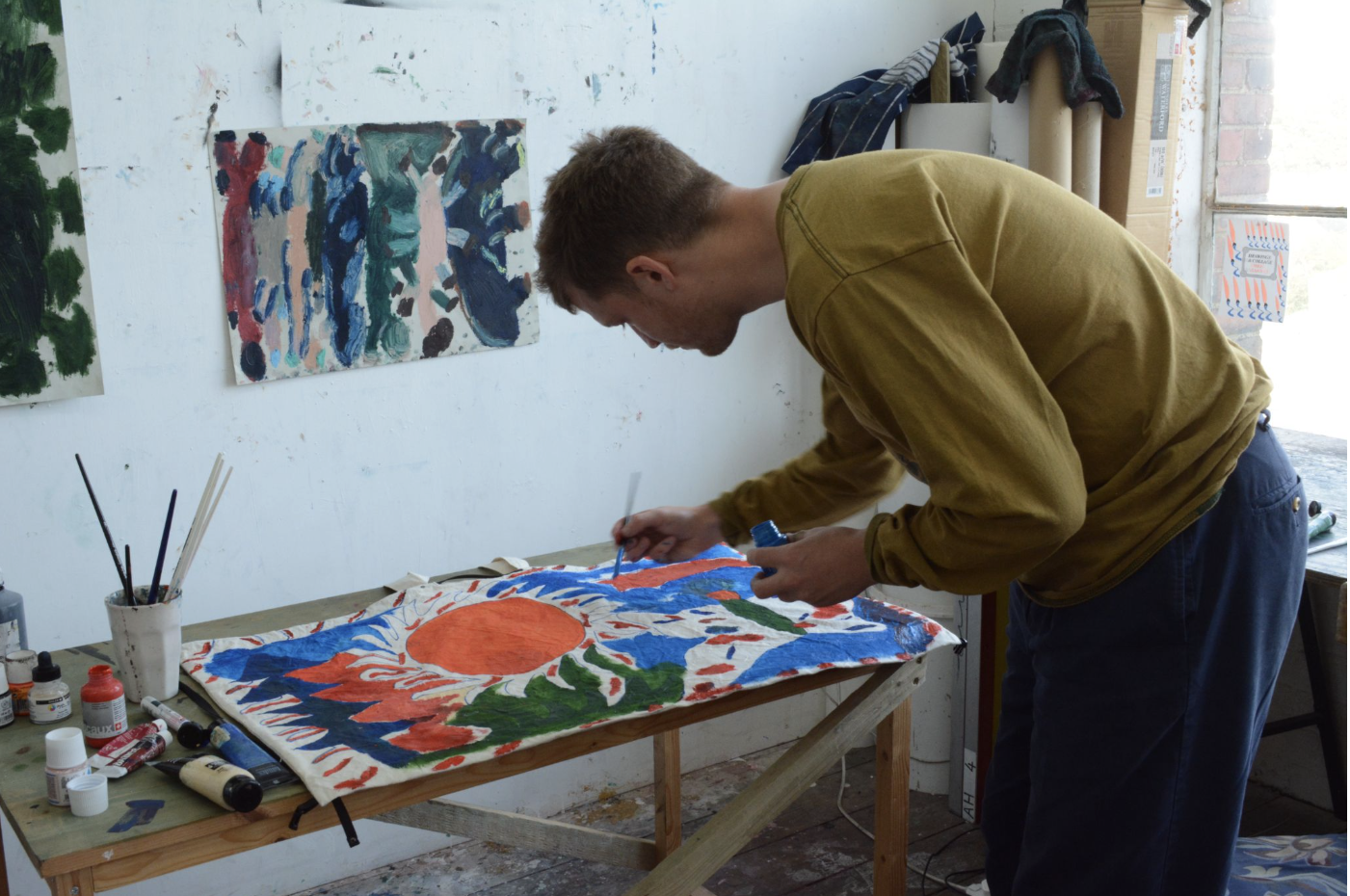
The book’s acclaim was almost immediate. By late 2025, it had been named one of the best graphic novels of the year by The Guardian and secured the Award360° gold prize for illustration. Despite its success in high-art circles, the work remains polarizing. Its reliance on silhouettes, semiotics, and "wishy-washy" narrative structures has sparked intense debate in traditional comic spaces, such as Reddit’s r/comics, where users grapple with its departure from representational clarity.
For Harnan, an Englishman now residing in Sydney, Australia, Big Pool represents the culmination of nearly a decade of experimentation. It is a follow-up to his 2017 debut, World Problem Solution Book, but with a significantly more refined—though no less mysterious—approach to storytelling.
Chronology: From "The Clock Crew" to the French Avant-Garde
To understand the aesthetic of Big Pool, one must trace Harnan’s history back to the digital wild west of the early 2000s.
The Newgrounds Era (Early 2000s)
Harnan’s artistic genesis occurred not in a studio, but on a computer screen. At age 11, he became "glued" to webcomics like The Perry Bible Fellowship and Dinosaur Comics. This led him to Newgrounds, an upload portal for Flash animations where a brutal community-voting system determined whether a creator’s work lived or was deleted.
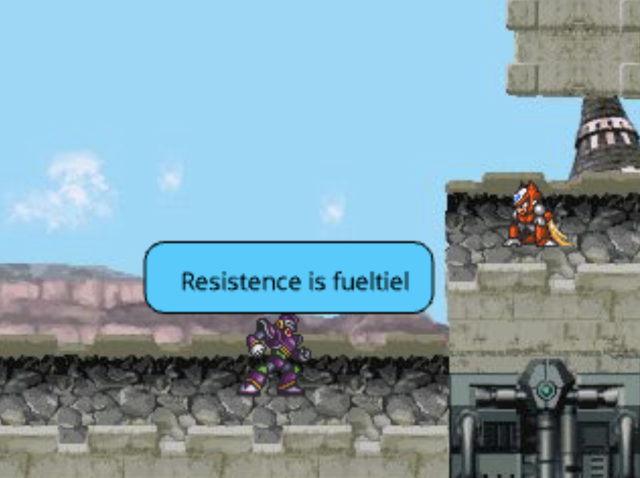
He became a member of "The Clock Crew," a subversive group of animators led by a figure known as Strawberry Clock. The group’s philosophy was rooted in "anti-technical" rebellion. They famously uploaded animations of inanimate objects—often just a single letter or a crudely drawn clock—to "piss off" those who took the medium too seriously. "We were going to upload crap and piss off the people taking these animations seriously," Harnan recalls. This period instilled in him a fascination with the "ugly," the surreal, and the power of operating within self-imposed, often nonsensical, rules.
Academic and Professional Transition (2010s)
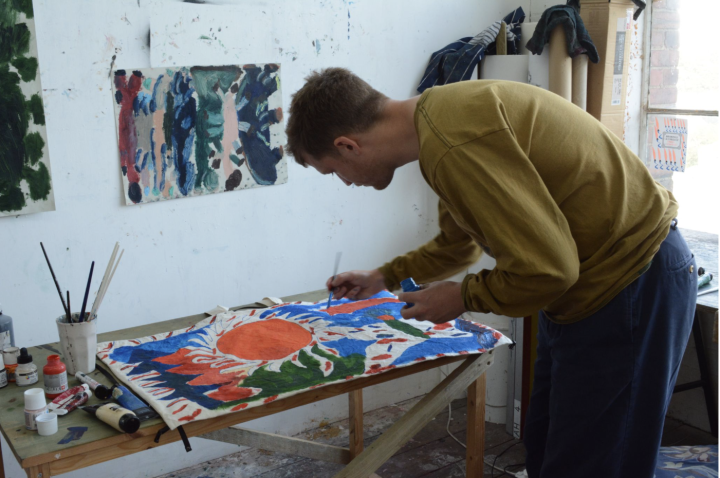
While his private life was defined by digital subversion, Harnan’s formal education was in traditional illustration. He studied the discipline at the university level, initially keeping his digital "hobby" separate from his fine art sketches. However, under the guidance of supportive mentors, the two worlds began to bleed into one another.
After graduation, Harnan moved to Germany for a graphic design internship. This European tenure was pivotal; it introduced him to the continent’s thriving alternative comics scene. In 2017, he released World Problem Solution Book, a project that grouped together disparate works into a loose, therapeutic narrative.
The Lagon Revue Influence (2020–2024)
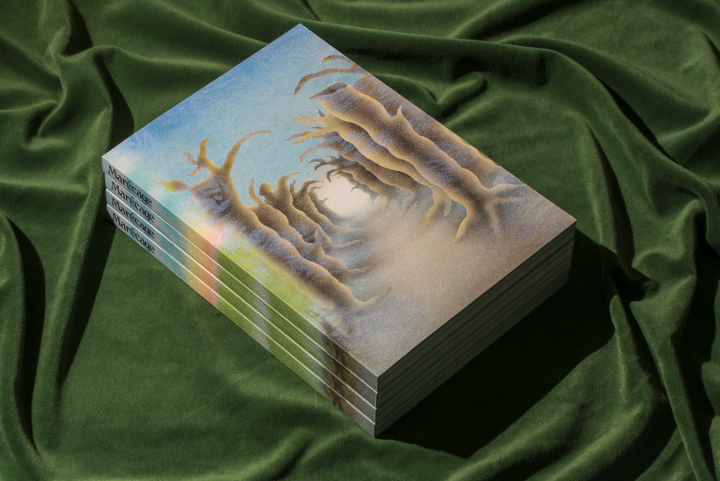
The bridge to Big Pool was built in France. Harnan was invited by the creators of Lagon Revue, an avant-garde anthology, to contribute a comic. This commission, titled Marécage, forced Harnan to move beyond "hinting" at narrative and into the territory of definitive, albeit abstract, storytelling. Joe Kessler of Breakdown Press noticed this work and encouraged Harnan to expand the ten-page "dour, self-pitying" comic into a full-length volume. This expansion eventually became Big Pool.
Supporting Data: The "Anti-Technical" Methodology
Harnan’s process is a study in restraint and the digital-analog hybrid. Despite the tactile feel of his books, his comfort zone remains the computer. He views the digital canvas as a "stage" where he can drop representational symbols—turtles, hands, eyes, horizons—and manipulate them like toys.
The Use of Silhouettes and Semiotics
A recurring theme in Harnan’s work is the simplification of form. He utilizes silhouettes to strip away unnecessary detail, leaning into semiotics to communicate complex emotions through basic shapes. "I try to reduce certain elements… you see things as understood representations of things, then I mess with that," Harnan explains. This approach allows him to "get away with" abstract depictions that the reader must work to decipher.
Technical Printing Specifications
The physical production of Big Pool is essential to its narrative flow. Working with print designer Jean-Philippe Bretin, Harnan employed:
- Offset Fluorescent CMYK: Used for "sensory" sections to create a "flash of animation" effect.
- Gray Pantone Spot Colors: Used for "straightforward" black-and-white sequences that act as an "exhale" for the reader.
- Varying Paper Stocks: To differentiate between the textbook-like recitals of facts and the dreamlike "onslaught" of feelings.
Official Responses: The Artist on Interpretation
In a 2026 interview with Cail Judy, Harnan addressed the common criticism that his work is "too much effort" for the reader. He views the act of reading Big Pool as a collaborative experience where the reader’s confusion is part of the intended "ride."
Regarding the personal nature of the book, Harnan admits that while it is based on life experiences—including a mysterious, pivotal event in April 2001—he uses abstraction as a shield. "I’m protecting myself by layering it with different levels of abstraction," he stated. This protective layering allows him to explore trauma and fixation without the vulnerability of a literal memoir.
Harnan also cites literary influences, specifically Kazuo Ishiguro’s The Unconsoled. He admires Ishiguro’s ability to capture the "nature of dreaming," where settings are half-described and impulses end as abruptly as they start. This "unconcluded" quality is exactly what Harnan strives for in his panels.
Implications: The Future of the Abstract Graphic Novel
The success of Big Pool signals a shifting tide in the comics industry. As traditional superhero and biographical genres remain saturated, there is a growing appetite for works that treat the comic page as a gallery space. Harnan’s ability to win both mainstream literary praise (from The Guardian) and specialized design awards (Award360°) suggests that the "abstract expressionist" comic is no longer a niche curiosity but a recognized movement.
However, the "anti-technical" approach poses a challenge to the industry’s standards of craftsmanship. By purposefully embracing "ugly" or "mouse-drawn" aesthetics, Harnan and his contemporaries at Lagon Revue are forcing a re-evaluation of what constitutes "good" art in sequential storytelling.
As for Harnan himself, the completion of Big Pool has provided a sense of catharsis. After years of "wallowing" in the emotions that fueled the book, he has moved into a new phase of life in Sydney. While he is currently taking a hiatus, he hints that his next project will move away from the self-reflective "therapy" of his previous books and toward more outward-facing stories.
Conclusion
Chris Harnan’s Big Pool stands as a testament to the power of the "waking dream" in literature. By combining the rebellious spirit of the early internet with the sophisticated printing techniques of the French avant-garde, Harnan has created a work that demands—and rewards—the reader’s full attention. It is a book that does not just tell a story; it happens to you. In the evolving dialogue between fine art and comics, Harnan has proven that sometimes, the most profound truths are found in the silhouettes and the spaces between the dots.

Leave a Comment