
The Return of a Legend: Captain Tsubasa II: World Fighters Set to Revolutionize Anime Sports Gaming this August
The landscape of sports gaming is often dominated by the rigid realism of simulation titles, yet a storied franchise is preparing to challenge the status quo once again. Bandai Namco and developer Tamsoft have officially announced the upcoming release of Captain Tsubasa II: World Fighters, a high-octane sequel to the 2020 hit Captain Tsubasa: Rise of New Champions. As a franchise that traces its digital roots back to the 8-bit era of the late 1980s, this new installment represents more than just a sequel; it is a testament to the enduring global legacy of Yoichi Takahashi’s beloved manga.
Scheduled for a staggered release this August, the title aims to bridge the gap between nostalgic arcade-style gameplay and modern technical fidelity. With a focus on current-generation hardware and a refined "super-powered" approach to football, World Fighters is poised to be one of the most significant anime-to-game adaptations of the year.
Main Facts: Release Logistics and Technical Specifications
The announcement of Captain Tsubasa II: World Fighters has arrived with a clear roadmap for eager fans. The game is slated for a dual-date release strategy: players in Japan will gain access on August 27, while the rest of the world will see the title launch on August 28.
In a move that signals a transition toward modern hardware standards, the game will be available on the PlayStation 5, Xbox Series X|S, Nintendo Switch, and PC via Steam. Notably, the developers have opted to bypass the previous generation of consoles, with no versions planned for the PlayStation 4 or Xbox One. This decision suggests a focus on higher fidelity assets, faster load times, and more complex physics calculations that the aging hardware of the last decade might struggle to support.
The game will launch at a standard premium price point of $60 USD. While some fans have questioned the lack of information regarding a "Nintendo Switch 2" version, Bandai Namco has remained silent on future hardware iterations, focusing instead on the current market leaders.
Chronology: A Forty-Year Legacy of Football Excellence
To understand the weight of this announcement, one must look back at the trajectory of the Captain Tsubasa IP, which has served as a cultural cornerstone for football fans across Asia, Europe, and Latin America for decades.
The Manga and Anime Genesis (1981–1983)
The journey began in 1981 when Yoichi Takahashi first published the Captain Tsubasa manga in Weekly Shōnen Jump. The story of Tsubasa Ozora, a boy whose dream was to win the FIFA World Cup for Japan, resonated deeply with a nation that, at the time, did not even have a professional football league. The 1983 anime adaptation further catapulted the series into global stardom, influencing future real-world legends like Lionel Messi, Fernando Torres, and Alessandro Del Piero.
The NES Era (1988)
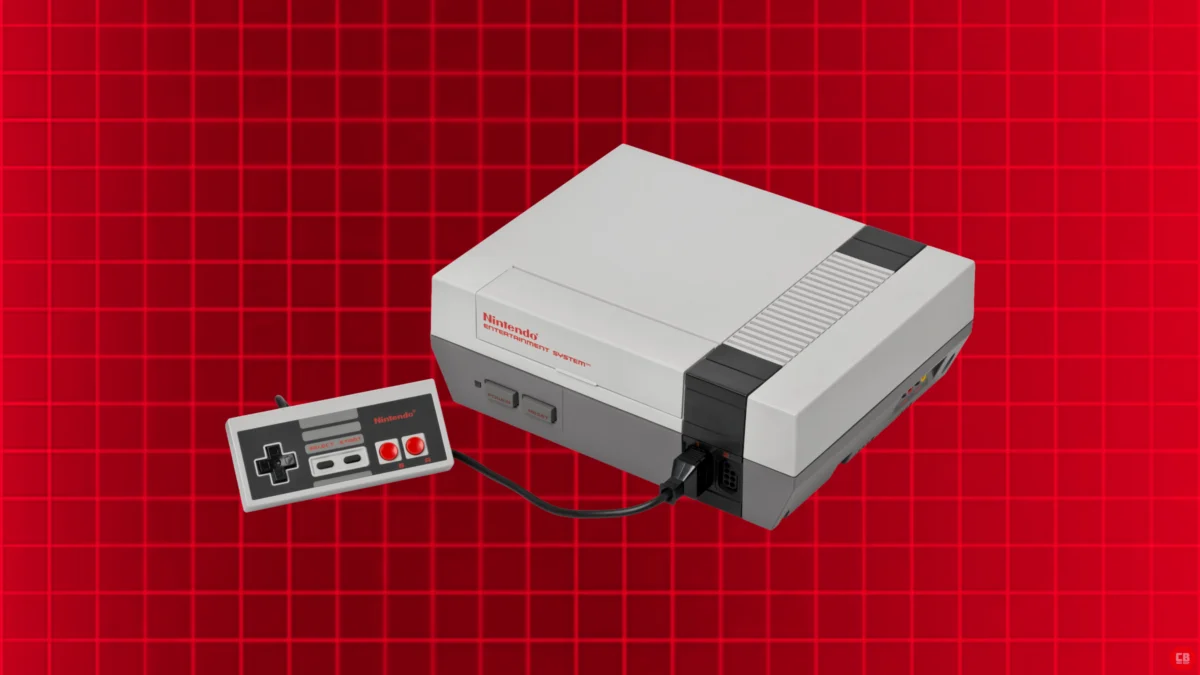
In 1988, Tecmo brought the series to the digital realm with the release of Captain Tsubasa for the Nintendo Entertainment System (NES). Unlike traditional sports games of the era, the NES title utilized a "cinematic soccer" system, where players selected commands from a menu to trigger dramatic, stylized animations. This unique blend of strategy and sports became the blueprint for the franchise’s gaming identity.
The Modern Revival (2020–2023)
After several years of smaller releases and mobile ventures, Bandai Namco and Tamsoft revitalized the brand on home consoles with 2020’s Captain Tsubasa: Rise of New Champions. It was the first major global release for the franchise in over a decade, proving that there was still a massive appetite for arcade-style sports games. This was followed by the mobile entry Captain Tsubasa: Ace in 2023, which kept the momentum high leading into the current announcement of World Fighters.
Supporting Data: Community Reception and Market Trends
The announcement trailer for Captain Tsubasa II: World Fighters has generated significant engagement metrics that highlight the franchise’s robust "cult-classic" status. On major video platforms, the trailer has maintained a staggering 3,000 to 8 like-to-dislike ratio, an indicator of overwhelming community approval.
Analyzing the "Arcade Sports" Resurgence
Market data suggests a growing fatigue with the "annual iteration" model of simulation sports games. While titles like EA Sports FC (formerly FIFA) dominate the market share, there is a distinct niche for titles that prioritize spectacle over realism. Rise of New Champions sold over one million copies within its first few weeks of release, a feat that Bandai Namco cited as a major success for a non-simulation sports title.
Demographic Shifts
Interestingly, while the series originated in the 1980s, social media analytics surrounding the World Fighters announcement show a diverse age range of interested players. While "Gen X" and "Millennial" fans are driven by nostalgia for the original manga and NES games, "Gen Z" players have been introduced to the IP through the 2018 anime reboot and the 2020 video game. This multi-generational appeal is a primary driver behind the $60 price point, as the publisher views it as a "Triple-A" anime experience.
Official Responses: "Peak Cinema" and Developer Vision
While Bandai Namco has yet to release a full press kit detailing every mechanical change, the initial marketing push has focused on the "cinematic" nature of the gameplay. The developer, Tamsoft, has expressed a commitment to evolving the "Hero Combo" and "V-Zone" mechanics that defined the previous game.
The Fan Verdict
The community response has been characterized by high-energy enthusiasm. The phrase "Peak cinema" has become a rallying cry in the comments sections of the reveal trailers, referring to the over-the-top, gravity-defying special moves like the "Drive Shot" and "Tiger Shot."
One prominent community member noted, "There are simply no words to describe the amount of hype I felt watching this trailer. We are, in fact, so back." This sentiment reflects a relief among the fanbase that the 2020 game was not a one-off experiment, but rather the start of a sustained sub-franchise within Bandai Namco’s portfolio.
Developer Philosophy
Tamsoft, known for their work on high-action titles, has emphasized that World Fighters will expand the scope of the story mode. Where the first game focused heavily on Tsubasa’s middle school journey and a fictionalized Junior Youth World Challenge, the sequel is expected to delve deeper into the professional stages and the "World Youth" arcs of the manga, offering a more expansive roster of international teams.
Implications: The Future of Anime Sports and Industry Trends
The release of Captain Tsubasa II: World Fighters carries several implications for the broader gaming industry and the future of the franchise.
1. The Death of Cross-Gen Support
By excluding the PS4 and Xbox One, Bandai Namco is signaling that the industry is finally ready to leave the eighth generation of consoles behind. For sports games, which often rely on large crowds and complex particle effects for special moves, this shift allows for a level of visual fidelity that ensures the "anime aesthetic" looks as close to a high-budget feature film as possible.
2. Validation of the Sequel Model
The decision to label this as a direct sequel—rather than a live-service update—suggests that Bandai Namco believes in the value of a curated, narrative-driven sports experience. In an era where many games are moving toward "Games as a Service" (GaaS), Captain Tsubasa remains a bastion for players who prefer a complete, out-of-the-box experience with a dedicated single-player campaign.
3. Strengthening the Anime-Sports Pipeline
The success of this series could pave the way for other dormant or new sports anime to receive high-budget adaptations. With the recent global popularity of series like Blue Lock and Haikyu!!, publishers are watching the performance of World Fighters closely to determine if the "Arcade Anime Sports" genre is a viable long-term competitor to traditional simulation games.
4. Global Market Expansion
While Captain Tsubasa has always been a titan in Japan and Latin America, World Fighters represents a concerted effort to capture more of the North American market. By offering a PC release on day one and leveraging the power of modern Xbox and PlayStation hardware, the franchise is positioning itself to be a mainstream alternative for soccer fans who find traditional simulations too repetitive.
Conclusion
As August approaches, the anticipation for Captain Tsubasa II: World Fighters continues to build. By combining a forty-year history of storytelling with the technical capabilities of modern gaming hardware, Tamsoft and Bandai Namco are not just releasing a game; they are celebrating a cultural phenomenon. Whether you are a veteran who remembers the 1988 NES original or a newcomer drawn in by the "Peak Cinema" of the 2020s, World Fighters promises to deliver a football experience that defies gravity, logic, and the limitations of the pitch.
The world will be watching on August 28 to see if Tsubasa Ozora can once again lead his team to glory and prove that in the world of anime sports, anything is possible.



Leave a Comment