
Unveiling the Fury: A Deep Dive into the Vikings of SAGA
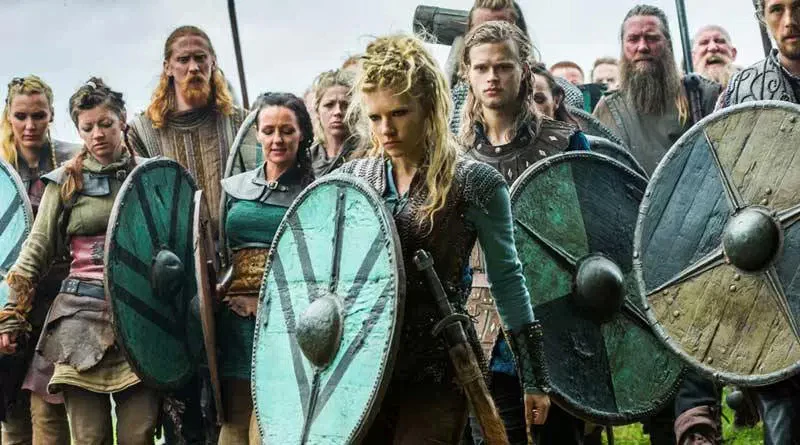
[Image: lagertha2.webp – Lagertha lines up her shieldwall. Credit: History Channel Vikings]
The world of SAGA, a skirmish wargame by Studio Tomahawk, is rich with historical factions, each offering a unique tactical experience. As part of our ongoing SAGA faction reviews, we embark on a journey to understand one of its most iconic and foundational warbands: the Vikings. This article will explore their historical roots, dissect their distinct gameplay mechanics, and provide insights for both aspiring and seasoned warlords looking to unleash the archetypal aggression of the Norse raiders on the tabletop.
The Main Facts: An Introduction to the Norse Warband
The Vikings in SAGA are not merely a faction; they are an embodiment of unbridled aggression and a thematic core of the Age of Vikings (AoV) period. For many players, the journey into SAGA begins with the shield-wall and longboats of the Norsemen, often led by legendary figures like Ragnar Lothbrok or Lagertha as their Warlord. This faction is synonymous with a high-risk, high-reward playstyle, favoring brutal melee engagement over nuanced maneuver or defensive posturing.
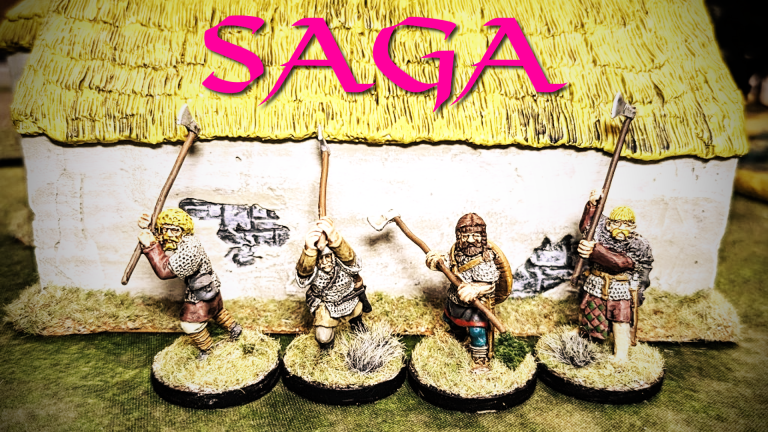
The primary appeal of the Vikings lies in their straightforward, yet potent, offensive capabilities. Their Battle Board is a testament to their historical reputation, offering a plethora of abilities designed to enhance attack dice, modify combat outcomes, and even sacrifice units for devastating impacts. This aggressive philosophy defines their identity, making them an ideal choice for players who relish charging headlong into the fray, seeking to overwhelm opponents through sheer force and daring.
Furthermore, the ubiquity of Viking miniatures across the historical wargaming spectrum makes them an exceptionally accessible faction for newcomers. Whether opting for plastic kits from major manufacturers or detailed pewter sculpts, players will find a vast array of options to assemble their warband, each brimming with character and historical flair.
A Legacy Forged in Fire: The Viking Age (Chronology)
To truly appreciate the SAGA Vikings, one must first understand the historical period that inspired them. The term "Viking" refers to the Scandinavian seafaring people who, between approximately 800 CE and 1066 CE – a period now famously known as the Viking Age – embarked on extensive expeditions across Europe and parts of Asia. Their activities encompassed a broad spectrum, from audacious raiding and piracy to sophisticated trading networks, extensive settlement, and even serving as highly sought-after mercenaries. While their influence spanned vast geographical areas, their impact was particularly profound in Britain, where their presence led to significant cultural and political shifts, including the establishment of the Danelaw.
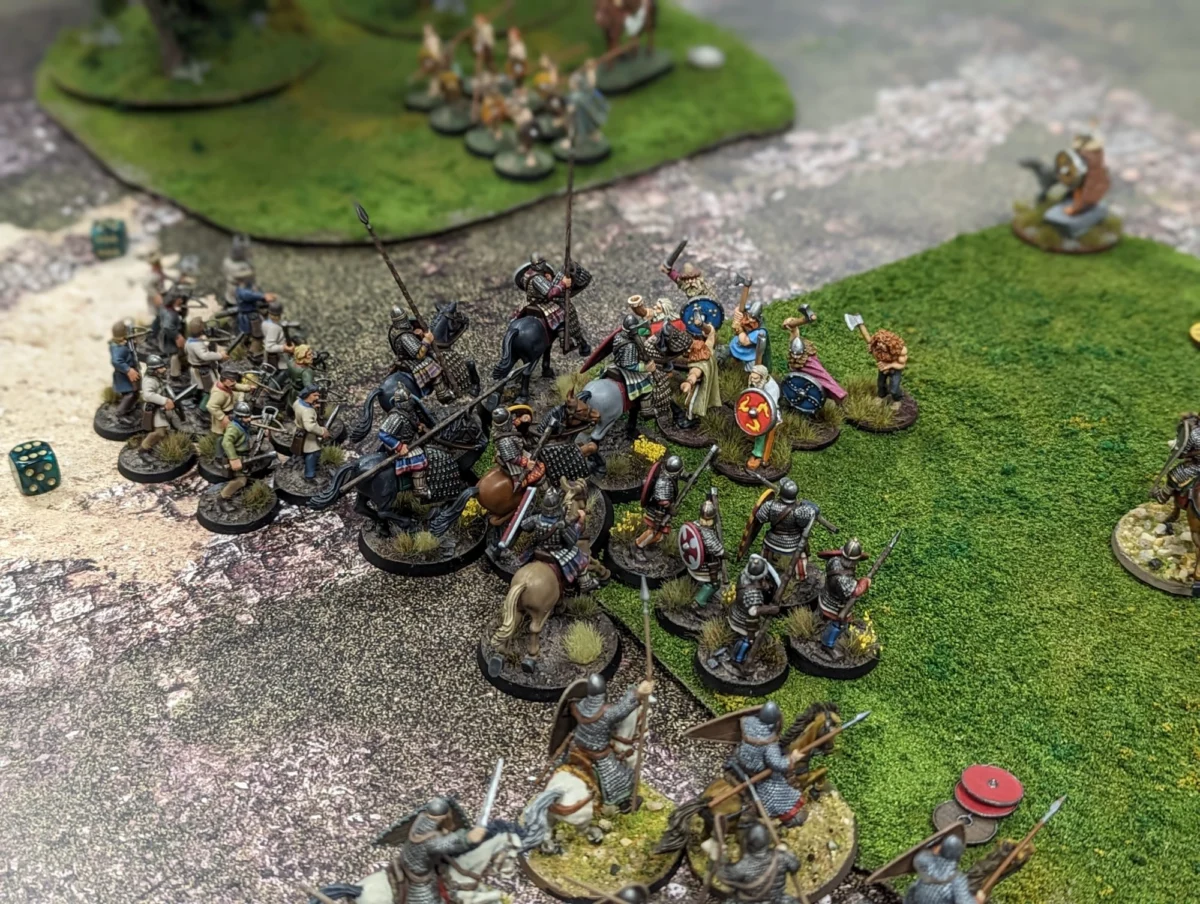
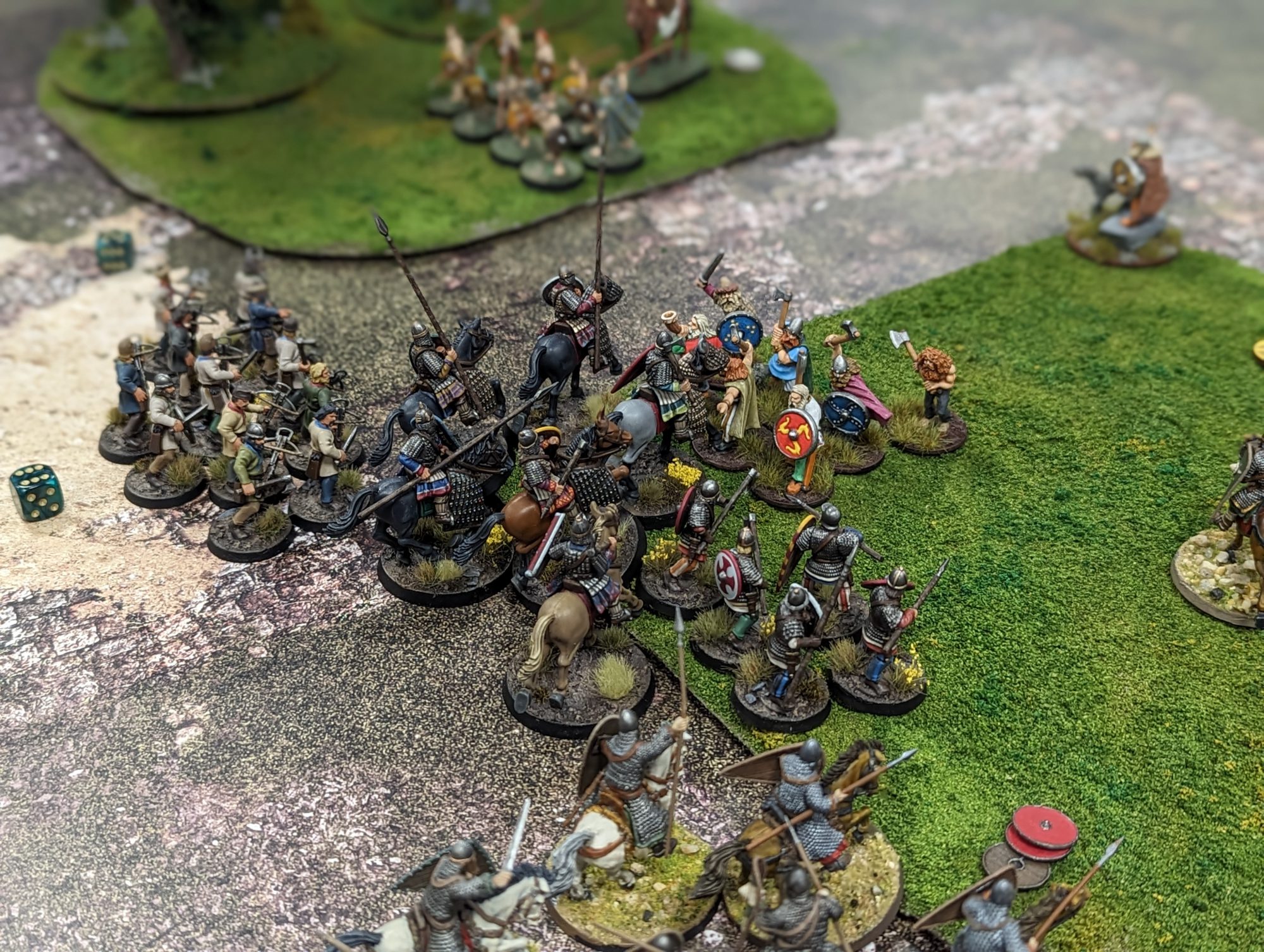
[Image: PXL_20231007_105203004.PORTRAIT-2000×1506.jpg – Rus Hearthguard (mounted) clash with Viking Hearthguard on foot. Thanks to their completely different battle boards, the two factions’ Hearthguard will play completely differently, each with access to distinct equipment. (Credit – Goremaw and James TIlsley from the London SAGA Mead Hall)]
These Norse adventurers were not merely destroyers; they were also adept colonizers and innovators. They established settlements from Greenland to North America, founded cities like Dublin, and profoundly influenced the development of regions such as Normandy in France and the Rus’ principalities in Eastern Europe. Critically, these settlers often adapted their own cultures, integrating with the local populations they ruled or lived alongside, leading to a rich tapestry of cultural exchange.
Central to the Viking worldview was their vibrant and complex Old Norse religion, a polytheistic belief system featuring a pantheon of gods and goddesses such as Odin, the Allfather; Thor, the thunder god; and Loki, the trickster. Concepts like Valhalla, the hall of the slain, and Yggdrasil, the world tree, permeated their spiritual landscape. Much of our understanding of this religion comes from oral traditions, later extrapolated from sagas, Eddic poetry, and runic inscriptions, as Scandinavia gradually transitioned to Christianity during and after the Viking Age. This shift makes the reconstruction of their original beliefs a challenging, yet fascinating, historical endeavor.
Modern media often sensationalizes Vikings, portraying them primarily as bloodthirsty, battle-hardened berserkers driven by an almost supernatural disregard for pain. While their prowess in combat was undeniable, recent historical scholarship and popular shows like "Vikings" have offered a more nuanced perspective, highlighting their roles as farmers, traders, and settlers. They were rarely professional soldiers in the modern sense; rather, warfare was an extension of their societal structure, undertaken by free landowners and their retainers. This dual nature – formidable warriors and industrious settlers – is subtly reflected in the SAGA faction, encouraging players to field not just elite Hearthguard but also numerous Warriors, representing the broader levy of a Viking chieftain.
Editor’s Note: It’s SAGA Summer! Enjoy our coverage during the raiding season as we take a look at the factions, miniatures, and everything else you need to get started playing SAGA and earning massacre points.
Supporting Data: The Viking Battle Board and Unit Composition
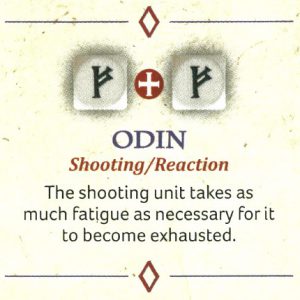
The Viking Battle Board is a finely tuned instrument of destruction, eschewing defensive depth for unparalleled offensive potential. With few exceptions, such as the ability Odin, which offers some protection against shooting attacks, the majority of Viking abilities are designed to amplify attack dice, enhance offensive rolls, or facilitate aggressive maneuvers. This focus on offense is so pronounced that some abilities, notably Ragnarök, actively reduce the armor of friendly units to achieve devastating combat advantages, firmly cementing the Vikings’ "glass cannon" reputation within the SAGA ecosystem.
Unit Composition and Equipment:
Viking warbands are characterized by their relative simplicity in terms of equipment options, emphasizing the core strength of their units rather than complex gear choices.
- Warlords, Hearthguards, and Warriors typically wield regular shields and a choice of spear, sword, or axe. This standardization streamlines gameplay but demands strategic mastery of their Battle Board abilities.
- Levies offer a choice between bows or javelins, providing limited ranged support or screening capabilities.
- The most significant unit differentiation comes with the option to transform one unit of Hearthguards into Berserkers. These iconic units double their attack dice in melee, embodying the furious charge of their historical counterparts. However, this ferocity comes at a steep cost: their armor value is reduced to three against both shooting and melee attacks, making them incredibly fragile once engaged. They are the epitome of the Viking’s high-risk, high-reward ethos.
[Image: odin-300×300.jpg – Viking Odin ability. Credit: Studio Tomahawk]
Key Battle Board Abilities:
The strategic depth of the Vikings emerges not from diverse equipment, but from the synergistic application of their Battle Board abilities.
- Odin (Common Icon): A rare defensive tool, Odin allows a unit to ignore hits from a shooting attack on a 4+. While not impenetrable, it can preserve key units from focused ranged fire, especially vulnerable Berserkers.
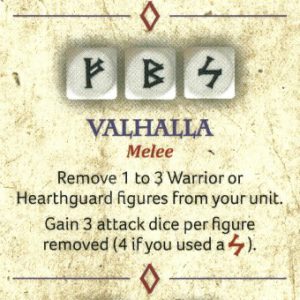
- Valhalla (Uncommon Icon): This ability exemplifies the Viking philosophy of glorious death. It allows a unit to remove 1-3 models to gain three additional attack dice per model removed. This is where the tactical distinction between Warriors and Hearthguards becomes crucial. Warriors, with their lower points cost and greater model count, can absorb these "sacrifices" more effectively, retaining more models to continue the fight or hold objectives after activating Valhalla. For instance, sacrificing two Warriors provides six extra attack dice while leaving six models to fight, whereas sacrificing two Hearthguards yields the same six dice but leaves only two elite models remaining.
- Ragnarök (Rare Icon): The ultimate expression of Viking aggression, Ragnarök is a game-changing ability. It reduces the melee armor of every unit on the board by one for the duration of the turn. Crucially, it also grants free activations for units charging into melee and makes Valhalla a basic ability, allowing it to be used multiple times. Activating Ragnarök transforms the battlefield into a brutal arena where Vikings, often with their less survivable Warrior units, can punch far above their weight, embracing the inevitability of death for a chance at overwhelming victory. In some SAGA communities, players are even encouraged to loudly proclaim "Ragnarök!" when activating it, adding a layer of thematic immersion.
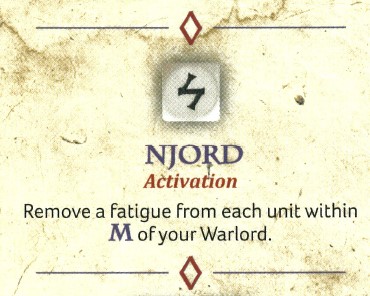
- Njord (Rare Icon): Fatigue management is vital in SAGA, and Njord offers a potent, albeit double-edged, solution. It allows you to remove one fatigue from every unit (both friendly and enemy) within Medium range of your Warlord. While excellent for clearing fatigue from your own charging units, its universal effect demands careful positioning to avoid inadvertently aiding your opponent.
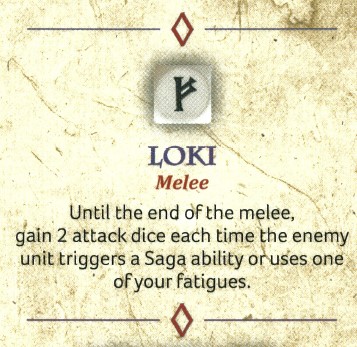
- Loki (Common Icon): A cunning ability, Loki allows a Viking player to impose fatigue on an enemy unit if that unit uses its own SAGA abilities or clears fatigue. This can disrupt enemy strategies, forcing them to choose between executing their plans and accumulating debilitating fatigue. It’s particularly effective when paired with a "suicide charge" of Warriors, making the enemy pay a high price for engaging them.
- Ullr (Common + Uncommon Icons): A powerful force multiplier, Ullr allows a unit to re-roll all missed attack dice in a melee. When combined with other offensive abilities like Thor or Valhalla, Ullr can virtually guarantee the obliteration of even the toughest enemy units.
- Thor (Common Icon): Complementing Ullr, Thor allows a unit to re-roll all attack dice that are not 6s in a melee. While a significant investment of three SAGA dice for a single fight, the combination of Thor and Ullr makes a Viking charge almost unstoppable, ensuring a high number of hits against the target.
[Image: valhalla-300×300.jpg – Viking Valhalla ability. Credit: Studio Tomahawk]
[Image: njord.jpg – Viking Njord ability. Credit: Studio Tomahawk]
[Image: loki.jpg – Viking Loki ability. Credit: Studio Tomahawk]
[Image: ullr.png – Viking Ullr ability. Credit: Studio Tomahawk]
[Image: thor.png – Thor ability. Credit: Studio Tomahawk]
The Role of Levies:
While essential for providing activation dice, Viking Levies find limited direct support on the Battle Board. Their utility primarily lies in providing ranged attacks (bows/javelins) to soften up targets or, crucially, to screen highly vulnerable units like Berserkers. A unit of Levies can block line of sight, protecting Berserkers from devastating shooting attacks before they can unleash their melee fury.
Official Responses and Design Philosophy
While Studio Tomahawk, the creators of SAGA, rarely issue explicit "official responses" on individual faction balance, the design philosophy behind the Vikings is evident. The faction’s Battle Board clearly emphasizes the historical reputation of Norse warriors: fierce, aggressive, and willing to take risks for glory. The "glass cannon" archetype, with high offensive output balanced by lower defensive stats, is a deliberate design choice that forces players into decisive, often brutal, engagements.
The prevalence of abilities that benefit Warriors (like Valhalla‘s synergy with higher model counts) also subtly encourages players to field more "common folk" alongside their elites, reflecting the historical reality that Viking armies were largely comprised of free farmers and their retinues, rather than solely professional soldiers. The "SAGA Summer" initiative, as highlighted in the editor’s note, further underscores the community’s engagement with the historical and thematic elements of the game, inviting players to embrace the "raiding season" with their favorite factions.
Strategic Implications of the Viking Way
Playing Vikings in SAGA implies a commitment to an aggressive, forward-moving strategy. You are not building a resilient, attrition-based force. Instead, you are crafting a warband designed to deliver devastating alpha strikes, break key enemy units, and then swiftly move on to secure objectives.
- Activation Economy: Vikings excel at generating multiple activations, particularly under the influence of Ragnarök. Effective management of SAGA dice to activate these powerful abilities and coordinate charges is paramount.
- Target Priority: Identifying and committing to a key target is crucial. Vikings often cannot sustain prolonged engagements against multiple strong units. Their strength lies in rapidly eliminating threats.
- Warrior Value: Despite the allure of elite Hearthguards and Berserkers, the strategic importance of Warrior units cannot be overstated. Their ability to soak up Valhalla casualties and still remain effective, combined with their lower points cost, makes them the backbone of a successful Viking warband. They are the expendable, yet potent, shock troops who pave the way for more specialized units.
- Fatigue Warfare: Vikings possess multiple tools to manage their own fatigue while simultaneously imposing it on opponents. Mastering the timing of Njord and Loki can dictate the tempo of the game and disrupt enemy plans.
- The Berserker Conundrum: Berserkers are incredibly powerful but incredibly fragile. Deploying them effectively requires careful planning, often utilizing screening units or well-timed charges to ensure they reach melee without being decimated by shooting. They are a high-risk, high-reward unit that can either win you the game or be a costly sacrifice.
[Image: saga30-1024×769.jpg – SAGA battle. Credit: Michael O "mugginns"]
Building Your Saga: Starting a Warband
For those inspired to follow in the footsteps of legendary Norse raiders, starting a Viking warband is both accessible and rewarding. While not an "elite" build with few models, it typically involves a manageable number of miniatures compared to some larger, more infantry-heavy factions. The widespread availability of plastic kits, such as those from Victrix Miniatures (which can often form an entire starting force), makes assembling your initial force straightforward. These kits also offer an excellent opportunity for new painters to practice techniques on medieval clothing and apply shield transfers, adding character to their units.
A common and effective starting point for a six-point SAGA warband might look something like this:
- 1 Warlord: The charismatic leader of your raid.
- 1 unit of 4 Hearthguards (shield/axe/sword/spear): Your elite bodyguard, capable of holding their own or delivering a focused punch.
- 3 units of 8 Warriors (shield/axe/sword/spear): The core of your force, ideal for Valhalla charges and securing objectives.
- 1 unit of 4 Berserkers (converted from Hearthguards): Your shock troops, ready to unleash devastating attacks but requiring careful protection.
- 1 unit of 8 Levies (bows/javelins): For screening your more vulnerable units and providing minor ranged support.
[Image: bridge-james-t-2000×1500.jpg – Anglo-Danes defend a bridge against the Vikings. (Credit – James T, London SAGA Mead Hall)]
For players new to SAGA, or those seeking a slightly less forgiving playstyle, it’s often advisable to consider replacing the Berserkers with an additional unit of Warriors. While Berserkers offer incredible damage potential, their fragility can make them challenging to utilize effectively, particularly in early games. More Warriors provide greater flexibility for Valhalla activations and increased board presence.
The Vikings stand as the quintessential SAGA warband, providing an engaging and thematically rich entry point into the game. With widely available miniatures and a playstyle that mirrors the aggressive, daring spirit often depicted in popular culture, they offer a thrilling tabletop experience. If you are drawn to the allure of the Old Norse religion, the thrill of decisive melee, and the challenge of managing a "glass cannon" army, then gather your axes, hoist your shields, and embark on your own personal Ragnarök!
Have any questions or feedback? Drop us a note in the comments below or email us at [email protected]. Want articles like this linked in your inbox every Monday morning? Sign up for our newsletter. And don’t forget that you can support us on Patreon for backer rewards like early video content, Administratum access, an ad-free experience on our website and more.


Leave a Comment