
From Silicon Valley to Miami Island: How Tracey Laguerre’s ‘I Love You, Jocelyn’ Reimagines the Cartoon Network Legacy
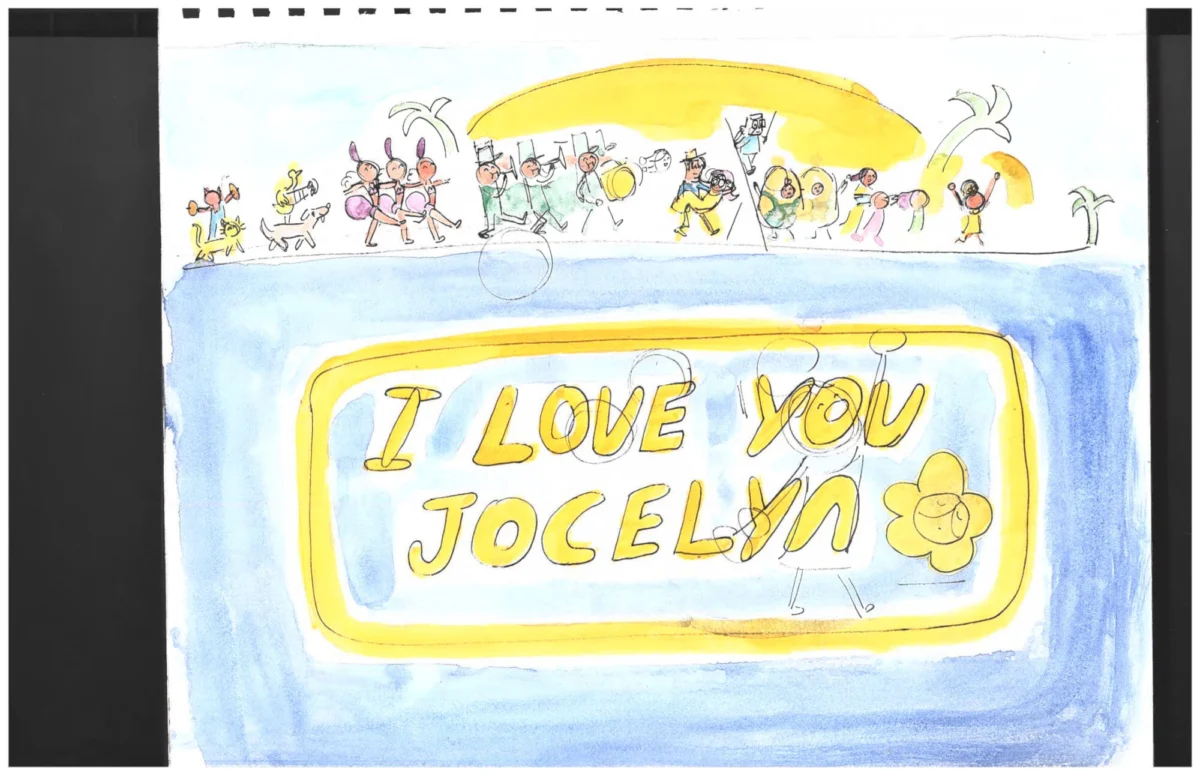
The trajectory of a modern animated series often follows a rigid, high-stakes path: professional pitches, pilot orders, and the grueling gauntlet of executive approvals. However, for Tracey Laguerre, the creator of the burgeoning hit I Love You, Jocelyn, the journey from a student sketchbook to the prestigious "Cartoon Cartoons" banner was defined by a series of intentional "non-pitches," a high-flying career in tech, and a deep-seated commitment to her Haitian heritage.
Now a standout entry in Cartoon Network’s revived incubator program, I Love You, Jocelyn represents more than just a seven-minute short; it is a proof of concept for a new era of culturally specific, creator-driven storytelling that bridges the gap between traditional folklore and contemporary "magical girl" tropes.
Main Facts: The Genesis of a New Heroine
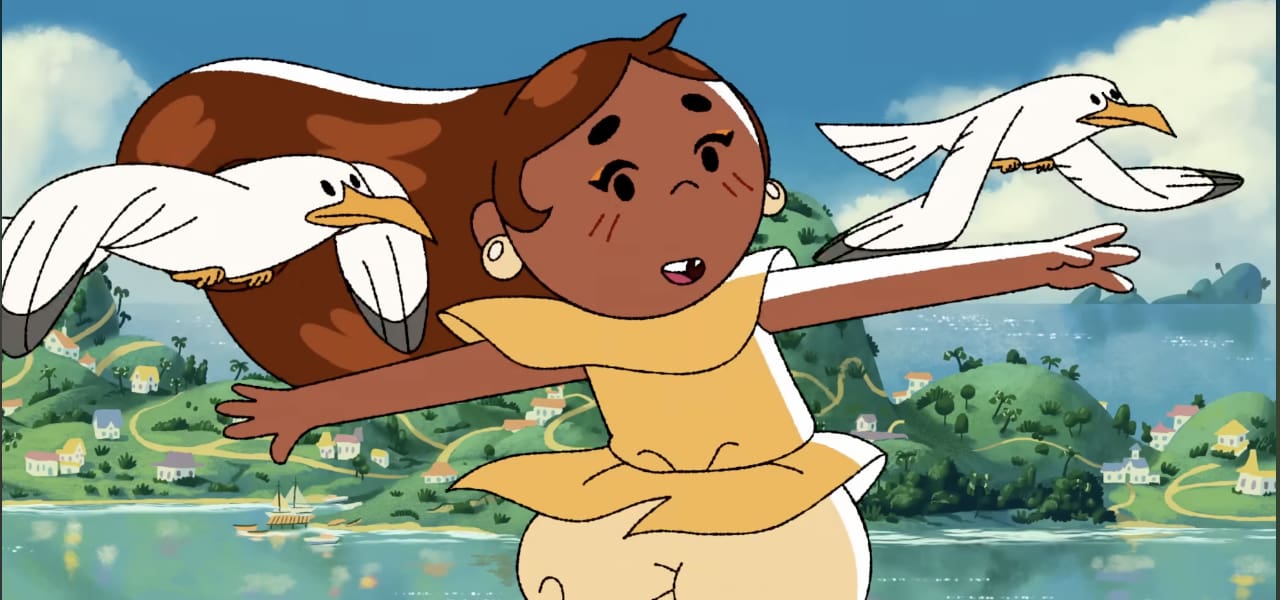
I Love You, Jocelyn follows the adventures of a young girl living on the fictional "Miami Island," a setting that serves as a vibrant microcosm of Caribbean life. The short, which recently debuted on Cartoon Network’s YouTube channel as part of the "Cartoon Cartoons" showcase, is a stylistic blend of vibrant Afro-Latino art traditions and the high-energy comedy typical of early 2000s animation.
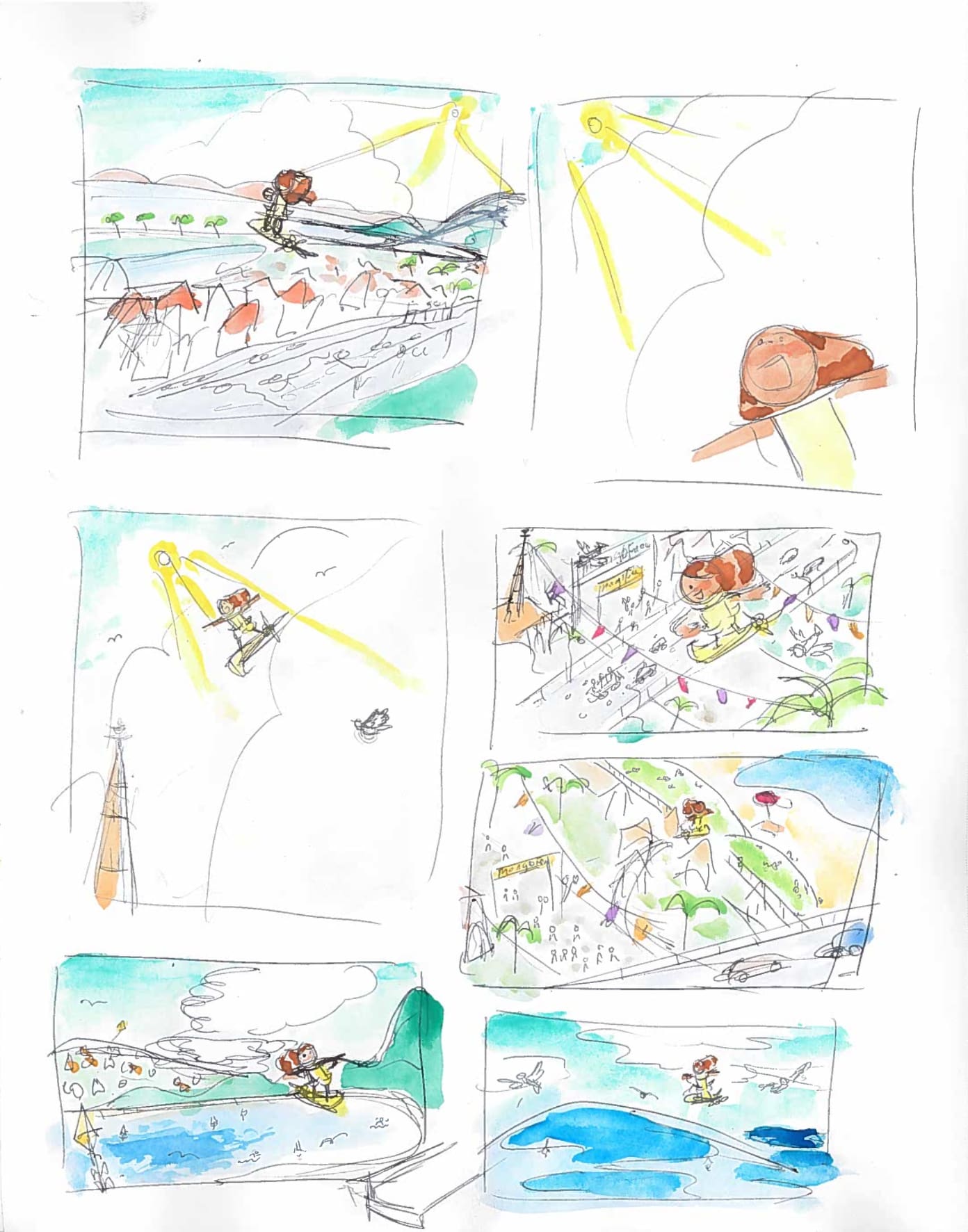
The project’s creator, Tracey Laguerre, is a CalArts alumna who, until recently, served as an art director at Google. Her path to showrunning was unconventional. Rather than climbing the traditional ladder of storyboard revisionist to director, Laguerre spent years refining the world of Jocelyn in the margins of her notebooks while navigating the corporate landscape of Silicon Valley.
The short has garnered significant attention for its "magical girl" framework—a genre popularized by Japanese anime like Sailor Moon—recontextualized through the lens of Caribbean oral traditions. It features a villainous frog sorcerer and a protagonist whose power is rooted in the rhythms and archetypes of the stories Laguerre heard as a child.
Chronology: From CalArts to the "Non-Pitch" Pitch
The evolution of I Love You, Jocelyn spans nearly a decade, beginning in the halls of the California Institute of the Arts (CalArts).
2017: The Student Short
While a second-year student at CalArts, Laguerre produced a rough, two-minute short titled I Love You, Jocelyn. It was a foundational piece that established the character’s design and the whimsical, often chaotic energy of her world. Following the short, Laguerre developed a more expansive animatic, though it remained unfinished as she prepared to enter the professional workforce.
The Google Years: The Sketchbook Refuge
Upon graduation, Laguerre was offered a position at Google. For several years, she worked across various departments, including product development, branding, and international audience design. During this period, Jocelyn transitioned from a student project to a personal "happy place."
"I would have a bad day or be really tired," Laguerre recalled. "I’d go home, open my sketchbook, and draw Jocelyn. It would make me feel better." This era was crucial for the project’s development; the world-building became more intricate as Laguerre used her art as an emotional refuge from the demands of the tech industry.
The Accidental Pitch
The project’s transition to Cartoon Network began with a meeting that Laguerre insisted was "not a pitch." Meeting with a friend and executive at the network, Laguerre shared her sketchbook and personal drawings without the expectation of a production deal. This lack of pressure allowed for a genuine connection to the material. Despite Laguerre’s initial hesitance, the executive encouraged her to continue developing the project, recognizing a unique voice that was missing from the current animation landscape.
2020–2021: The Pandemic Pivot
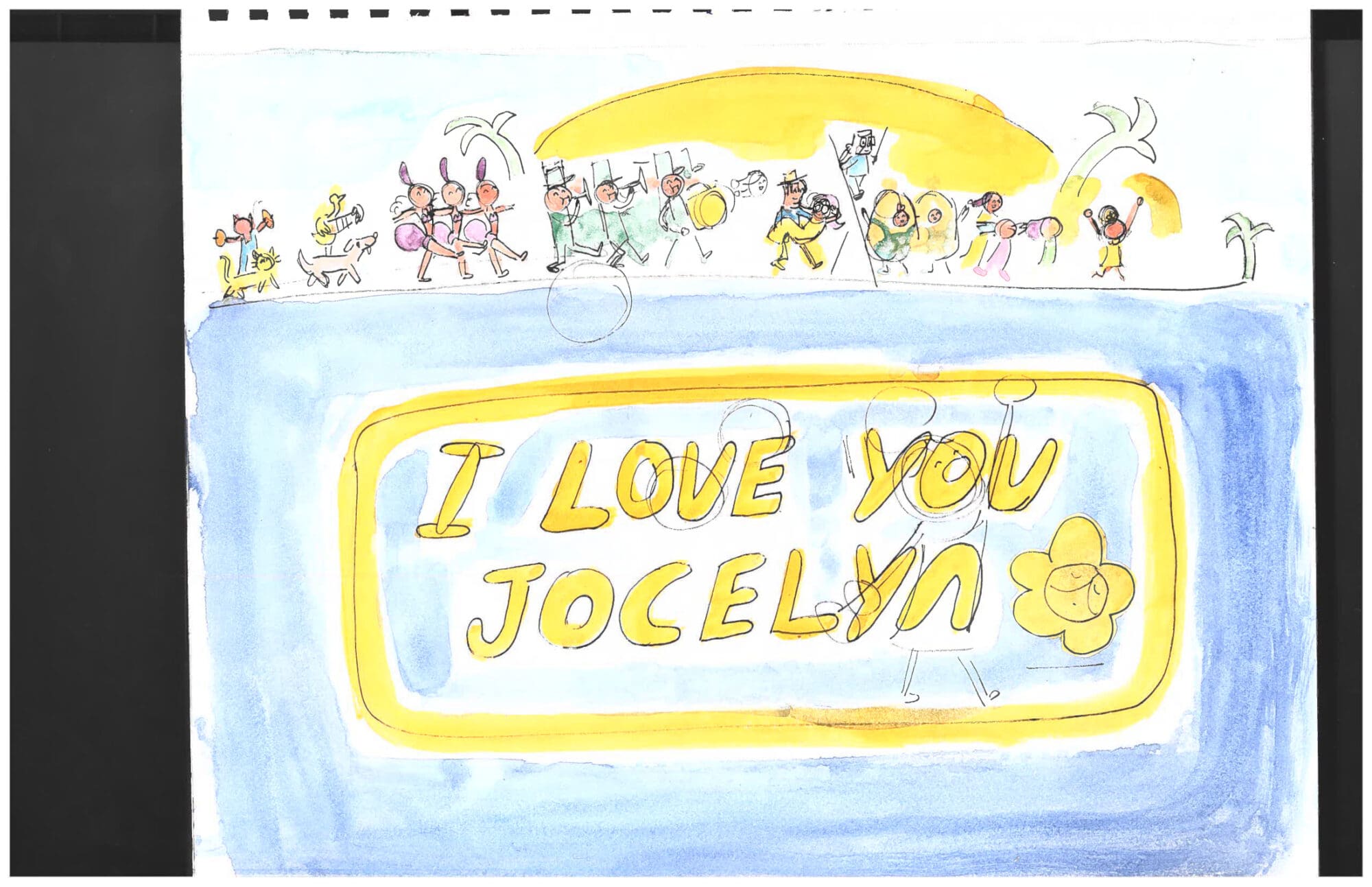
The global pandemic served as a catalyst for Laguerre. Working remotely for Google, she realized her passion for her personal characters far outweighed her interest in corporate product design. Despite warnings from peers about the instability of the entertainment industry during a global crisis, Laguerre resigned from her position at Google to pursue animation full-time. She reconnected with Cartoon Network, pitching the project over Zoom using the very same painted sketchbook pages that had been her sanctuary for years.
Supporting Data: Blending Folklore with Production Precision
The richness of I Love You, Jocelyn is derived from two distinct data sets: Laguerre’s cultural heritage and her technical experience in the tech sector.
Cultural Foundation: The Oral Tradition
The setting of Miami Island is a direct homage to the stories told by Laguerre’s grandmother, a Haitian immigrant who, despite being unable to read or write, possessed a masterful command of oral storytelling.
"My grandmother’s Caribbean folk tales became the foundation for the series," Laguerre explained. "She never had the opportunity to pursue an education… but her stories were better than all the stories in books." By integrating these tales into the "magical girl" genre, Laguerre created a narrative structure that feels both ancient and modern. The short utilizes Caribbean rhythms, linguistic nuances, and Afro-Latino visual motifs that offer a specific cultural texture rarely seen in mainstream American children’s programming.
Technical Foundation: The Google Pipeline
While her art is rooted in tradition, Laguerre’s production management is rooted in Silicon Valley. She credits her time at Google with giving her the skills to lead a production team effectively. Having worked with engineers, marketing stakeholders, and international designers, Laguerre approached the creation of her short with a unique understanding of the "product pipeline."
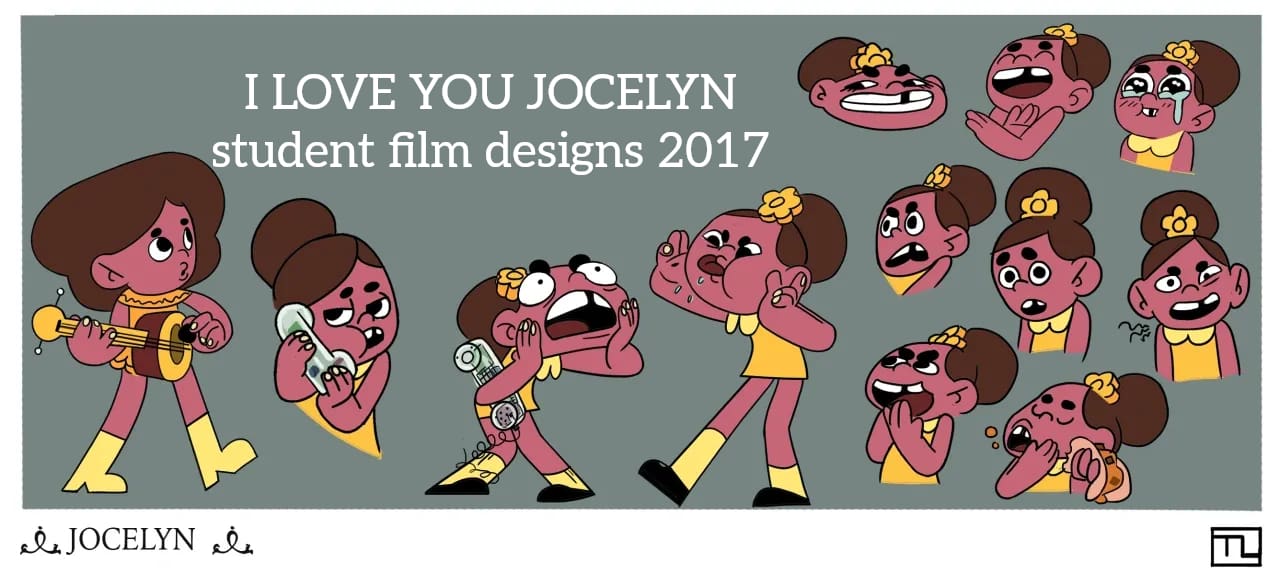
When Cartoon Network greenlit the short, they provided Laguerre with a full team, including an art director and character designers. Unlike many first-time creators who struggle with the logistical demands of production, Laguerre’s experience managing complex projects at Google allowed her to oversee the concept-to-final-product workflow with professional precision.
Official Responses: The Revival of "Cartoon Cartoons"
The release of I Love You, Jocelyn marks a significant moment for Cartoon Network Studios. The short was produced under the "Cartoon Cartoons" banner, a revived iteration of the legendary incubator program that launched iconic series like Dexter’s Laboratory, The Powerpuff Girls, and Johnny Bravo.
The Sam Register Influence
The revival of the incubator program is largely credited to Sam Register, President of Warner Bros. Animation and Cartoon Network Studios. During a period of significant restructuring following the Warner Bros. Discovery merger, the future of such developmental programs was uncertain.
Laguerre expressed deep gratitude for the program’s survival. "Sam Register could have thrown in the towel… but he didn’t, and now we still have these chances," she noted. The program’s goal remains to find "lightning in a bottle" by giving creators genuine authorship and the resources to produce shorts that can serve as pilots for full series.
Studio Authorship
A key takeaway from the production of Jocelyn was the level of autonomy granted to Laguerre. In an industry that is increasingly leaning toward "development by committee," Cartoon Network’s decision to let Laguerre manage her own production—fully in charge of the creative and logistical helm—is a testament to the studio’s desire to return to its creator-driven roots.
Implications: The Future of Cultural Specificity in Animation
The success and distinctiveness of I Love You, Jocelyn have broader implications for the animation industry, particularly regarding representation and the definition of "children’s television."
Moving Beyond the "Educational" Box
For years, culturally diverse content in children’s media was often relegated to "educational" or "instructional" programming. I Love You, Jocelyn breaks this mold by being a high-octane, fantasy-comedy that prioritizes entertainment and emotional resonance over overt pedagogy. Laguerre argues that "children’s television doesn’t mean a certain age group exclusively; it means a general audience." By creating a "safe space" through animation, she aims to provide the same comfort to modern children that cartoons provided her during her own upbringing.
The "General Audience" Appeal
The short demonstrates that cultural specificity is not a barrier to entry but a bridge to engagement. The "Miami Island" setting and the Haitian-influenced folklore provide a fresh aesthetic that appeals to a broad demographic looking for something outside the standard suburban or high-fantasy tropes.
A Potential Franchise
As I Love You, Jocelyn continues to gain traction on digital platforms, the question of a full series order looms. The short feels like a "lived-in" world, suggesting that Laguerre has enough material in her sketchbooks to sustain multiple seasons. If Cartoon Network moves forward with a series, it would signal a major win for the "Cartoon Cartoons" incubator and a validation of Laguerre’s "now or never" gamble to leave the tech world behind.
In the end, I Love You, Jocelyn is a reminder that the best stories often come from the places where we seek refuge. For Tracey Laguerre, that refuge was a sketchbook filled with the echoes of her grandmother’s voice—a voice that is now being heard by a global audience.


Leave a Comment