
Universal Unveils "Disclosure Day" Plot Secrets in Surprise Emily Blunt Interview
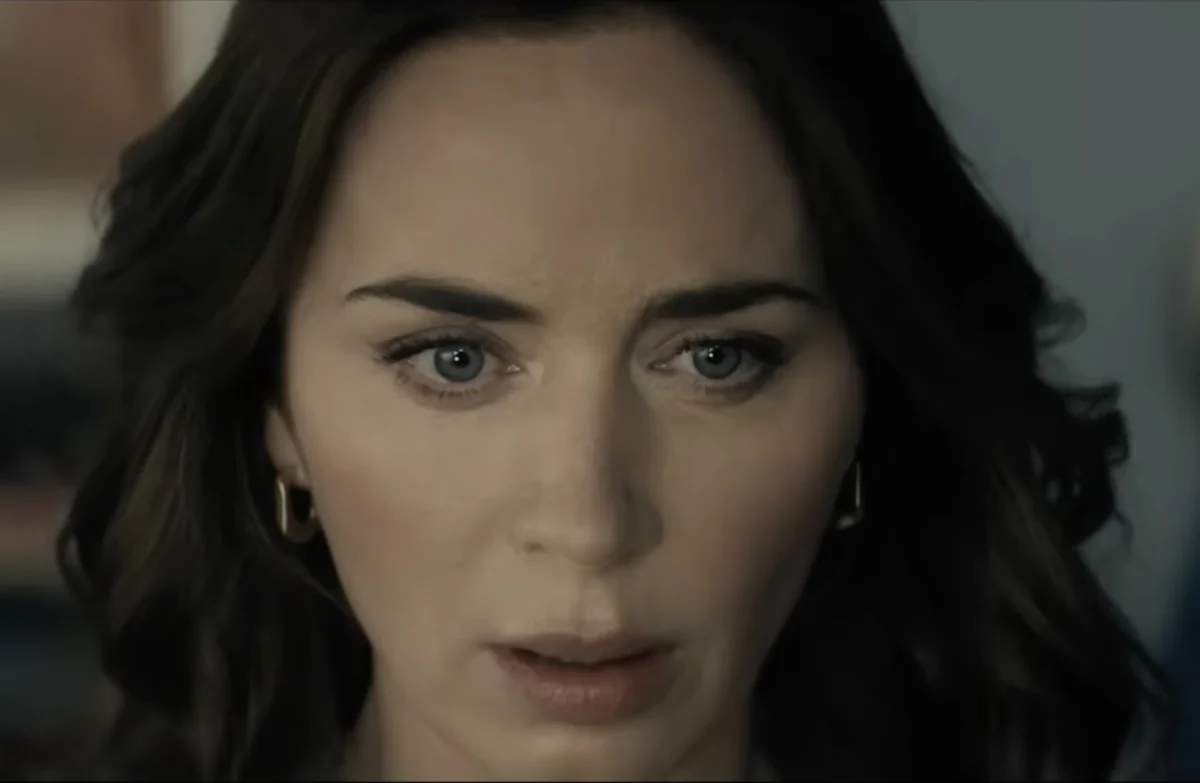
Hollywood, CA – After weeks of tantalizing but cryptic teasers, Universal Pictures has executed a masterstroke in cinematic marketing, finally pulling back the curtain on the closely guarded plot of Steven Spielberg’s highly anticipated science fiction thriller, Disclosure Day. In a surprise move, the studio released an "interview" with lead actress Emily Blunt, which, despite its brief runtime, has shattered previous speculation and offered a definitive outline of the film’s core narrative and the true nature of Blunt’s character, Margaret Fairchild.
Previously, two enigmatic trailers for Disclosure Day had left audiences grappling with more questions than answers. The marketing campaign had deliberately cultivated an air of profound mystery, with minimal dialogue, suggestive imagery, and an overwhelming sense of foreboding. A central point of fan debate revolved around the identity of Emily Blunt’s character, Margaret Fairchild, with widespread speculation questioning whether she was a human protagonist or, perhaps, an extraterrestrial entity in disguise. This deliberate ambiguity fueled online discussions and kept the film firmly in the public consciousness, setting the stage for a dramatic reveal.
Main Facts: The Veil is Lifted
The mystery surrounding Disclosure Day has finally been dispelled, thanks to a concise yet impactful one-minute video released by Universal Pictures. In this "interview," Emily Blunt herself provides critical plot points, confirming the humanity of her character, Margaret Fairchild, and outlining the central conflict that will drive Spielberg’s latest epic.
Blunt revealed that Margaret Fairchild is, in fact, human, but one who is "suddenly imbued with these abilities she’s never had before." This pivotal detail immediately quashes earlier theories of an alien protagonist, grounding the film in a more relatable human experience, albeit one touched by the extraordinary. More significantly, Blunt disclosed that Margaret shares a profound psychic connection with Daniel Kellner, portrayed by the talented Josh O’Connor. Kellner, as hinted in previous trailers, also possesses "inhuman-like abilities," suggesting a shared, perhaps nascent, superpower dynamic between the two leads.
The narrative hook provided by Blunt is one of high stakes: Margaret and Daniel are described as "beholders of this world-changing secret." This secret, she clarifies, is intrinsically linked to the "extraterrestrial life presumably making themselves known to humanity." Their unique abilities and interconnectedness position them as central figures in what promises to be humanity’s most significant revelation.
However, their path to disclosure is fraught with peril. Blunt further explained that powerful, clandestine government forces are actively working against them. These shadowy operatives, presumably led by Colin Firth’s character as hinted in earlier promotional material, are intent on suppressing the truth about alien existence and are actively pursuing Margaret and Daniel with lethal intent to prevent the world from learning the truth. This establishes a clear antagonist and a high-stakes cat-and-mouse game, where the fate of cosmic truth hangs in the balance.
The interview also offered a brief, compelling glimpse into the film itself, showcasing a scene that vividly illustrates the psychic bond between Margaret and Daniel. In this clip, Margaret, despite never having met Daniel, makes a chilling cold call to warn him against returning home, predicting an imminent assassination attempt. This sequence not only validates Blunt’s description of their connection but also heightens the tension, demonstrating the immediate and mortal danger they face.
Chronology of Disclosure
The marketing campaign for Disclosure Day has been a carefully orchestrated dance of anticipation and revelation, moving from profound mystery to tantalizing plot hints.
The journey began with the release of two initial trailers. These early glimpses were masterclasses in ambiguity. They showcased Steven Spielberg’s signature visual flair – sweeping landscapes, moments of intense human emotion, and unsettling glimpses of the unknown – but meticulously avoided any concrete plot details. Characters were shown in distress, reacting to unseen forces, or caught in dramatic, high-stakes situations. The trailers focused on mood, atmosphere, and the star power of Emily Blunt, Josh O’Connor, and Colin Firth, without revealing their precise roles or the narrative’s thrust.
A key element of this initial phase was the deliberate ambiguity surrounding Emily Blunt’s character, Margaret Fairchild. Both trailers conspicuously left her nature open to interpretation. Was she human, an alien, or something else entirely? This question became a dominant theme in fan discussions across social media and film forums, generating considerable buzz and ensuring Disclosure Day remained a hot topic. This strategic withholding of information kept audiences engaged, actively speculating and investing themselves in unraveling the film’s central enigma.
The surprise release of the Emily Blunt "interview" by Universal Pictures marked a significant pivot in this marketing strategy. Rather than another cryptic trailer, the studio opted for a direct, albeit controlled, communication from one of its stars. This format served to break the silence and address the primary audience questions head-on, delivering the "disclosure" in a manner mirroring the film’s own theme. The one-minute video, structured as a candid conversation, felt more personal and immediate than a traditional press release or a voice-over narration in a trailer.
The immediate effect of this interview was to clarify critical plot points. Blunt’s statements confirmed Margaret’s humanity, detailed her newfound psychic abilities, established her connection to Josh O’Connor’s Daniel Kellner, and outlined the central conflict against government forces. The inclusion of a brief scene from the film further solidified these revelations, providing visual proof and amplifying the impact of Blunt’s words. This deliberate "disclosure" has effectively transformed audience speculation into informed anticipation, setting a clear trajectory for the film’s narrative.
The ultimate culmination of this carefully managed reveal process will be the premiere of Steven Spielberg’s Disclosure Day in theaters on June 12, 2026. By progressively unveiling layers of information, Universal Pictures and Spielberg have ensured that the film remains a subject of intense discussion, building momentum towards its release date.
Supporting Data: Spielberg’s Legacy, Cast Pedigree, and Thematic Resonance
The revelations about Disclosure Day‘s plot gain significant weight when viewed through the lens of its legendary director, Steven Spielberg, and its accomplished cast. This film appears poised to tap into classic sci-fi tropes while offering a contemporary twist, leveraging the talents of its stars to explore themes deeply embedded in Spielberg’s cinematic history.
Steven Spielberg’s Enduring Fascination with the Extraterrestrial: Spielberg is arguably the most influential director in the realm of alien encounters. From the awe-inspiring wonder of Close Encounters of the Third Kind (1977) and the heartwarming friendship of E.T. the Extra-Terrestrial (1982) to the terrifying invasion of War of the Worlds (2005), his filmography demonstrates a profound and varied exploration of humanity’s relationship with life beyond Earth. Disclosure Day seems to synthesize elements from these previous works: the human psychic connection echoing the communication efforts in Close Encounters, the high stakes of humanity’s future reminiscent of War of the Worlds, and the central mystery that captivates audiences, a hallmark of his best sci-fi. His involvement alone elevates Disclosure Day beyond a mere genre flick, suggesting a nuanced and perhaps philosophical approach to the theme of alien disclosure. Audiences expect not just spectacle, but also a deeper emotional and intellectual engagement from a Spielberg sci-fi film.
Emily Blunt: A Versatile Sci-Fi Action Heroine: Emily Blunt’s casting as Margaret Fairchild is a testament to her proven ability to portray strong, complex characters in high-concept genre films. Her commanding performances in Edge of Tomorrow (2014) as the formidable Sergeant Rita Vrataski and in the A Quiet Place franchise (2018, 2020) as the resilient Evelyn Abbott have established her as a compelling and credible action heroine. These roles showcased her capacity for both intense physical performance and deep emotional vulnerability, qualities that will be essential for Margaret Fairchild, a human thrust into an extraordinary and dangerous situation. Her ability to convey internal struggle alongside external strength makes her an ideal choice to anchor a narrative where a seemingly ordinary person develops world-altering psychic abilities and faces existential threats.
Josh O’Connor: Bringing Gravitas to the Unconventional: Josh O’Connor, best known for his Emmy-winning portrayal of Prince Charles in The Crown, brings a distinct dramatic weight to the role of Daniel Kellner. His previous work demonstrates a remarkable range, excelling in roles that demand subtle emotional depth and nuanced character development. While perhaps less experienced in traditional sci-fi action, O’Connor’s presence suggests that Daniel Kellner will be more than just a supporting figure; he will be a character with significant internal struggles and a crucial emotional arc, likely grappling with the implications of his own "inhuman-like abilities" and his psychic bond with Margaret. His casting indicates that Disclosure Day will prioritize character-driven storytelling alongside its grand sci-fi spectacle.
Colin Firth: The Embodiment of Authority and Ambiguity: While his role remains officially unconfirmed in the latest revelations, the previous trailers strongly implied Colin Firth’s involvement with the "secret government forces." Firth, an Academy Award winner, frequently embodies figures of authority, sophistication, and sometimes, moral ambiguity. His presence as a potential antagonist lends immediate credibility and gravitas to the opposition, suggesting that the government forces are not simply faceless villains but a formidable, intelligent, and potentially ethically complex barrier to disclosure. His casting elevates the human conflict, ensuring that the struggle between Margaret, Daniel, and the government is not just physical, but also ideological and intellectual.
The "Interview" as a Strategic Marketing Tool: The decision by Universal Pictures to release a controlled "interview" rather than a traditional trailer is a shrewd marketing maneuver. In an age of information overload and relentless trailer drops, this method allows the studio to directly address and shape the narrative surrounding the film. It feels more intimate and authentic, giving audiences the impression of receiving direct insight from the star, rather than a pre-packaged promotional piece. This "disclosure" strategy perfectly mirrors the film’s own theme, creating a meta-narrative that enhances the audience’s engagement and anticipation. It allows the studio to carefully manage expectations, confirm key elements, and continue to build excitement without giving away too much too soon.
Thematic Resonance: Truth, Power, and Humanity’s Evolution: Beyond the immediate plot, Disclosure Day appears to delve into profound thematic territory. The central conflict—the suppression of "world-changing secret" by "secret government forces"—taps into deep-seated anxieties about government transparency, censorship, and the public’s right to know. The concept of humans suddenly developing psychic abilities could explore themes of human evolution, adaptation to new realities, and the challenges of wielding immense power. Furthermore, the core theme of extraterrestrial disclosure forces humanity to confront its place in the universe, posing questions about identity, unity, and potential existential shifts. Spielberg’s track record suggests that these themes will be explored with both gravitas and a humanistic touch, offering not just an alien story, but a story about what it means to be human in a universe far grander than we imagined.
Official Responses: Emily Blunt’s Definitive Account
The "interview" with Emily Blunt serves as the most direct and, to date, the only official response regarding the intricate plot of Disclosure Day. Universal Pictures, in choosing this format, has strategically used their lead actress to deliver crucial exposition in a controlled and impactful manner.
Blunt’s statements in the one-minute video are unequivocal and have fundamentally reshaped public understanding of the film. Her initial declaration, "Margaret is suddenly imbued with these abilities she’s never had before," is the definitive confirmation of Margaret Fairchild’s human identity. This line effectively closes the door on alien-in-disguise theories, establishing Margaret as a human protagonist experiencing a transformative, albeit potentially terrifying, evolution. This reveal grounds the audience’s emotional investment in a human character grappling with extraordinary circumstances.
She further elaborated on the dynamic between Margaret and Daniel Kellner, stating that Margaret has a "psychic connection" to O’Connor’s character, who also exhibits "inhuman-like abilities." This establishes a bond that transcends conventional communication, suggesting a partnership born of shared extraordinary gifts. The brief scene shown, where Margaret forewarns Daniel of an impending threat, acts as a visual confirmation of this psychic link, adding weight to Blunt’s words and demonstrating the immediate practical applications of their powers.
Crucially, Blunt articulated the central premise: Margaret and Daniel are "beholders of this world-changing secret," directly linking their narrative to the profound event of "extraterrestrial life presumably making themselves known to humanity." This is the "disclosure" of Disclosure Day, explicitly positioning the film at the precipice of humanity’s first official contact or recognition of alien existence.
Finally, Blunt’s revelation about the "secret government forces" actively working against them, seeking to "kill them both so the word doesn’t get out," clearly defines the primary antagonistic force. This confirms the government cover-up aspect that has been a staple of many UFO and alien encounter narratives, adding a layer of thrilling espionage and survival to the sci-fi premise. The implication of Colin Firth’s character leading this shadowy organization, based on previous trailers, solidifies the human versus human conflict that runs parallel to the human versus unknown cosmic truth.
Universal Pictures’ choice to deliver these critical plot points through Blunt’s "interview" is a sophisticated public relations maneuver. Instead of a traditional press release or a studio executive statement, using the star creates a more personal, engaging, and arguably more credible conduit for the information. It leverages Blunt’s established persona and direct involvement to build trust and excitement, making the plot revelations feel like a privileged insight rather than a marketing dictate. This method allows the studio to precisely control the narrative, answering key questions while still preserving enough mystery to keep anticipation high for the film’s full release.
Implications: Shaping Expectations and Thematic Horizons
The strategic plot disclosures for Disclosure Day carry significant implications, not only for the film’s immediate marketing trajectory but also for audience expectations and the thematic depth it promises to explore.
Refining Audience Expectations: By confirming Margaret Fairchild’s humanity and her sudden acquisition of psychic abilities, Universal has shifted the audience’s perspective from speculative curiosity to focused anticipation. No longer is the central question "who is she?" but rather "how will she use these powers?" and "what are the full ramifications of this world-changing secret?" This clarity allows audiences to begin forming more concrete theories about the narrative arc, the character development, and the precise nature of the challenges Margaret and Daniel will face. It grounds the fantastical elements in a human journey, potentially making the film more relatable and emotionally resonant.
Heightened Stakes and Conflict: The explicit introduction of "secret government forces" actively seeking to suppress the truth and eliminate Margaret and Daniel raises the stakes considerably. This isn’t just a story of discovery; it’s a story of survival, a race against powerful human adversaries who represent established power structures resistant to change. The conflict moves beyond simply confronting the unknown (aliens) to battling known, dangerous entities, adding layers of suspense, espionage, and moral complexity. Colin Firth’s presumed role as an antagonist further solidifies this, hinting at a nuanced antagonist who believes he is acting in humanity’s best interest, even if through ruthless means.
A Deep Dive into Disclosure and Humanity’s Readiness: The central theme of "extraterrestrial life presumably making themselves known to humanity" positions Disclosure Day as a profound examination of the concept of "disclosure." The film will likely explore not just if aliens exist, but how humanity would react to such a revelation. Would it lead to unity, fear, chaos, or a profound re-evaluation of our place in the cosmos? The government’s attempts at suppression suggest a fear of societal breakdown or a desire to control the narrative of first contact. This opens up rich thematic avenues for Spielberg to explore, echoing his long-standing interest in humanity’s emotional and societal responses to the unknown. The psychic connection between Margaret and Daniel could also symbolize humanity’s evolving consciousness or a new form of inter-species communication.
Marketing Ingenuity and Future Strategy: The "interview" release is a testament to clever, controlled marketing. It generated a fresh wave of media attention and fan discussion, effectively restarting the buzz cycle without fully revealing the film’s secrets. This strategy allows Universal to maintain a tight grip on the narrative, releasing information incrementally to maximize impact. Future marketing efforts will likely delve deeper into the nature of the "world-changing secret," the specific abilities of Margaret and Daniel, and perhaps the motivations of the government forces, building on this established foundation.
The Enduring Power of Spielberg’s Vision: Ultimately, the implications circle back to Steven Spielberg. His involvement guarantees a certain level of cinematic craftsmanship, narrative intelligence, and emotional depth. With the plot outline now clearer, audiences can better appreciate how Disclosure Day fits into his celebrated filmography—potentially bridging the wonder of Close Encounters with the tension of War of the Worlds and the human resilience seen in E.T. The film promises to be more than just a sci-fi thriller; it’s a vehicle for Spielberg to once again ponder humanity’s greatest questions, this time through the urgent lens of an impending cosmic revelation and the extraordinary individuals caught in its wake. The stage is set for a truly impactful cinematic event on June 12, 2026.




Leave a Comment