The Digital Renaissance: How Concept Art World is Preserving the Visual DNA of Modern Entertainment
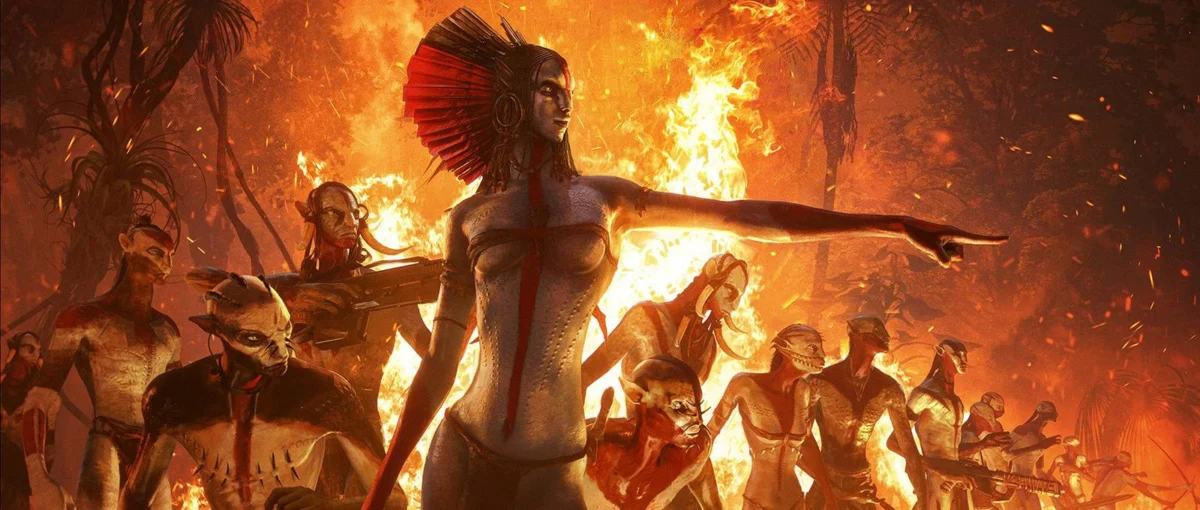
In the rapidly evolving landscape of global entertainment, the bridge between a script’s first draft and the final frame of a blockbuster film or AAA video game is built by a select group of visionaries: concept artists. These architects of the imagination are responsible for the "visual development" that defines our modern mythology. Recently, the industry-leading platform Concept Art World (CAW) has released a series of comprehensive archives featuring the work of Avery Coleman, Bruno Gauthier Leblanc, and the legendary Thierry Doizon, while providing an exhaustive look at the visual foundations of Denis Villeneuve’s Dune: Part One.
This surge of high-level archival releases comes at a pivotal moment for the industry. As digital art faces unprecedented challenges from generative artificial intelligence and shifting labor markets, the spotlight on human-led design has never been more critical.
Main Facts: Archiving the Giants of Design
The latest updates from Concept Art World highlight four distinct pillars of contemporary visual design. These releases serve not only as a gallery for fans but as a technical resource for professionals seeking to understand the mechanics of world-building.
1. The Brutalist Elegance of Dune: Part One
Perhaps the most significant of the recent features is the massive collection dedicated to the 2021 cinematic adaptation of Frank Herbert’s Dune. This collection showcases the intricate character faction designs by Bruno Gauthier Leblanc, whose work was instrumental in distinguishing the noble House Atreides from the industrial, parasitic House Harkonnen. Leblanc’s work exemplifies the "speculative realism" required for modern sci-fi—creating costumes and gear that feel functional, weathered, and culturally grounded.
2. The Gothic Legacy of Darksiders II
Returning to the realm of interactive media, CAW has revisited the 2012 classic Darksiders II through the lens of Avery Coleman. Coleman’s work represents a masterclass in stylized dark fantasy. Working within the visual framework established by Joe Madureira, Coleman’s concept art for the character "Death" and the various nether-realms he inhabits remains a benchmark for silhouette design and environmental storytelling in gaming.
3. The Veteran Perspective: Thierry Doizon
The platform also featured a career spotlight on Thierry Doizon (widely known in the industry as "Barontieri"). A veteran with decades of experience at studios like Ubisoft and Eidos, Doizon’s portfolio serves as a historical record of the industry’s transition from traditional painting techniques to advanced digital workflows.
4. The Anti-AI Manifesto
Tucked within these updates is a significant policy shift. Concept Art World has officially declared that any training of AI systems using their hosted content is strictly prohibited. This move aligns the platform with a growing global movement of artists seeking to protect their intellectual property from non-consensual machine learning.
Chronology: From Sketchbook to Screen
To understand the weight of these releases, one must look at the timeline of visual development over the last decade.
- 2012: The Height of Stylized Realism. When Avery Coleman was working on Darksiders II, the gaming industry was in a transitional phase. Studios were moving away from the "brown and gray" era of the mid-2000s and embracing bold, comic-book-inspired aesthetics. Coleman’s work proved that digital art could maintain a "hand-painted" feel while leveraging the power of new hardware.
- 2018–2020: The Pre-Production of Arrakis. During this period, Bruno Gauthier Leblanc and the design team for Dune were tasked with reinventing a world that had been previously interpreted by David Lynch and Alejandro Jodorowsky. The focus shifted toward "foundational logic"—asking how a suit would actually recycle water on a desert planet.
- 2021–2023: The AI Disruption. As the Dune collection was being finalized for public viewing, the rise of Midjourney and DALL-E began to shake the foundations of the concept art community.
- 2024–2026: The Archival Era. Platforms like Concept Art World have pivoted toward becoming "digital museums," emphasizing the provenance and human craftsmanship behind the art to distinguish it from algorithmic output.
Supporting Data: The Value of Visual Development
The importance of the work featured on CAW is backed by significant industry metrics. According to market analysis, the global concept art and pre-visualization market is a multi-billion dollar sector. In major film productions, the "Art Department" can consist of over 100 specialists, with concept artists sitting at the top of the creative hierarchy.
For a film like Dune, the visual development phase can last over two years before a single camera starts rolling. The "Dune Character Faction Designs" by Bruno Gauthier Leblanc aren’t just pretty pictures; they are technical blueprints. For example, the "Stillsuit" design required collaboration between concept artists, costume designers, and material scientists to ensure the actors could move while maintaining the aesthetic of a high-tech survival garment.
In the gaming sector, the longevity of a title like Darksiders II—which has seen multiple remasters—is often attributed to its "timeless" art style. Avery Coleman’s contributions to the game’s visual identity are cited in design schools as a primary example of how to use exaggerated proportions to convey character traits without the need for dialogue.
Official Responses: Protecting the Artist’s Hand
Concept Art World has been vocal about its mission to serve as a "leading online resource dedicated to showcasing the best in concept art." Their official stance on AI training is a direct response to the concerns of the artists they feature.
In a statement accompanying their recent updates, the platform noted: "All images are © by the artist(s) or their respective copyright holders. Any training of AI systems using this content is strictly prohibited."
This is more than a disclaimer; it is a legal boundary being drawn in the sand. Industry veterans like Thierry Doizon have frequently spoken about the "soul" of the creative process—the "happy accidents" and cultural nuances that a human artist brings to a project which an AI cannot replicate. By highlighting Doizon’s career, CAW is making a case for the longevity and irreplaceable nature of the human professional.
Furthermore, the studios behind these properties—Legendary Pictures for Dune and THQ Nordic for Darksiders—increasingly view their concept art as valuable intellectual property. The release of these collections often coincides with "The Art of" book launches, which have become a staple for collectors and a significant secondary revenue stream for studios.
Implications: The Future of the Industry
The enrichment of the Concept Art World archives signals several key trends that will shape the next decade of entertainment:
1. The "Human-Made" Premium
As AI-generated images flood the internet, there is a growing market for "authenticated human art." The collections by Leblanc and Coleman serve as a gold standard. In the future, we may see a "Human-Designed" certification for films and games, much like the "Organic" label in the food industry.
2. Concept Art as Fine Art
The transition of concept art from a "production tool" to a "gallery piece" is nearly complete. The high-resolution archives provided by CAW allow for a level of scrutiny previously reserved for classical paintings. This elevates the status of artists like Avery Coleman, placing them in the pantheon of great 21st-century visual stylists.
3. Legal Precedents and IP Protection
The "No AI Training" clause used by CAW is part of a broader legal battle. As artists and platforms begin to assert these rights, it will likely lead to landmark court cases regarding "Fair Use" and the scraping of digital galleries. The outcome of these battles will determine the financial viability of being a concept artist in the 2030s.
4. Educational Evolution
For aspiring artists, the availability of these collections is a double-edged sword. While they provide an incredible learning resource, they also set an incredibly high bar for entry. The focus for new artists is shifting from "technical execution" (which AI can assist with) to "unique visual problem solving"—the kind of thinking demonstrated in the Dune faction designs.
Conclusion
The recent updates from Concept Art World are more than just a gallery of beautiful images; they are a testament to the complexity and depth of modern world-building. From the sands of Arrakis to the underworlds of Darksiders, the work of Bruno Gauthier Leblanc, Avery Coleman, and Thierry Doizon represents the pinnacle of human imagination.
As the industry navigates the turbulent waters of technological change, platforms like CAW act as both a lighthouse and a fortress—protecting the legacy of the artists while lighting the way for the next generation of visual storytellers. The message is clear: while technology may change the tools, the vision, the culture, and the "human touch" remain the true engines of our collective dreams.