
Embracing Mortality: A Deep Dive into Legacy, Creativity, and the Human Spark
Introduction: Approaching a Milestone and Contemplating the Inevitable
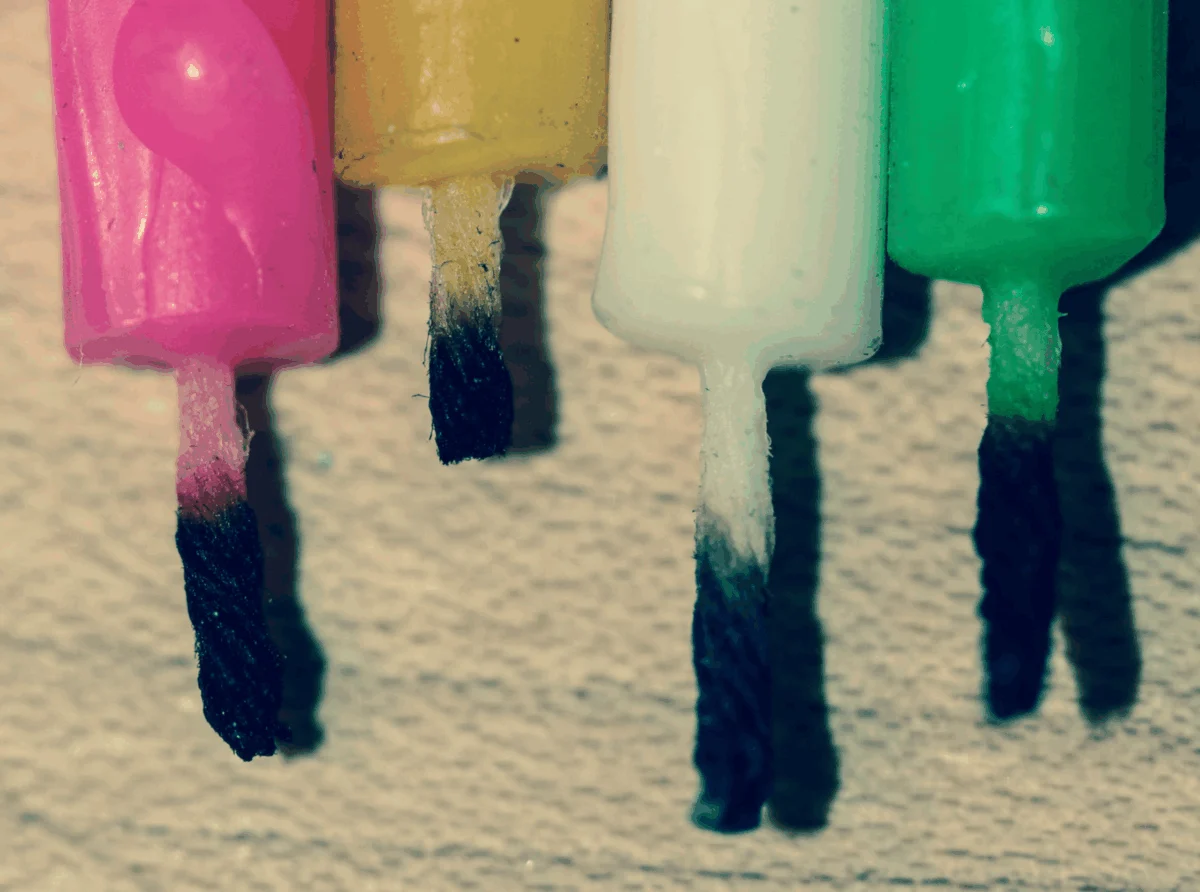
As a prominent voice in the literary world, Chuck Wendig, on the cusp of his 50th birthday, offers a profound and deeply personal reflection on mortality, legacy, and the very essence of human creativity. What begins as a lighthearted, albeit introspective, musing on the passage of time and the physical realities of aging quickly evolves into a philosophical exploration of existence, identity, and the enduring impact of our creations. Wendig’s unique blend of raw honesty and poignant metaphor challenges readers to confront their own mortality and to consider the true meaning of leaving a mark on the world.
The Weight of Years: A Personal Reckoning with Aging
Wendig candidly admits that while he isn’t facing an immediate health crisis, the approach of his 50th birthday has undeniably brought the topic of death and dying into sharper focus. He humorously contrasts his childhood perception of 50-year-olds as ancient beings with his current reality, where the milestone feels both “normal” and, in moments, undeniably “old.” This personal reflection is punctuated by the relatable physical changes that accompany middle age: the creaks, crackles, and the increasing conversation around health screenings and preventative measures.
"It shouldn’t! It’s not—not really. But it sometimes literally feels old as I wake up with more creaks and crackles and weird bumps and barnacles and now comes the steady drumbeat of, welp, time to get on statins and/or a blood pressure medication and/or hey have you heard of these GLP-1 drugs and you should be eating less and exercising more and don’t forget to get this cancer screening and that cancer screening and do you have your retirement figured out and where is your grave plot don’t you have a grave plot yet well jesus christ have you at least picked out an urn…"
This passage, while laced with humor, underscores a universal experience: the gradual, undeniable shift in one’s physical presence and the accompanying awareness of a finite lifespan. Wendig’s embrace of this new stage, however, is marked by a self-aware declaration of increased wisdom, a perhaps playful claim of enhanced sexiness, and a pragmatic acceptance of bodily changes.
The Metaphor of Melting Butter: Transformation and Dissolution
The core of Wendig’s contemplation crystallizes during a seemingly mundane domestic activity: melting butter for waffles. He observes the butter’s transformation from a solid block to a liquid state, and in this process, he finds a powerful metaphor for death.
"That’s death. I mean, death for the pad of butter, obviously. But, metaphorically—it’s death for me, to me, as well. For you. For all of us!"
This initial observation is not presented as a morbid or terrifying realization, but rather as a profound insight into the nature of change. Wendig draws a parallel to the Colbert Questionnaire’s query about what happens to us after death, suggesting that our existence is akin to this melting butter. The butter, he argues, doesn’t disappear; it merely changes form. It retains its essence, its "butter-ness," even as its shape is lost. This transformed state is then absorbed, utilized, and contributes to the sustenance and happiness of others.
The process of consumption, he elaborates, is not an endpoint but a continuation. The butter, once absorbed, becomes part of the eater, fueling their energy and even contributing to their joy due to its deliciousness. This cycle of breakdown and absorption, he suggests, is a beautiful and natural phenomenon.
"It’s kind of beautiful. We’re all just melting butter."
This perspective reframes death not as an annihilation, but as a fundamental transformation, a reintegration into the larger fabric of existence.
The Existential Quandary: Identity Beyond the Molecular
While the melting butter metaphor offers a comforting view of physical dissolution and reintegration, Wendig acknowledges a deeper, more unsettling aspect of mortality: the existential concern for personal identity. The question arises: what happens to the "me-me," the consciousness, the accumulated experiences, desires, and anxieties that constitute an individual’s unique self?
"But, okay, okay, that doesn’t really account for what is probably the scariest part of death and dying—the existential part. Like, that’s fucking great if all my special boy butter molecules go back into the universe, but those aren’t me*, not ME-me, not the thought-avatar that is me, not the wants and needs and peccadillos and ideas and anxieties that add up to me, it isn’t the memories or the awareness or any of that shit."
He articulates the common human yearning for an afterlife, a continuation of the conscious self, a place where identity transcends the physical form. This desire, he suggests, is a response to the fear of oblivion, the loss of the unique individual. However, Wendig expresses a personal uncertainty about his belief in such traditional notions of an afterlife. He doesn’t disbelieve, but rather accepts that whatever may come after death will occur regardless of his personal faith.
Crafting a Legacy: The Enduring Power of Human Creation
The exploration then pivots to the concept of legacy, not just in a biological sense, but in the form of created works and their impact on others. Wendig posits that beyond the physical breakdown of the body, there is an equivalent breakdown and legacy of our identity, our "WHO WE ARE." This identity, he argues, leaves an impression on those who knew us, much like the butter is absorbed by the eater.

"That, too, is left behind as a legacy. Once we’re gone we are left still as a strong impression on those who knew us and loved us, and just as the butter eventually is absorbed into the eater, so too are we absorbed into those we knew, those we affected."
This concept leads Wendig to a passionate defense of writing and storytelling as potent vehicles for leaving behind a meaningful legacy. He advocates for writers to "leave it all out there on the narrative field," to imbue their work with their authentic selves, their emotions, anxieties, and unique perspectives. This advice, he explains, is not merely practical for creating original and resonant stories, but also deeply beneficial for the creator’s own well-being.
"It’s good for your heart and soul to be in conversation with it. It’s good for you to find a place for your anxieties and your dreams. It’s good to use all the parts of the pig; the pig being, well, you and your big weird meaty brain."
He connects this to the often-misunderstood directive of "write what you know," reframing it as an invitation to draw from the rich wellspring of one’s own experiences and identity. The act of creation, when imbued with the self, becomes a spiritual practice, a way of engaging with one’s inner landscape.
The Case Against AI in Artistic Legacy
This deeply personal and human-centric view of legacy leads Wendig to a firm stance against the use of Artificial Intelligence in creative endeavors. He acknowledges his repeated pronouncements on the topic but argues that a new dimension of this concern has emerged through his reflections on mortality and legacy.
"But one that hadn’t really hit me was this—your work is part of you and your legacy, but if you let AI touch that, it really isn’t yours. It isn’t you. It’s like stolen existential valor. You just put a You Mask on a mannequin and threw it out of a plane."
Wendig contends that using AI to generate creative work, especially writing, fundamentally undermines the concept of personal legacy. He views it as a form of "stolen existential valor," an attempt to present a manufactured "you" that has no genuine connection to the creator’s lived experience or inner world. Such work, he argues, does not carry the creator forward in a meaningful way; instead, it perpetuates a lie, offering a hollow echo of someone else’s creation.
"Dead echoes. Flat ripples. A stone that doesn’t skip across the surface of the pond—It just fucking sinks."
He powerfully asserts that AI is inherently soulless and should not be used to substitute for the human soul in artistic expression. The act of creation, for Wendig, is intrinsically tied to the vulnerability, authenticity, and unique perspective of the human creator.
The Enduring Echo: Living On Through Impact
Ultimately, Wendig concludes that true continuation lies not in the preservation of a static self, but in the ripples of influence we create. Our thoughts, ideas, jokes, quirks, and questions, when shared through our creations, become "living pieces" that continue to evolve and impact others. This process, he likens to stones cast into a cosmic pond, sending out ripples that reverberate indefinitely.
"You’ll live on in others if you allow yourself to. We’re all just melting butter. Glorious, tasty, melty butter."
This perspective offers a profound and empowering vision of mortality. It suggests that while the physical vessel may decay, the essence of who we are, the impact we have, and the stories we tell can transcend our physical limitations. The human spark, when expressed authentically and shared generously through art and creativity, can continue to illuminate the universe long after we are gone. The act of writing, creating, and engaging with the world with unabashed authenticity becomes not just a personal endeavor, but a profound contribution to the ongoing tapestry of human experience.
Conclusion: A Call to Authenticity and Enduring Impact
Chuck Wendig’s reflections offer a compelling and deeply human perspective on aging, mortality, and the enduring power of creative expression. By embracing the metaphor of melting butter, he illustrates the transformative nature of existence, while his examination of existential concerns highlights the importance of our individual identities. His impassioned plea for authentic creation, particularly in the realm of writing, serves as a powerful reminder that our most significant legacy lies not in the fleeting nature of our physical presence, but in the lasting echoes of our human spark, carried forward through the art and stories we share with the world. In a time increasingly marked by the allure of artificial replication, Wendig’s ode to the "souled" creation stands as a vital affirmation of what it truly means to be human and to leave a meaningful mark on the universe.

Leave a Comment