
The Marduk Prophecy: A Timeless Tale of Divine Power and Political Intrigue in Ancient Mesopotamia
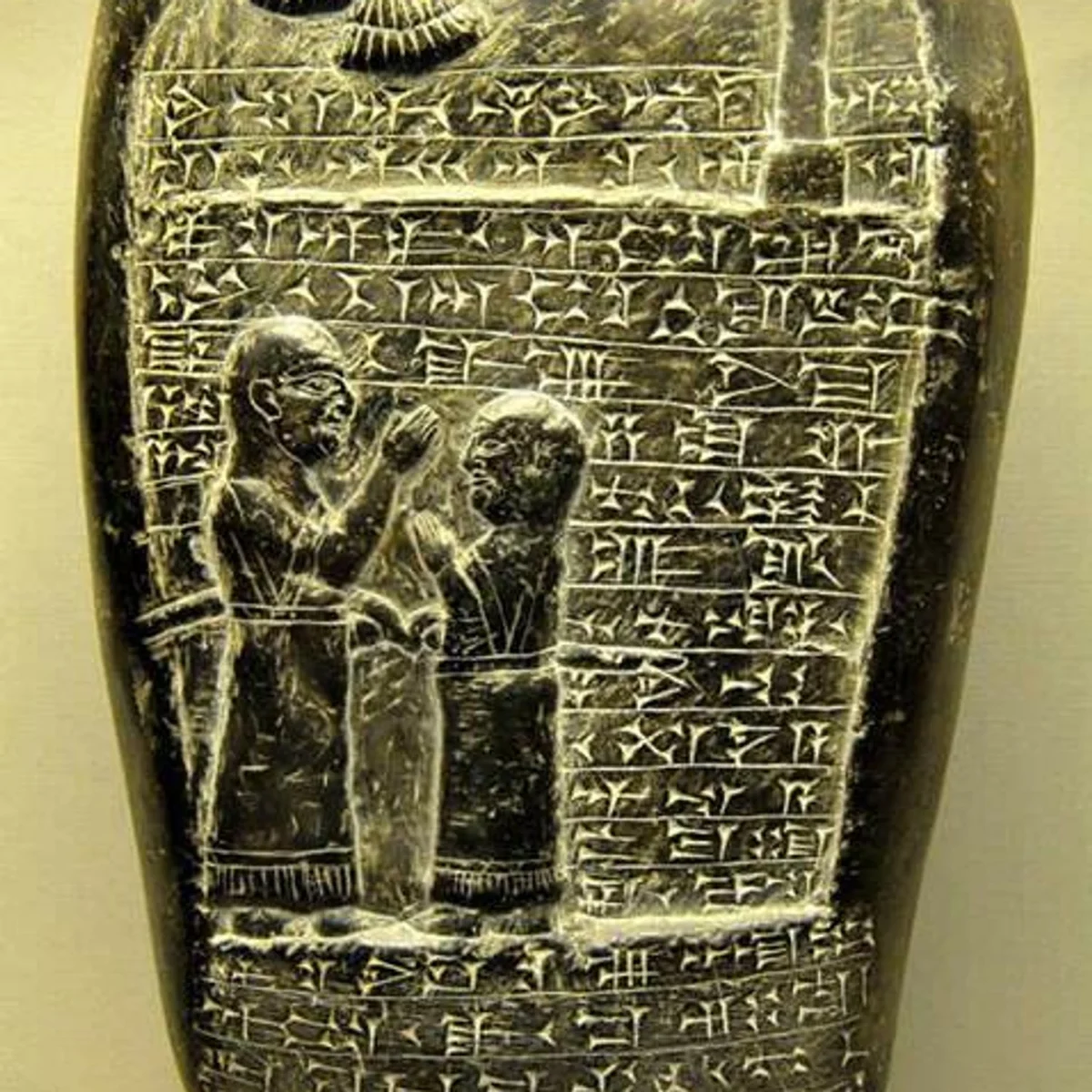
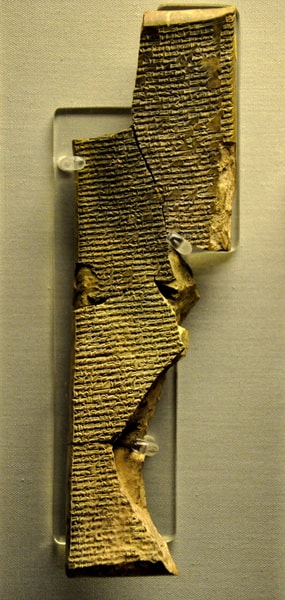
Ashur, Mesopotamia – The discovery of "The Marduk Prophecy," an ancient Assyrian document dating between 713 and 612 BCE, offers a profound window into the intricate tapestry of Mesopotamian politics, religion, and the enduring power of narrative. Unearthed within the venerable city of Ashur, specifically in a structure known as "The House of the Exorcist" adjacent to a temple, this text transcends a mere historical record. It is a meticulously crafted narrative, blending historical events with prophetic foresight, designed to legitimize power and inspire national pride through the fate of a divine icon.
At its core, the prophecy chronicles the tumultuous travels of the revered statue of the Babylonian god Marduk, tracing its involuntary journeys from its sacred home in Babylon to the distant lands of the Hittites, Assyrians, and Elamites. Crucially, it culminates in a potent prophecy: the statue’s triumphant return, orchestrated by a powerful and divinely sanctioned Babylonian king. This narrative device was a sophisticated tool in an era where divine favor was paramount to royal legitimacy and public order.
Main Facts: Unveiling a Propaganda Masterpiece
While found in Assyria, the "Marduk Prophecy" almost certainly originated much earlier, during the reign of the Babylonian king Nebuchadnezzar I (circa 1121-1100 BCE). Scholars widely regard it as a sophisticated piece of political propaganda, meticulously engineered to celebrate Nebuchadnezzar I’s monumental victory over the Elamites, an enduring rival of Babylon. His success in recovering the stolen statue of Marduk was not merely a military triumph; it was a profound act of spiritual and national restoration, a narrative that the "Marduk Prophecy" artfully immortalized.
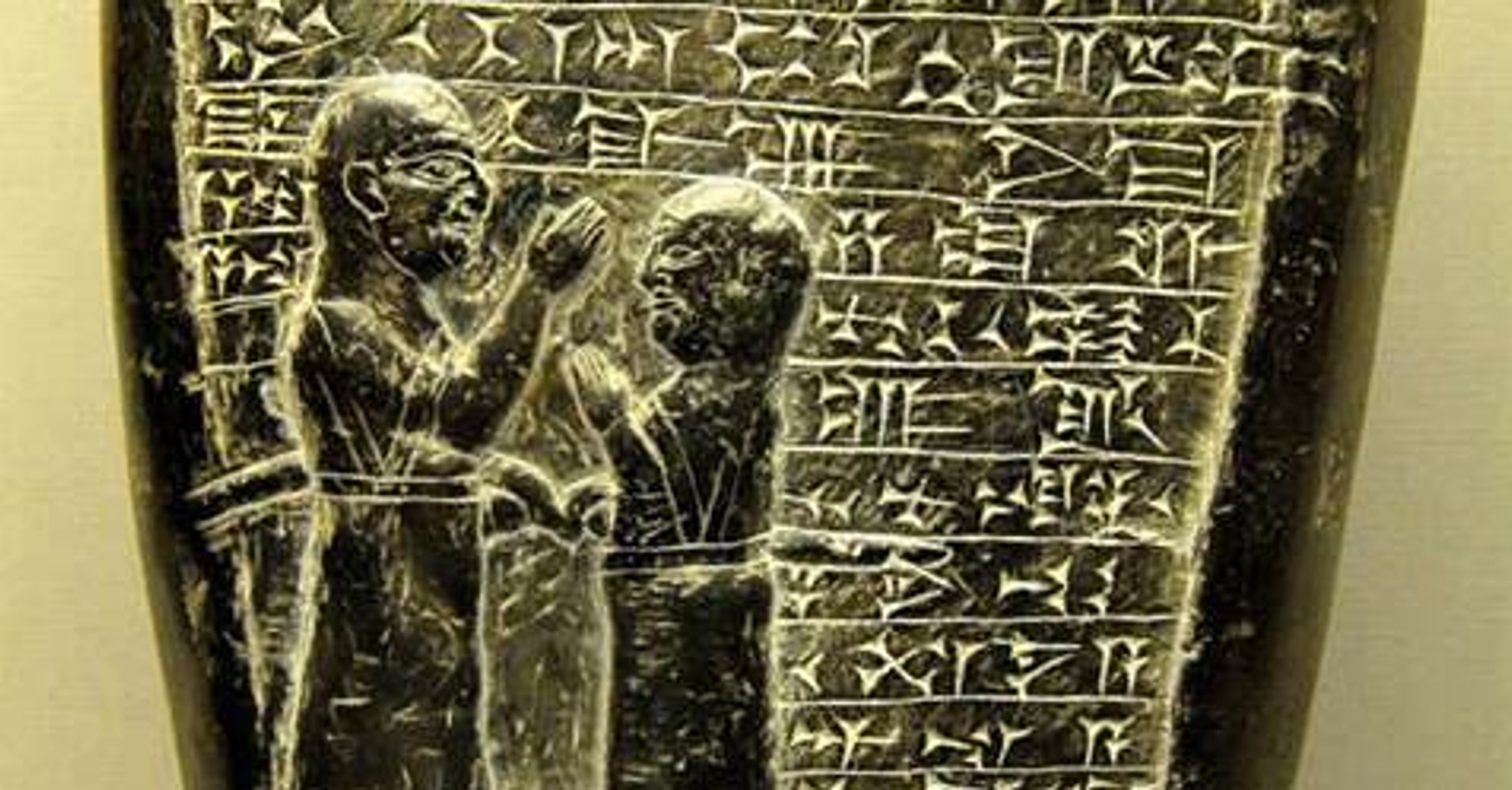
The text skillfully frames past events as prophetic visions, creating a literary device where the contemporary king (Nebuchadnezzar I, at the time of its original composition) is portrayed as the destined restorer of peace, order, and divine favor to Babylon, all symbolized by Marduk’s homecoming. This technique allowed the author to retroactively "predict" a glorious future that had, in fact, already occurred, thereby reinforcing the king’s divine mandate and the stability he brought to the realm. The document also subtly incorporates political commentary, with Marduk’s statue expressing satisfaction with the lands of allies like the Hatti and Assyrians, while conveying distaste for the traditional enemy, Elam, further cementing its role as a politically charged narrative.
Supporting Data: The Art of Mesopotamian Naru Literature and Cultic Significance
The "Marduk Prophecy" is a prime example of a distinct literary genre known as Mesopotamian Naru Literature. This unique form often blended historical events and figures with poetic license, myth, and fictional elements to convey a specific moral, political, or religious message. Unlike modern historical accounts, naru literature prioritized the underlying point or lesson over strict factual accuracy, using narrative as a powerful tool for persuasion and instruction. Authors would often place events in a distant past to imbue them with an aura of timeless wisdom or divine foresight, making the "prophecies" appear to unfold naturally, rather than as retrospective endorsements of current rulers.
A classic parallel can be drawn to "The Curse of Akkad," another prominent piece of naru literature. In that work, King Naram-Sin (reign 2254-2218 BCE), historically celebrated for his piety and military prowess, is paradoxically depicted as impious. This deliberate inversion served to underscore the critical importance of a monarch’s proper relationship with the gods. The narrative’s message was stark: even a king as formidable and revered as Naram-Sin could incur divine wrath through impiety, implying that lesser rulers would face even more severe consequences. Similarly, the "Marduk Prophecy" explores the profound responsibility a monarch bore to his city’s patron deity, framing the return of Marduk as the ultimate testament to a king’s righteousness and divine mandate.
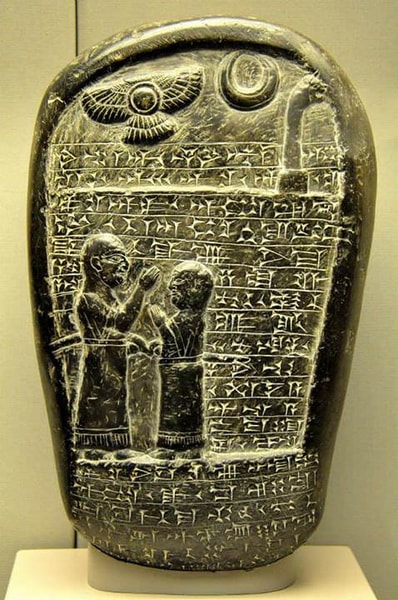
The removal of a god’s cult statue from a conquered city was a common and deeply significant practice in ancient Mesopotamia. It was not merely the theft of an artifact; it was perceived as a catastrophic spiritual blow, symbolizing the defeat and abandonment by the city’s protective deity. The statue was considered the physical embodiment, or at least the primary conduit, of the god’s presence and power. For Babylon, a city whose identity was inextricably linked to Marduk, the loss of his statue was particularly devastating, given both his supreme status in the pantheon and Babylon’s own lofty reputation as a cultural and political center.
Marduk, King of the Gods: The Cosmic Significance
To fully grasp the magnitude of Marduk’s statue and its travels, one must understand the god himself. In Mesopotamian mythology, Marduk was not just any deity; he ascended to become the king of the gods, a position he earned through valor and wisdom. Son of Enki (also known as Ea), the god of wisdom and fresh waters, Marduk’s rise to supremacy is vividly recounted in the Enuma Elish, the Babylonian epic of creation. This epic describes the primordial universe as a chaotic watery expanse, from which the sweet waters (Apsu, the male principle) and the salt waters (Tiamat, the female principle) emerged. From their union, a host of younger gods were born, whose boisterous activities soon vexed their progenitors.
Apsu, counselled by his vizier, resolved to destroy his offspring. However, Tiamat, though initially reluctant, eventually revealed the plot to Enki, who acted swiftly. Enki lulled Apsu into a deep sleep and then slew him, sparking Tiamat’s furious vengeance. She raised a monstrous army, led by her new consort Quingu, and unleashed them upon the younger gods. Tiamat’s forces proved formidable, overwhelming the younger deities in every encounter. Desperate, the gods convened, and it was Marduk who stepped forward, offering to lead them to victory on one condition: they must proclaim him their king and supreme authority. Once agreed, Marduk confronted Tiamat, slaying her with a mighty arrow that split her body in two, and subsequently defeated Quingu.
Having vanquished the forces of chaos, Marduk embarked on the monumental task of creation. He fashioned the heavens and the earth from Tiamat’s remains, ordered the cosmos, and, most importantly for humanity, created human beings. Humans were conceived as co-workers with the gods, tasked with maintaining cosmic order and holding back the ever-present forces of chaos. In this theological framework, all humans were considered Marduk’s children, bound to his will and purpose. His story resonated so deeply that his worship bordered on monotheism in its intensity, though it never fully denied the existence of other deities, as scholar Jeremy Black observes: "The worship of Marduk in its most extreme form has been compared with monotheism though it never led to a denial of the existence of other gods." (129). This made Marduk critically important not just to Mesopotamia as a whole, but preeminently to Babylon, his sacred city.
Marduk’s Enduring Importance to Babylon
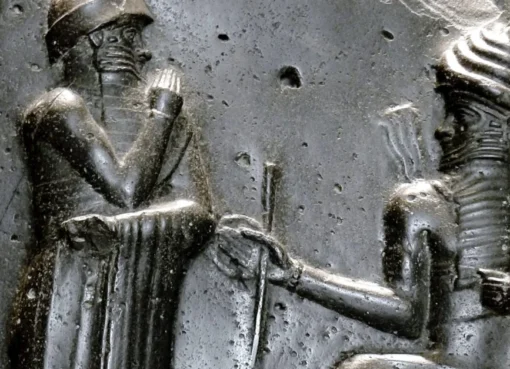
Marduk’s prominence as Babylon’s patron deity solidified during the illustrious reign of Hammurabi (1792-1750 BCE), whose famous law code also elevated Marduk’s stature. His veneration persisted for centuries, even through periods of foreign domination, until Babylon’s


Leave a Comment