The Digital-Analog Hybrid: A Comprehensive Analysis of the Vidabay Snap E-Ink Ecosystem
The domestic refrigerator has long served as a curated gallery of personal history—a vertical landscape of wedding invitations, ultrasound photos, and sun-bleached instant prints held in place by souvenir magnets. However, a new player in the "smart home" decor space, the Vidabay Snap, is attempting to modernize this tradition by replacing static chemical prints with dynamic, low-power E-ink technology.
The Vidabay Snap is a miniature, magnetic E-ink display designed to mimic the iconic aesthetic of a Polaroid instant film print. While it captures the nostalgia of 20th-century photography, it operates on a fundamentally different technological foundation, utilizing Near Field Communication (NFC) and electrophoretic ink to create a reusable, battery-free digital frame.
Main Facts: Defining the Vidabay Snap
At its core, the Vidabay Snap is a digital-analog hybrid. It measures approximately the size of a standard instant film sheet but replaces the light-sensitive emulsion with a digital paper display.
Key Product Specifications:
- Display Technology: Electrophoretic (E-ink/E-paper) display.
- Connectivity: NFC (Near Field Communication) for both data transfer and power induction.
- Power Source: Passive (No internal battery; powered by the smartphone during the image transfer process).
- Mounting: Integrated magnetic backing for attachment to metallic surfaces.
- Compatibility: Optimized for iOS (iPhone); limited compatibility with NFC-enabled Android devices.
- Pricing: Currently retailing at $29.99 for a single unit (discounted from $35.99) or $86.99 for a three-pack.
Unlike traditional digital photo frames, such as those produced by Aura or Pix-Star, the Vidabay Snap does not require a constant power outlet or Wi-Fi connection. It is designed to be a "set and forget" device—once an image is "burned" onto the E-ink screen, it remains there indefinitely without consuming energy until the user chooses to overwrite it with a new file.

Chronology: From Unboxing to Long-Term Utility
The lifecycle of a Vidabay Snap user experience typically begins with the hardware selection. The devices are available in four primary frame colors: white, black, yellow, and red. For many users, the first month of ownership serves as a trial period for the product’s core promise: the ability to change one’s physical decor as easily as one changes a phone wallpaper.
The Initial Setup
Upon receiving the device, users must download the proprietary Vidabay app. The onboarding process involves pairing the Snap with the smartphone via NFC. For iPhone users, this is generally a seamless "tap-to-pair" experience. However, for the Android ecosystem, the chronology is often marked by technical hurdles.
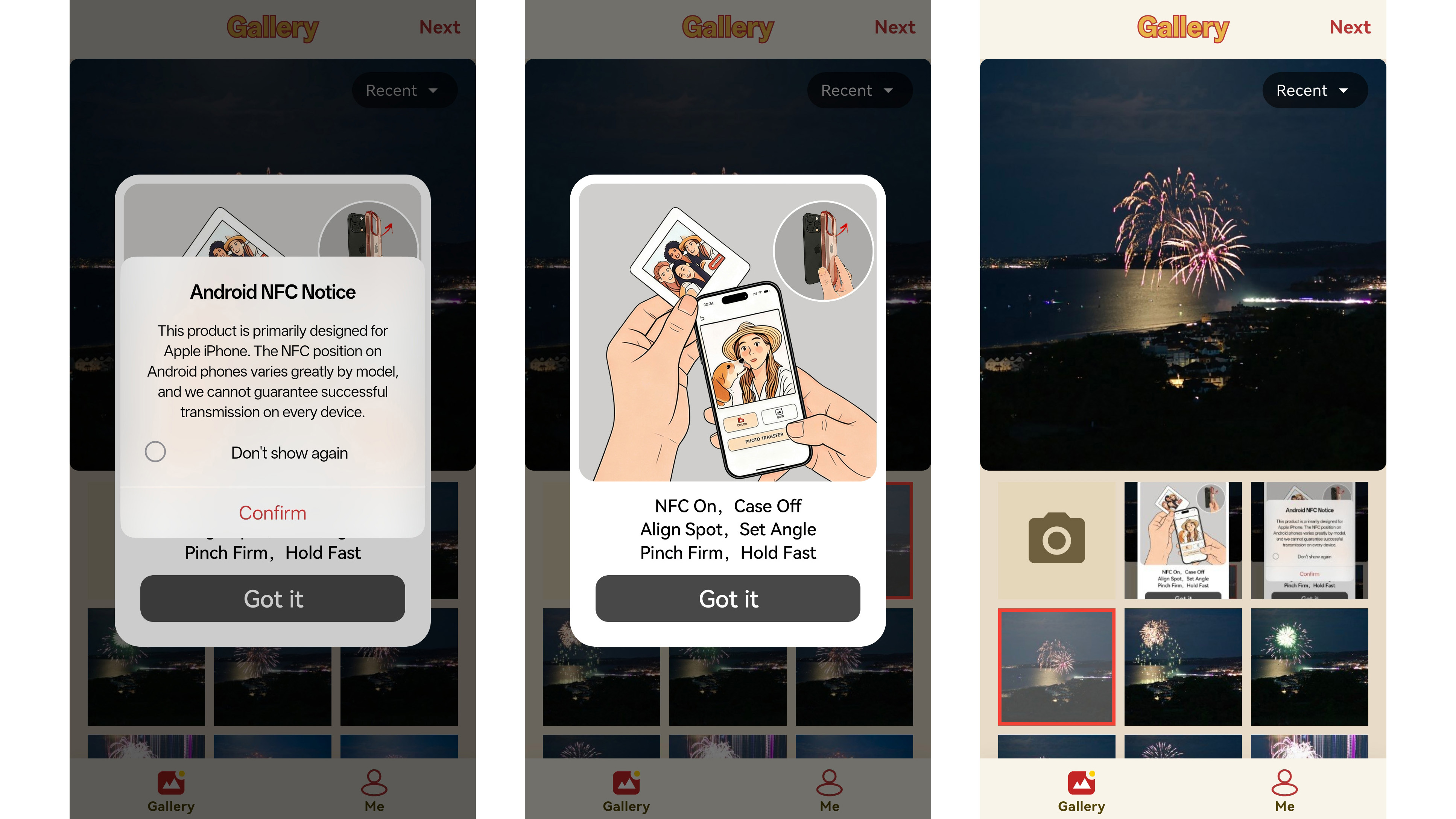
In field testing using high-end Android hardware, such as the Oppo Find X9 Ultra, the initial connection phase can be arduous. Reports indicate that it can take upwards of 15 attempts to successfully establish a handshake between the phone’s NFC chip and the Snap’s receiver. This is largely due to the varying placement of NFC coils in Android devices compared to the standardized placement in Apple’s iPhone lineup.
The Upload Process
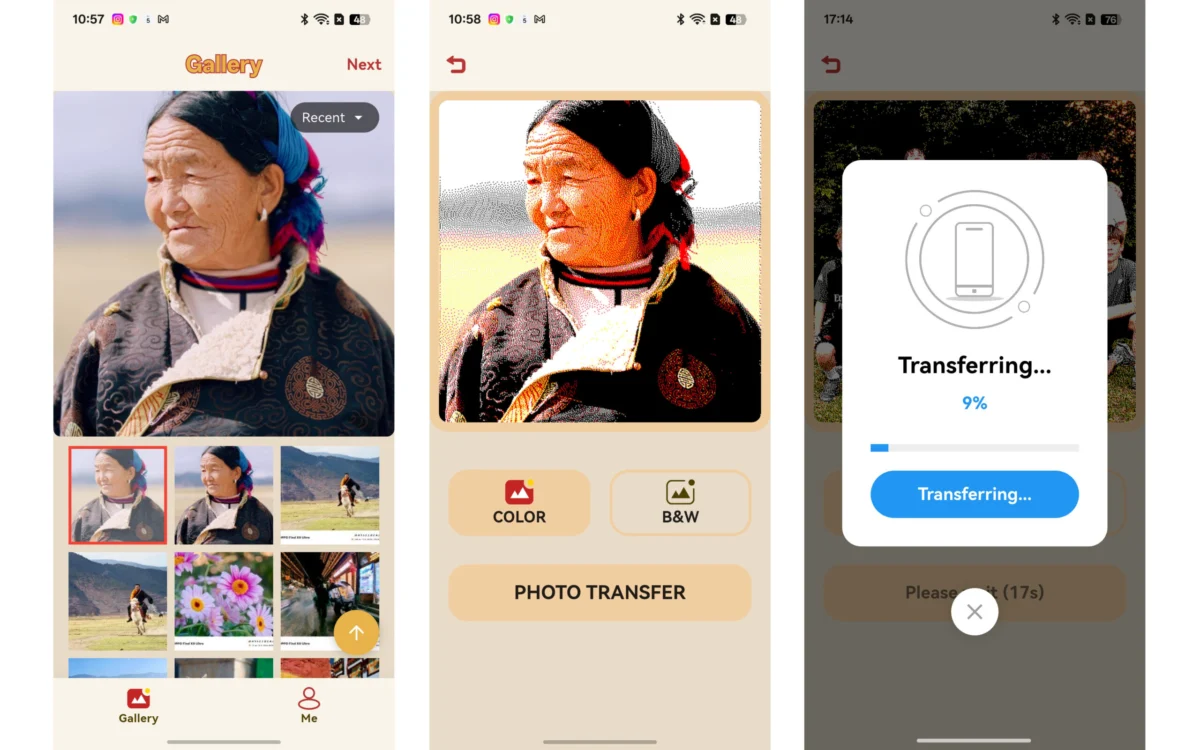
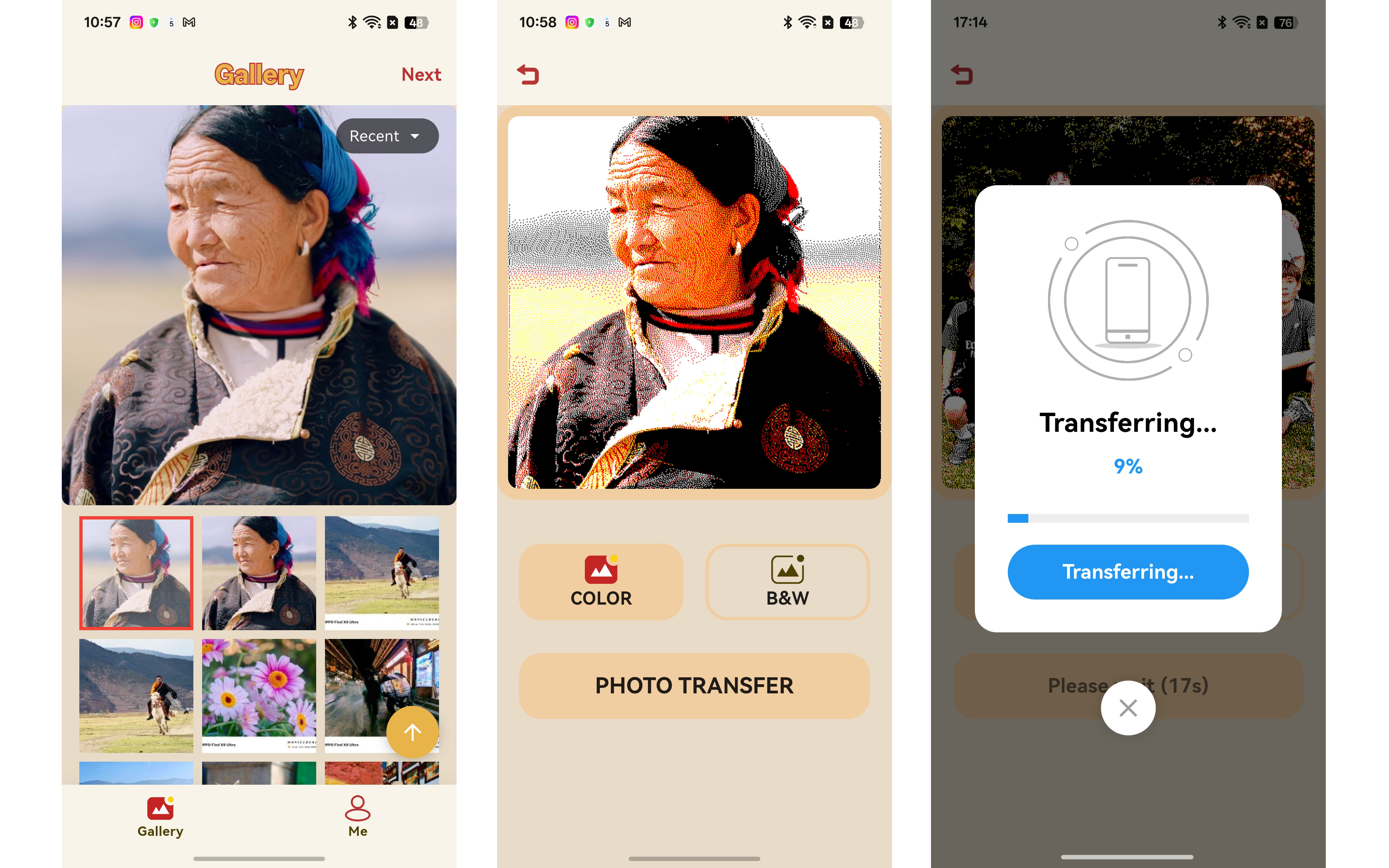
Once paired, the user selects an image from their gallery. The app converts the high-resolution, full-color digital file into a format compatible with the Snap’s limited E-ink palette. The actual transfer takes approximately 30 seconds, during which the phone must be held in physical contact with the frame. During this window, the E-ink display flickers—a characteristic of the technology as the microcapsules of pigment are rearranged by an electric field—before settling into the final image.

Long-Term Integration
After the first month of use, the Vidabay Snap typically finds its permanent home on a refrigerator or a magnetic whiteboard. While the novelty of changing the image daily may fade, the device’s value shifts toward its role as a permanent, yet updateable, piece of sentimental furniture.
Supporting Data: Technical Performance and Limitations
To understand the Vidabay Snap’s place in the market, one must analyze the data regarding its visual output and economic viability.
The Color Gamut Deficit
The most significant technical limitation of the current Vidabay Snap generation is its color reproduction. E-ink technology has historically struggled with vibrant colors, and the Snap is no exception. Most notably, the device is currently incapable of displaying the color blue.
In testing, images containing clear blue skies, oceans, or blue clothing (such as soccer jerseys) are rendered in a muddy, monochromatic grey or black. This "missing spectrum" significantly limits the types of photography that translate well to the device. Portraits and high-contrast black-and-white shots perform best, while landscapes and vibrant action shots often lose their impact.

Economic Comparison: Digital vs. Analog
When evaluating the $29.99 price point, it is helpful to compare the Snap to traditional instant film costs:
- Fujifilm Instax Mini: ~$0.80 to $1.00 per print.
- Polaroid I-Type: ~$2.00 to $2.50 per print.
- Vidabay Snap: $29.99 (one-time cost).
The "break-even" point for a Vidabay Snap occurs after approximately 15 to 30 image changes. For users who enjoy rotating their photos frequently, the Snap is significantly more cost-effective than film. However, for those who want a permanent, high-quality physical memento, the superior color and "magic" of a chemical Polaroid print remain unmatched.
Power Efficiency
Because E-ink is bi-stable—meaning it only requires power to change state, not to maintain it—the Vidabay Snap has an effectively infinite battery life. This makes it a "green" alternative to traditional electronics that require frequent charging or disposable batteries.
Official Responses and Software Infrastructure
The developer of the Snap, Vidabay, has acknowledged the friction points currently facing their user base, particularly those outside the Apple ecosystem.
Addressing the Android Divide
Vidabay’s official documentation explicitly states that the product is "optimized for iPhone." In response to criticisms regarding the "fiddly" nature of Android NFC connections, the company has announced that a Bluetooth dock is currently in development. This peripheral is intended to act as a bridge, allowing users to sync images via Bluetooth to the dock, which will then handle the transfer to the Snap. This move is seen as an admission that NFC-only transfers are a barrier to entry for a significant portion of the smartphone market.
The App Ecosystem
The Vidabay app currently serves as a functional, if rudimentary, gateway. Official feedback from the user community has highlighted several areas for improvement:
- Cropping Tools: The app lacks robust tools for recomposing images within the square frame, forcing users to edit photos in third-party apps before importing them.
- Device Management: Currently, the app does not allow users to rename individual Snaps. For power users who own multiple frames, they all appear with identical names in the device list, leading to confusion during the upload process.
Vidabay has indicated that software updates are ongoing, though no specific timeline for a "Version 2.0" of the app has been publicly released.
Implications: The Future of "Slow Tech" and Digital Decor
The emergence of products like the Vidabay Snap points to a larger trend in consumer electronics: the rise of "Slow Tech." As consumers become overwhelmed by high-refresh-rate OLED screens and constant notifications, there is a growing appetite for low-fidelity, passive devices that provide aesthetic value without demanding attention.
The Nostalgia Market
The Snap capitalizes on the "Retro-Tech" movement. By mimicking the Polaroid format, Vidabay is tapping into a multi-generational affection for physical photography. The implication is that we still value the "object-ness" of a photo, even if we no longer want to deal with the chemistry or the cost of traditional film.
Smart Home Integration
As the "Internet of Things" (IoT) matures, we are likely to see E-ink integrated into more household surfaces. The Vidabay Snap represents an early, accessible version of this future. Imagine a kitchen where every cabinet door is an E-ink surface, capable of displaying recipes, family schedules, or rotating art galleries without ever needing to be plugged in.
The Verdict for Consumers
For the "sentimental" iPhone user, the Vidabay Snap is a high-recommendation gift item. It bridges the gap between the 10,000 photos sitting dormant in a cloud library and the physical reality of a living space. However, for Android users and photography purists who demand color accuracy, the product remains a "wait-and-see" proposition.
The success of the upcoming Bluetooth dock and potential improvements to the E-ink color filter array will determine whether the Vidabay Snap remains a niche novelty or becomes a staple of the modern, connected home. For now, it remains a charming, albeit flawed, tribute to the staying power of the printed memory.