
The Return of the Jedi’s Successors: A Comprehensive Analysis of ‘The Mandalorian and Grogu’
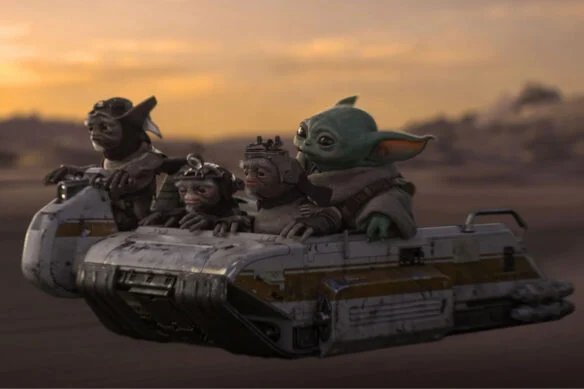
The cinematic landscape of the Star Wars galaxy has undergone a seismic shift with the theatrical release of The Mandalorian and Grogu. Marking the franchise’s return to the silver screen for the first time since 2019’s The Rise of Skywalker, the film represents a high-stakes gamble for Lucasfilm and its parent company, Disney. Directed by Jon Favreau and co-written with Dave Filoni and Noah Kloor, the 132-minute space opera attempts to bridge the gap between the intimate, serialized storytelling of streaming television and the grand spectacle of traditional cinema.
As the film enters its second week of global release, it has sparked a polarized discourse among critics and long-term enthusiasts. While some celebrate the technical mastery and nostalgic "callbacks," others question whether the film does enough to advance a franchise that has occasionally felt tethered to its own past.
Main Facts: Production and Cast Overview
The Mandalorian and Grogu serves as a direct continuation of the narrative threads established in the Disney+ series The Mandalorian. However, the production scale has been significantly elevated to meet the demands of a worldwide theatrical audience.
Key Production Details:
- Director: Jon Favreau
- Writers: Jon Favreau, Dave Filoni, Noah Kloor
- Runtime: 132 minutes
- Rating: PG-13
- Score: Ludwig Göransson
- Bechdel Test Status: Pass
The Ensemble Cast:
The film features a blend of returning favorites and cinematic icons. Pedro Pascal reprises his role as Din Djarin (The Mandalorian), though the physical performance continues to be a collaborative effort involving stunt doubles Brenden Wayne and Lateef Crowder.
In a move that surprised industry insiders, the film features legendary director Martin Scorsese in a rare acting cameo as Hugo Durant, an Ardennian shopkeeper and reluctant informant. The cast is rounded out by Sigourney Weaver as Colonel Ward of the Adelphi Rangers, Jonny Coyne as the villainous Janu Coin, and Jeremy Allen White, who provides the voice for Rotta, the son of the late Jabba the Hutt.

Chronology: From the Small Screen to the Silver Screen
The journey of The Mandalorian and Grogu to theaters is a story of shifting corporate strategies and the enduring popularity of its titular characters.
1. The Post-2019 Hiatus (2019–2023)
Following the divisive reception of the Sequel Trilogy’s conclusion, Lucasfilm pivoted its focus toward Disney+. The Mandalorian, debuting in 2019, became a cultural phenomenon, revitalizing interest in the "Mando-verse"—a period set roughly five years after Return of the Jedi. For five years, the theatrical slate remained empty as the studio focused on series like Ahsoka, Andor, and The Book of Boba Fett.
2. The Strategic Pivot (2023–2024)
Reports initially suggested that Jon Favreau had completed scripts for a fourth season of the television series. However, the "braintrust" at Lucasfilm, led by President Kathleen Kennedy and Chief Creative Officer Dave Filoni, decided to condense and elevate these narrative beats into a feature film. The goal was to reclaim the "May release window," a tradition dating back to the original 1977 debut of Star Wars.
3. The May 22nd Premiere
The film opened worldwide on May 22nd, strategically positioned to capture the Memorial Day weekend audience. This release date was a conscious effort to evoke the nostalgia of the original trilogy’s release schedule, aiming to remind audiences that Star Wars is, first and foremost, a cinematic experience.
Supporting Data: Narrative Arc and Technical Execution
The plot of The Mandalorian and Grogu centers on the evolving role of the New Republic in the Outer Rim. Din Djarin and his adopted son, Din Grogu, are no longer mere independent bounty hunters; they are operating as contractors for the fledgling galactic government.
The Mission and the Betrayal
The story is set in motion when the duo is tasked by Colonel Ward (Sigourney Weaver) to track down Janu Coin, a high-ranking Imperial remnant officer. The pursuit leads to an uneasy alliance with the twin children of Jabba the Hutt. In a "deep cut" for fans of the animated Clone Wars series, the twins demand the rescue of their older brother, Rotta (the "Puna"), in exchange for intelligence on Coin’s whereabouts.

The narrative takes a dark turn on the planet Shakari. Expecting a rescue mission, Mando and Grogu discover that Rotta has no desire to return to the Hutt clan. Instead, he has reinvented himself as a celebrated gladiator within a local crime syndicate’s arena. The subsequent betrayal by Rotta leaves the protagonists trapped between Imperial remnants and a criminal underworld, raising the stakes beyond the "mission-of-the-week" format of the television series.
Technical Merit
Critics have been nearly unanimous in their praise for Ludwig Göransson’s score. The Academy Award-winning composer has expanded the "Western-inspired" motifs of the series into a full orchestral sweep that complements the film’s larger scale.
Furthermore, the film’s visual effects—managed by Industrial Light & Magic—utilize an evolved version of "The Volume" (StageCraft technology) alongside traditional location shooting. This hybrid approach aims to address criticisms regarding the "claustrophobic" feel of recent television seasons.
Official Responses and Critical Reception
The reception of The Mandalorian and Grogu has highlighted a generational and philosophical divide within the Star Wars fandom.
The "Purist" Critique
Many veteran critics and older fans have expressed disappointment regarding the film’s narrative scope. Common complaints include:
- Pacing Issues: Some reviewers felt the 132-minute runtime was padded with action sequences that did not serve the character development.
- Lack of Universe Expansion: Critics argued that the film relies too heavily on "canon callbacks" rather than introducing new, transformative concepts to the lore.
- The PG-13 Rating: While the rating was likely a marketing move to signal "seriousness," some argue it creates a tonal mismatch with the film’s more whimsical elements.
The "Pro-Entertainment" Perspective
Conversely, many industry analysts and creators, including Favreau and Filoni, have defended the film’s focus. The overarching sentiment from the production team is that Star Wars remains a franchise built for the next generation.

Chris M. Barkley, a veteran observer of the genre, noted that the "critical wrath" of older fans often ignores the intended audience. "Kids from the ages of 5 to 10… are going to LOVE this movie," Barkley stated. He emphasized that younger viewers are unburdened by "past canon, story structure, or plot armor," focusing instead on the resourcefulness of Grogu and the visual spectacle of characters like Sigourney Weaver’s Colonel Ward piloting an X-Wing.
Implications: The Future of the Mando-verse
The success or failure of The Mandalorian and Grogu carries significant implications for the future of the franchise.
1. The Viability of the "TV-to-Film" Pipeline
If the film achieves its projected box office targets, it will validate Lucasfilm’s strategy of using Disney+ as a testing ground for cinematic characters. This could lead to similar transitions for characters from Ahsoka or The Acolyte, effectively turning the streaming platform into a "minor league" for theatrical blockbusters.
2. The Generational Shift
The film’s emphasis on "fun" and "resourcefulness" over "epic world-building" suggests a conscious move to recapture the demographic that George Lucas originally targeted. By prioritizing the experience of children over the demands of the "nattering adults," Favreau and Filoni are betting on the long-term sustainability of the brand. As Barkley observed, the fascination with characters like the bounty hunter Embo mirrors the Boba Fett obsession of the 1980s, ensuring that a new generation has its own icons to fixate on.
3. The "Theatrical Experience" Mandate
Ultimately, The Mandalorian and Grogu serves as a litmus test for whether audiences still view Star Wars as a "must-see" theatrical event. In an era where streaming has become the default for many, the sight of a Mandalorian starfighter jumping into hyperspace on a widescreen with Dolby Sound remains a potent draw.
As the film continues its theatrical run, the industry will be watching closely. Whether it is viewed as a shallow retread or a triumphant return to form, The Mandalorian and Grogu has undeniably reignited the conversation about what Star Wars should be in the 21st century. For the children in the audience, the answer is simple: it is an adventure. For the adults, the advice from seasoned critics is equally simple: "Just chill out and let the kids enjoy themselves."

Leave a Comment