
The Paradox of Aging: Cultivating Lifelong Growth Amidst the Golden Years
The human journey from youth to old age is a profound and complex tapestry, woven with threads of both physical change and the evolution of consciousness. While the body inevitably succumbs to the passage of time, the mind possesses a remarkable capacity for continued growth and engagement. This article delves into the multifaceted experience of aging, exploring the challenges of maintaining a vibrant inner life, the risks of psychological withdrawal, and the enduring power of a curious and active mind to foster a sense of lifelong "growing up" rather than merely "growing old." We will examine expert insights, anecdotal evidence, and philosophical perspectives to illuminate a path towards a more fulfilling and engaged later life.
The Dual Nature of Perception in Later Life
Growing up and growing old represent two of the most significant and transformative phases of human existence. These experiences are intrinsically linked to our consciousness, shaping how we perceive and interact with the world. At the heart of this duality lie two fundamental abilities: objective perception and subjective experience.
Objective perception, facilitated by our five senses, allows us to apprehend the tangible reality surrounding us. It is the grounding mechanism that enables us to navigate the daily landscape, to see, hear, touch, taste, and smell the world as it unfolds. This sensory input forms the raw material of our understanding, providing a factual basis for our interactions.
Complementing this external awareness is subjective experience, the realm of the mind and brain. This is where perceived happenings are imbued with meaning through the intricate interplay of thoughts, feelings, and evaluations. It is this inner landscape that colors our reality, transforming mere events into significant moments, shaping our values, and ultimately defining our sense of self.
As individuals age, a fascinating divergence can occur. While many strive to maintain, and even sharpen, their objective perceptual abilities – keeping their senses attuned to the external world through various activities – a contrasting trend often emerges in their subjective experience. A tendency towards psychological withdrawal can take root, a disengagement from the ever-evolving nature and values of contemporary life.
The Siren Song of the Past: A Retreat from the Present
This psychological withdrawal often manifests as a retreat into the past. For many aging individuals, the familiar structures of their minds, built over decades, offer a comforting sanctuary. Revisiting established memories, replaying cherished experiences, and adhering to long-held beliefs can feel easier and, in some cases, more meaningful than confronting the dynamic and often challenging shifts occurring in the present.
The very act of re-thinking and re-feeling, of adapting established mindsets to accommodate new perspectives and evolving societal norms, can be met with resistance. This can lead to irritation, a sense of discomfort or even anger at the perceived imposition of change. The mental landscape, once a familiar and well-trodden territory, can become a battleground where the desire for the predictable clashes with the inevitability of the new.
This reluctance to engage with novel mental attitudes and the subsequent diminishing of consciousness can have profound, albeit often unconscious, consequences. Nature, in its intricate design, suggests that a withdrawal from new challenges and the curtailment of an expanding consciousness in old age can, paradoxically, weaken the very will to live. The drive to engage, to participate, and to find new meaning can ebb when the mind closes itself off from the ongoing processes of life.
The Timeless Wisdom: Keeping the Body and Mind in Motion
An old adage, "Keep the Body in motion, and the Mind in action," encapsulates a timeless truth about maintaining vitality throughout life. This pithy saying is not merely a suggestion for physical health; it is a prescription for sustained psychological growth, for continuing to "grow up" rather than passively "growing old."
This principle was brought into sharp relief during a recent conversation in a local coffee house. An elderly gentleman, perhaps in his mid-seventies, expressed a profound sense of resignation. He stated that he had ceased to contemplate his daily existence, finding little point in dwelling on past events. "I am 75 years of age, an old man," he declared, his voice tinged with a weary finality. He admitted to having few opinions, viewing his current stage of life as simply "coasting to the end."
In such moments, the futility of argument or even earnest discussion becomes palpable. There is a quiet dignity in his acceptance, but also a subtle sadness in the surrender of intellectual curiosity and engagement. His perspective offered a stark contrast to the idea that consciousness, regardless of age, possesses an inherent drive to question, to explore, and to seek understanding – the persistent "Why and wherefore, to what end?"
The Active Mind as an Engine of Perpetual Growth
This intrinsic quest for meaning, when nurtured, can become a powerful engine for continued psychological development. From personal experience, an active engagement with life, as long as physical capabilities permit, appears to intensify this mental exploration. The body, urged towards activity, becomes a partner to the mind’s burgeoning curiosity.
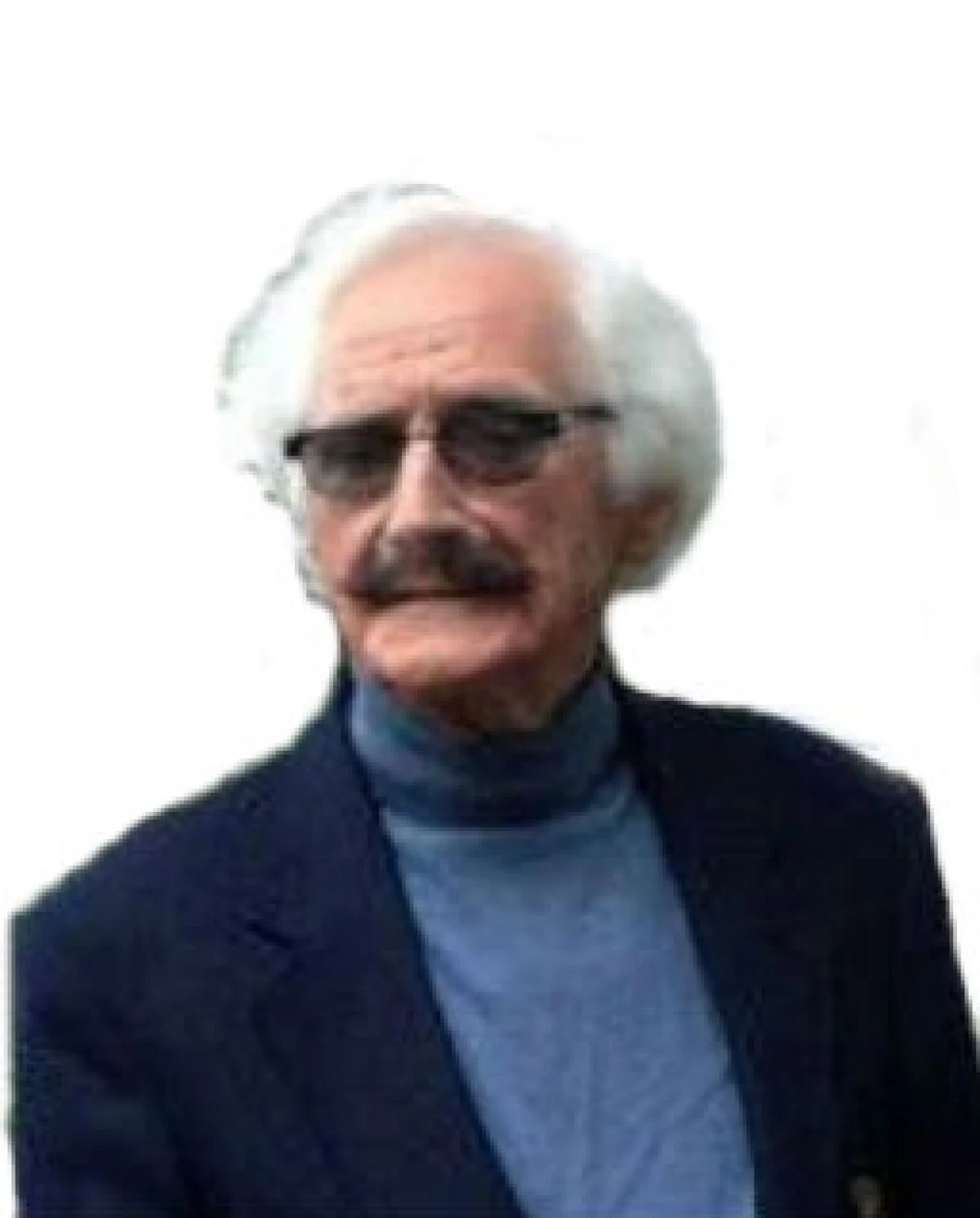
The author, having recently celebrated their 94th birthday and consciously choosing to remain active and avoid a sedentary lifestyle, attests to this phenomenon. The quest for understanding, the relentless asking of questions about existence, becomes more profound and more frequent with advancing years. This is not a burden, but a vibrant testament to a mind that refuses to stagnate.
Reflecting on earlier decades, the questions posed by life were indeed less frequent and less intense. This suggests a natural progression, where the intensity of our existential inquiries may evolve, but the underlying need to understand and connect remains a constant. The result of this sustained mental and physical engagement is a continuous process of "psychologically growing up," a testament to the mind’s enduring plasticity and capacity for evolution.
Philosophical Perspectives: Navigating the Nuances of Aging
The complex interplay of aging and consciousness has been a subject of contemplation for philosophers throughout history, offering diverse perspectives that resonate with contemporary understanding.
Plato, writing approximately 2,500 years ago, offered a vision of old age characterized by a profound sense of "calm and freedom." He posited that as the "passions" of youth and middle age relax their hold, individuals escape from the tyranny of numerous masters, finding liberation in a more settled state of being. This perspective emphasizes the potential for peace and detachment that can accompany advanced age, a release from the consuming desires that often drive younger lives.
In stark contrast, Oscar Wilde, a literary figure from a much later era, penned a sentiment that highlights a different facet of the aging experience: "The tragedy of old age is not that one is old, but that one is young." Wilde’s poignant observation speaks to a potential disconnect, a feeling of being mentally vibrant and alive while the body or societal perception lags behind. It suggests that the tragedy lies not in the physical reality of age, but in the internal disconnect that can arise when one’s inner self feels at odds with the external markers of aging.
These two seemingly disparate quotes, separated by millennia, capture the inherent paradox of aging. Plato speaks to the potential for a serene liberation, while Wilde points to the potential for internal dissonance. Both, however, implicitly acknowledge the subjective experience of the aging individual and the profound impact of their internal state on their perception of their later years.
Supporting Data and Emerging Trends
While anecdotal evidence and philosophical musings offer valuable insights, a growing body of scientific research is beginning to illuminate the mechanisms behind successful aging and the importance of cognitive engagement.
Cognitive Reserve: This concept, pioneered by researchers like Yaakov Stern, suggests that individuals who engage in mentally stimulating activities throughout their lives build a "cognitive reserve." This reserve acts as a buffer against age-related cognitive decline, allowing the brain to function more effectively even in the presence of neuropathological changes. Activities that promote cognitive reserve include learning new skills, engaging in complex problem-solving, and maintaining social connections.
Neuroplasticity: Contrary to earlier beliefs, the adult brain remains remarkably plastic, meaning it can reorganize itself by forming new neural connections throughout life. This neuroplasticity is stimulated by novel experiences and challenges. When older adults engage in mentally demanding tasks, they are actively promoting the formation of new neural pathways, thereby enhancing cognitive function and resilience.
The Importance of Social Engagement: Beyond cognitive stimulation, robust social networks have been consistently linked to better mental and physical health in later life. Social interaction provides opportunities for cognitive engagement, emotional support, and a sense of belonging, all of which contribute to a more fulfilling and longer life. Loneliness and social isolation, conversely, are significant risk factors for depression, cognitive decline, and increased mortality.
The "Use It or Lose It" Principle: This widely accepted principle in gerontology underscores the critical role of activity in maintaining physical and cognitive function. When physical and mental capacities are consistently utilized, they tend to remain stronger. Conversely, disuse leads to atrophy and decline. This applies to everything from muscle strength and cardiovascular health to memory and problem-solving abilities.
Official Responses and Public Health Initiatives
Recognizing the growing demographic of older adults and the importance of promoting healthy aging, governments and public health organizations worldwide are increasingly focusing on initiatives that support active and engaged later lives.
Public Health Campaigns: Many national health agencies have launched campaigns aimed at raising awareness about the benefits of physical activity, healthy eating, and cognitive engagement for older adults. These campaigns often provide practical tips, resources, and encouragement for individuals to adopt healthier lifestyles.
Community Programs: Local governments and non-profit organizations often provide a range of community programs tailored to older adults. These can include exercise classes, educational workshops, volunteer opportunities, and social clubs, all designed to foster engagement and combat isolation.
Age-Friendly Cities Initiatives: The World Health Organization’s "Age-Friendly Cities" framework encourages urban planning and policy development that supports older adults. This includes creating accessible public spaces, improving transportation options, and promoting social inclusion, all of which contribute to a more supportive environment for active aging.
Research Funding: Governments are investing in research to better understand the aging process, identify effective interventions for age-related diseases, and develop strategies to promote cognitive health and well-being in later life. This research is crucial for informing public policy and developing evidence-based programs.
Implications for Individuals and Society
The implications of fostering lifelong growth in aging are far-reaching, impacting not only the individuals experiencing it but also society as a whole.
Individual Well-being: For individuals, embracing the opportunity to continue "growing up" translates to enhanced quality of life. It means maintaining a sense of purpose, curiosity, and engagement, leading to greater resilience in the face of challenges and a more profound sense of fulfillment. It shifts the narrative from one of decline to one of continued evolution and contribution.
Societal Benefits: An aging population that remains actively engaged contributes significantly to society. This can manifest through continued participation in the workforce (where feasible), volunteering, mentorship, and the sharing of valuable life experiences and wisdom. Active, engaged older adults can be powerful agents of positive change and vital contributors to their communities.
Economic Impact: Healthy and active aging can also have positive economic implications. Older adults who remain engaged may require less healthcare support, and their continued contributions to the economy through consumption, taxation, and volunteer work can be substantial.
Challenging Ageism: By emphasizing the potential for continued growth and vitality in later life, we can actively challenge ageist stereotypes that often portray older adults as passive, dependent, or less capable. This shift in perception is crucial for creating a more inclusive and equitable society for all ages.
The journey from youth to old age is not a unidirectional descent into decline. It is a dynamic process that, with conscious effort and the right support, can be a period of profound growth, discovery, and continued contribution. By understanding the interplay of perception and consciousness, by embracing the wisdom of active engagement, and by fostering supportive environments, we can empower individuals to navigate their later years not merely as a time of passive aging, but as an ongoing chapter of vibrant, lifelong "growing up." The mind, like the body, thrives on stimulation and purpose, and the golden years, far from being an end, can be a rich tapestry of continued learning, evolving understanding, and enduring engagement with the world.

Leave a Comment