
"Until Death": Mary Berman’s Debut Novel Explores the Dark Side of Wedding Planning and Family Bonds
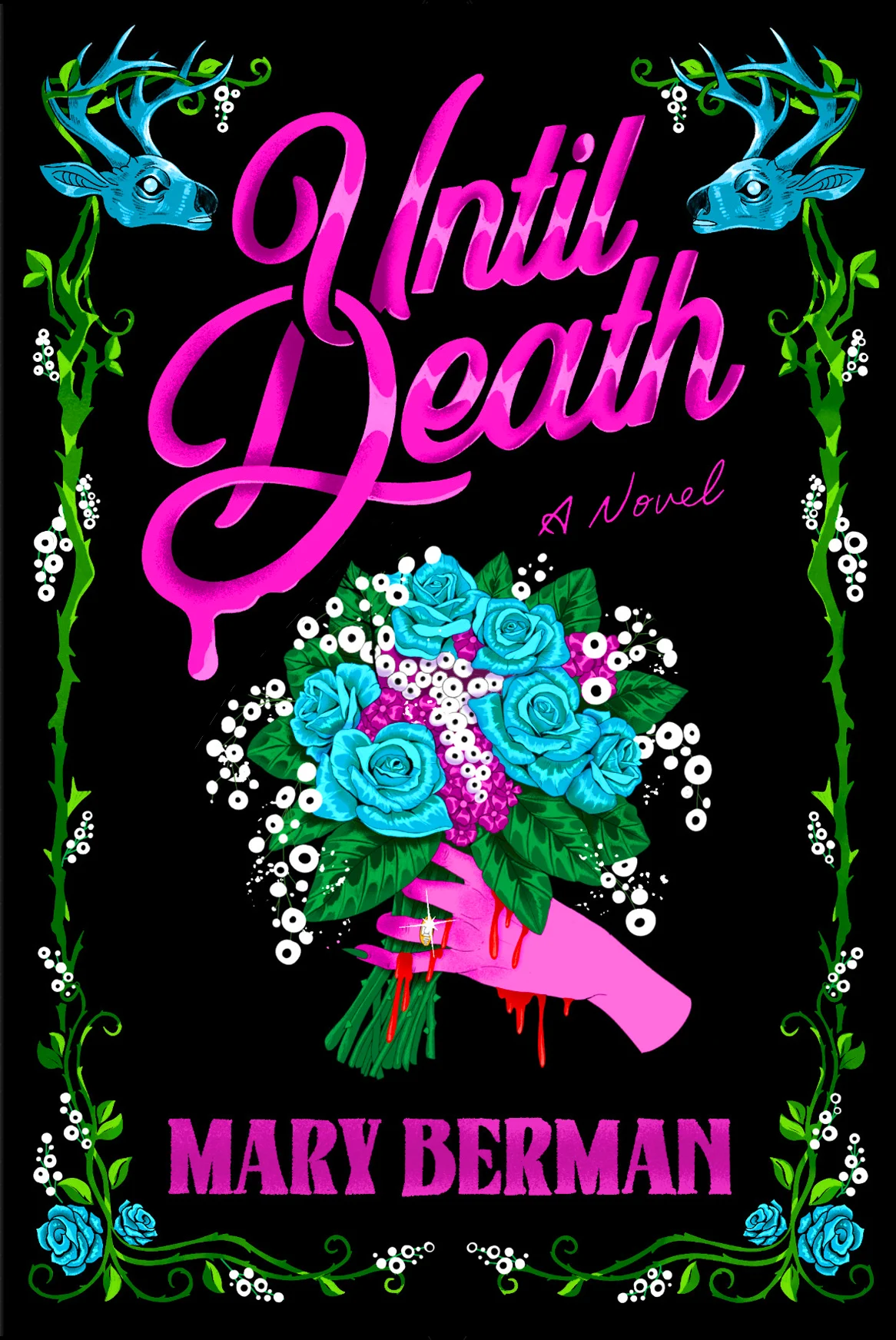
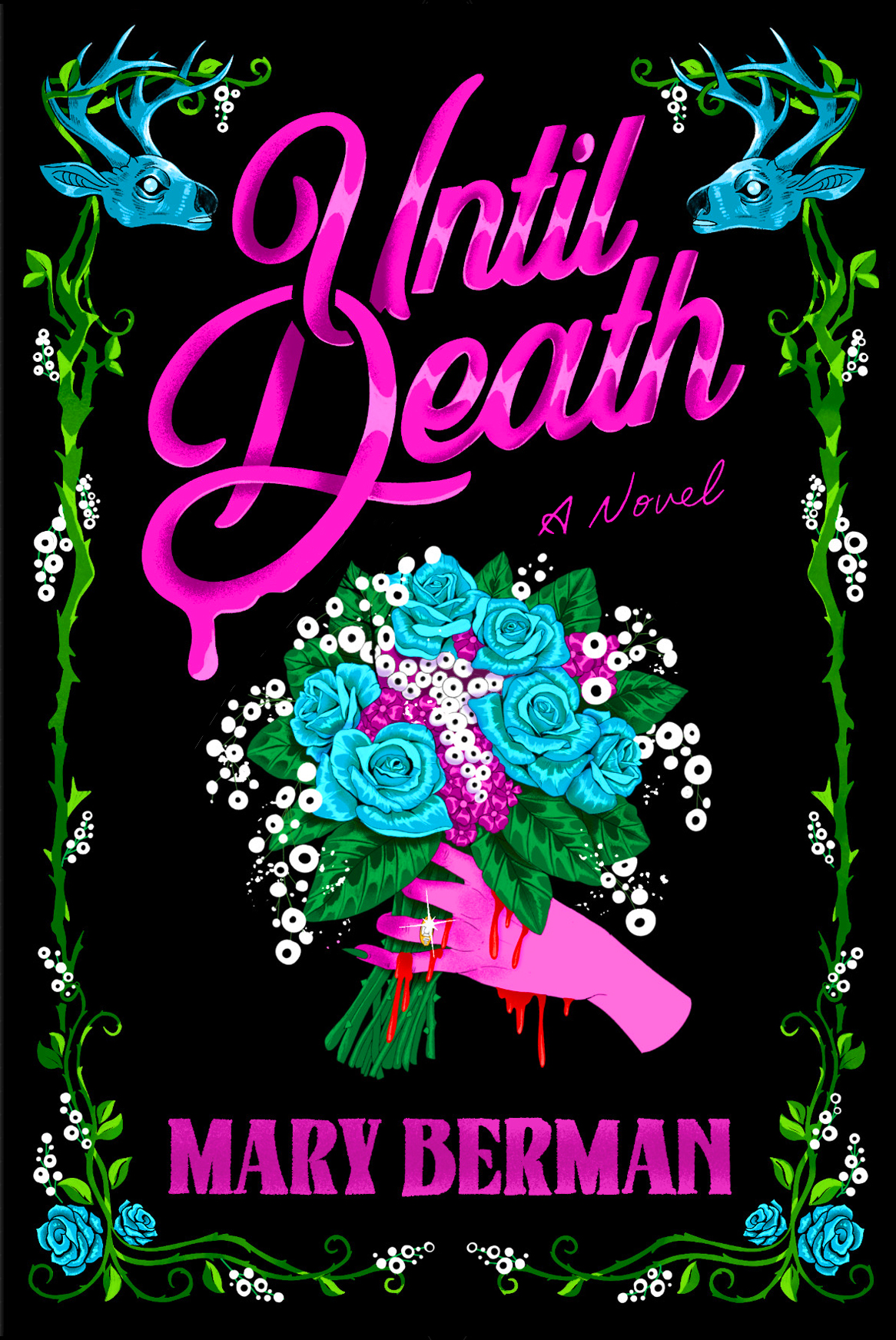
Philadelphia, PA – May 21, 2026 – Author Mary Berman’s debut novel, Until Death, is poised to disrupt the literary landscape with its darkly comedic and chilling exploration of the wedding industrial complex, intertwined with a poignant mother-daughter narrative. Set against the backdrop of a seemingly idyllic Pennsylvania vineyard, the novel plunges readers into a whirlwind of obsessive wedding planning, unsettling family dynamics, and escalating horror. Berman, a Philadelphia-based writer with an MFA from the University of Mississippi, draws upon personal observations and extensive research to craft a story that is both wickedly funny and deeply unsettling.
The novel centers on Ophelia Cohen, a young woman deeply influenced by her parents’ aversion to marriage. However, her conviction is challenged by the encroaching reality of her widowed mother’s dementia, which forces Ophelia to confront the prospect of dying alone. This stark realization propels her towards an unexpected engagement with Luke, a man who seems to be the embodiment of her mother’s dreams. Yet, as Ophelia dives headfirst into the labyrinthine world of wedding forums and Pinterest boards, she discovers that no amount of digital organization can prepare her for the escalating nightmare that her own wedding becomes.
Berman’s narrative masterfully weaves together themes of familial obligation, the societal pressures surrounding marriage, and the profound emotional toll of caring for a loved one with dementia. Until Death is not just a wedding story; it’s a sharp satire that uses the often-absurd rituals and expectations of matrimony as a lens to examine deeper human anxieties and the enduring strength of familial love.
The Genesis of a Darkly Comic Thriller
Mary Berman, a seasoned writer whose short works have graced publications like Cicada and Fireside, describes Until Death as a deeply personal project. The novel’s premise, while steeped in the macabre, is rooted in relatable anxieties. The initial spark for the story, Berman reveals, came from a complex interplay of personal experiences and keen observation.
"If Ophelia Cohen learned one thing from her parents, it’s that getting married is a bad idea," Berman explains, setting the stage for her protagonist’s initial reservations. "But if she’s learning anything from her widowed mother’s dementia, it’s that dying alone is worse." This central conflict, the tension between learned skepticism and the primal fear of isolation, forms the emotional core of the novel.
The decision to place the wedding in a vineyard setting was not arbitrary. Berman’s research into Pennsylvania’s wine country, spurred by an unlikely source – the spotted lanternfly – led her to discover the region’s charm and potential for a visually striking, yet subtly menacing, backdrop. "Pennsylvania has some great wine country!" Berman exclaims, highlighting the unexpected allure of the setting. She notes that Lancaster County, often known for its Amish heritage and theme parks, boasts a surprisingly robust wine scene with numerous wineries, providing a fertile ground for the unfolding drama.
Unpacking the Five Pillars of Wedding Woes and Familial Wisdom
Berman articulates five key lessons that emerged during the writing of Until Death, offering a glimpse into the thematic underpinnings of her debut novel. These insights serve not only as a roadmap for understanding the story’s complexities but also as a commentary on the broader societal constructs it dissects.
1. The Illusion of Spreadsheet Salvation in Wedding Planning
The first lesson, and perhaps the most resonant for anyone who has ever planned a wedding, is the stark realization that meticulous organization cannot conquer the inherent chaos of the event. Berman admits to not having planned a wedding herself when she began writing the novel, relying heavily on online communities like Wedding Reddit for her research.
"Fun fact: I had not yet planned a wedding when I wrote this book. I wasn’t even engaged," Berman shares. "So, for research, I relied heavily on that bastion of first-person accounts, Wedding Reddit." This reliance on anecdotal evidence highlighted a crucial point: the true horrors of wedding planning lie not in budget management or logistical coordination, but in the interpersonal dynamics and the often-unforeseen conflicts that arise.
"Before Wedding Reddit, I would have assumed that the worst parts of wedding planning were the organization and the expense," Berman elaborates. "Still, I would have guessed that with budgeting and organization – a spreadsheet, maybe a three-ring binder or two – you could circumvent that problem and come out relatively unscathed." However, the overwhelming consensus from firsthand accounts, and the experiences of her protagonist Ophelia, painted a different picture. "Nay, nay. As I discovered through hundreds of firsthand accounts – and as my protagonist, Ophelia, discovers, through myriad run-ins with her terrible in-laws – the horrific parts of wedding planning aren’t the parts that can be solved with a spreadsheet. Hell Is Other People." This sentiment, succinctly summarized as "Hell Is Other People," underscores the novel’s focus on the human element, or rather, the often-destructive interpersonal friction that defines the wedding planning experience.
2. The Multifaceted Nature of Dementia Beyond Memory Loss
A significant emotional pillar of Until Death is Ophelia’s role as a caregiver to her mother, who is living with dementia. Berman’s exploration of this illness is informed by her own family’s experiences and a profound societal observation.
"My protagonist’s mother has dementia, and her protagonist becomes her full-time caretaker. (This is still a fun book, I promise!)" Berman quips, acknowledging the dark humor that permeates the novel despite its serious subject matter. She reflects on her own youth, witnessing her grandmother’s struggle with the illness. "For a long time, I didn’t even realize it was an illness. I thought that dementia and aging were synonymous. I didn’t realize there was a way to get old without losing your body and your mind."
This initial misconception highlights a common societal blind spot. Berman emphasizes that dementia extends far beyond mere memory lapses. "I didn’t recognize all the other symptoms: wandering (oh, so that’s why Nanny tried to walk to her sister-in-law’s house at two o’clock in the morning!), aggression… agitation, sundowning, mood shifts. It’s all really quite devastating." The author expresses dismay at the lack of robust societal support systems for dementia care, stating, "Considering how many of us, God willing, grow old and need to either provide or accept some type of dementia care, I’m shocked that as a society, we don’t have better care systems in place." This observation adds a layer of social commentary to the novel, urging readers to consider the profound challenges faced by individuals and families grappling with dementia.
3. The Unforeseen Charms of Pennsylvania’s Wine Country
The setting of the novel, a vineyard in Pennsylvania, is more than just a picturesque backdrop; it’s a carefully chosen element that adds a unique flavor to the narrative. Berman’s initial awareness of Pennsylvania’s wine country was sparked by an unlikely source: the invasive spotted lanternfly.
"The spotted lanternfly is an insect indigenous to China and Vietnam. I assume it’s harmless over there, but here, it’s very invasive," Berman explains. She recounts how public awareness campaigns highlighted the insect’s threat to Pennsylvania’s wine regions, inadvertently introducing her to the existence and potential of this locale. "And, a few years ago, when we finally managed, for once in our sorry lives, to march in lockstep as a society to stamp those buggers out, part of the messaging was that we had to kill the spotted lanternflies because otherwise they would threaten Pennsylvania wine country… which implied the existence of Pennsylvania wine country."
Her subsequent research revealed a vibrant and appealing wine region, contradicting its more commonly known associations. "So I knew we had it, technically. But I didn’t know it was so nice! I spent a long time researching Lancaster wineries for this book, and by my count, there are at least seven wineries within or around Lancaster County, an area otherwise mostly famed for its Amish quilts and Dutch Wonderland." This discovery allowed Berman to imbue the setting with a sense of place and charm, which, in the context of the novel’s darker themes, creates a compelling juxtaposition.
4. A Pantheon of Saints for Troubled Relationships
Berman’s Catholic upbringing heavily influenced the novel’s setting and thematic resonance. The decision to make the wedding a Catholic one, complete with a haunted chapel on the vineyard grounds, was a deliberate choice to imbue the story with a sense of tradition and perhaps, spiritual unease.
"This book is very Catholic," Berman states plainly. "I grew up Catholic myself, and I knew that if I was going to do a good job on a book about a wedding, the wedding in question would be a Catholic one." This religious framework provided fertile ground for exploring themes of sin, sacrifice, and redemption, often through unexpected avenues.
During her research into Catholic traditions and iconography, Berman discovered a surprising number of patron saints associated with difficult relationships, particularly those involving difficult in-laws or unsupportive spouses. "Saint Godelieve, patron saint of those with abusive in-laws! Saint Helena, patron saint of abandoned wives! Saint Wilgefortis, patron saint of women who wish to be liberated from their terrible husbands!" she exclaims, detailing these often-obscure figures. While some of these saints’ stories were ultimately excised from the final draft, their influence on the novel’s thematic exploration of enduring hardship and seeking solace in faith is undeniable. The sheer existence of these specialized saints, Berman suggests, speaks to the enduring human experience of navigating fraught relationships.
5. The Enduring Power of Unconditional Family Love
Perhaps the most deeply personal and universally relatable lesson Berman shares is the realization that familial love, despite artistic portrayals, remains a steadfast anchor. Until Death features a protagonist who navigates a challenging relationship with her mother, leading Berman to initially fear the repercussions of writing such a narrative.
"This is a novel about a woman with some similar biographical details to mine, who is having a very, very difficult time with her mother," Berman confesses. She candidly admits to inserting real-life details of her family into the novel, a technique she employs to lend authenticity to her fictional world. "Unfortunately, I don’t know of a better way to make the made-up stuff feel real than to hang it on real details. I think of myself kind of like a magician sawing a woman in half: the woman is real, the box is real, but obviously no one’s been cut in half."
This creative process, however, bred a palpable anxiety. "I was terrified that my mother – or, if not her, then somebody; my father, my partner, some random cousin, somebody – would read this book and think I had slandered my whole family in a public forum. That by writing and publishing this novel, I would destroy the relationships that meant the most to me."
The eventual realization that this fear was unfounded is a testament to the resilience of familial bonds. "Obviously that has not happened. I made that fear up," Berman states with a sense of relief. She notes that this fear is common among writers, yet often proves to be an illusion. "The people who love us love us. Love is not conditional. And actually, now that I’m looking back – I think that’s a lesson Ophelia learns, too." This concluding insight offers a hopeful counterpoint to the novel’s darker elements, suggesting that even amidst the chaos and perceived betrayals, the foundation of love remains.
A Debut of Distinction
Mary Berman’s Until Death is poised to make a significant impact on the literary scene. Her background, including an MFA in creative writing and a BA in writing seminars, coupled with a history of published short fiction, signals a writer with a strong command of her craft. The novel’s unique blend of dark humor, horror, and heartfelt exploration of family dynamics promises to resonate with a wide readership.
As Until Death becomes available, readers can anticipate a journey into the unsettling heart of wedding traditions, the complexities of familial love, and the often-unseen struggles that lie beneath the surface of seemingly perfect events. Berman’s debut is not just a story; it’s a sharp, witty, and ultimately moving commentary on the human condition, wrapped in the dazzling, and sometimes terrifying, guise of a wedding.
About Mary Berman:
Mary Berman is a Philadelphia-based writer. She earned her MFA in creative writing from the University of Mississippi and holds a BA in writing seminars from Johns Hopkins University. Her short works have appeared in notable publications such as Cicada, PseudoPod, and Fireside. Until Death marks her highly anticipated debut novel.
Connect with Mary Berman:
- Website: https://mtgberman.com/
- Newsletter: https://mtgberman.substack.com/
Purchase Until Death:
- Bookshop.org: https://bookshop.org/a/6810/9780316597173
- Amazon: https://amzn.to/4ulby2L
- Barnes & Noble: https://www.barnesandnoble.com/w/until-death-mary-berman/1148171333
- Kobo: https://www.kobo.com/us/en/ebook/until-death-31
- Mary’s Local Indie Bookstore (Head House Books): https://www.headhousebooks.com/book/9780316597173



Leave a Comment