
Spider-Noir: From Obscure Comic to Streaming Sensation, A Gritty Triumph for Sony and the Noir Genre
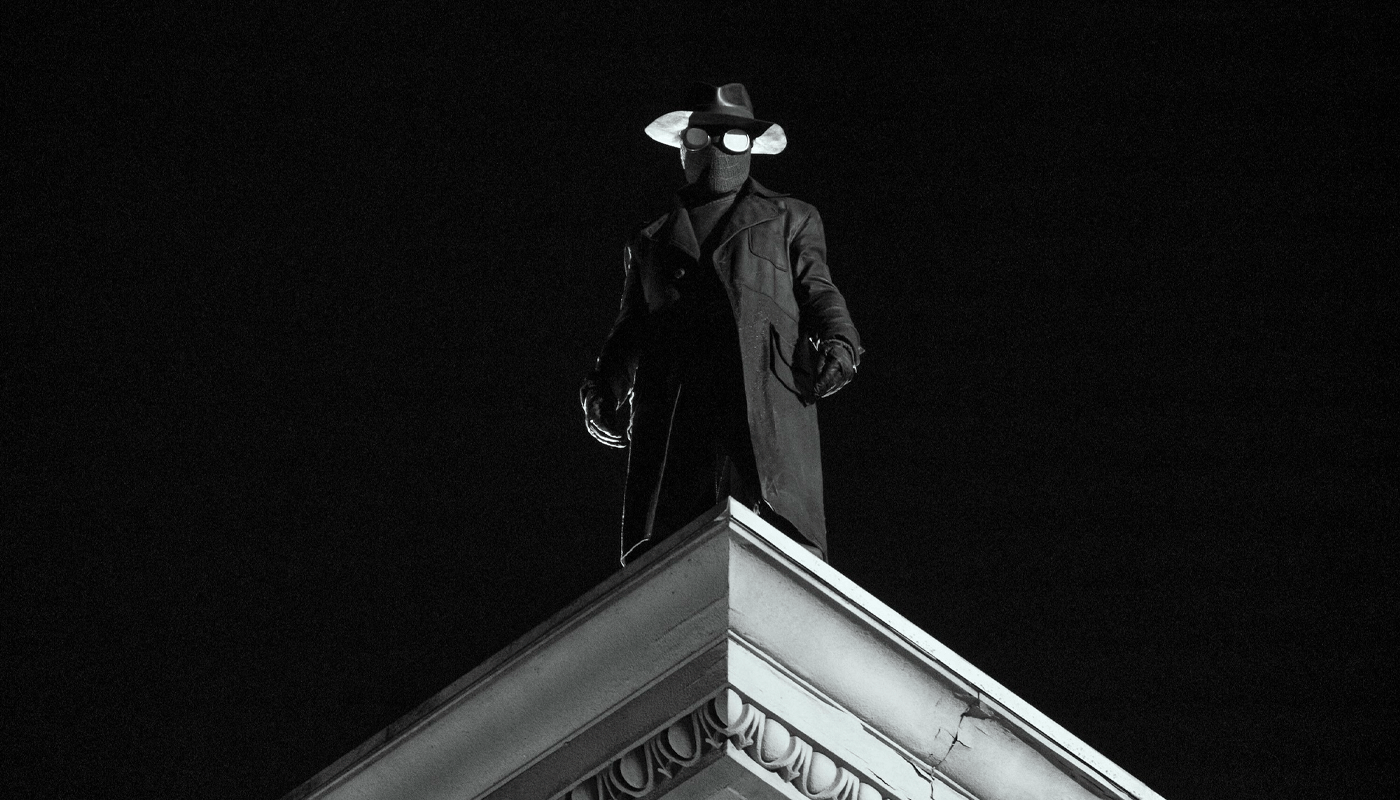
NEW YORK, NY – In a landscape saturated with interconnected superhero narratives, the recent debut of Spider-Noir on Amazon Prime, with a preview on MGM+, stands as a remarkable anomaly and an undeniable triumph. The eight-episode season, starring Nicolas Cage, has not only captivated audiences but has also become a critical darling, offering a masterclass in genre homage while delivering a compelling superhero story. What began as a tangential comic book experiment has blossomed into Sony’s most resounding live-action Spider-adjacent success to date, defying expectations and proving the enduring appeal of a darker, grittier take on the iconic web-slinger.
Main Facts: The Unforeseen Rise of a Pulp Icon
Spider-Noir, a character that was never intended to ascend to mainstream prominence, has emerged as a breakout star. His journey from a niche comic book variant to the protagonist of his own critically acclaimed television series is a testament to the power of inspired creative choices and, notably, the indelible vocal performance of Nicolas Cage in the animated film Spider-Man: Into the Spider-Verse. This gritty, Depression-era incarnation of Spider-Man, a stark departure from his mainline counterpart, resonated deeply with audiences, sparking a renewed interest that ultimately paved the way for this live-action adaptation. The series is lauded for its expert blend of classic film noir aesthetics and a compelling superhero narrative, carving out a unique space within the expansive Spider-verse.
Chronology: A Fortuitous Path to Primetime
The trajectory of Spider-Noir’s rise is a fascinating study in unexpected virality and the butterfly effect of popular culture.
The Genesis: Marvel’s "Noir" Line (2009-2010)
The character first emerged as part of Marvel Comics’ ambitious "Noir" imprint, a series of limited series published between 2009 and 2010. This initiative reimagined several of Marvel’s most beloved characters—including the X-Men, Daredevil, Iron Man, Luke Cage, and the Punisher—within the grim, shadowy confines of a 1930s Depression-era setting. Spider-Man Noir, featuring a young Peter Parker imbued with arachnid powers and a detective’s trench coat, was a standout. While critically appreciated for its stylistic choices and mature storytelling, the "Noir" line was initially conceived as a finite experiment, concluding its run without immediate plans for continuation. It seemed destined to remain a beloved, albeit obscure, corner of Marvel lore.
The Multiverse Catalyst: "Spider-Verse" and "Spider-Geddon" (2014-2018)
However, fate had other plans. In 2014, Marvel Comics launched the monumental "Spider-Verse" event, a sprawling crossover that brought together virtually every alternate version of Spider-Man from across the multiverse. This event served as a crucial platform for Spider-Noir, introducing him to a wider readership alongside established variants like Miles Morales, Spider-Ham, and Spider-Man 2099, as well as new fan-favorites like Spider-Gwen. His unique aesthetic and stoic demeanor quickly garnered attention. Four years later, the sequel event, "Spider-Geddon," saw many alternate Spideys facing deadly threats, with Spider-Noir among those tragically culled from the ranks. His apparent demise, however, would prove to be but a temporary setback.
The Cinematic Breakthrough: Into the Spider-Verse (2018)
The true inflection point arrived in 2018 with the release of Sony Pictures Animation’s critically acclaimed film, Spider-Man: Into the Spider-Verse. It was here that Nicolas Cage lent his distinct, gravelly voice to the animated Spider-Noir, bringing the character to vibrant, albeit monochromatic, life. Portrayed as a perpetually black-and-white figure captivated by the vivid colors of a Rubik’s Cube, Cage’s performance imbued the character with a memorable blend of dramatic gravitas and darkly comedic eccentricity. His anachronistic presence and deadpan delivery, particularly his observations on modern technology, instantly made him a fan favorite and a standout amongst an already stellar ensemble. This cinematic exposure dramatically elevated Spider-Noir’s profile, generating an unprecedented surge of interest in the character.
Comic Resurrection and Television Adaptation (Post-2018)
The overwhelming positive reception to Cage’s Spider-Noir led to an almost immediate resurrection of the character in the comics, with a new miniseries launched in 2020, followed by another in 2025, further solidifying his place in the pantheon of popular Spider-variants. The groundswell of affection proved strong enough to greenlight a standalone live-action television series. Nicolas Cage, known for his long-held aversion to television projects, made a notable exception for Spider-Noir, openly stating his profound love for the character as the driving force behind his return. The series, an eight-episode season, was subsequently released in its entirety on Amazon Prime after an exclusive preview period on MGM+.

Supporting Data: A Deep Dive into the Series’ Success
The Spider-Noir series is a meticulously crafted homage that manages to both celebrate and enrich its source material and genre influences.
Visuals: A Choice of Eras
One of the series’ most intriguing features is the option for viewers to experience it in either black and white or vibrant color. While many purists naturally gravitated towards the monochromatic option, aligning with traditional film noir aesthetics and the character’s cinematic portrayal, the creative decision to offer a color version proved inspired. As the showrunners aptly demonstrated, the New York City of the early 1930s existed in full color, and the dark, grainy appearance of many films from that era was a byproduct of technological limitations and age-related degradation, not an inherent lack of vibrancy in the world itself. The color version of Spider-Noir is visually stunning, presenting a rich, dynamic palette that brings the era to life with impressive detail and depth, making the choice a genuine artistic dilemma rather than a simple stylistic preference.
Sony’s Shifting Fortunes in the Spider-Verse
The critical and commercial success of Spider-Noir marks a significant turning point for Sony’s live-action "Spider-adjacent" ventures. The studio’s recent track record has been, to put it mildly, inconsistent. While the Venom films, particularly the first two, achieved moderate box office success, their critical reception remained lukewarm, often cited for their uneven tone and narrative shortcomings. The studio’s other attempts to expand its universe, such as Morbius, Madame Web, and Kraven the Hunter, were met with widespread critical derision and significant financial underperformance, branded by many as unmitigated disasters. These projects often suffered from a perceived lack of creative vision, convoluted plotting, and an inability to connect with audiences. In this context, Spider-Noir‘s confident execution and overwhelmingly positive reception represent a much-needed vindication for Sony, finally hitting "paydirt" with a live-action property that resonates authentically.
A Love Letter to Film Noir with a Superhero Twist
At its heart, Spider-Noir is a meticulously crafted love letter to the classic film noir genre. The series embraces and expertly reinterprets its core tropes: the cynical private investigator, his long-suffering secretary, the loyal best friend, the alluring and dangerous femme fatale, pervasive corruption, ruthless mob bosses, complex love triangles, the ever-present haze of cigarette smoke, and the grim reality of drinking away one’s troubles. The narrative is steeped in the hardboiled traditions of the era, replete with fisticuffs, gunplay, and morally ambiguous choices. However, it masterfully integrates the superhero element, with webbing and enhanced abilities seamlessly woven into the gritty tapestry, elevating it beyond mere pastiche into a genuinely compelling superhero story. More specifically, it proves to be a remarkably effective Spider-Man story, capturing the essence of the character’s heroic struggle against overwhelming odds, even in a radically different setting.
Character Reinventions and Nicolas Cage’s Captivating Performance
Unlike the original Spider-Man Noir comics, which often drew direct parallels to mainline Spider-Man characters, the series opts for a more thematic connection. The protagonist is not Peter Parker but Ben Reilly, a choice made partly to reflect the character’s more mature age and provide a fresh narrative canvas. He operates under the moniker "The Spider," a deliberate homage to the pre-Marvel pulp character of the same name from the 1930s, a rival to The Shadow and an acknowledged influence on Spider-Man’s creation. Reilly’s costume, too, subtly nods to this original pulp hero.
Nicolas Cage’s portrayal of Ben Reilly is nothing short of magnetic. The series smartly incorporates Cage’s unique acting style by establishing Reilly as an older, weary veteran of the Great War, who has hung up his heroic mantle for five years following the tragic death of his beloved Ruby (a thematic stand-in for Gwen Stacy). His powers stem from bizarre German genetic experiments during WWI, where he was bitten by a soldier undergoing a spider-human transformation. This origin provides a brilliant narrative justification for Cage’s signature "batshit" (or perhaps "spidershit") acting. Reilly must constantly fight his arachnid impulses, leading him to base his human demeanor on classic film icons like James Cagney and Humphrey Bogart. This internal struggle manifests in subtle, yet captivating, weird gestures and facial tics, allowing Cage to deliver a performance that is both authentically noir and uniquely his own, providing depth to the character’s eccentricities.
The supporting cast is equally compelling. Brendan Gleeson delivers a bravura performance as Silvermane, the archetypal crime boss whose menacing presence evokes the likes of Sidney Greenstreet. His character, while based on a Marvel villain, is reinvented as a formidable Irish mobster whose bootlegging empire forms the backbone of New York’s criminal underworld. His super-powered enforcers, all former POWs from the same German experiments, include Lonnie Lincoln (Abraham Popoola) with super-strength, Dirk Leyden (Andrew Lewis Caldwell) harnessing electricity, and Flint Marko (Jack Huston) as the sand-shifting Sandman.

The femme fatale, Cat Hardy (Li Jun Li), provides an impressively steely performance as a lounge singer entangled with Silvermane and caught in a complex love triangle with Marko and Reilly. Her intelligence, particularly her astute deduction of Reilly’s secret identity based on his unique "spidery" body language, is a refreshing take on the trope.
Unflinching Social Commentary
Beyond its genre thrills, Spider-Noir distinguishes itself by unflinchingly confronting the harsh realities of the 1930s, aspects often sanitized or ignored in classic noir films. The series powerfully addresses systemic racism through the character of Joe "Robbie" Robertson (Lamorne Morris), a talented Black reporter unjustly fired from the Daily Bugle and facing relentless prejudice in his attempts to rebuild his career. His eventual rehiring, only to be relegated to a subpar desk and met with open disdain by his all-white colleagues, is a poignant portrayal of the era’s racial bigotry. Similarly, Lonnie Lincoln’s impassioned rebuke to Flint Marko, highlighting his lifelong experience of being deemed a "monster" due to his race, even before his powers, adds a crucial layer of social commentary.
The series also vividly depicts the crippling poverty of the Great Depression, showcasing "Hoovervilles" and the pervasive economic struggle that drove many to desperate measures. Prohibition, as the driving force behind Silvermane’s criminal empire, is presented not just as a plot device but as a fundamental societal ill that fueled corruption and widespread lawlessness.
The Heart of the Series: Reilly, Robertson, and Ruiz
The true emotional core of Spider-Noir lies in the magnificent dynamic between Ben Reilly, Robbie Robertson, and Reilly’s secretary, Janet Ruiz (Karen Rodriguez). Rodriguez’s performance as Ruiz is a standout, imbuing the character with magnificent charm, verve, and intelligence. Ruiz is the pragmatic anchor of Reilly’s chaotic office, a sassy, smart, and compassionate force who is indispensable to the entire operation. Her portrayal as a plus-sized Latina is a welcome and rarely seen representation within the pulp and noir genres, adding to the series’ authentic depiction of 1930s New York. The dialogue among this trio is superlative, reflecting a deep-seated friendship characterized by mutual respect, exasperation, and unwavering loyalty. A particularly memorable moment sees Reilly’s tardiness met with Robertson’s exasperated retort, "You, asshole, we were waiting for you!", perfectly encapsulating their lived-in camaraderie.
Minor Flaws in an Otherwise Stellar Production
While largely exceptional, Spider-Noir is not without its minor imperfections. Certain historical and logistical anachronisms surface, such as Mayor Morris campaigning on repealing Prohibition (a federal law beyond city jurisdiction) or Reilly’s anachronistic claim of practicing Tai Chi, which was not introduced to the US until 1939. The genetic science described as originating in WWI and the 1930s also strains credulity given the actual scientific understanding of the era. Narrative critiques include Reilly’s somewhat delayed realization of his deep connection to the POWs, which feels retroactively convenient, and Flint Marko’s loyalties, which occasionally shift in ways that serve the plot’s need for action rather than consistent character development, notably in the climactic finale.
Despite these minor quibbles, the series’ overall quality remains remarkably high. It masterfully captures the fundamental essence of any great Spider-Man story: the unwavering heroism of an individual constantly beset by adversity, burdened by "the ol’ Parker luck," yet who always steps up when it matters most. Furthermore, the pacing is a revelation in the streaming era, delivering a taut, eight-episode narrative devoid of filler or artificial plot stretching, a refreshing contrast to many contemporary superhero series that often sag in their middle acts.
Official Responses and Industry Reception
The success of Spider-Noir has been met with significant enthusiasm from both critics and the industry. Nicolas Cage’s decision to return to the character, overriding his personal preference against television work, is a strong indicator of the project’s intrinsic appeal and the quality of the script. His public statements about his "love for the character" underscore the passion driving this adaptation.

While direct official responses from Sony executives regarding specific viewing figures or strategic shifts are typically confidential, the widespread positive critical reception and strong audience engagement implicitly signal the studio’s satisfaction. Industry analysts and insiders are already buzzing about the show’s potential as a blueprint for future genre-bending superhero adaptations. The show’s rapid critical acclaim, particularly its standing as Sony’s first “unreservedly fantastic” live-action Spider-project, suggests that the studio is keenly aware of the gem they have on their hands.
Implications: A New Blueprint for the Spider-Verse and Beyond
The resounding success of Spider-Noir carries significant implications for Sony Pictures, the broader superhero genre, and the trajectory of Nicolas Cage’s career.
A New Direction for Sony’s Spider-Verse
For Sony, Spider-Noir provides a much-needed strategic win. Its critical acclaim and audience engagement offer a potential blueprint for future "Spider-adjacent" projects. Instead of chasing a sprawling, interconnected cinematic universe with often-disappointing results, the success of this standalone, genre-specific streaming series suggests the value of focusing on compelling character-driven narratives with distinct tones. It demonstrates that a well-executed, high-quality streaming show can be a more effective vehicle for diversifying the Spider-Man brand than struggling theatrical releases. This could lead to a future where Sony greenlights more niche, character-focused series exploring other unique corners of the multiverse, rather than solely relying on big-budget, interconnected films.
Redefining Superhero Adaptations
The series also contributes to a growing trend within the superhero genre: the embrace of diverse tones and stylistic approaches. By fully committing to the film noir aesthetic and using it to enrich, rather than merely accessorize, the superhero narrative, Spider-Noir proves that the genre can be incredibly flexible and rewarding when handled with creative daring. It validates the exploration of alternate universe characters, showing that their unique perspectives can yield fresh, engaging stories that resonate broadly. This could inspire other studios to venture beyond traditional superhero tropes and lean into genre fusion, offering audiences more varied and sophisticated superhero content.
Nicolas Cage’s Enduring Legacy
For Nicolas Cage, Spider-Noir marks another memorable chapter in his idiosyncratic career. His performance is a potent reminder of his ability to elevate material with his singular presence and delivery. The character’s popularity, intrinsically linked to Cage’s portrayal, further cements his iconic status within popular culture and demonstrates his continued relevance and appeal, particularly in roles that allow him to explore the fringes of human (or arachnid-human) experience. This success may open doors for him to revisit other beloved characters or delve into more high-profile genre projects.
Cultural Resonance and Future Prospects
Beyond its immediate impact, Spider-Noir has resonated with both superhero fans and aficionados of classic film noir, proving that quality storytelling can bridge disparate audiences. Its unflinching depiction of the social struggles of the 1930s also lends it a timeless relevance, grounding its fantastical elements in a palpable historical context. Given its widespread acclaim, a second season seems not only likely but highly anticipated, offering the opportunity to delve deeper into Ben Reilly’s complex world and perhaps explore other reimagined Marvel characters within this richly atmospheric universe.
In conclusion, Spider-Noir is not just a good superhero show; it’s a fantastic piece of genre television that sets a new benchmark for Sony’s live-action efforts. It is, indeed, about damn time.


Leave a Comment