
Fatalities and Franchises: Why Mortal Kombat 3 Faces the "Marvel Ensemble" Dilemma
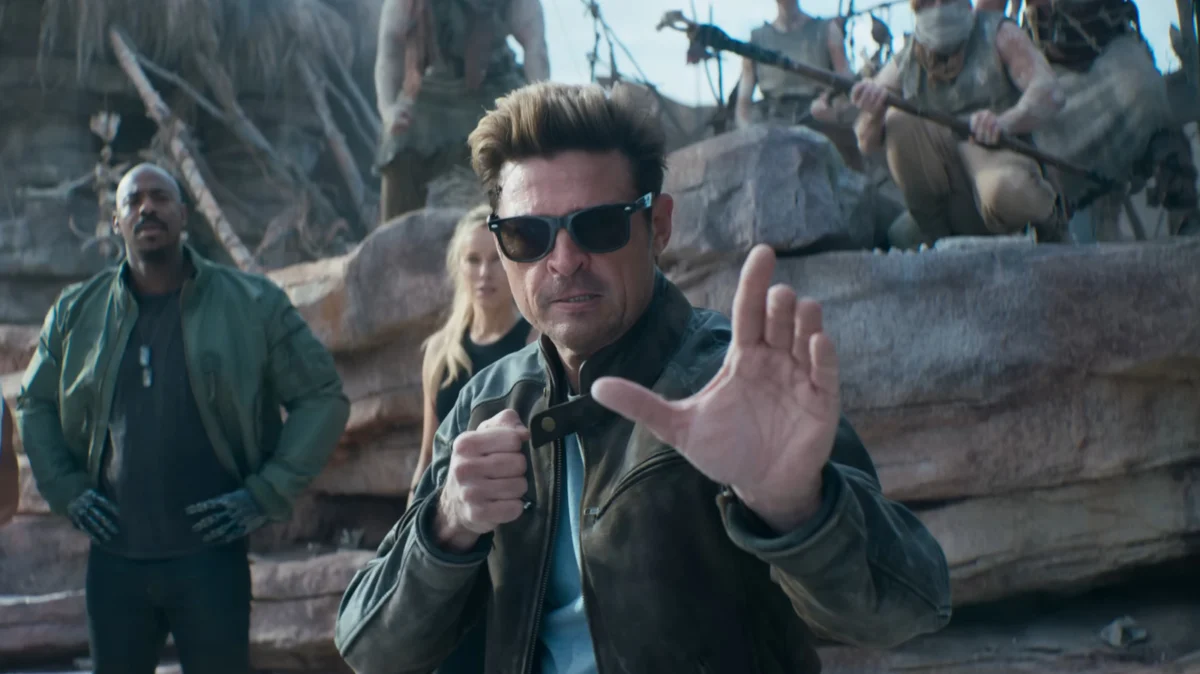
The resurrection of the Mortal Kombat cinematic universe has been a bloody, high-stakes journey for Warner Bros. and New Line Cinema. Following the 2021 reboot, which served as a profitable, albeit tournament-free, introduction to the lore, director Simon McQuoid’s Mortal Kombat II has finally delivered on the franchise’s namesake promise. However, as the dust settles on the latest round of inter-dimensional combat, a new challenge emerges. The ending of the second installment explicitly sets the stage for a third film—one that threatens to succumb to the same "character bloat" that has plagued the most massive entries in the Marvel Cinematic Universe (MCU).
As the franchise pivots toward a descent into the Netherrealm, the creative team faces a delicate balancing act: how to honor a massive roster of fan-favorite fighters without sacrificing narrative cohesion or the high stakes that define the series.
Main Facts: The Netherrealm Narrative and the "Hellbound" Sequel
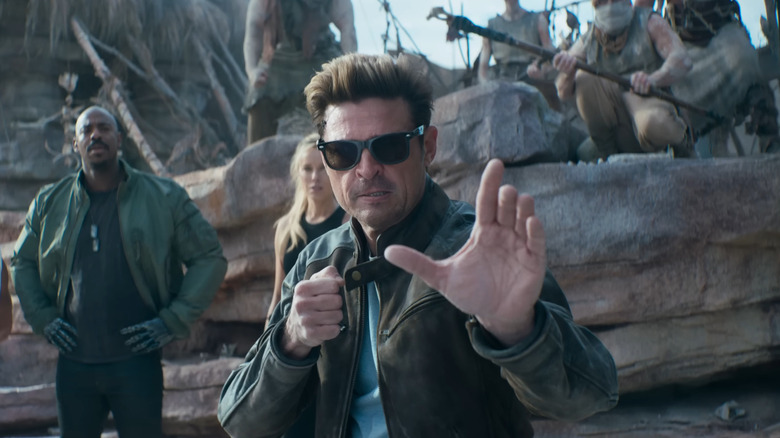
Mortal Kombat II concludes with a definitive narrative pivot. After the high-octane events of the Outworld tournament, the surviving heroes, led by the charismatic Johnny Cage (Karl Urban), prepare for a mission that is unprecedented in the current film continuity. The objective is clear: a journey into the Netherrealm—the Mortal Kombat equivalent of Hell—to retrieve the souls of fallen allies.
This plot point serves as a direct bridge to a potential Mortal Kombat 3. While the 2021 film was criticized for its lack of a formal tournament, MK2 corrected course by centering the action on the fight for the fate of Earthrealm. However, the decision to head into the Netherrealm introduces a significant logistical and narrative hurdle. By establishing that death is a temporary state that can be reversed via a "rescue mission," the franchise is effectively attempting to bring back its most popular characters, including Liu Kang (Ludi Lin), Jax (Mechad Brooks), and the original protagonist of the reboot, Cole Young (Lewis Tan).
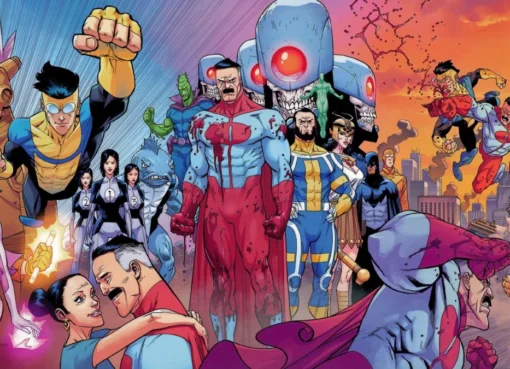
The core problem is one of volume. If Mortal Kombat 3 successfully revives the "dead" cast while simultaneously introducing new icons from the games—such as the long-awaited Reptile, Cyrax, or the demonic Shinnok—the film will boast a roster of characters that rivals the ensemble casts of Captain America: Civil War or Avengers: Endgame.
Chronology: From Reboot to Potential Trilogy
To understand the weight of this upcoming challenge, one must look at the trajectory of the franchise since its 2021 revival:
- 2021 – Mortal Kombat (The Foundation): The reboot introduced Cole Young and focused on the "Arcana" (supernatural abilities) of the fighters. It served as a prologue, ending with the death of several key figures (including Kung Lao) and the tease of Johnny Cage’s arrival.
- 2022–2023 – Development and Fan Feedback: Following the first film’s success on HBO Max and in theaters, Warner Bros. greenlit a sequel. Fan feedback heavily influenced the production, with a demand for more game-accurate lore and the inclusion of the tournament.
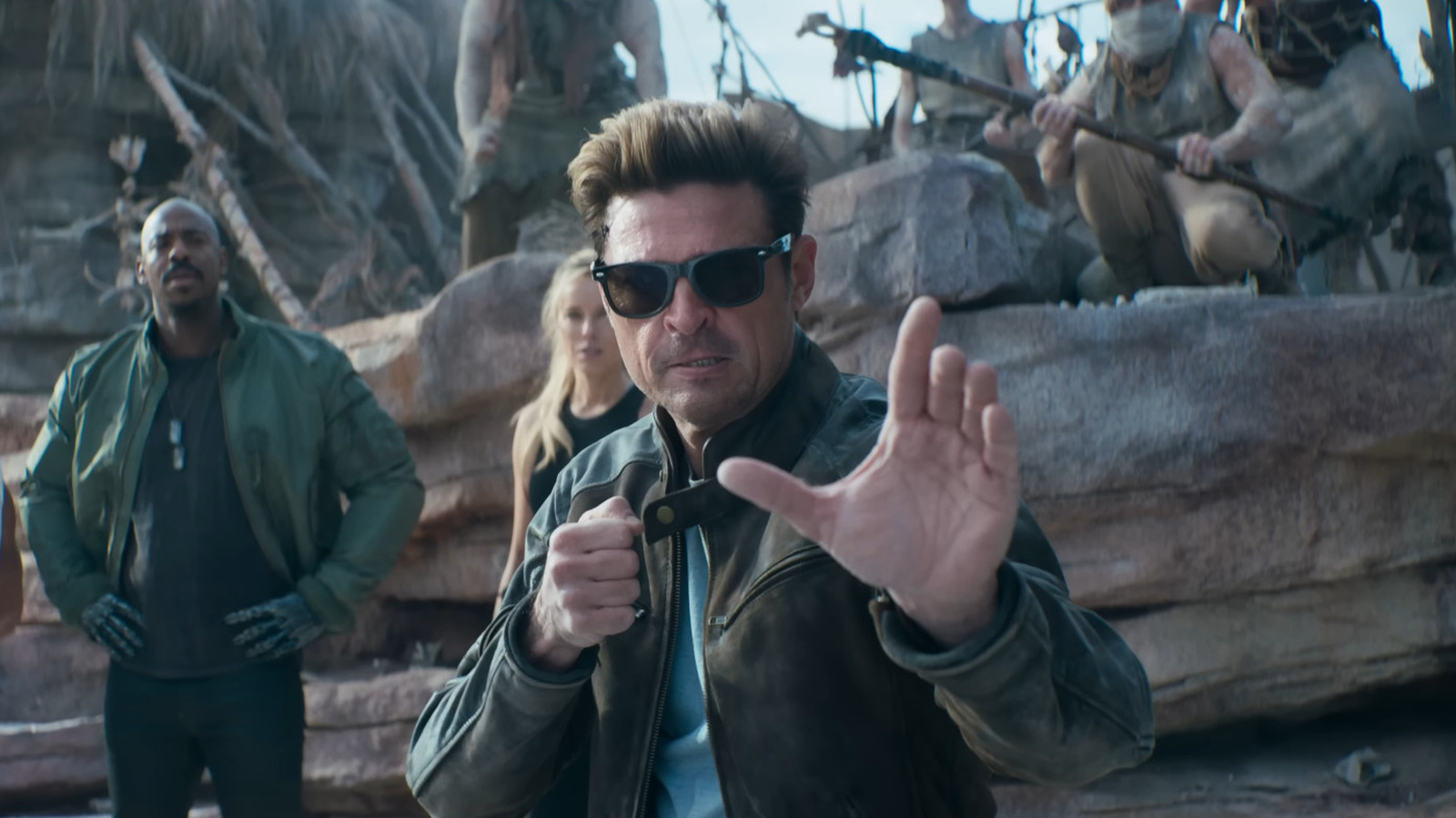
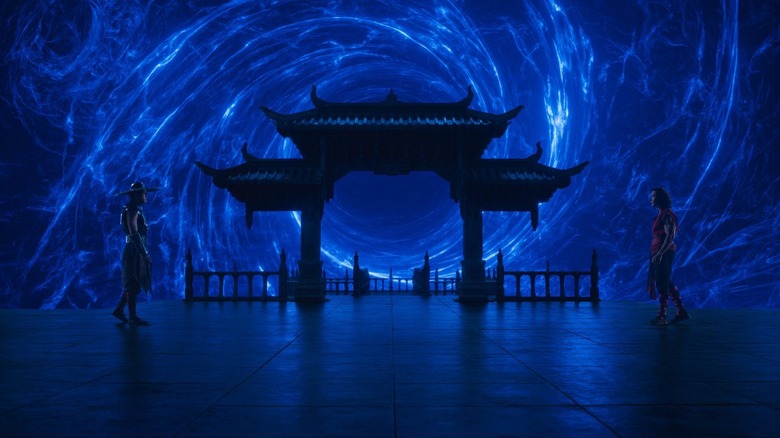
- 2024/2025 – Mortal Kombat II (The Expansion): Simon McQuoid returned to the director’s chair. The film introduced Karl Urban as Johnny Cage and expanded the scope to include Outworld politics, the actual Mortal Kombat tournament, and the introduction of Kitana and Jade.
- The Future – Mortal Kombat 3 (The Convergence): The ending of the second film serves as a "call to arms." By signaling a trip to the Netherrealm, the franchise moves from a traditional martial arts tournament into a high-fantasy ensemble epic.
This progression mirrors the early phases of the MCU, where individual stories eventually gave way to massive crossover events. However, while Marvel had dozens of films to establish its heroes, Mortal Kombat is attempting to reach "Endgame" levels of scale by its third outing.
Supporting Data: The Marvel Comparison and the Risk of "Character Bloat"
The comparison to Marvel is not merely superficial; it is a warning rooted in industry data and cinematic history.
The "Civil War" Precedent
In 2016, Captain America: Civil War was jokingly referred to by fans as Avengers 2.5. It managed a cast of over a dozen superheroes, successfully introducing Black Panther and Spider-Man while resolving the conflict between Iron Man and Captain America. The Russo Brothers were praised for their "plate-spinning" ability—ensuring each character had a meaningful arc within a two-hour runtime.
However, Mortal Kombat 3 lacks the luxury of the MCU’s "solo film" architecture. Characters like Jax, Sonya Blade, and Liu Kang have had limited screen time to develop beyond their fighting styles. Adding Johnny Cage as a new lead, while reviving five or six "dead" characters, risks turning the third film into a series of disconnected cameos rather than a cohesive story.
The Stakes of Death
Data from audience reception of late-stage MCU films suggests a growing "fatigue" regarding the lack of permanent consequences. When Avengers: Endgame used time travel to navigate the "Snap," it was a climax ten years in the making. If Mortal Kombat makes death a revolving door as early as the third film, it risks alienating the audience.
The Mortal Kombat games are famous for their "Fatalities"—brutal, final endings to a fight. If the movies establish that any character who suffers a Fatality can simply be retrieved from the Netherrealm in the next installment, the visceral thrill of the combat is fundamentally diminished. The "stakes" become purely aesthetic.
Budgetary Constraints
The financial data of ensemble films is equally daunting. Fast X, the tenth installment of the Fast & Furious franchise, saw its budget balloon to $340 million, largely due to the "legacy cast" salaries. Every actor revived for Mortal Kombat 3 adds to the production’s overhead. For a mid-range action franchise, an overstuffed cast could lead to a "break-even" point that is difficult to hit at the global box office.
Official Responses and Production Philosophy
While Warner Bros. and New Line Cinema have not yet officially released a production start date for Mortal Kombat 3, statements from the creative team during the Mortal Kombat II press tour offer insight into their philosophy.
Director Simon McQuoid has frequently emphasized that the "lore of Mortal Kombat is vast and deep." In various interviews, he has noted that the Netherrealm is a "cornerstone of the mythology" that allows the films to explore more "horror-centric" elements of the games. The creative team appears to view the revival of dead characters not as a "cheat code," but as an opportunity to introduce the "Revenant" versions of the heroes—undead, corrupted versions of Liu Kang and Kung Lao that fans recognize from the Mortal Kombat X and Mortal Kombat 11 games.
Production insiders suggest that the studio is looking at the franchise as a "contained cinematic universe." Rather than spinning off every character into a solo film, they are opting for a "mainline" series that functions as a continuous ensemble epic. This approach is designed to keep the budget manageable while maximizing the "fan service" of seeing multiple ninjas and sorcerers on screen simultaneously.
Implications: The Future of Video Game Cinema
The success or failure of Mortal Kombat 3’s ensemble approach will have significant implications for the future of video game adaptations.
The Ensemble Trap
We are currently in a "Golden Age" of video game adaptations, with The Last of Us, Fallout, and Sonic the Hedgehog proving that the "video game curse" is broken. However, Mortal Kombat represents the "fighting game" sub-genre, which is inherently character-heavy. If MK3 fails to balance its cast, it may signal to other studios (such as those eyeing Street Fighter or Tekken reboots) that smaller, more focused narratives are preferable to expansive rosters.
The "Netherrealm" as a Narrative Tool
If McQuoid and his writers can successfully navigate the Netherrealm plot, they will have created a unique template for action cinema: the "Supernatural Rescue Mission." By blending martial arts with the high-concept fantasy of "saving souls from Hell," Mortal Kombat could carve out a niche that distinguishes it from both the grounded action of John Wick and the caped heroics of the MCU.
The Finality of the Fatality
Ultimately, the third film must decide what a "Fatality" means in this universe. To maintain the tension that makes the games a global phenomenon, the film must ensure that the "save mission" comes at a high cost. If characters return from the Netherrealm, they should return changed—perhaps darker, or at the cost of another hero’s permanent sacrifice.
Conclusion: A Fight for Narrative Survival
Mortal Kombat 3 stands at a crossroads. It has the opportunity to be the Avengers: Endgame of martial arts cinema—a grand, bloody celebration of three decades of gaming history. However, it also faces the very real danger of becoming a cluttered, low-stakes spectacle where characters are resurrected as quickly as they are killed.
To avoid the pitfalls of the "Marvel Problem," the creative team must prioritize character depth over character count. Fans don’t just want to see Reptile or Cyrax on screen; they want to see them matter. As Johnny Cage leads his team into the depths of the Netherrealm, the real battle won’t be against the demons of Hell, but against the constraints of a two-hour runtime. In the world of Mortal Kombat, "Test Your Might" has always been the mantra. For the third film, the mantra will be "Test Your Narrative."


Leave a Comment