
Unveiling the Uncomfortable Truth: Reena Wu’s "So This is Love" Explores the Fractured Psyche of Unhealthy Relationships
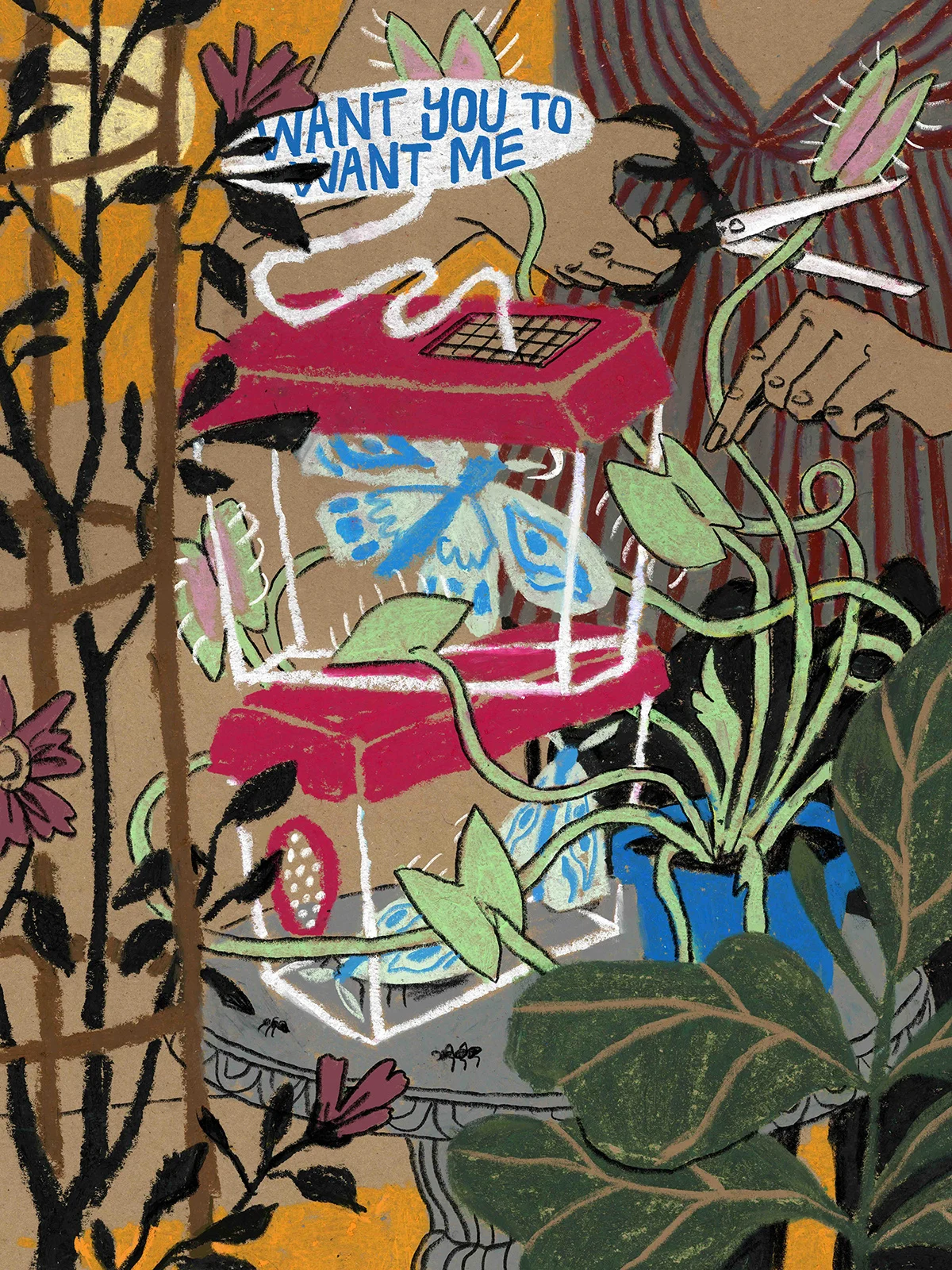
New York, NY – May 22, 2026 – In a poignant and visually arresting six-piece series titled "So This is Love," Chinese-Canadian artist Reena Wu delves into the profound emotional landscape of navigating unhealthy relationships. Wu, an MFA Illustration graduate from the School of Visual Arts and a licensed tattoo artist based in Queens, New York, masterfully blends the quotidian with the surreal to expose the insidious nature of denial and the jarring clarity that often follows. The series, a deeply personal yet universally relatable exploration, captures the arduous process of confronting unpleasant realities when the heart remains entangled in a web of illusion.
The Unseen Cracks: A Psychological Portrait
Wu’s artistic practice is characterized by its ability to imbue everyday scenes with a subtle yet potent dose of surrealism. This characteristic is amplified in "So This is Love," where the ordinary becomes a stage for profound internal conflict. The series is not merely a depiction of romantic discord; it is a meticulous dissection of the psychological gymnastics employed to maintain a semblance of normalcy in the face of glaring truths. It speaks to the pervasive human tendency to overlook, rationalize, or outright ignore inconvenient realities when emotional investment runs deep, and the inevitable, often painful, "sinking feeling" that accompanies the dawning of clear perception.
The artist articulates the core of her exploration: "The series is an exploration of that tension that occurs when there is a disconnect between what feels like two parts of yourself (i.e. the idealist and the realist). As such, doubles, shadow selves, and either the tipping point, or the aftermath of a fall repeat throughout the collection. The surreal imagery of the series is used to amplify these uncomfortable feelings." This statement illuminates Wu’s deliberate artistic strategy. By employing recurring motifs of duality, fragmented identities, and moments of precarious balance or devastating collapse, she creates a visual language that mirrors the internal turmoil experienced within such relationships. The surreal elements are not mere aesthetic choices; they are powerful tools that elevate the emotional weight of the subject matter, making the intangible feelings of cognitive dissonance and disillusionment palpable to the viewer.
A Chronology of Denial and Revelation
While "So This is Love" presents a snapshot of a relationship’s unraveling, the implied narrative within the series traces a subtle chronology of emotional experience. It begins in the nebulous space of denial, where the idealist within fights valiantly to preserve a cherished, albeit flawed, vision. This is often depicted through imagery that suggests a wilful blindness, where obvious truths are obscured by a deliberate fog of self-deception. The "doubles" and "shadow selves" that populate Wu’s work in this series can be interpreted as manifestations of this internal battle, representing the idealized partner or the desired state of the relationship, starkly contrasted with the harsher, more realistic perception.
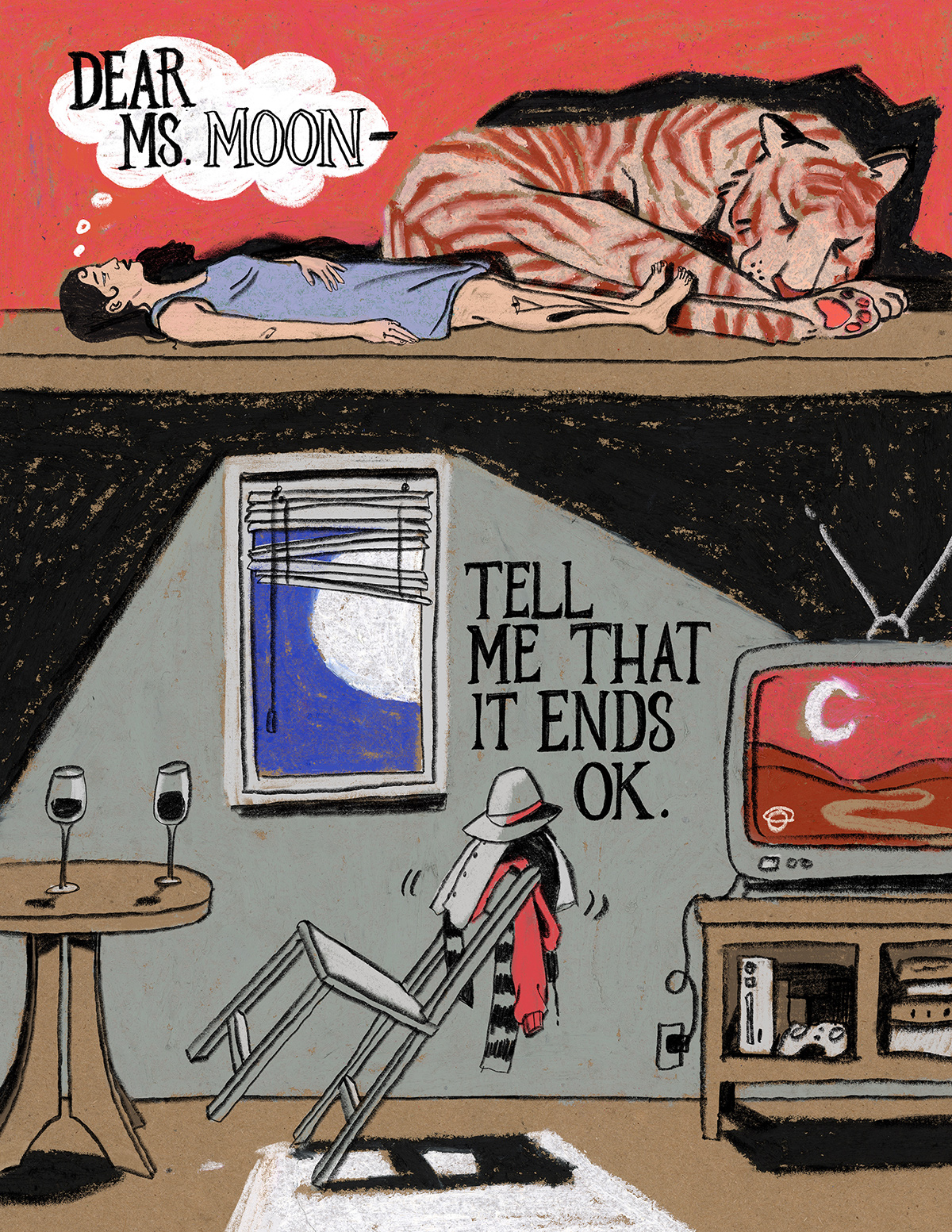
As the series progresses, the tension mounts, leading to the "tipping point." This is the moment when the façade begins to crumble, and the weight of reality becomes too heavy to bear. Wu’s use of imagery depicting precarious balance or the cusp of a fall powerfully conveys this crucial phase. It is a period of intense internal struggle, where the realist within gains ground, forcing the idealist to confront the undeniable. The surrealism here might manifest as distorted perspectives, unsettling juxtapositions, or a palpable sense of unease that permeates the composition, reflecting the disorienting nature of realizing one has been living a carefully constructed illusion.
The final stage, the "aftermath of a fall," is perhaps the most emotionally resonant. It speaks to the raw vulnerability and the profound emotional reckoning that follows the shattering of illusions. This could be visualized through fragmented forms, figures grappling with emptiness, or a stark, unembellished depiction of reality. The "sinking feeling" described by Wu is amplified in these works, conveying the heavy burden of clarity and the difficult process of rebuilding one’s sense of self and reality after the collapse of a deeply held belief system. The repetition of these themes throughout the collection underscores the cyclical nature of such experiences, where the struggle between idealism and realism can be a recurring battle.
Supporting Data: The Psychological Framework of Unhealthy Relationships
The themes explored by Reena Wu in "So This is Love" are deeply rooted in established psychological principles that govern human behavior within unhealthy relational dynamics. The concept of cognitive dissonance, a core element of her work, describes the mental discomfort experienced by a person who holds two or more contradictory beliefs, ideas, or values, or is confronted by new information that conflicts with existing beliefs, ideas, or values. In the context of unhealthy relationships, individuals may hold the belief that their partner loves them (an idealist view) while simultaneously being confronted with evidence of mistreatment or neglect (a realist view). To reduce this discomfort, individuals may engage in rationalization, denial, or minimization of the problematic behavior.
Furthermore, Wu’s exploration of "doubles" and "shadow selves" can be linked to the psychological concept of projection. This defense mechanism involves unconsciously attributing one’s own unacceptable feelings, impulses, or thoughts to another person. In an unhealthy relationship, a partner might project their own insecurities or negative traits onto the other, thereby avoiding self-confrontation. The idealization of a partner, a common phenomenon in the early stages of many relationships, can also contribute to denial. This idealization can blind individuals to flaws and negative behaviors, creating a distorted perception that is difficult to relinquish.
The "sinking feeling" of finally seeing things clearly is often described in therapeutic contexts as the painful awakening that accompanies the dismantling of deeply ingrained patterns of thought and behavior. This process can be emotionally taxing, leading to feelings of grief, anger, and betrayal. The emphasis on the "uncomfortable feelings" amplified by surreal imagery aligns with the idea that trauma and emotional distress often manifest in ways that defy literal representation, requiring symbolic or metaphorical expression. The series can be seen as a visual manifestation of the stages of grief and acceptance, albeit within the specific context of relational disillusionment. Research in psychology consistently highlights the detrimental effects of prolonged exposure to unhealthy relationships, including diminished self-esteem, anxiety, depression, and even post-traumatic stress symptoms. Wu’s art provides a powerful, non-verbal commentary on the internal battles that precede and accompany these external consequences.
Official Responses: The Art World’s Recognition of Nuance
While there are no direct "official responses" to a specific artwork in the traditional sense, the inclusion of Reena Wu’s "So This is Love" in platforms like Booooooom signifies a significant form of recognition within the contemporary art world. Booooooom, a highly respected online platform dedicated to showcasing emerging and established artists, acts as a curatorial voice, highlighting works that are deemed innovative, relevant, and emotionally resonant. The decision to feature this series suggests that the art community, through its tastemakers and critics, recognizes the profound psychological depth and artistic merit of Wu’s exploration of unhealthy relationships.
This type of platform serves as an unofficial endorsement, signaling to galleries, collectors, and other artists that Wu’s work is noteworthy and contributing to important contemporary dialogues. The consistent engagement with artists who tackle complex emotional and social themes indicates a broader trend within the art world to embrace works that offer nuanced perspectives on the human condition. The emphasis on Wu’s background as an illustrator and tattoo artist also points to a growing appreciation for diverse artistic disciplines and the unique insights they can bring to traditional artistic discourse. The fact that her work is being discussed and disseminated through such channels can be seen as a testament to its power to connect with audiences on an intellectual and emotional level.
Implications: Towards Greater Understanding and Healing
The implications of Reena Wu’s "So This is Love" extend far beyond the realm of artistic appreciation. By giving form to the often ineffable experience of navigating unhealthy relationships, Wu’s series offers a powerful tool for self-reflection and validation for those who have endured similar struggles. The visual narrative provides a language for articulating complex emotions that may have previously felt inexpressible. For viewers who have not directly experienced such relationships, the series serves as an educational and empathetic bridge, fostering a deeper understanding of the psychological challenges faced by individuals in these situations.
The artistic exploration of denial and disillusionment can be a crucial step in the healing process. By confronting these uncomfortable truths through Wu’s evocative imagery, individuals may find the courage and clarity to initiate change in their own lives, whether that involves setting boundaries, seeking support, or ultimately extricating themselves from detrimental situations. Furthermore, the series contributes to a broader societal conversation about the nature of healthy relationships and the pervasive impact of unhealthy ones. Art has a unique capacity to bypass intellectual defenses and connect directly with our emotional core, making it a potent catalyst for empathy and social change.
Reena Wu’s "So This is Love" is more than just a collection of drawings; it is a profound psychological excavation rendered with exquisite artistic skill. It speaks to the universal human experience of grappling with difficult truths, the internal battles we wage, and the arduous journey towards self-awareness and, ultimately, healing. Through her masterful use of surrealism to amplify emotional reality, Wu has created a body of work that is both deeply personal and universally resonant, offering a vital contribution to our understanding of love, loss, and the resilience of the human spirit.




Leave a Comment