The Enduring Power of Myth: Unpacking the Resonance of Archetypal Storytelling in Contemporary Fiction
In a literary landscape increasingly saturated with narratives, a distinct fascination with "archetypal" and "mythic" fiction continues to captivate both creators and audiences. But what truly defines these terms, and why do they hold such potent appeal? This exploration delves into the evolving understanding of mythic storytelling, its significance in our modern world, and the profound implications for writers seeking to craft narratives that resonate on a deeper, more transformative level.
The Modern Embrace of Mythic and Archetypal Narratives
Contemporary writers and readers alike are drawn to the idea of mythic fiction, often associating it with a transformative power that imbues stories with profound importance. The notion of crafting "fiction for people who want to write something important" resonates deeply, yet the precise definition of mythic fiction can often remain elusive. Despite the waning obsession with rigid adherence to structures like "The Hero’s Journey," the allure of ancient myths, fairy tales, cultural symbolism, and psychological archetypes has arguably never been stronger. However, this widespread interest coexists with a sense that we may have, in some ways, lost touch with the fundamental reasons these narrative forms hold such deep meaning.
Our contemporary understanding of mythic fiction is largely shaped by several key lenses. Firstly, we look to the source material itself: the timeless fairy and folk tales that have been passed down through generations, such as "Beauty and the Beast" or "Vasilisa the Beautiful," and the foundational mythological narratives that often explained the supernatural, like the stories of Kronos and the Titans, or Thor and Odin.
Beyond these specific tales, the anthropological work of scholars like Joseph Campbell and Clarissa Pinkola Estes has provided a crucial framework. These thinkers not only collected and preserved ancient stories but also meticulously studied their underlying similarities, recurring patterns, and universal symbolic messages, revealing a shared human consciousness woven through diverse cultures.

Complementing this anthropological lens is the influence of archetypal psychology, most notably the theories of Carl Jung. Jung’s exploration of the collective unconscious and its symbolic manifestations, such as archetypes like the Hero, the Shadow, or the Great Mother, has increasingly informed how we interpret and create mythic narratives. This psychological perspective has fueled the modern fascination with adapting ancient story structures, like the aforementioned Hero’s Journey, for contemporary audiences.
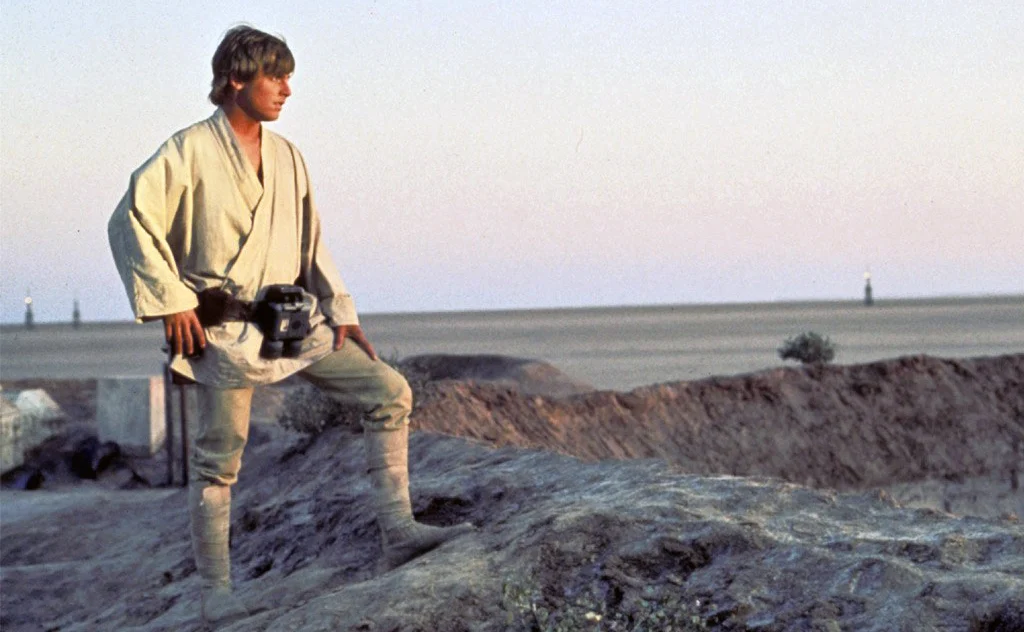
Furthermore, popular culture has become a significant conduit for understanding and reinterpreting myths and their underlying structures. George Lucas’s groundbreaking "Star Wars" saga stands as a prime example, demonstrating the immense power of tapping into these ancient story forms. Since then, an ever-growing number of stories have sought to harness the deep resonance and transformative potential of these archetypal narratives.
Some of these contemporary works directly retell or allude to their mythic inspirations, as seen in the enduring popularity of retellings of Hades and Persephone in romance fiction or the modern interpretation of Perseus in the "Percy Jackson" series. However, the pervasive nature of this trend has led to a curious phenomenon: many stories labeled "mythic" often bear only a superficial resemblance to the deeper symbolism and thematic richness of their original sources. This raises a critical question: what distinguishes a true mythic narrative from a mere reinterpretation or appropriation of ancient characters and plots?
The Distinction Between Studying Myth and Crafting Mythic Fiction
As modern storytellers, regardless of genre, there’s an inherent drive to uncover the symbolic language and structural beats of mythic narratives. The enduring mystery of these ancestral tales captivates us, offering glimpses into a liminal space between history and fantasy, the conscious and the subconscious.

However, the author posits that truly mythic fiction transcends simple retelling. While retellings can indeed be mythic, they are not inherently so. This is where a nuanced understanding of myth’s dynamic nature becomes crucial.
The inherent power of myth lies in its symbolic ambiguity, which points towards deeper, often objective truths. Yet, these ancient stories are also subject to a phenomenon akin to the "reconsolidation of memory." Every time a story is recalled or retold, subtle alterations can occur, gradually shaping both its explicit content and its underlying subtext. This process, even when dealing with written texts, is influenced by our ongoing experiences and interactions, collectively altering cultural perceptions over time.
This inherent adaptability is, in fact, a secret to myth’s enduring power. Its ability to evolve and become deeply personal to each individual ensures its continued relevance. Conversely, this constant re-editing of shared cultural narratives can, at times, dilute our connection to their original power. This is often exacerbated by an over-intellectualization of myths and their symbolism, a tendency that writers themselves can be particularly prone to, seeking to "crack the code" of their structures and archetypes.
The path to writing genuinely mythic fiction, therefore, is not found in imitation but in tapping into our own "mythic interior" to forge new myths for our own times.

Borrowing Mythic Symbols vs. Accessing the Wellspring of Symbolism
While studying, appreciating, and internalizing inherited symbolic wisdom is immensely valuable, there lies a critical distinction between borrowing these established myths and accessing the fundamental source of symbol-making itself. The unique power that sets mythic stories apart from the mundane speaks to us across eons, even when we don’t consciously understand its intricacies.
However, the author emphasizes that the true essence of mythic fiction lies not in the specific plots or characters of ancient tales, nor even necessarily in mimicking their structural beats. What truly resonates in a mythic story, whether ancient or modern, is that spark of recognition, that moment when something within us ignites. This is not a conscious intellectual grasp but a deeper, symbolic understanding that our inner mind registers.
For contemporary writers seeking to create mythic fiction, the pursuit is not merely about acquiring familiar symbols but about accessing that intrinsic capacity for "symbol-making" within ourselves. This requires a journey beyond intellectual quests into old mythologies and towards the same generative source that empowered our ancestors to create stories that remain foundational touchstones for humanity.
Inherited Myth vs. Living Myth: The Power of the Inner Source
The stories of others can serve as maps, guiding us toward our own mythic territories. However, generating profound fiction necessitates looking inward rather than solely outward for mythic resonance. The dream space from which stories emerge is inherently mythic, a realm where storytellers can commune with spirits and symbols.

When we delve deeply into this creative process, conscious understanding and premeditated plot points often recede. Writers in this state describe a feeling of simply "following along behind their characters and watching what they do." This surrender to the creative flow is, in essence, an encounter with mythology and archetype, even if the conscious mind isn’t fully aware of it. As William Faulkner famously stated, "It begins with a character, all I can do is trot along behind him trying to put down what he says and does." This sentiment underscores the power of allowing the story to unfold organically from a deeper source.
The Enduring Importance of Mythic Fiction in Times of Cultural Transformation
The distinctions explored are not merely academic; they underscore the profound importance of mythic fiction, particularly during periods of significant cultural upheaval. Mythic narratives have always served as foundational storytelling, possessing a unique capacity to initiate healing and growth through their potent, symbolic vitality. The fascination they evoke stems from their ability to awaken a sense of aliveness within us, drawing us in even when their meaning remains elusive.
This capacity for reorientation and metabolizing change becomes especially critical during times of deconstruction and reinvention. Mythic stories provide a vital language, through symbolism and metaphor, to process experiences that might otherwise overwhelm the conscious mind and ego.
Several key reasons highlight the heightened importance of writing mythic fiction in our current era:

1. The Thinning of Our Connection to Ancient Narratives
Despite the nominal prevalence of ancient myths, a significant portion of our population has, at best, a superficial acquaintance with them, or has lost the deeper experience of their resonance. In some cultures, these foundational narratives have been all but eradicated. Even where they persist, time and translation have often reduced them to historical curiosities or commoditized entertainment. The ill-fated 2016 film "Gods of Egypt," for instance, transformed a profound Egyptian myth into a shallow action spectacle, retaining little of its original thematic power. This alteration of foundational myths inevitably reshapes our relationship to them.
2. The Crucial Partnership of Intuition and Intellect
While many writers consciously engage with ancient myths and archetypes, there’s a prevalent tendency to over-intellectualize them. Archetypes can be reduced to mere character checklists (Maiden, Hero, Trickster), and mythic events analyzed solely for plot mechanics. While studying and categorizing these elements is not without value – as evidenced by extensive academic and authorial explorations of archetypal structures – it is crucial to recognize that archetype, symbol, and myth reside beyond the purely rational. When they are confined to the left brain, they become pale imitations, lacking the vital spark of lived experience. As author Gail Carson Levine aptly noted, "Ideas are ideas, and words on paper are words on paper; they’re not the same thing, no matter how much we try to convince ourselves."
3. Reconnecting Writers to the Deep Source of Story
For those who approach writing from an "inside-out" perspective, the current storytelling zeitgeist suggests that originality is increasingly found by seeking inspiration within our own symbolic authority rather than by external imitation or market trends. Archetypes and myths are not exclusive gifts of genius but inherent birthrights, accessible to all. The true genius lies in the technical mastery of translating this inner landscape onto the page. Every story, intentionally or not, carries this archetypal capacity. Writers, along with other creatives, are the custodians of archetype, acting as "wizards" or "mages" who wield their tools – their pens – to manifest this inherent power. The act of writing itself becomes an adventure, a journey of discovering and trusting one’s own magical capacity, tapping into the deep subconscious and the innate power of the imagination. This access is deeply individual and original, requiring a courageous leap into the raw, vibrant truths of one’s creative flow.
4. The Urgent Need for New Myths in a World in Flux
Perhaps most significantly, society at large is poised to require its storytellers – its "wizards" – more than ever. As our world undergoes profound transformations, the need for "new" myths becomes paramount. These are not simply recycled tales but stories that can ignite fresh perspectives within our individual and collective imaginations. Blockbuster phenomena like "Star Wars," "Lord of the Rings," "Harry Potter," and more recent cultural touchstones such as "Stranger Things," "Fourth Wing," and "A Court of Thorns and Roses" demonstrate the power of speculative fiction to naturally align with the symbolic language of mythology, though realistic narratives can also achieve mythic resonance.

It is important to note that these "new" myths are unlikely to be fundamentally different in their symbolic or thematic underpinnings from those that have come before. The cyclical nature of life and story structure ensures the enduring potency of core archetypes and narrative forms. The Hero’s Journey, the archetypal life cycle, and the symbolic import of ancient tales will continue to speak to us. However, as storytellers have always done, we will continue to reinvent our access point to their deeper vibrancy, creating our own unique expressions of these universal truths.
Reconnecting to Living Myth and the Symbolic Imagination
Ultimately, mythic fiction is not about imitation or the mere insertion of symbolic imagery. It is about trusting that the same symbolic wellspring that nourished ancient myths remains alive within us. The old stories serve as guideposts, helping us recognize the profound landscape of the deep and reminding us of humanity’s enduring connection to story as a portal into this realm. The writer’s task is not merely to preserve mythology but to actively participate in its ongoing creation.
For those grappling with how to translate this into tangible writing, the next steps involve embracing intuition, dream work, and a deeper understanding of the relationship between archetype and story structure. The power of mythic fiction lies in its ability to feel alive, resonant, and inherently mythic in its own right, moving beyond intellectualization into a realm of genuine symbolic expression.
The journey of writing mythic fiction is a continuous process of rediscovery, a testament to the enduring power of the human imagination to connect with the universal truths that shape our existence. By delving into our own symbolic wellsprings, writers can contribute to a living tradition of storytelling, crafting narratives that not only entertain but also heal, transform, and guide us through the ever-evolving landscape of human experience.