
The Frontier Reborn: Why the Golden Age of Western Television is Ripe for a Modern Resurrection
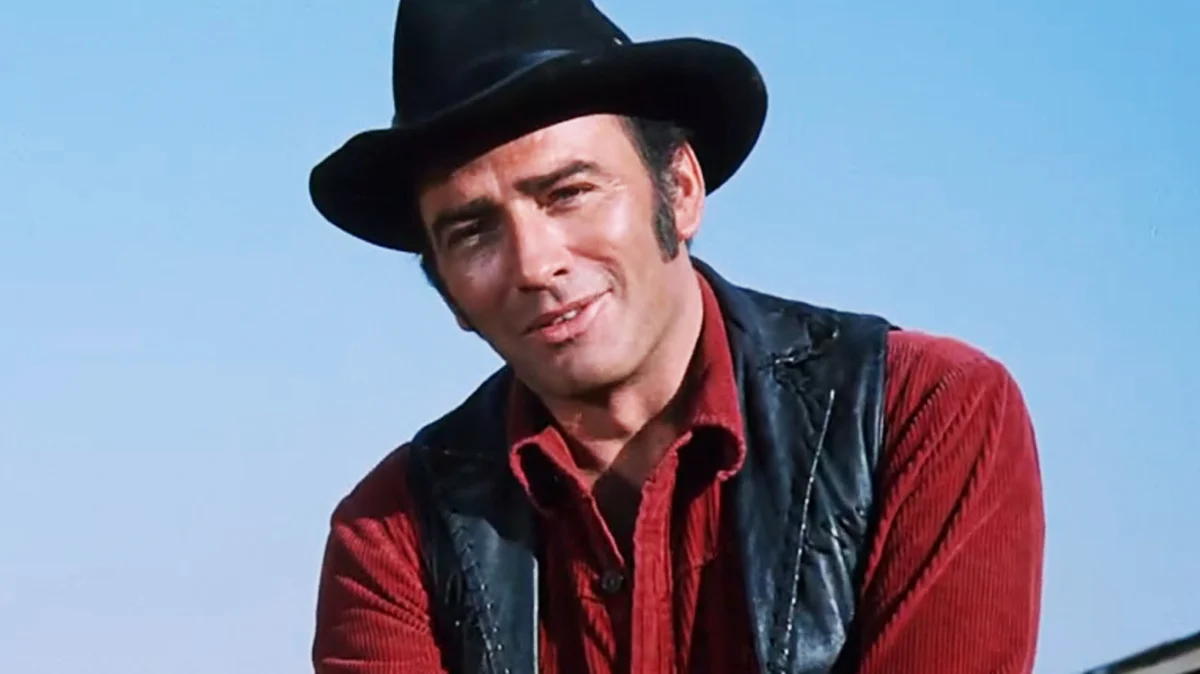
Main Facts: The Resurgence of the American Oater
For decades, the Western was considered a relic of a bygone era, a genre that had galloped into the sunset during the mid-1970s, never to return to its former glory. However, the television landscape of the 2020s tells a different story. Following the explosive success of Taylor Sheridan’s Yellowstone and its subsequent universe of prequels and spin-offs, the "Oater" is experiencing a massive cultural renaissance.
This "Sheridanization" of the genre has proven that audiences possess a deep, untapped hunger for narratives centered on rugged individualism, moral ambiguity, and the vast, unforgiving landscapes of the American West. As streaming giants like Netflix, Amazon Prime Video, and Apple TV+ scramble to secure their own "cowboy IP," the industry is looking backward to the Golden Age of the 1950s and 60s. During that period, the Western was the dominant form of American storytelling, with programs like Gunsmoke and Bonanza defining the medium for a generation.
Today, five specific properties from that era stand out as prime candidates for a modern reimagining. These shows offer more than just nostalgia; they provide archetypal frameworks that, if infused with contemporary production values and nuanced writing, could become the next prestige hits of the streaming era.
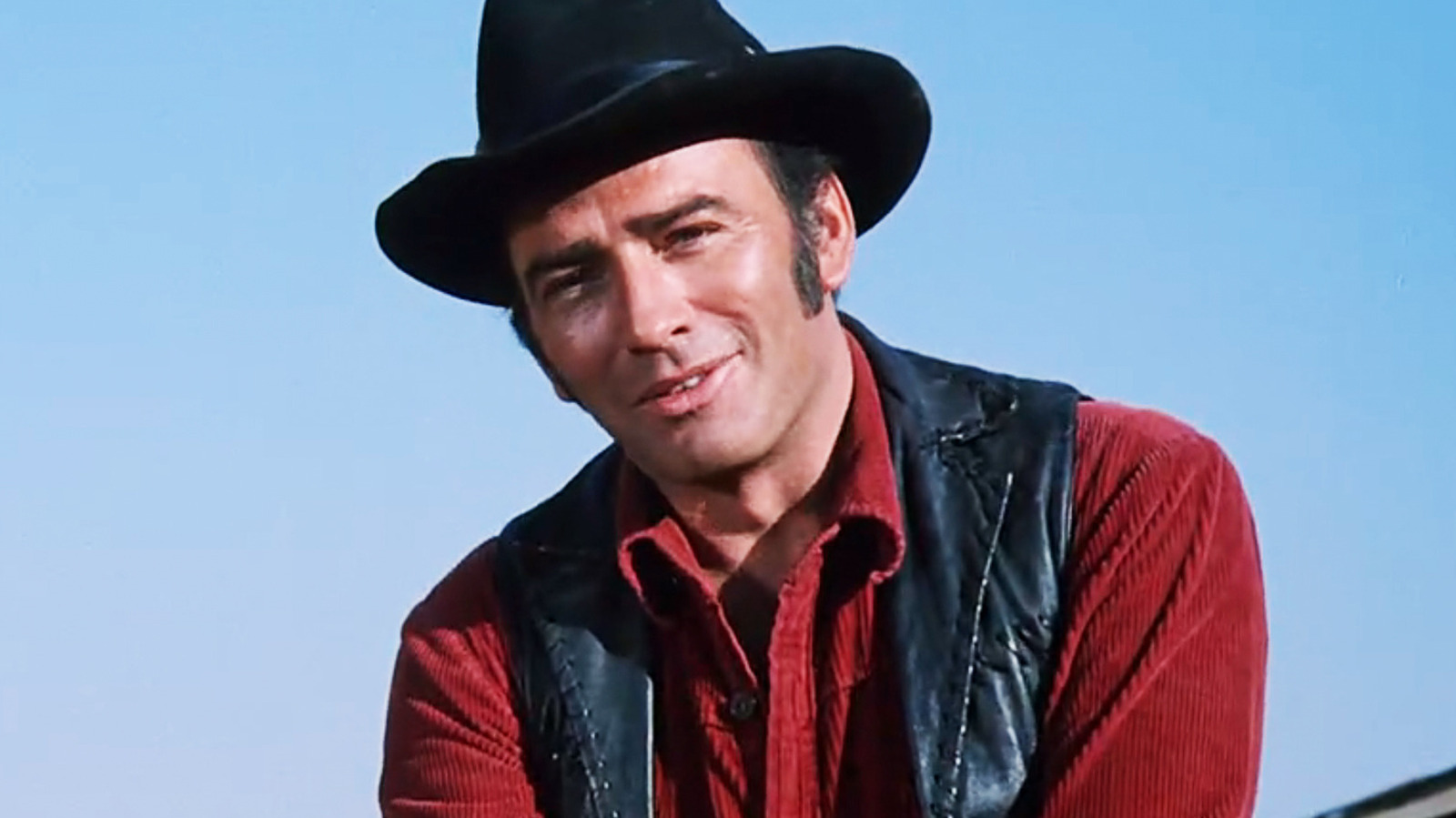
Chronology: From the Golden Age to the Neo-Western Boom
The trajectory of the TV Western is one of extreme peaks and valleys. To understand why a remake cycle is imminent, one must look at the genre’s timeline:
- 1955–1965: The Peak. At one point in 1959, there were 26 Western series airing concurrently on prime-time television. This era established the "White Hat vs. Black Hat" tropes and turned actors like James Arness and Chuck Connors into household names.
- 1970–1975: The Great Sunset. Changing social values and "rural purge" cancellations by networks saw Westerns replaced by gritty urban police procedurals and sitcoms.
- 1990s: The Revisionist Attempt. Hits like Dances with Wolves in cinema sparked a brief TV interest, leading to experimental shows like Dr. Quinn, Medicine Woman and the ill-fated 1999 Wild Wild West film.
- 2018–Present: The Neo-Western Renaissance. The debut of Yellowstone on the Paramount Network shifted the paradigm. By blending the Western aesthetic with high-stakes family melodrama and "prestige" violence, Taylor Sheridan reinvigorated the genre, leading to current hits like Outer Range, 1883, and 1923.
Supporting Data: The Case for Five Essential Remakes
As production houses mine the archives for intellectual property, the following five series represent the highest potential for critical and commercial success.
1. The Loner (Original Run: 1965–1966)
Created by The Twilight Zone’s Rod Serling, The Loner was a philosophical Western that arrived perhaps a decade too early. Starring Lloyd Bridges as William Colton, a former Union officer seeking a new life after the Civil War, the show avoided the "shoot-em-up" tropes of its contemporaries in favor of character-driven morality plays.
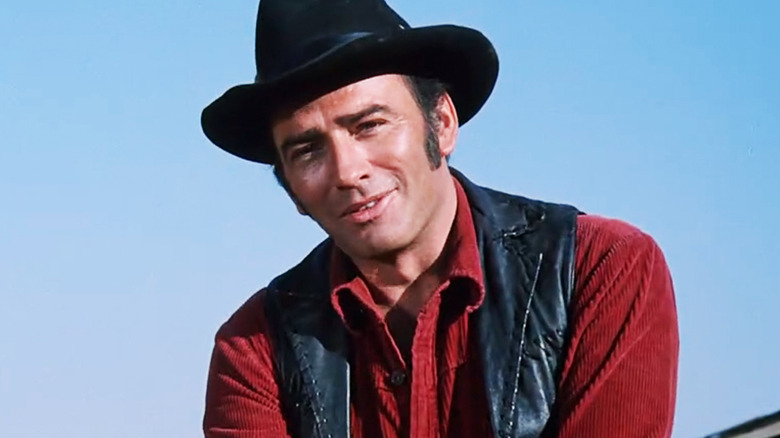
The Modern Pivot: Current data from Amazon Prime Video suggests that the "itinerant hero" trope is one of the most bankable formats in streaming. The massive success of Reacher—which features a lone wanderer dispensing justice in small-town America—proves the formula works. A modern Loner could lean into Serling’s original vision: a gritty, existentialist journey through a post-war landscape where the protagonist deals with trauma, white supremacy, and the fractured soul of a nation.
2. The Rifleman (Original Run: 1958–1963)
The Rifleman centered on Lucas McCain (Chuck Connors), a widower and Union veteran raising his son on a ranch in the New Mexico Territory. While famous for McCain’s rapid-fire Winchester rifle, the heart of the show was the father-son dynamic and McCain’s strict moral code.
The Modern Pivot: Modern audiences gravitate toward "protective father" narratives (seen in The Last of Us or The Mandalorian). A remake could serve as a more grounded, emotionally resonant alternative to the Yellowstone spin-off Marshals. By focusing on the difficulties of homesteading and the psychological weight of a veteran trying to keep his son’s hands clean in a violent world, The Rifleman could become a premier family-centric drama.
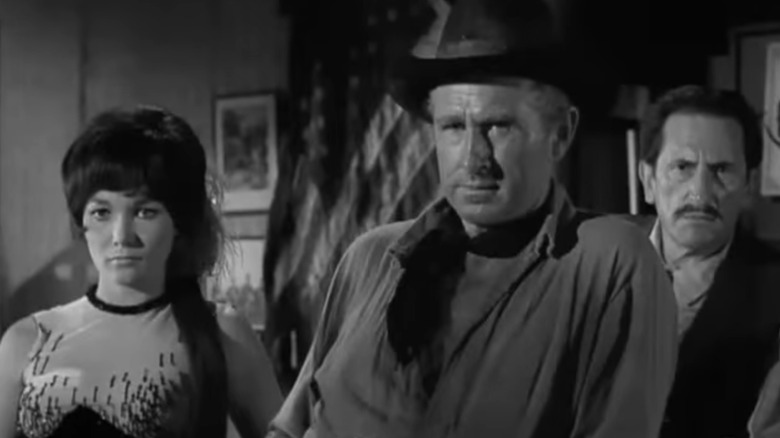
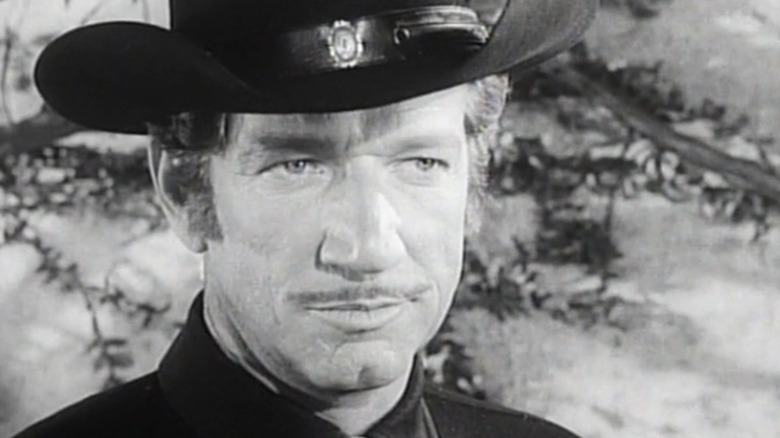
3. Have Gun – Will Travel (Original Run: 1957–1963)
Richard Boone played Paladin, an educated, chess-playing socialite living in a San Francisco hotel who moonlighted as a "gun for hire." He wore all black, carried a calling card that read "Have Gun – Will Travel," and preferred to settle disputes with his mind before his revolver.
The Modern Pivot: Paladin is the Western equivalent of John Wick or James Bond. In an era of "superhero fatigue," a sophisticated, urban-meets-frontier hero offers a refreshing change of pace. A remake could explore the duality of his life: the high-society luxury of 19th-century San Francisco contrasted with the brutal reality of the frontier missions he accepts.
4. The Wild Wild West (Original Run: 1965–1969)
This series was famously pitched as "James Bond on horseback." It followed Secret Service agents James West and Artemus Gordon as they protected President Grant from megalomaniacal villains using steampunk technology and gadgets.
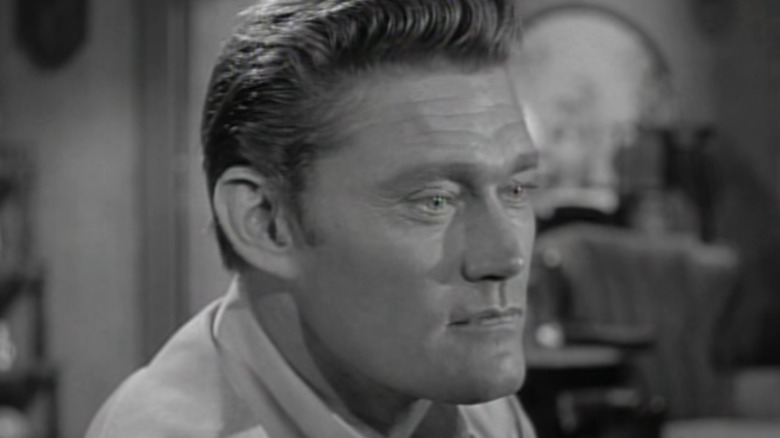
The Modern Pivot: While the 1999 Will Smith film was a critical disaster, it was largely due to a tonal mismatch. A modern television adaptation could embrace the "Steampunk Western" aesthetic with the same seriousness and world-building seen in HBO’s Westworld. By leaning into the alternate-history elements and the chemistry of a "buddy-cop" dynamic, the show could capture the "fun" segment of the Western market that is currently underserved by more somber dramas.
5. The Virginian (Original Run: 1962–1971)
As the third longest-running Western in TV history, The Virginian was unique because its lead character (played by James Drury) was never given a name—he was simply the foreman of the Shiloh Ranch.
The Modern Pivot: Most modern Westerns focus on the owners of the land (the "Kings"). There is a significant opportunity to tell a story from the perspective of the laborers. A remake focused on the foreman—the man who actually manages the day-to-day survival of the ranch—would echo the popularity of characters like Rip Wheeler from Yellowstone. It allows for a "blue-collar" Western that explores ranch politics, labor, and the mysterious past of a man who chooses to remain nameless.
Official Responses and Industry Context
While no official greenlights have been announced for these specific five titles in the current quarter, industry insiders suggest that "IP mining" is at an all-time high. CBS Studios, which owns the rights to a vast portion of the classic Western library, has been aggressively looking for ways to capitalize on the Yellowstone vacuum that will be left once the main series concludes.
Streaming analysts point to "Dad TV"—content that appeals to older demographics while maintaining high production values—as the most consistent growth sector for platforms like Paramount+ and Netflix. According to Nielsen data, Western-themed content has seen a 22% uptick in viewership among the 18–49 demographic over the last three years, suggesting the genre is successfully "aging down" and attracting younger viewers who appreciate the rugged aesthetic and serialized storytelling.
Implications: The Future of the Frontier
The return to these classic properties implies a shift in how Hollywood views "remake culture." Rather than just rehashing plots, a successful revival of The Loner or The Virginian requires a modern sensibility. This includes:
- Revisionist Perspectives: Classic Westerns often ignored or stereotyped Indigenous populations and women. A modern remake provides the opportunity to tell "The West" from multiple perspectives, adding depth and historical accuracy that was absent in the 1950s.
- Serialization: Where the original shows were largely episodic (resetting every week), a modern version would benefit from the "novelistic" approach of 10-episode seasons, allowing for deep character arcs.
- Visual Grandeur: With modern cinematography and HDR technology, the "landscape as a character" can finally be realized in a way that 4:3 ratio television sets of the 1960s never could.
As the Western renaissance continues to gallop forward, the industry’s greatest treasures may not be new scripts, but the dusty reels of the past, waiting for a new generation to strap on the spurs and tell their stories once again.



Leave a Comment