
Remembering Gerry Conway: A Visionary Architect of the Comic Book Bronze Age (1952-2026)
The comic book world mourns the loss of one of its most influential and prolific writers, Gerry Conway, who passed away on April 26, 2026, at the age of 73. Conway’s remarkable career, spanning over five decades, left an indelible mark on the industry, particularly during its pivotal Bronze Age. He was a storytelling titan responsible for some of the most iconic moments and enduring characters in comic book history, including the co-creation of The Punisher and Ms. Marvel, and the controversial, yet watershed, death of Gwen Stacy. His passing signifies the departure of a true luminary whose "earnestness" and profound ability to humanize superheroes redefined the genre for generations of readers and creators alike.
Conway’s legacy is not merely in the characters he brought to life or the plots he meticulously crafted, but in the profound shift he helped usher in, moving superhero narratives towards greater psychological depth and emotional complexity. His work resonated deeply with fans who sought more than just escapism, finding relatable struggles and profound humanity within the fantastical exploits of their heroes. As one long-time reader reflected, Conway’s writing often felt "more centered and engaging" than much of what followed, characterized by an "amazing sense of earnestness" in depicting his characters’ inner lives. This commitment to character-driven storytelling solidified his place as a defining voice of an era that forever changed the landscape of comic books.
A Titan’s Legacy: The Enduring Impact of Gerry Conway
Gerry Conway’s impact on the comic book medium is vast and multifaceted, deeply interwoven with the very fabric of Marvel Comics’ most iconic properties, and extending significantly into the DC Universe and beyond. His arrival on the scene coincided with a period of significant evolution in comic storytelling, often dubbed the Bronze Age (roughly 1970-1985), where creators began to push the boundaries of established tropes, introducing more mature themes, moral ambiguities, and realistic consequences into their narratives. Conway was not just a participant in this shift; he was a primary architect.
His genius lay in his ability to imbue larger-than-life characters with deeply human frailties and emotional struggles. Before Conway, many superheroes, while facing personal dilemmas, often did so within a more black-and-white moral framework. Conway, however, delved into the psychological toll of heroism, the agony of loss, and the often-uncomfortable shades of gray that define human experience. This "fragile humanization" of superheroes was a hallmark of his writing, making characters like Spider-Man, Daredevil, and even Ms. Marvel incredibly relatable despite their extraordinary powers.
Perhaps the most potent example of his willingness to challenge conventions and explore the darker aspects of storytelling was The Night Gwen Stacy Died. This storyline, published when Conway was barely 21, was a seismic event that reverberated throughout the industry. It irrevocably altered the landscape of superhero comics, demonstrating that even beloved supporting characters were not immune to tragic fates, and that consequences could be permanent and devastating. This wasn’t merely a plot twist; it was a philosophical statement about the nature of heroism and sacrifice, profoundly impacting Spider-Man’s character development and setting a new standard for narrative gravitas.
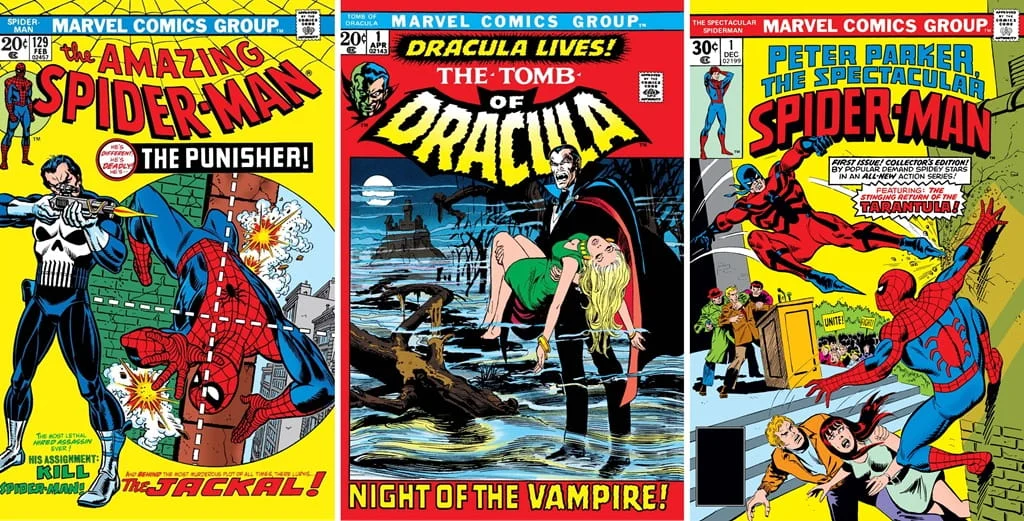
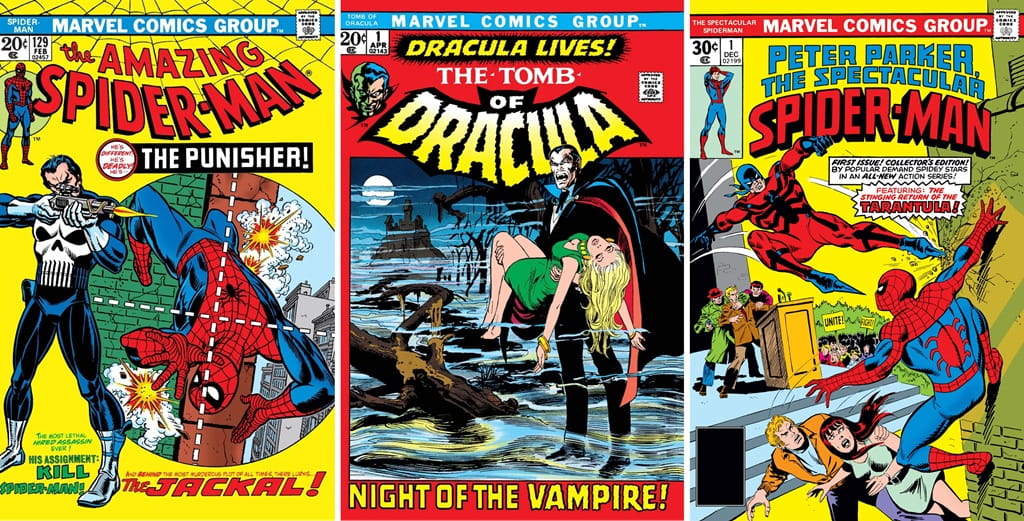
Beyond the dramatic narratives, Conway was a master of world-building and character creation. The Punisher, a character he co-created with artist John Romita Sr., emerged from the pages of Amazing Spider-Man #129 as a grim, uncompromising vigilante, a stark contrast to the traditional hero. Frank Castle, driven by personal tragedy, embodied a darker, more ambiguous form of justice that resonated deeply with readers and would go on to become one of Marvel’s most enduring and popular characters, spawning multiple comic series, films, and television adaptations. Similarly, his co-creation of Carol Danvers as Ms. Marvel established a powerful new female hero who would eventually rise to become Captain Marvel, a cornerstone of the modern Marvel Cinematic Universe. These creations alone are testament to his innovative spirit and lasting influence.
Conway’s prolific output spanned a wide array of genres beyond superheroes, including horror, science fiction, and fantasy, showcasing his versatility and storytelling range. Whether he was crafting gothic narratives for Tomb of Dracula or exploring the nascent feminist themes in Ms. Marvel, his distinctive voice – characterized by sharp dialogue, intricate plotting, and profound character insight – was always evident. His contributions provided the foundational bedrock for countless stories that followed, shaping not only the characters themselves but also the very expectations readers had for comic book narratives.
Chronology: A Career Spanning Decades
Gerry Conway’s career was a testament to his prodigious talent and tireless work ethic, beginning at an astonishingly young age and evolving through various eras and companies.
Early Beginnings and a Rapid Ascent
Born on September 10, 1952, Conway broke into the comic book industry at the tender age of 16, a testament to his innate storytelling ability and passion for the medium. He began writing for DC Comics in 1969, contributing to titles like House of Secrets and Superboy. His early work showcased a raw talent that quickly caught the attention of editors. By 1970, he had transitioned to Marvel Comics, where his career truly began to flourish.
His initial assignments at Marvel included various horror and fantasy titles, allowing him to hone his craft and experiment with different narrative styles. By the early 1970s, he was already taking on more prominent roles, demonstrating a maturity in his writing far beyond his years. One of his early significant runs was on Daredevil, where he tackled the character’s street-level heroics and personal drama. While the original article’s author notes this run was "far from his best work," it was a crucial developmental period, allowing Conway to explore character depth and narrative pacing within an established hero’s mythos, laying the groundwork for his later, more celebrated achievements. His rapid ascent from a teenage prodigy to a key writer on major titles was unprecedented and signaled the arrival of a transformative voice.
The Defining Years: Spider-Man and the Bronze Age
It was on The Amazing Spider-Man that Gerry Conway truly cemented his legendary status. Taking over from the iconic Stan Lee, Conway faced the daunting task of continuing one of Marvel’s flagship titles. He embraced the challenge, bringing a fresh, grittier sensibility that aligned perfectly with the burgeoning Bronze Age.
His most impactful contribution to Amazing Spider-Man arrived in 1973 with the two-part storyline that culminated in Amazing Spider-Man #121-122, known collectively as "The Night Gwen Stacy Died." In a move that shocked readers and ignited controversy, Conway, along with artists Gil Kane and John Romita Sr., depicted the death of Peter Parker’s beloved girlfriend, Gwen Stacy, at the hands of the Green Goblin. This event was revolutionary for its time, as major supporting characters rarely died permanently, especially not at the direct, albeit unintentional, hand of the hero. The storyline irrevocably changed Peter Parker, burdening him with profound guilt and loss, and introduced a new level of realism and tragedy to superhero narratives. It signaled a departure from the more optimistic Silver Age, proving that even superheroes could not always save everyone, and that their actions, even heroic ones, could have devastating consequences. This moment is still widely regarded as one of the most significant and influential events in comic book history.
Just issues prior to Gwen Stacy’s death, in Amazing Spider-Man #129 (1974), Conway introduced another character who would profoundly impact the Marvel Universe: The Punisher. Designed as an antagonist for Spider-Man, Frank Castle was a Vietnam veteran who, after his family was murdered by the mob, declared a one-man war on crime, employing lethal force without hesitation. The Punisher’s brutal, anti-heroic stance resonated with a readership increasingly disillusioned by traditional authority figures, reflecting a darker societal mood. His creation marked a significant departure from conventional hero archetypes and paved the way for more morally ambiguous characters in comics.
Conway’s association with Spider-Man extended to other titles, including Peter Parker, The Spectacular Spider-Man, which he launched in 1976 with artist Sal Buscema. These runs were, as the original article states, "top shelf," continuing to explore Peter’s personal life, his struggles with balancing his two identities, and his evolving relationships, further solidifying the character’s human dimension.
Beyond Spider-Man: Diverse Contributions
While his work on Spider-Man remains his most famous, Conway’s creative reach extended far beyond the web-slinger. He demonstrated remarkable versatility across a multitude of titles and genres:
- Horror: His run on Tomb of Dracula (1971) with artist Gene Colan was instrumental in the early 1970s horror revival at Marvel. Conway’s atmospheric writing helped redefine the classic vampire for a new generation, exploring themes of monstrosity, damnation, and reluctant heroism through characters like Blade, whom he also co-created.
- New Heroes: In 1976, Conway co-created Carol Danvers as Ms. Marvel with artist John Buscema. This character, a groundbreaking female superhero with powers derived from Captain Marvel, was designed to represent a new era of feminist-inspired heroism, grappling with issues of identity, power, and independence.
- The Fantastic Four & Thor: Conway also contributed significant runs to other major Marvel properties, including Fantastic Four and Thor, where he brought his characteristic blend of character depth and cosmic spectacle.
- DC Comics: His influence was not confined to Marvel. Conway returned to DC Comics in the mid-1970s, where he became an equally vital force. He had extensive runs on Justice League of America, The Flash, Detective Comics, and was instrumental in the creation of Firestorm, the Nuclear Man, a visually distinct and conceptually interesting hero who explored the duality of two individuals merging into one powerful entity. His work at DC showcased his ability to integrate into established universes while still imbuing them with his unique storytelling flair, often revitalizing characters and series through his long tenures.
Later Career and Television
As the comic book industry evolved, so too did Gerry Conway’s career. While he continued to contribute to comics throughout the 1980s and 1990s, he also successfully transitioned into television writing, demonstrating his adaptability and mastery of various storytelling mediums. His television credits include acclaimed animated series such as Batman: The Animated Series, where his understanding of character depth and noir sensibility found a perfect home. He also wrote for live-action shows like Hercules: The Legendary Journeys, Baywatch Nights, and perhaps most notably, Law & Order and its spin-offs (Law & Order: Criminal Intent, Law & Order: SVU). This move to television further solidified his reputation as a versatile and skilled storyteller, capable of crafting compelling narratives across different formats and for diverse audiences. His contributions to Law & Order, in particular, highlighted his ability to construct intricate plots and delve into complex moral dilemmas, much like he did in his comic book work.
Supporting Data: The Numbers and the Legacy
To fully appreciate Gerry Conway’s monumental contribution, one must look beyond individual stories to the sheer volume and consistent quality of his output. Over his career, Conway wrote hundreds, if not thousands, of comic book issues across multiple publishers. He is credited with co-creating an impressive roster of characters that have since become household names, including:
- The Punisher (with John Romita Sr.): A character whose cultural impact transcends comics, becoming a symbol of vigilante justice and appearing in numerous films, TV shows, and video games.
- Ms. Marvel (Carol Danvers, with John Buscema): A foundational female superhero who eventually became Captain Marvel, a key figure in the modern Marvel Universe and its cinematic adaptations.
- Firestorm (with Al Milgrom): A unique DC hero who has been a staple of the DC Universe for decades.
- Tarantula, Hammerhead, Man-Wolf, Cyclone (Marvel): Villains and anti-heroes who added depth and complexity to Spider-Man’s rogues’ gallery.
- Blade (with Marv Wolfman, on Tomb of Dracula): The iconic vampire hunter who redefined horror heroes and became a successful film franchise.
The critical reception of Conway’s work, particularly his Bronze Age contributions, has evolved over time. While some of his more controversial decisions, like Gwen Stacy’s death, initially sparked outrage, they are now widely recognized as pivotal moments that matured the medium. Retrospective analyses consistently praise his innovative storytelling, his willingness to take risks, and his profound influence on character development. His runs on Amazing Spider-Man and Peter Parker, The Spectacular Spider-Man are frequently cited in "best of" lists for the character, demonstrating their enduring quality and appeal.
The lasting popularity of the characters and storylines he created is perhaps the most compelling supporting data for his impact. The Punisher and Ms. Marvel (as Captain Marvel) are not just comic book characters; they are cultural icons, consistently present in media beyond the printed page. This longevity is a direct testament to the strength of Conway’s initial concepts and his ability to imbue them with timeless relevance. His narrative techniques, focusing on psychological realism and consequential actions, became blueprints for subsequent generations of writers. The "Bronze Age" itself is defined by the very qualities Conway championed – a grittier, more mature, and character-driven approach to superheroics – making him an indispensable figure in its historical narrative.
Official Responses and Tributes
The news of Gerry Conway’s passing elicited a wave of grief and heartfelt tributes from across the comic book industry and beyond. Marvel Comics, the company where he made many of his most significant contributions, released an official statement, "Remembering Gerry Conway, 1952-2026," linked in the original article. This tribute undoubtedly highlighted his immense contributions to their pantheon of heroes and villains, acknowledging his role in shaping the modern Marvel Universe.
Beyond official corporate statements, countless industry professionals, from legendary artists and fellow writers to editors and current creators, are expected to share their personal reflections and professional admiration for Conway. Artists like John Romita Sr. and Gil Kane, with whom he collaborated on his most iconic Spider-Man stories, would have undoubtedly attested to his creative partnership. Writers like Chris Claremont, another defining voice of the Bronze Age, would recognize a kindred spirit who pushed the boundaries of the medium. These tributes will likely emphasize his generosity, his innovative spirit, and the sheer joy he brought to storytelling.
Fans, too, will pour out their collective sorrow and gratitude. The original article’s author’s poignant reflection – "I grew up reading a lot of Gerry’s writing some 8-10 years after he originally wrote it and I always found it more centered and engaging than most of what was on the newsstands in the mid-late 80s" – encapsulates the sentiments of countless readers. His work transcended the immediate moment of publication, captivating new generations and influencing their "interpretation of and love for comics more than almost any other writer." This deeply personal connection, forged across decades, underscores the profound impact his stories had on individual lives, making him not just a creator, but a mentor and inspiration.
Implications: An Unfillable Void
Gerry Conway’s passing leaves an unfillable void in the comic book world, marking the end of an era defined by his bold vision and profound influence. His legacy, however, will continue to resonate, shaping the medium for decades to come.
The immediate implication is the loss of a living link to a pivotal period in comic book history. Conway was a direct bridge to the creative ferment of the Bronze Age, a period where comics shed some of their innocence and embraced more complex narratives. His insights, anecdotes, and continued presence at conventions were invaluable resources for understanding the evolution of the industry. While his prolific output ensures his stories will live on, the loss of his voice, his perspective, and his potential for future contributions is immeasurable.
More broadly, Conway’s work has enduring implications for the art of storytelling itself. He demonstrated that superhero narratives could be vehicles for exploring deep psychological trauma, moral ambiguity, and the profound consequences of power. The "Gwen Stacy moment" became a touchstone, a shorthand for permanent, impactful change in a character’s life, influencing countless writers to inject greater stakes and realism into their own stories. The Punisher’s enduring popularity speaks to a societal fascination with anti-heroes and vigilantism, a concept Conway helped bring to the forefront of mainstream comics.
His influence on subsequent generations of writers is undeniable. Many creators entering the industry today grew up reading Conway’s work, internalizing his commitment to character, plot, and emotional truth. His ability to craft compelling narratives for both Marvel and DC also highlights a versatility that remains a benchmark for professional comic book writers. The enduring relevance of his themes – heroism, loss, justice, identity – ensures that his stories will continue to be re-read, re-analyzed, and adapted, finding new audiences in an ever-expanding multimedia landscape.
Gerry Conway was more than just a writer; he was a storyteller who understood the fragile human heart beating beneath the costume. He dared to kill beloved characters, create uncompromising anti-heroes, and explore the inner turmoil of gods and mortals alike. He gave "another 50 years to the industry," leaving an unmatched body of work that will forever serve as a cornerstone of modern comic book literature. As the industry reflects on his monumental contributions, it is clear that his "earnestness" in depicting the inner workings of his characters will remain a guiding light, reminding us that even in worlds of extraordinary power, it is the human element that truly captivates and endures. Pour one out for a true titan of the imagination, Gerry Conway.



Leave a Comment