A Fellowship Delayed: How Skyrim’s Shadow Cast a Long Gloom Over "The Lord of the Rings: War in the North"
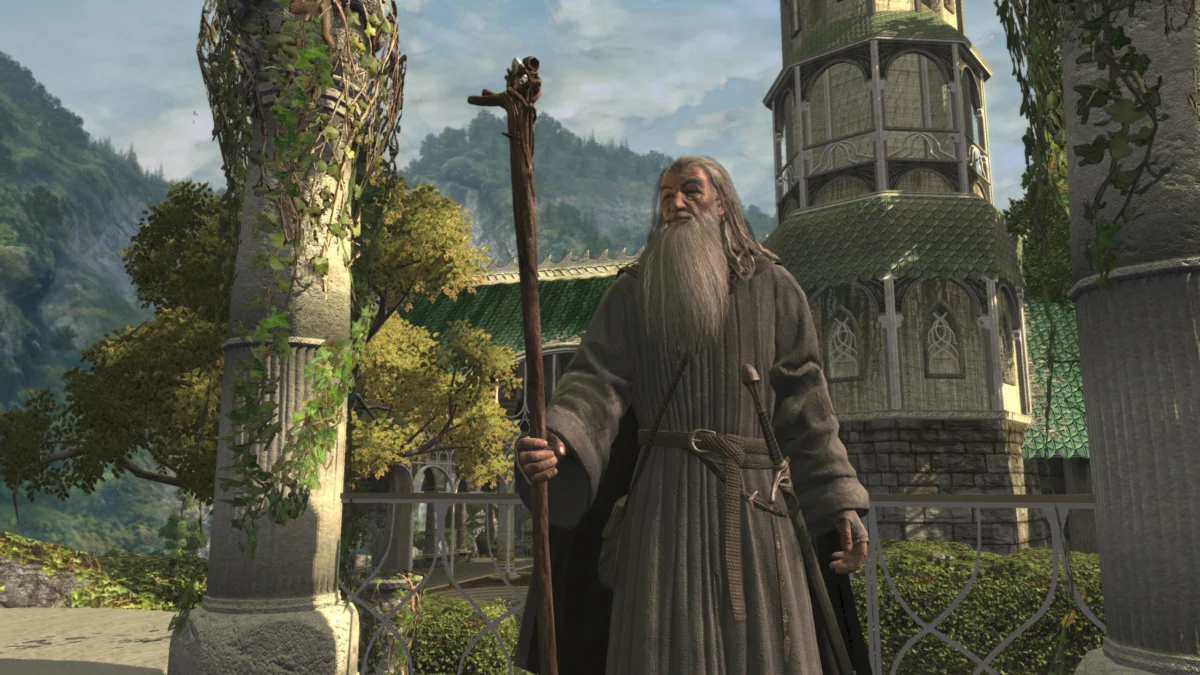
A decade-old action RPG, recently re-released and receiving a surprisingly warm reception on Steam, offers a poignant look back at a strategic misstep that may have doomed its initial launch.
Introduction: A Second Chance for a Forgotten Middle-earth Adventure
In the vast landscape of video game releases, some titles arrive with a deafening roar, dominating headlines and captivating audiences. Others, despite their inherent merit, find themselves lost in the cacophony, their potential overshadowed by circumstances beyond their control. Such is the tale of "The Lord of the Rings: War in the North," an action RPG released in 2011 by WB Games. While it may have initially failed to garner significant attention, a recent re-emergence on Steam in a polished "Legacy Edition" has breathed new life into this forgotten chapter of Middle-earth’s gaming legacy. The updated version is currently enjoying a "Very Positive" rating on Steam, a testament to its underlying quality, and this resurgence has prompted a deeper examination of its original, ill-fated launch.
The narrative of "War in the North" is one of missed opportunities and strategic blunders. While the game itself is now being lauded for its updated presentation and engaging gameplay, its original release date proved to be its undoing. A mere ten days before the colossal launch of Bethesda’s "The Elder Scrolls V: Skyrim," "War in the North" was thrust into a market already bracing for a seismic shift in the open-world RPG genre. This proximity to one of the most anticipated and critically acclaimed games of its generation undoubtedly stole much of its thunder, leaving it struggling for recognition in the shadow of a behemoth.
This article delves into the circumstances surrounding "War in the North’s" original release, exploring the internal warnings that went unheeded, the marketing missteps, and the broader industry trends that contributed to its initial struggle. We will trace the chronology of events, examine the financial pressures that likely influenced these decisions, and consider the lasting implications for both the game and the development studio behind it.
H2: The Shadow of a Giant: A Strategic Miscalculation
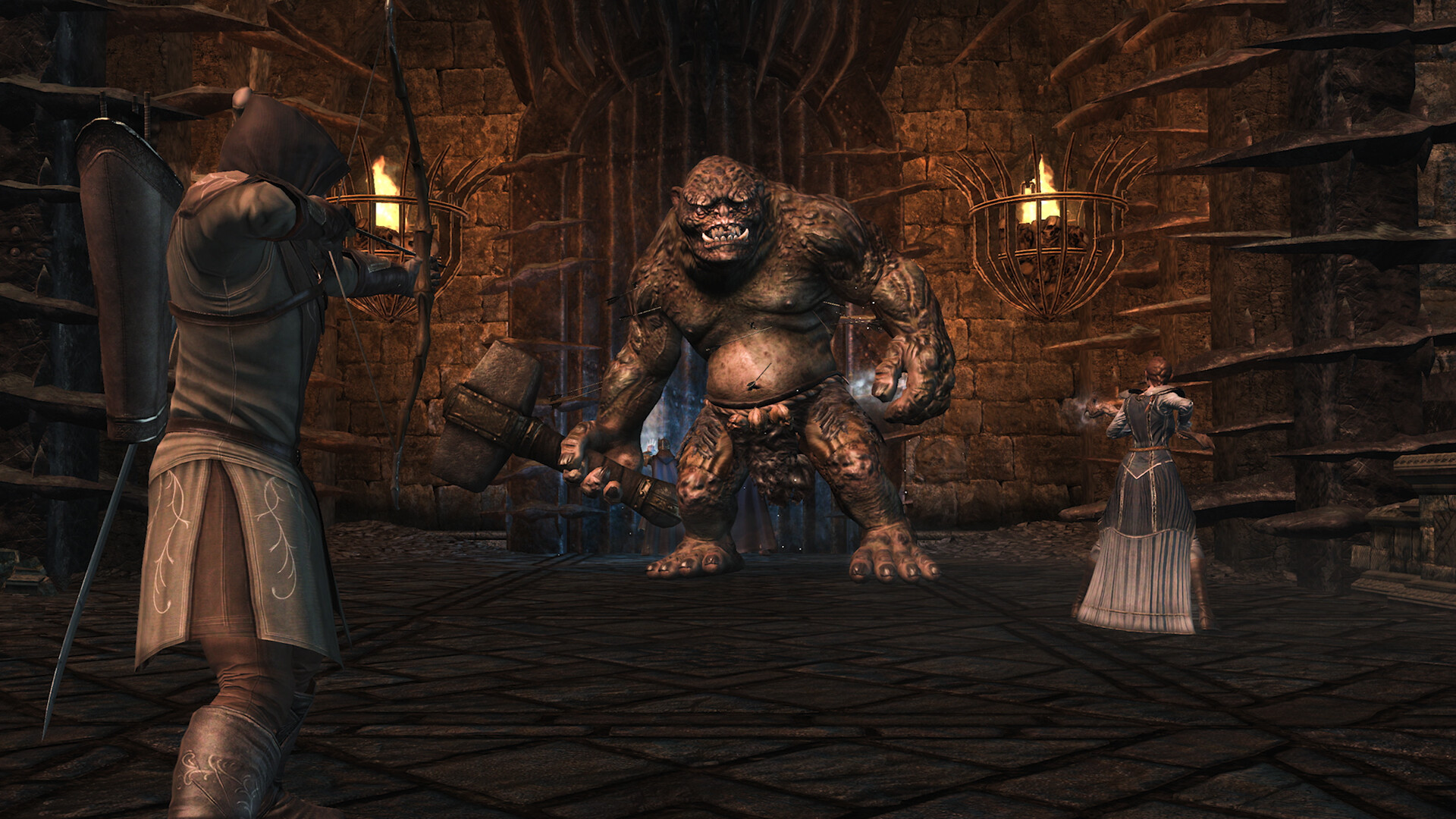
"The Lord of the Rings: War in the North," developed by Snowblind Studios and published by WB Games, was initially slated for release on November 1, 2011. The game promised a gritty, combat-focused experience set in the northern regions of Middle-earth, focusing on a different fellowship of heroes venturing beyond the familiar narrative of the Fellowship of the Ring. Its premise was compelling: to explore the lesser-known conflicts and lore of Tolkien’s universe, offering a fresh perspective on the War of the Ring.
However, the gaming world was already buzzing with anticipation for "The Elder Scrolls V: Skyrim," a title that would redefine open-world RPGs and become a cultural phenomenon. Bethesda’s flagship franchise had a formidable reputation, and the sheer scale and ambition of "Skyrim" were evident from its early marketing. The gaming press and players alike were fixated on its impending arrival.
Christian Allen, the former design director at WB Games Seattle, who was instrumental in coordinating Warner Bros.’ development and publishing efforts, has recently shed light on the internal discussions surrounding "War in the North’s" release date. In a series of posts on X (formerly Twitter), Allen revealed that he had "argued vociferously" against the November 1st release date. His reasoning was clear and prescient: launching so close to "Skyrim" would inevitably lead to "The Lord of the Rings: War in the North" being unfairly disadvantaged, failing to receive a "fair shake" from critics and players alike.
"I got overruled," Allen stated, reflecting on the decision with a sense of regret. The gravity of this decision, in retrospect, is undeniable. It represents a significant strategic misstep by WB Games, a failure to accurately assess the competitive landscape and the overwhelming cultural momentum of a rival title.
H3: The Unheeded Warning: A Developer’s Foresight
Allen’s recollection highlights a critical disconnect between the development team’s understanding of the market and the publisher’s ultimate decision-making. As someone deeply involved in the project’s oversight, Allen possessed a keen insight into the potential impact of competing releases. His warnings were not born of speculation but of a calculated assessment of the industry’s prevailing trends and the immense anticipation surrounding "Skyrim."
The fact that Allen’s advice was disregarded points to a potential issue within WB Games’ decision-making hierarchy at the time. While publishers often balance creative considerations with financial projections, such a stark warning from a key development lead suggests that other factors, perhaps more short-term in nature, may have taken precedence.
Allen’s subsequent comments further illuminate the challenges faced by "War in the North." He noted that, in addition to the overwhelming presence of "Skyrim," the game also suffered from a "strangely thin marketing campaign." This suggests a dual problem: a poor release window and insufficient promotional efforts to combat the prevailing narrative.
"Either WB Games ‘wrote it off’ [before launch]," Allen speculated, "or it ‘thought hardcore LOTR fans would just know about it, somehow.’ Unfortunately, even the Lord of the Rings doesn’t sell itself." This observation is crucial. The "Lord of the Rings" brand carries immense weight, but in a crowded marketplace, even beloved intellectual properties require robust marketing to cut through the noise and reach their intended audience. The perceived reliance on the brand alone, without a comprehensive marketing strategy, proved to be another critical failing.
H2: The Marketing Void: A Quiet Campaign for a Legendary Brand
The narrative surrounding "War in the North’s" marketing paints a picture of a campaign that was either underdeveloped or misaligned with the game’s potential. In the hyper-competitive environment of AAA game releases, a strong and consistent marketing push is essential to build awareness, generate excitement, and ultimately drive sales. For a game bearing the "Lord of the Rings" name, one might expect a significant marketing investment. However, Allen’s assertion of a "strangely thin marketing campaign" suggests otherwise.
Several possibilities arise from this observation. It’s conceivable that, by the time "War in the North" was nearing its release, Warner Bros. had already allocated significant marketing resources to other projects, or perhaps their internal projections for "War in the North" were not optimistic enough to warrant a substantial campaign. The idea that they might have "written it off" before launch is a harsh but plausible explanation.
Alternatively, the belief that "hardcore LOTR fans would just know about it" points to a potentially flawed understanding of the modern gaming audience. While dedicated fans of Tolkien’s work are certainly a passionate group, they are also part of a broader gaming community that is influenced by widespread marketing and critical reception. Relying solely on existing fandom to generate awareness is a risky strategy, especially when competing against the immense marketing machine of a title like "Skyrim."
This lack of robust marketing meant that "War in the North" struggled to establish its own identity and voice in the market. Players were bombarded with news and trailers for "Skyrim," and any attention that might have been directed towards "War in the North" was quickly diverted. The game, despite its potential to offer a unique and engaging experience within the "Lord of the Rings" universe, was effectively drowned out before it had a chance to truly make its mark.
H3: The Financial Imperative: Quarterly Revenue Motivations
The decisions surrounding game releases are often influenced by a complex interplay of creative vision and financial pressures. In publicly traded companies like Warner Bros., the emphasis on quarterly revenue can sometimes lead to short-sighted decisions that prioritize immediate financial gains over long-term project success. Christian Allen alluded to this reality in his reflections.
"Quarterly revenue motivations drive more decisions than people realize," he stated. "It’s a big challenge with stock-price driven organizations." This statement speaks to the inherent tension between the artistic and commercial aspects of game development. Executives are often under pressure to meet specific financial targets each quarter, and this can lead to decisions that, while seemingly beneficial in the short term, can have detrimental effects on the success of individual projects.
Holding a game for a more favorable release window, such as delaying it until March as Allen suggested as an alternative, might have resulted in a better reception and potentially higher long-term sales. However, this would have meant foregoing revenue in the current fiscal quarter. For executives focused on hitting quarterly targets, the immediate financial hit of a delay could be a difficult pill to swallow, even if it meant a more successful launch later on.
"Must be hard to be an exec and go, ‘Well, this game will do better if we hold it until March, but my bonus will take a 50% hit,’" Allen mused, highlighting the personal incentives that can influence corporate decision-making. This often creates a scenario where the "art" of game development is subservient to the "science" of financial reporting, leading to outcomes that may not always be in the best interest of the game or its creators.
H2: The Lingering Legacy: A Studio’s Fate and a Game’s Redemption
The impact of "War in the North’s" troubled launch extended beyond just its commercial performance. The game’s developer, Snowblind Studios, faced significant changes in the aftermath. In 2012, shortly after the game’s release, Snowblind Studios was merged with Monolith Productions. This consolidation saw many former Snowblind staff members contribute to later, more successful "Lord of the Rings" titles, such as "Middle-earth: Shadow of Mordor" and its sequel, "Shadow of War."
Tragically, the studio that had once been responsible for "War in the North" and the acclaimed "The Lord of the Rings: The Return of the King" game eventually met its end. In 2025, Warner Bros. shuttered Monolith Productions, along with other studios, as part of what was described as a "strategic change." This closure marked the end of an era for a studio that had played a significant role in the "Lord of the Rings" gaming landscape.
Despite the professional and creative setbacks, "The Lord of the Rings: War in the North" has found a measure of redemption. The recent release of the "Legacy Edition" on Steam has allowed a new generation of players, and perhaps some who missed it the first time around, to experience the game. The overwhelmingly positive feedback suggests that, stripped of the overwhelming competitive pressure and bolstered by modernizations, the game’s core strengths can finally shine through.
This resurgence offers a poignant reminder that sometimes, good games can get lost in the shuffle. It also underscores the importance of strategic planning and robust marketing in the highly competitive video game industry. The story of "War in the North" serves as a cautionary tale about the consequences of corporate short-sightedness and the potential for a beloved franchise to be underserved by its own publisher.
H3: The Industry Mirror: Echoes of Past Decisions
Allen’s final observation about the games industry resonates deeply: "Maybe the games industry of today isn’t all that different from those of previous decades, despite how often it feels otherwise." This sentiment highlights a cyclical nature within the industry, where the same pressures and flawed decision-making processes can resurface, even as technology and trends evolve.
The narrative of "War in the North" is not an isolated incident. Throughout gaming history, numerous titles have been hampered by poor release timing, inadequate marketing, or a publisher’s overestimation of their brand’s inherent appeal. The constant drive for quarterly profits, coupled with the intense competition, can create an environment where the long-term health of a project is sacrificed for short-term financial gains.
The recent success of "War in the North’s" Legacy Edition, however, offers a glimmer of hope. It suggests that, even after years of being overlooked, a well-crafted game can still find its audience. It also serves as a powerful testament to the dedication of the development teams who poured their talent into these projects, often working under challenging circumstances.
As the games industry continues to mature and evolve, the lessons learned from the story of "The Lord of the Rings: War in the North" remain relevant. They serve as a stark reminder that success is not solely determined by the quality of the game itself, but also by the strategic decisions made by those who bring it to market. The fellowship of "War in the North" may have been delayed in its initial journey, but its story, now retold and appreciated, finally finds its rightful place in the annals of Middle-earth gaming.