Unsilencing the Past: Joanna Rubin Dranger and the Cartography of Jewish Memory
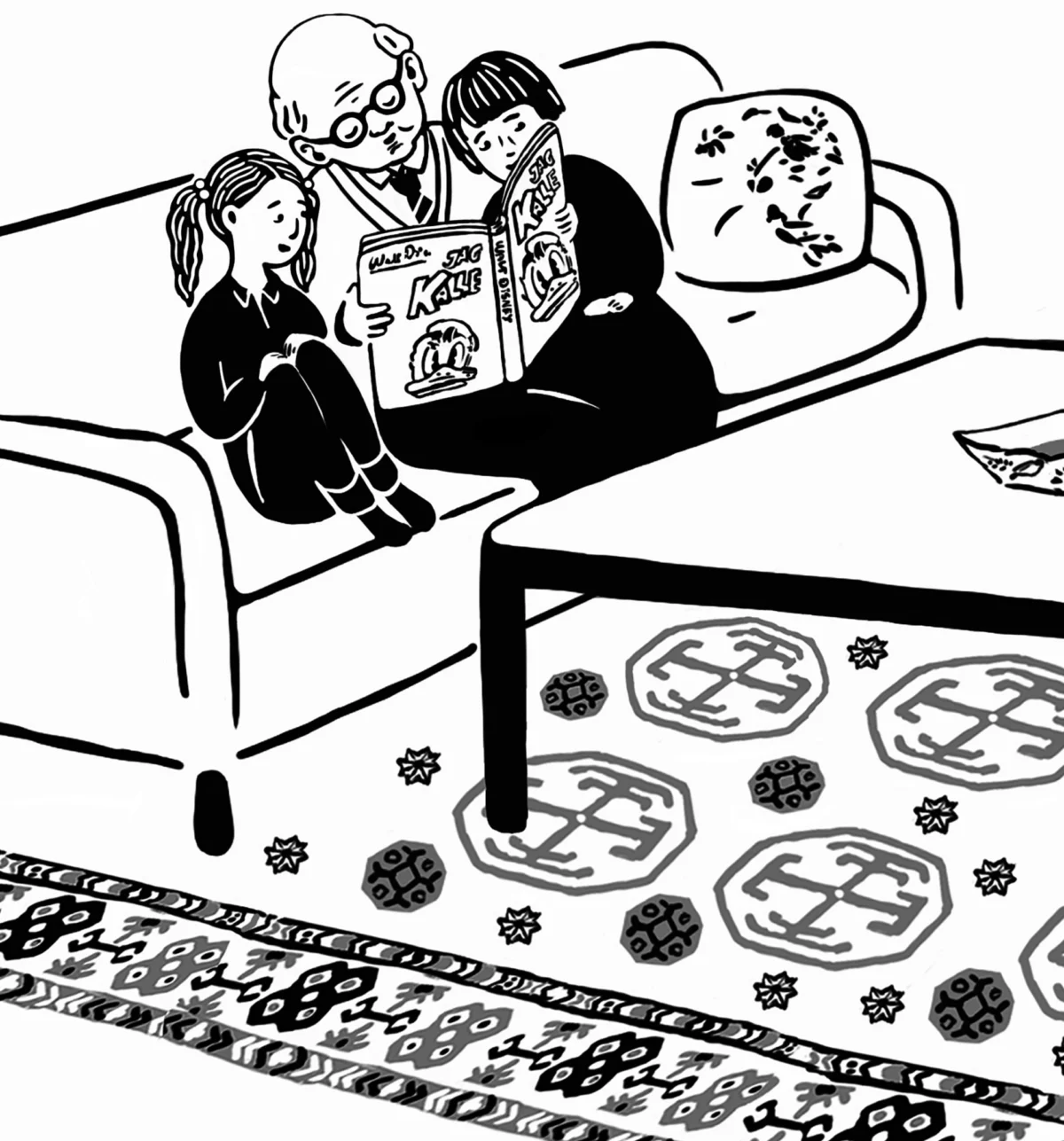
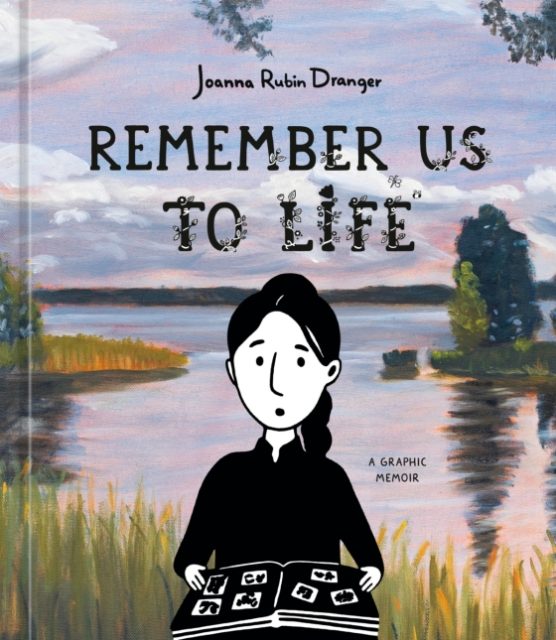
STOCKHOLM — For decades, the narrative of Sweden during World War II was one of "neutrality" and a safe haven for those fleeing the Nazi regime. However, the work of Joanna Rubin Dranger, one of Sweden’s most celebrated comics artists and illustrators, is systematically dismantling this simplified history. Her magnum opus, Remember Us to Life (Ihågkom oss till liv), has not only redefined the boundaries of the graphic novel but has also forced a national reckoning with the "silence" that followed the Holocaust.
In a sweeping career that spans over 25 years, Dranger has moved from the whimsical, existential anxieties of her early work to a profound, archival investigation into her family’s disappearance. Her latest efforts, including the recent publication of Hidden Jewish Lives (Dolda judiska liv), highlight a disturbing trend: the re-emergence of Jewish invisibility in the face of rising global antisemitism.
Main Facts: A Landmark in Nordic Literature
The publication of Remember Us to Life marked a watershed moment in European literature. In 2023, it became the first graphic novel ever to win the prestigious Nordic Council Literature Prize, the highest literary honor in the Nordic countries. The book is a 120-year saga that weaves together the personal history of the Katz family with the broader, often darker history of Sweden and Europe.
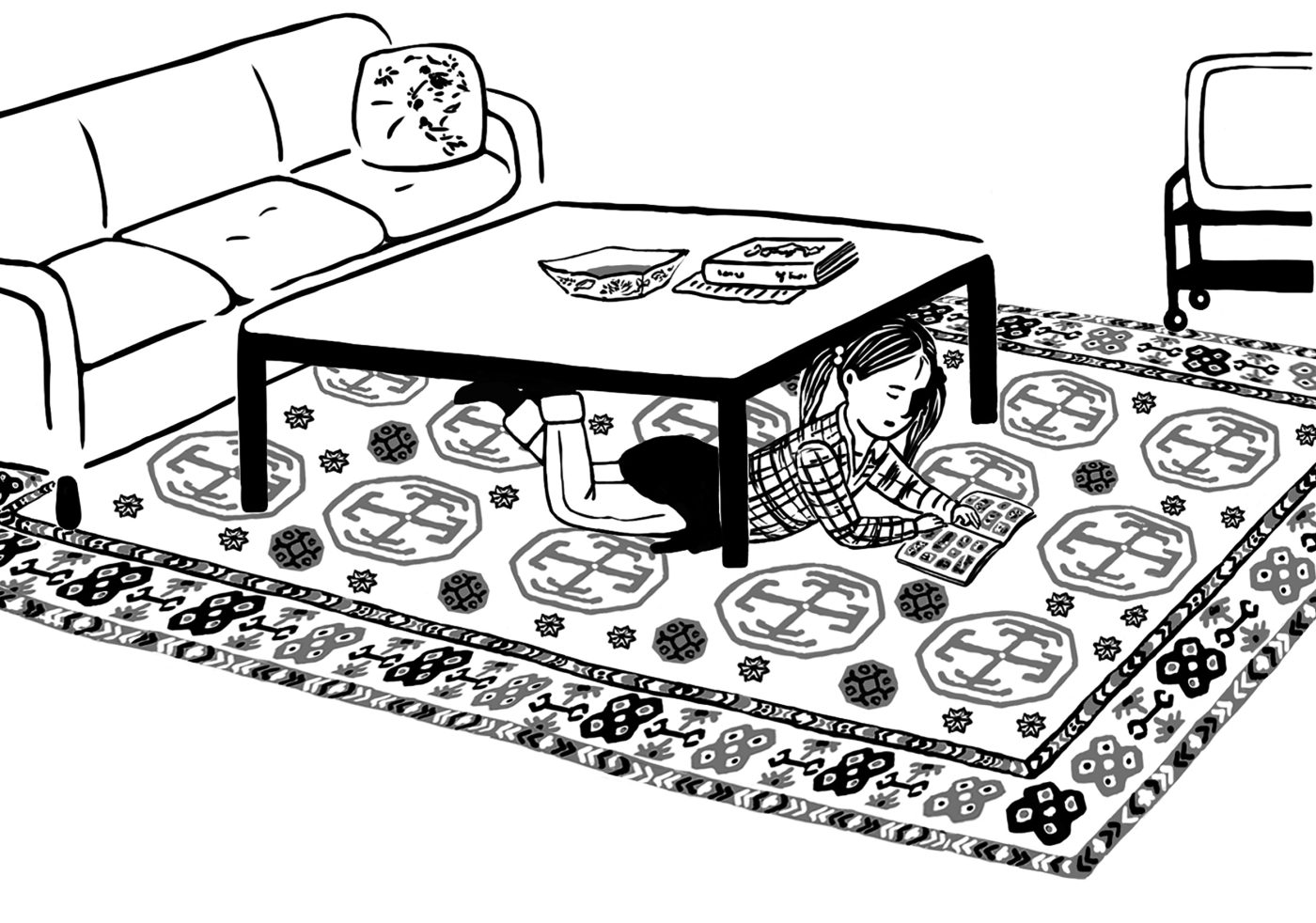
Dranger’s work is characterized by a "polyphonic" narrative style, mixing traditional comic panels with illustrated prose, historical photographs, and academic-style lectures. The book serves as a counter-testimony to Art Spiegelman’s Maus. While Maus is a story of a survivor’s testimony, Dranger’s work is a story about the lack of testimony—an investigation into the "missing pieces" of a family tree where entire branches were erased by the Holocaust and subsequently buried under decades of familial and national silence.
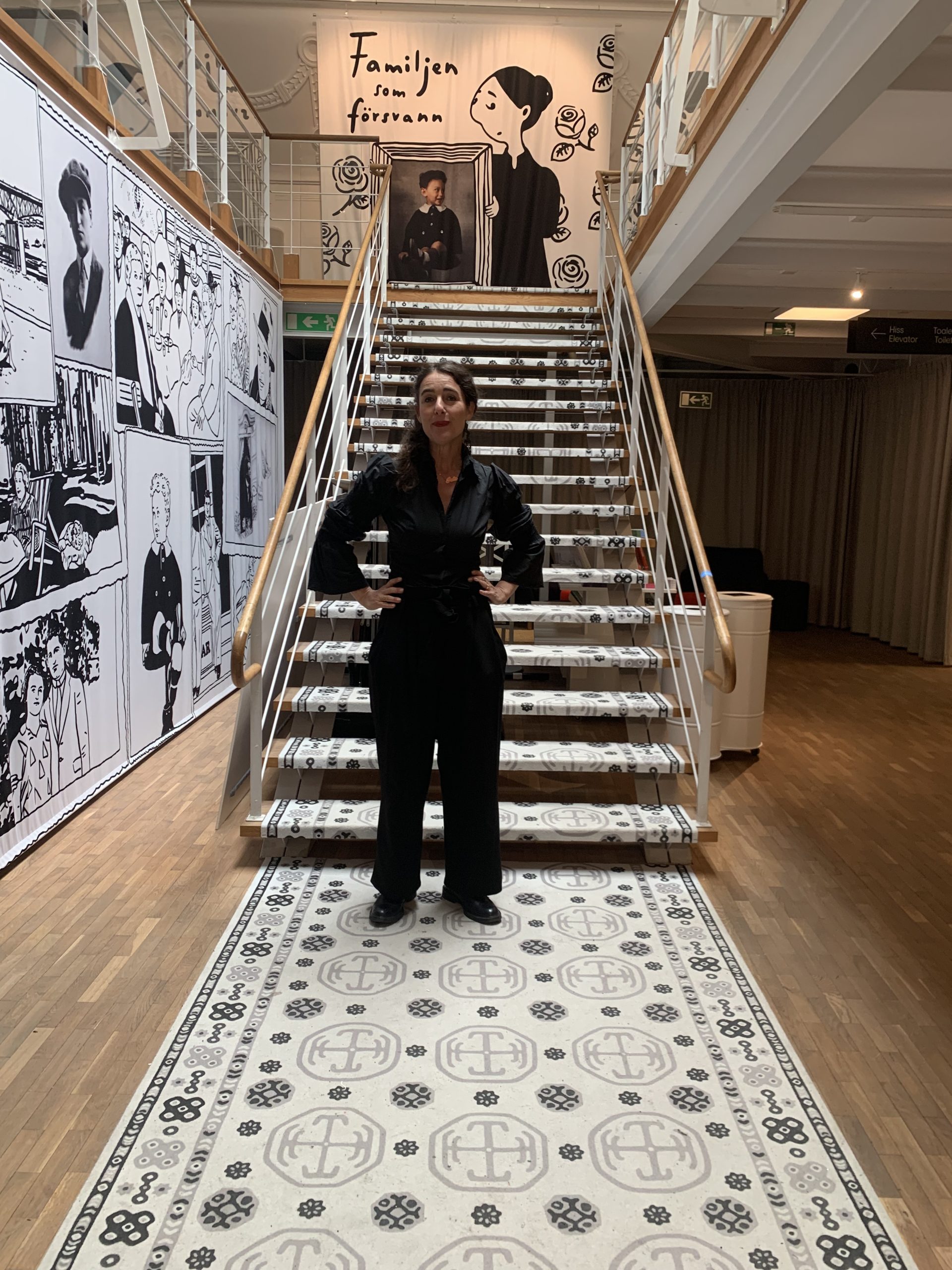
Following the success of Remember Us to Life, Dranger released Hidden Jewish Lives in 2024, a collection of interviews and portraits of 35 Swedish Jews who, for generations, kept their identity a secret. This follow-up work has become particularly poignant in the wake of the events of October 7, 2023, and the subsequent surge in antisemitic sentiment globally.
Chronology: From ‘Miss Scaredy-Cat’ to Art Professor
The trajectory of Joanna Rubin Dranger’s career reflects the evolution of the Swedish comics scene itself.
- 1999–2005: The Rise of an Icon. Dranger debuted with Fröken Livrädd & Kärleken (Miss Scaredy-Cat & Love). Its square format, minimalist black-and-white art, and one-image-per-page layout revolutionized the medium in Sweden, making graphic novels accessible to a mainstream audience. She followed this with Miss Remarkable and Her Career, cementing her status as a voice for millennial existentialism.
- 2007–2017: The Academic Hiatus. At the height of her creative fame, Dranger was appointed a professor of illustration at Konstfack (the University College of Arts, Crafts and Design) in Stockholm. For ten years, the demands of academia and the "performance" of the position largely halted her creative output. This period was also marked by personal health struggles, including a stress-induced stroke, which she attributes to the intense pressures of her role.
- 2017–2022: The Deep Dive. After leaving Konstfack, Dranger began what was intended to be a simple picture book about her Jewish ancestors in Sweden. However, the discovery of relatives who "simply disappeared" turned the project into a five-year research odyssey.
- 2022–Present: Recognition and New Frontiers. Remember Us to Life was published to immediate critical acclaim, followed by the Nordic Council Prize. Since then, Dranger has transitioned into a role as a public intellectual and historian-artist, focusing on the contemporary Jewish experience in Sweden.
Supporting Data: Uncovering the Katz Family Legacy
The core of Dranger’s recent work is the story of Aron and Rebecka Katz, her great-grandparents. Their journey provides a stark contrast to the eventual tragedy of the Holocaust.
Aron and Rebecka fled the violent pogroms of Bialystok in the early 20th century, arriving in Gothenburg, Sweden, with almost nothing. In a narrative that Dranger describes as "fascinatingly bright," the family settled in the scenic town of Hindås. Far from being outcasts, the Katz family was embraced by the local Swedish community. Aron, a textile expert, opened a successful shop, and their seven children attended Tyringe, one of the country’s most progressive boarding schools, alongside the Swedish upper class.
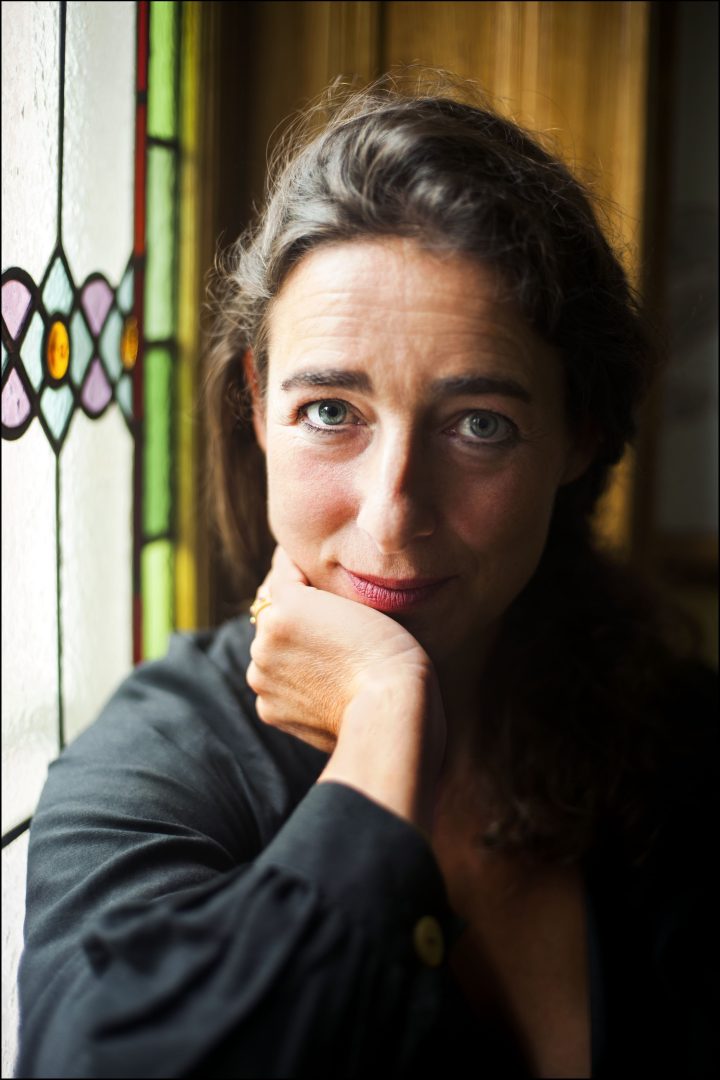
However, Dranger’s research revealed a "shadow" family. While the Swedish branch of the family thrived, the relatives who remained in Poland or fled to Norway faced a different fate.
During her research, Dranger:
- Fact-checked with historians: To ensure the book could not be dismissed as mere "subjective memory," Dranger worked with leading experts on WWII and the German occupation of Norway (such as Marte Michelet) to verify Sweden’s role in the conflict.
- Identified the "Missing": She discovered relatives whose names had been forgotten by her own parents and grandparents—a psychological phenomenon of "sorting out" trauma that Dranger explores in the book.
- Documented "Hidden" Identities: In her subsequent book, Hidden Jewish Lives, Dranger found that some Swedish families had hidden their Jewishness for up to three generations, even from their own children, as a survival mechanism.
Official Responses and Public Reception
The reaction to Dranger’s work has been a mixture of literary celebration and societal shock.
Literary Critics: Reviewers in Sweden and abroad have praised Dranger for her "aesthetic courage." By refusing to stick to a single "visual style," she uses realism, caricature, and photography to mirror the fragmented nature of memory. The Nordic Council’s jury noted that the book "manages to make the invisible visible."
The Jewish Community: The response from the Swedish Jewish community has been deeply emotional. Dranger reports receiving hundreds of letters from individuals who felt "seen" for the first time. For many, her description of a secular, assimilated upbringing resonated with a generation that felt disconnected from their heritage due to the "silence" of their ancestors.
Educational Impact: There have been growing calls from Swedish educators and journalists to include Remember Us to Life in the national secondary school curriculum. Proponents argue that the book provides a more nuanced and accurate portrayal of Sweden’s wartime history than traditional textbooks.
Implications: The Return of Invisibility
The final section of Dranger’s current work deals with the sobering implications of contemporary politics. The "openness" she initially felt while writing Remember Us to Life—a sense that it was finally safe to be Jewish in Sweden—has been challenged by the events following October 7, 2023.
The New Invisibility
In Hidden Jewish Lives, Dranger notes a tragic reversal. Many of her interviewees, who had just begun to open up about their heritage, expressed a desire to "go back into the closet." One interviewee told Dranger, "Maybe my father was right, we shouldn’t talk about it," reflecting a resurgence of the survival instinct to hide one’s identity.
A New Wave of Minority History
Dranger’s work is part of a broader movement in Swedish comics where artists are using the medium to explore minority histories. She draws parallels between her work and that of Mats Jonsson, who explored his suppressed Sami heritage in När vi var samer (When We Were Sami), and Lisa Wool-Rim Sjöblom, who investigated the dark side of international adoption in Palimpsest. Together, these artists are creating a new "People’s History" of Sweden that challenges the myth of a homogeneous, blond utopia.
The Global Wave of Antisemitism
Dranger is outspoken about the current political climate, describing it as the "first global and digital wave of antisemitism." She expresses shock at the inability of public discourse to separate legitimate criticism of the Israeli government from ancient antisemitic tropes. Her work now serves a dual purpose: it is both a memorial to the murdered and a warning to the living.
Conclusion
Joanna Rubin Dranger has transitioned from a chronicler of personal neuroses to a cartographer of the European soul. By digging into the "disappeared" history of her family, she has provided a language for others to articulate their own unspoken traumas. While the current global climate suggests a return to the "silence" she worked so hard to break, Dranger’s body of work stands as a permanent, ink-and-paper barrier against the erasure of memory. As she continues to tour and advocate for the translation of her work, the message remains clear: to remember is not just a tribute to the dead, but a necessity for the survival of the living.