A Pixel-Perfect Homage: Aspiring Developer Recreates Super Mario Bros. 1-1 in Godot Engine, Showcasing the Enduring Power of a Gaming Icon
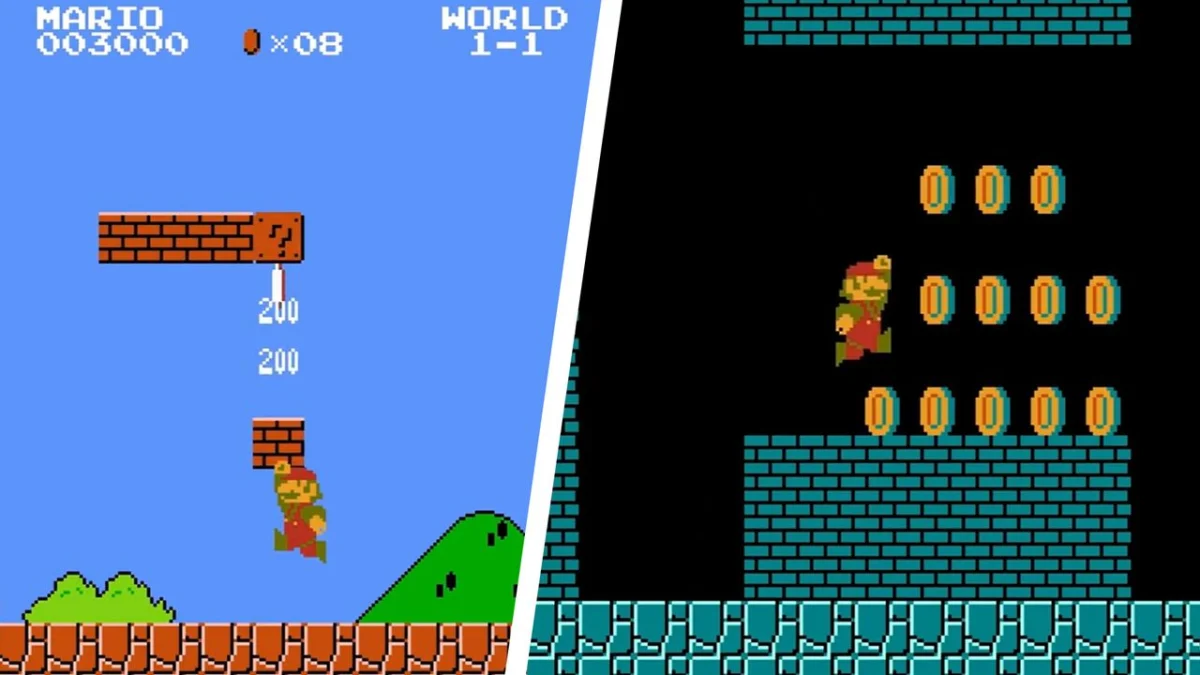
The digital landscape is a constant testament to innovation, with new engines and tools emerging to empower creators. Yet, amidst this technological evolution, a timeless appeal persists: the beloved world of Super Mario Bros. This iconic franchise continues to serve as a fertile ground for aspiring game developers, offering a familiar yet challenging canvas upon which to hone their craft. From ambitious 3D reimaginings in Unreal Engine 5 to intentionally lo-fi interpretations, the spirit of Mario is being continually reinvented by a new generation of talent. The latest testament to this enduring legacy comes from a developer who, as an exercise in mastering the free and open-source Godot Engine, has meticulously recreated the entirety of the first level of the original Super Mario Bros.
This impressive undertaking, shared on Reddit, not only demonstrates the developer’s growing proficiency but also underscores the profound impact and enduring design principles of Nintendo’s groundbreaking 1985 title. It’s a project born from passion, a deep appreciation for gaming history, and a desire to push personal boundaries in game development.
The Genesis of a Nostalgic Reimagining
The world of indie game development is often fueled by passion projects, where creators tackle familiar territory to learn new skills. Super Mario Bros. has become a de facto proving ground for many, offering a well-understood set of mechanics and level design principles that are both accessible and complex enough to provide a genuine learning experience. We’ve witnessed a remarkable spectrum of these fan-made tributes. Some have aimed for grand, modern interpretations, such as the breathtaking 3D rendition of Super Mario World crafted in Unreal Engine 5, which garnered significant attention for its visual fidelity and engaging gameplay. Others have embraced a more avant-garde approach, like the intentionally "awful" blocky Mario remake, which cleverly subverted expectations by presenting the classic game through a brilliantly low-fi, almost abstract art style. Even the potential business models of established publishers have been humorously explored, with a fan-made demo imagining what an EA-produced Super Mario Bros. might entail, complete with its own satirical take on monetization strategies.
Now, a new contender has emerged in this vibrant ecosystem of Mario tributes. A developer, known online as "devellopsomedonkus69," has embarked on a comprehensive recreation of the very first level of Nintendo’s seminal Super Mario Bros. This project is not merely an artistic endeavor but a deliberate learning exercise, designed to master the intricacies of the Godot Engine, a powerful and increasingly popular free and open-source game development platform.
A Chronological Journey Through Level 1-1
The developer’s journey into recreating Super Mario Bros. 1-1 began as part of a personal learning initiative known as the "20 Games Challenge." This self-directed program is designed to guide individuals through the process of building a series of 20 classic video games, progressively increasing in complexity. For "devellopsomedonkus69," the Super Mario Bros. stage of this challenge presented an opportunity to truly immerse themselves and push their capabilities.
"I really love Mario games, so when I got to that part of the challenge I decided to go all out and recreate SMB 1-1 as faithfully as I could," the developer shared on Reddit, explaining their motivation. This commitment to fidelity meant meticulously recreating almost every element from scratch. The only exception, as noted by the developer, was the game’s audio, which was likely sourced or inspired by the original. This hands-on approach involved a painstaking process of pixel-by-pixel copying of the iconic art assets, a task that demands immense patience and attention to detail.
The development timeline for this ambitious project spanned approximately 45 days, with work occurring between late March and early May. While the exact number of hours invested remains unquantified, the sheer dedication over this period is evident in the final product. This intensive period of development allowed the aspiring developer to gain invaluable insights into the complexities of classic game design.
Supporting Data: The Pillars of a Faithful Recreation
The success of this Super Mario Bros. 1-1 remake lies in its meticulous attention to detail and its adherence to the core mechanics of the original. The developer’s dedication to authenticity is evident in several key areas:
- Visual Fidelity: The art assets have been painstakingly recreated to match the original’s pixel art style. This includes everything from the iconic blocky terrain and question mark blocks to the Goombas, Koopa Troopas, and the familiar pipes. The color palette, sprite animations, and overall aesthetic have been replicated with remarkable accuracy, evoking a strong sense of nostalgia for players familiar with the NES classic.
- Physics and Movement: A critical aspect of any Mario game is its precise physics and responsive controls. The developer has focused on replicating Mario’s signature jump arc, his momentum, and the way he interacts with the environment. This includes the subtle nuances of how Mario accelerates, decelerates, and maintains momentum, all of which contribute to the distinctive "feel" of the original game.
- Level Design and Interaction: The layout of World 1-1, with its carefully placed platforms, hidden blocks, and enemy patrols, has been faithfully reproduced. The functionality of interactive elements, such as breaking bricks, hitting question mark blocks to reveal power-ups, and the behavior of enemies, has also been implemented with care.
- Learning Through Replication: The developer explicitly stated that the project was undertaken to learn the Godot Engine. This implies a deep dive into Godot’s various features, including its 2D rendering capabilities, physics engine, scripting language (GDScript), animation system, and scene management. The process of replicating a well-established game forces a developer to understand how to implement fundamental game development concepts.
Developer’s Insights: The Value of the Grind and the Wisdom of Scope
"devellopsomedonkus69" shared valuable insights into their development process and the lessons learned. The developer expressed a newfound appreciation for the immense effort that went into creating these classic games, a sentiment often echoed by those who attempt to deconstruct and recreate them.
However, the journey was not without its challenges. The developer admitted to experiencing burnout towards the end of the project, a common pitfall for developers who become overly engrossed in achieving absolute perfection. This led to a strategic decision to "cut some scope," specifically omitting the fire flower and star power power-ups, to ensure the project could be brought to a satisfactory conclusion. This decision highlights a crucial lesson for aspiring game developers: the importance of managing scope and understanding when to declare a project complete, rather than getting bogged down in an endless pursuit of perfection.
Despite the challenges, the developer found immense value in the experience. "It gave me a lot of confidence and a better understanding of how to break down a game into small problems that can more easily be solved," they stated. This is a fundamental skill in game development, where complex systems are built by solving a series of smaller, manageable issues. The confidence gained from successfully tackling such a detailed project is invaluable for future endeavors.
The developer also offered a piece of advice for beginners: prioritize fun and avoid getting too fixated on perfection. While the dedication to detail in this project is commendable, it’s a testament to a more advanced learning approach. For those just starting out, a less intensive approach that still allows for learning and enjoyment might be more beneficial.
Implications: The Enduring Power of Nostalgia and the Accessibility of Godot
This fan-made recreation of Super Mario Bros. 1-1 serves as a powerful reminder of the enduring cultural impact of iconic video games. The ability to revisit and interact with these beloved worlds, even in a new form, continues to resonate deeply with players of all ages. It taps into a wellspring of nostalgia, offering a comforting and familiar experience in an ever-changing digital landscape.
Furthermore, projects like this highlight the growing accessibility of powerful game development tools like the Godot Engine. Godot’s open-source nature, combined with its user-friendly interface and robust feature set, makes it an attractive option for independent developers and studios alike. The fact that such a faithful and detailed recreation can be achieved using a free engine is a testament to its capabilities and the thriving community that supports it.
The developer’s decision to make their work publicly available on platforms like Itch.io allows others to experience their creation firsthand, fostering a sense of community and inspiring further innovation. This accessibility is crucial for democratizing game development and empowering a wider range of individuals to bring their creative visions to life.
In conclusion, "devellopsomedonkus69’s" recreation of Super Mario Bros. 1-1 is more than just a nostalgic throwback; it’s a modern testament to the timeless design of a gaming masterpiece and the evolving power of accessible game development tools. It’s a project that beautifully bridges the past and the present, offering a playable piece of history and a promising glimpse into the future of independent game creation. For those seeking a dose of pure gaming joy and an appreciation for the dedication of aspiring developers, this pixel-perfect homage is a must-experience.