AI Dominates Future of Game Development, Gamescom Survey Reveals Mixed Sentiments

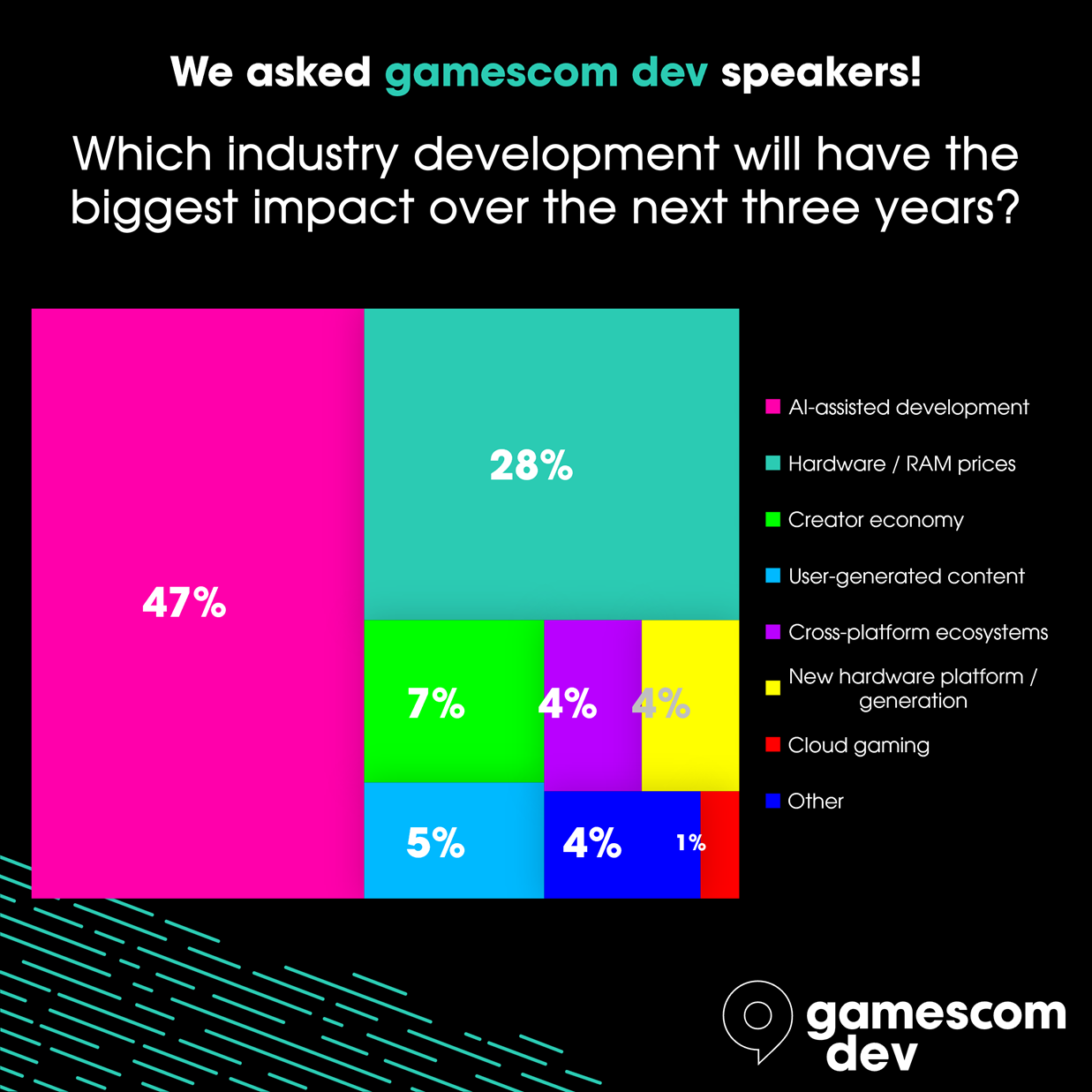
Cologne, Germany – Artificial intelligence is poised to be the most transformative force in the video game industry over the next three years, according to a comprehensive survey of game developers released ahead of Gamescom, Europe’s premier video game trade fair. The 2026 Gamescom dev Speaker Survey, which polled 100 industry professionals, indicates a strong expectation that AI will fundamentally alter team structures, productivity, and even the very nature of game creation. However, the survey also highlights a significant divergence in opinions regarding the specific impact and optimal integration of AI, alongside persistent concerns about economic headwinds and market saturation.
The Unstoppable Rise of AI in Game Development
The findings underscore a near-universal recognition of AI’s impending influence. A striking 83% of survey respondents believe AI will impact either team structure or productivity in some capacity. This overwhelming consensus points to a seismic shift on the horizon, prompting developers to grapple with how this powerful technology will reshape their workflows and creative processes.
"The data from the Gamescom dev Speaker Survey clearly illustrates that AI is no longer a distant theoretical concept for game developers; it’s a present and future reality," commented Dr. Anya Sharma, a leading industry analyst. "The sheer percentage of developers anticipating its impact suggests that companies are actively exploring or already implementing AI solutions, driven by the potential for enhanced efficiency and new creative avenues. The challenge now lies in navigating the complexities of its integration and addressing the anxieties it may generate."
While the broad consensus on AI’s impact is clear, the specifics of that impact remain a subject of considerable debate. When asked about the precise nature of AI’s influence, opinions diverged significantly.

Shifting Roles vs. Shrinking Teams: The AI Dilemma
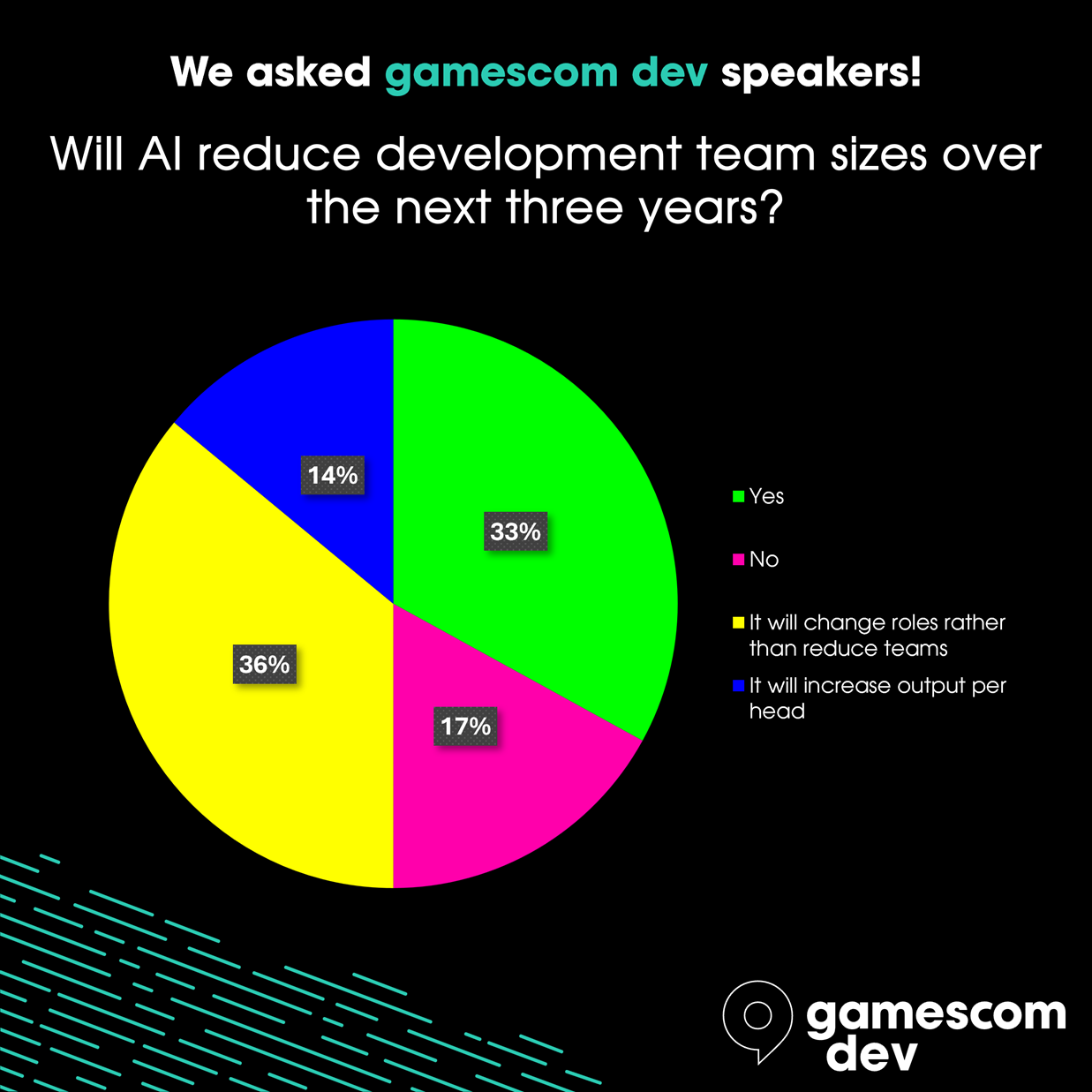
A substantial portion of developers, 36%, anticipate that AI will lead to a redefinition of roles within development teams rather than outright job reductions. This perspective suggests a future where AI acts as a powerful co-pilot, augmenting human capabilities and freeing up developers to focus on higher-level creative and strategic tasks. This could manifest in AI assisting with repetitive coding tasks, generating initial art assets, or even streamlining playtesting and bug detection.
However, a nearly equal proportion of respondents, 33%, foresee AI contributing to smaller team sizes. This viewpoint raises concerns about potential job displacement, as AI tools become capable of performing tasks previously handled by human developers. This could lead to a more streamlined, efficient development pipeline, but also necessitates a proactive approach to reskilling and upskilling the existing workforce.
Adding another layer to this discussion, 14% of developers believe AI will primarily lead to an increase in per-person output. This optimistic outlook suggests that AI will empower individual developers to achieve more in less time, potentially accelerating project timelines and enabling smaller teams to tackle more ambitious projects.
Divided Views on AI’s Optimal Application
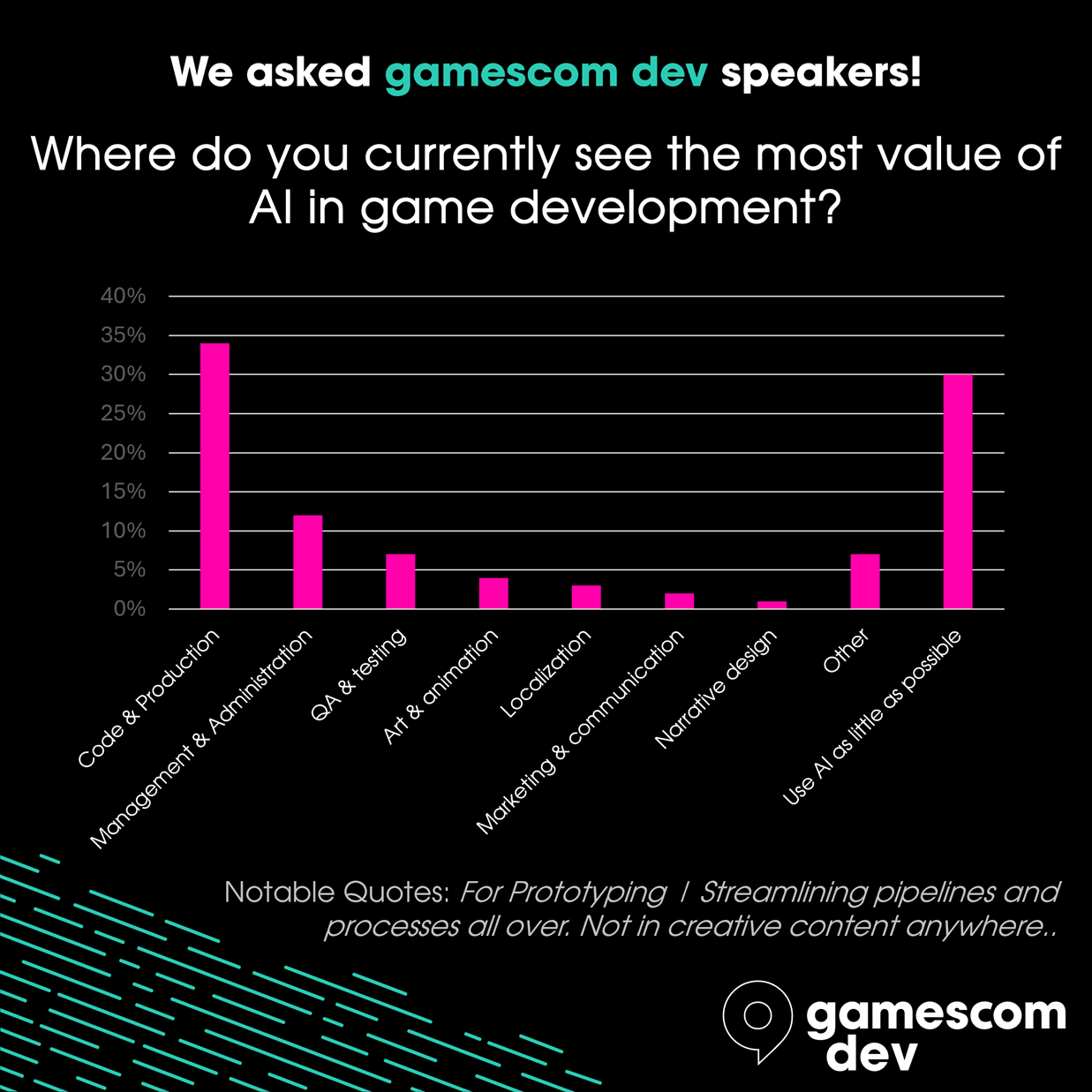
The survey also revealed a stark division on how AI should best be leveraged within the game development process. A significant segment of developers, 34%, see the greatest value of AI residing in code generation and production pipelines. This pragmatic approach prioritizes AI’s ability to automate complex technical tasks, optimize workflows, and accelerate the development cycle.

Conversely, a considerable 30% of developers expressed a preference for minimal AI involvement in game development, highlighting a cautious or even resistant sentiment towards its integration. This group may harbor concerns about the potential for AI to stifle creativity, introduce unforeseen ethical dilemmas, or dilute the human element that is often considered core to artistic expression.
"The dichotomy in how developers perceive AI’s application is fascinating," noted Dr. Sharma. "It reflects a fundamental tension between the drive for efficiency and innovation versus the preservation of creative integrity and the human touch. The industry needs to foster open dialogue and establish clear ethical guidelines to ensure AI serves as a tool for enhancement, not a replacement for human ingenuity."
Navigating the Opportunities and Challenges of the Evolving Landscape
Beyond the immediate impact of AI, the Gamescom survey delved into the broader opportunities and challenges facing the game development industry. Developers expressed a clear vision for what constitutes the most significant growth areas.
Opportunities: Smaller Teams, New Horizons
The prospect of smaller development teams emerged as the most significant opportunity, cited by 37% of respondents. This outlook aligns with the trend towards more agile and focused development, where specialized teams can leverage efficient tools and workflows to create compelling experiences. This could also democratize game development, making it more accessible to independent creators and studios.
Other key opportunities identified include new publishing models and community building, both receiving 15% of the vote. The rise of diverse publishing platforms and the increasing importance of direct engagement with players suggest a dynamic market where innovation in distribution and player interaction can unlock significant growth.
Challenges: Economic Uncertainty and Market Saturation Loom Large
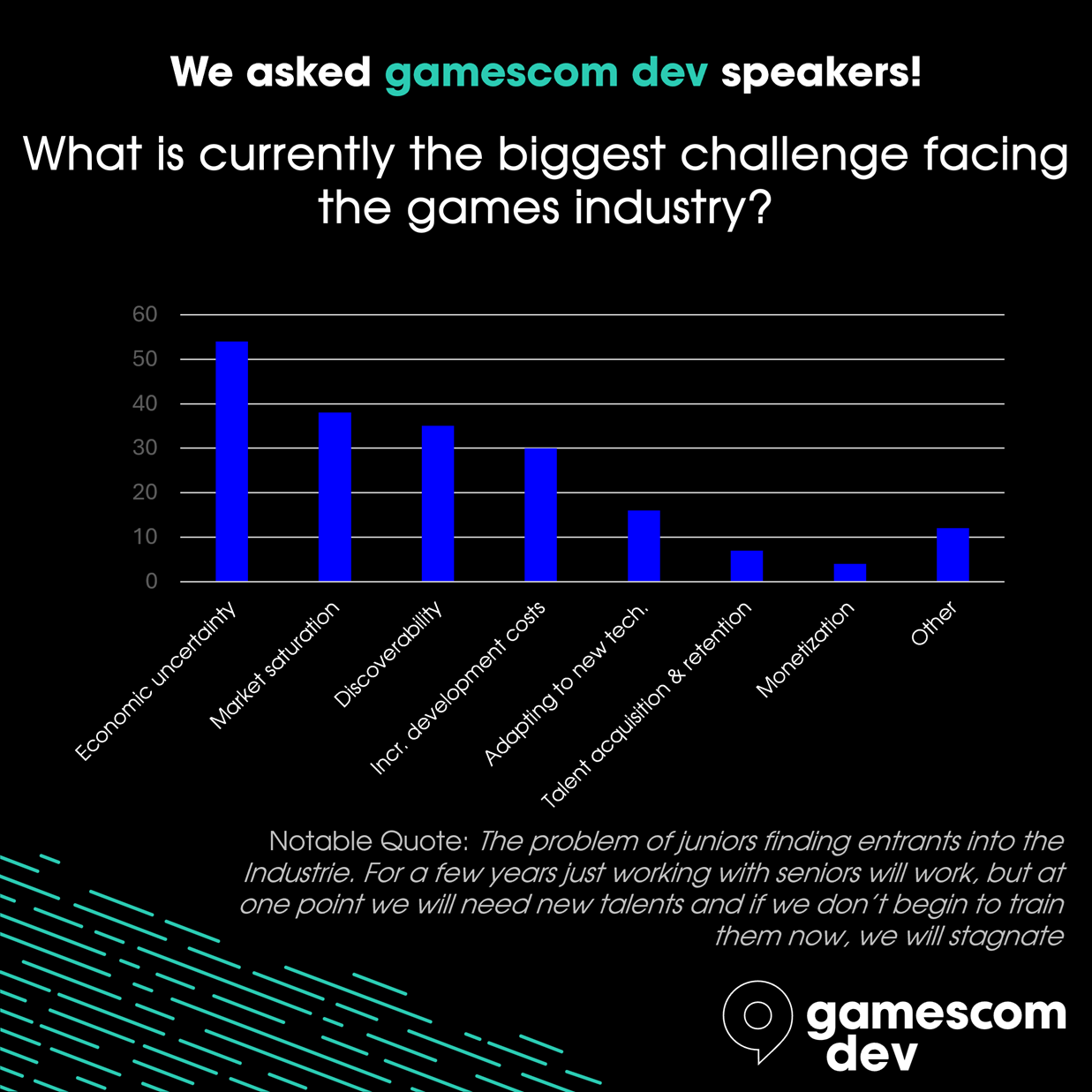
Despite the optimism surrounding AI and new opportunities, developers remain acutely aware of the significant hurdles ahead. Economic uncertainty was identified as the most pressing challenge, with 54% of respondents highlighting it as a major concern. This sentiment likely reflects the broader global economic climate, impacting investment, consumer spending, and overall market stability.
Market saturation was another significant concern, cited by 38% of developers. The sheer volume of games released annually makes it increasingly difficult for titles to stand out and capture player attention, creating a highly competitive landscape. This is further compounded by discoverability issues, with 35% of developers pointing to the challenge of ensuring their games are found by the intended audience.
Rising development costs also pose a considerable threat, with 30% of respondents expressing concern. The increasing complexity of modern game development, coupled with the need for sophisticated technology and larger teams, contributes to escalating production budgets, putting pressure on profitability, especially for smaller studios.
Business Models and Discoverability: A Quest for Dominance and Visibility
The survey also shed light on the ongoing evolution of business models in the gaming industry and the persistent challenge of game discoverability.
The Battle for Dominant Business Models
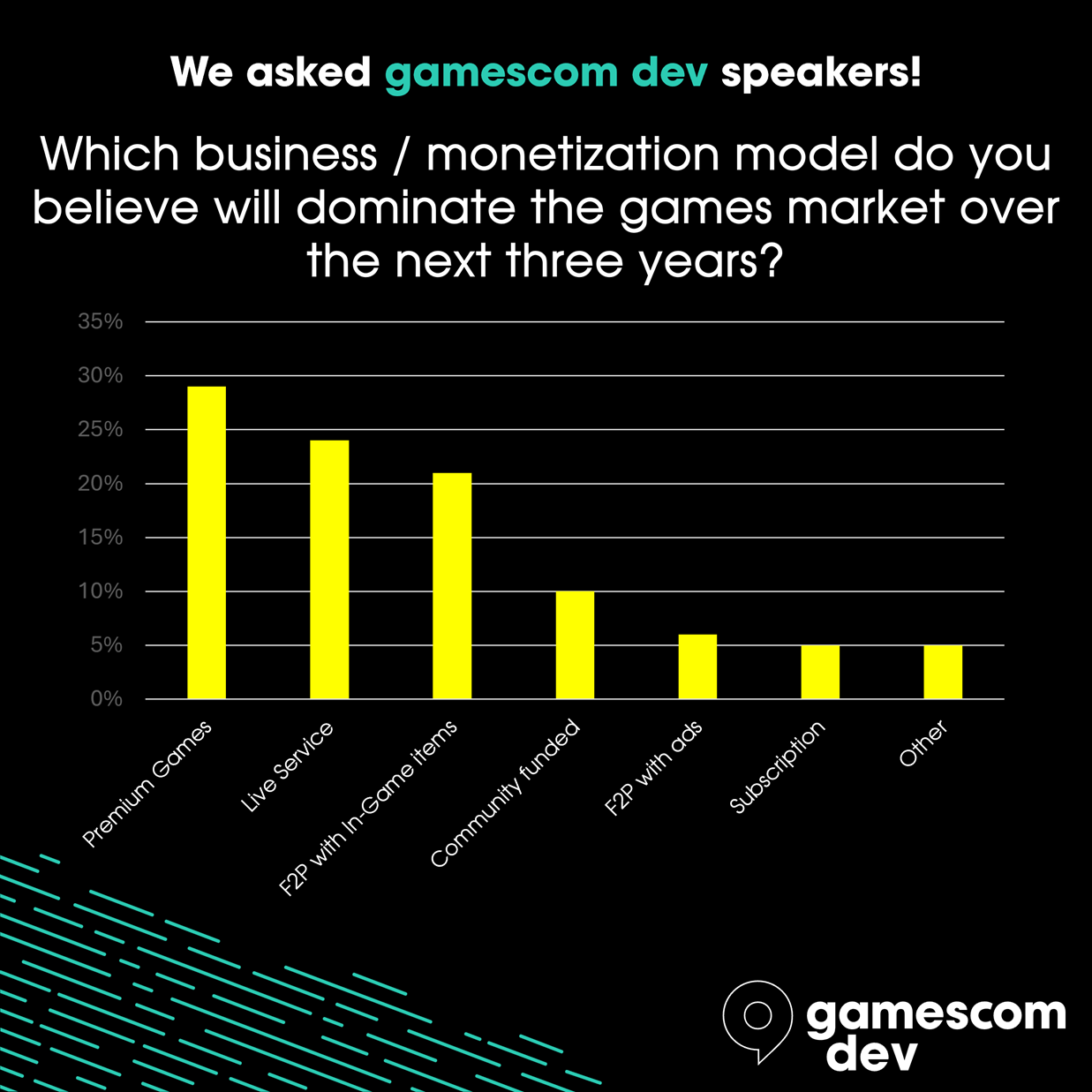
When it comes to the business models expected to dominate the market, there is no clear frontrunner, indicating a diverse and evolving ecosystem. Digital and physical premium games currently lead the pack, with 29% of developers predicting their continued dominance. This suggests a strong appetite for traditional paid game experiences.
Following closely behind, live service games garnered 24% of the vote, underscoring the sustained appeal of ongoing engagement models that offer continuous content updates and monetization opportunities. Free-to-play games with in-game items also remain a significant player, accounting for 21% of developer predictions, highlighting their enduring popularity across a wide range of genres.
"The fragmentation of preferred business models is a testament to the industry’s adaptability," observed Dr. Sharma. "Developers are exploring a variety of avenues to reach players and generate revenue, recognizing that a one-size-fits-all approach is no longer viable. The success of each model will ultimately depend on execution, market demand, and the ability to foster player loyalty."
Enhancing Discoverability in a Crowded Market
The challenge of making games visible to players remains a critical concern. Developers offered several potential solutions for improving discoverability. A significant 32% of respondents believe that more transparent platform algorithms are key. This suggests a desire for greater clarity on how game visibility is determined on digital storefronts, allowing developers to better optimize their strategies.
Better storefront recommendations were also seen as crucial, with 22% of developers highlighting their importance. Personalized recommendations that accurately match players with games they’ll enjoy can significantly boost engagement and sales. Furthermore, 21% of developers pointed to the value of more curated editorial features, indicating a continued appreciation for expert curation and insightful game journalism in guiding player choices.
The Skills of the Future: Adapting to a New Era
Finally, the survey provided valuable insights into the skills that developers believe will be most in-demand in the coming years, reflecting the changing landscape of game creation.
Leadership and Technical Prowess Remain Paramount
Leadership skills emerged as the most sought-after attribute, with 27% of respondents identifying it as a top priority. This emphasizes the growing need for effective management and strategic guidance within increasingly complex development environments.
Technical programming followed closely, with 19% of developers highlighting its importance. The foundation of any game lies in its code, and advanced programming skills remain essential for bringing innovative ideas to life.
Art and design also remain critical pillars of game development, with 12% of respondents emphasizing their value. The visual and interactive elements of games are crucial for player immersion and enjoyment.
The Growing Importance of AI Literacy
Notably, AI literacy and "other" skills each garnered 11% of the vote. This indicates a growing recognition of the need for developers to understand and effectively utilize AI tools and concepts. As AI becomes more integrated into the development pipeline, proficiency in this area will likely become a standard requirement.
Community management also received significant attention, with 10% of developers recognizing its importance in building and maintaining player bases. The rise of live service games and the increasing emphasis on player engagement underscore the critical role of community building.
Production and Narrative skills, while essential, were identified by 5% of respondents, suggesting that while foundational, they may be perceived as less rapidly evolving in terms of new skill demands compared to AI and leadership.
In conclusion, the 2026 Gamescom dev Speaker Survey paints a vivid picture of an industry on the cusp of significant transformation, primarily driven by the pervasive influence of artificial intelligence. While the path forward presents both exciting opportunities and formidable challenges, the insights gleaned from this survey will undoubtedly shape the strategies and priorities of game developers worldwide as they navigate the dynamic future of interactive entertainment.