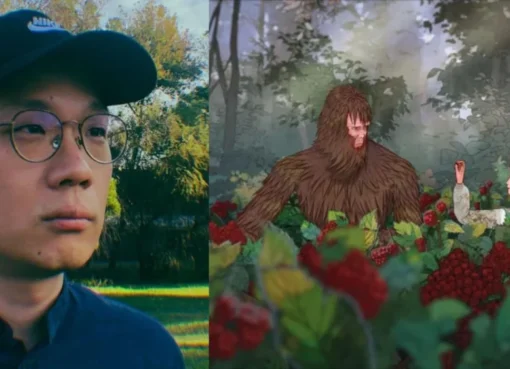
The Resilient Fabric of Adolescence: Luke Rosing’s "Cartilage" Explores Community’s Crucial Role
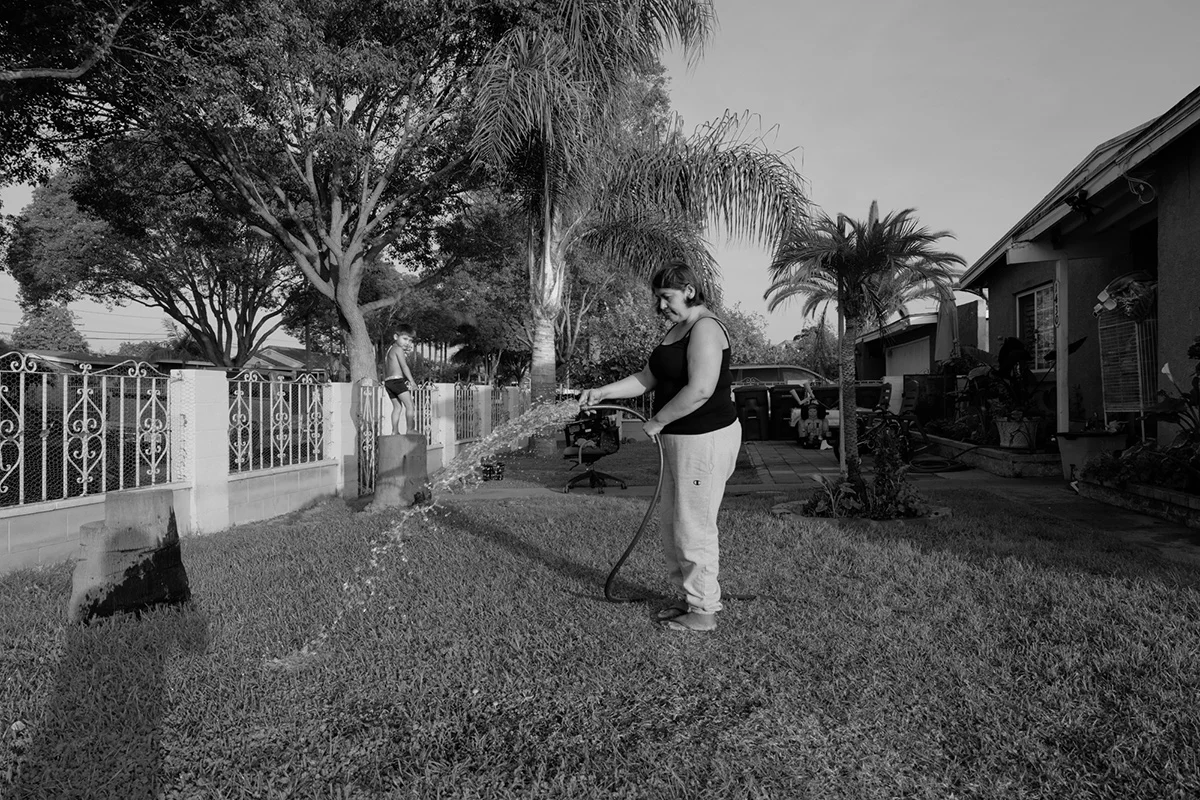
Photographer Luke Rosing’s evocative new series, "Cartilage," delves into the profound impact of community on the formative years of adolescence. Through his lens, Rosing captures the intricate web of relationships and environments that shape young identities, drawing inspiration from his personal experiences and a keen observation of the places he calls home.
The Genesis of "Cartilage": A Personal Quest for Connection
Photographer Luke Rosing has embarked on a deeply personal artistic journey, exploring the often-overlooked significance of community during adolescence. His latest body of work, titled "Cartilage," is a testament to this exploration, examining how the environments we inhabit and the people within them foster a sense of belonging and intimacy. Rosing’s artistic practice is rooted in a genuine engagement with the communities he photographs, seeking to understand the subtle, everyday moments that weave the fabric of human connection.
For the past year, Rosing has been immersed in documenting two distinct locales: Dorchester, Massachusetts, a vibrant urban neighborhood near his college campus, and Santa Ana, California, a city nestled close to his childhood home. These seemingly disparate locations serve as anchors for his exploration, each offering unique insights into the dynamics of community.
Rosing’s fascination with community stems from a personal narrative of detachment. He openly admits to experiencing a sense of isolation growing up, feeling disconnected from his siblings, extended family, and neighbors. This early absence of a robust community has fueled a lifelong desire to understand its fundamental role, particularly during the vulnerable and transformative period of adolescence. "Cartilage" is, in essence, a visual inquiry into the very essence of belonging, a quest to understand what he felt was missing in his own youth.
The Metaphor of Cartilage: Resilience, Malleability, and Growth
The title of the series, "Cartilage," is not merely a poetic choice but a powerful metaphor that underpins Rosing’s entire project. He draws inspiration from a poignant story shared by his father, a surgeon, who once described cartilage as a tissue that is both remarkably resilient and inherently malleable. Crucially, it is essential for growth, providing structure and facilitating movement.
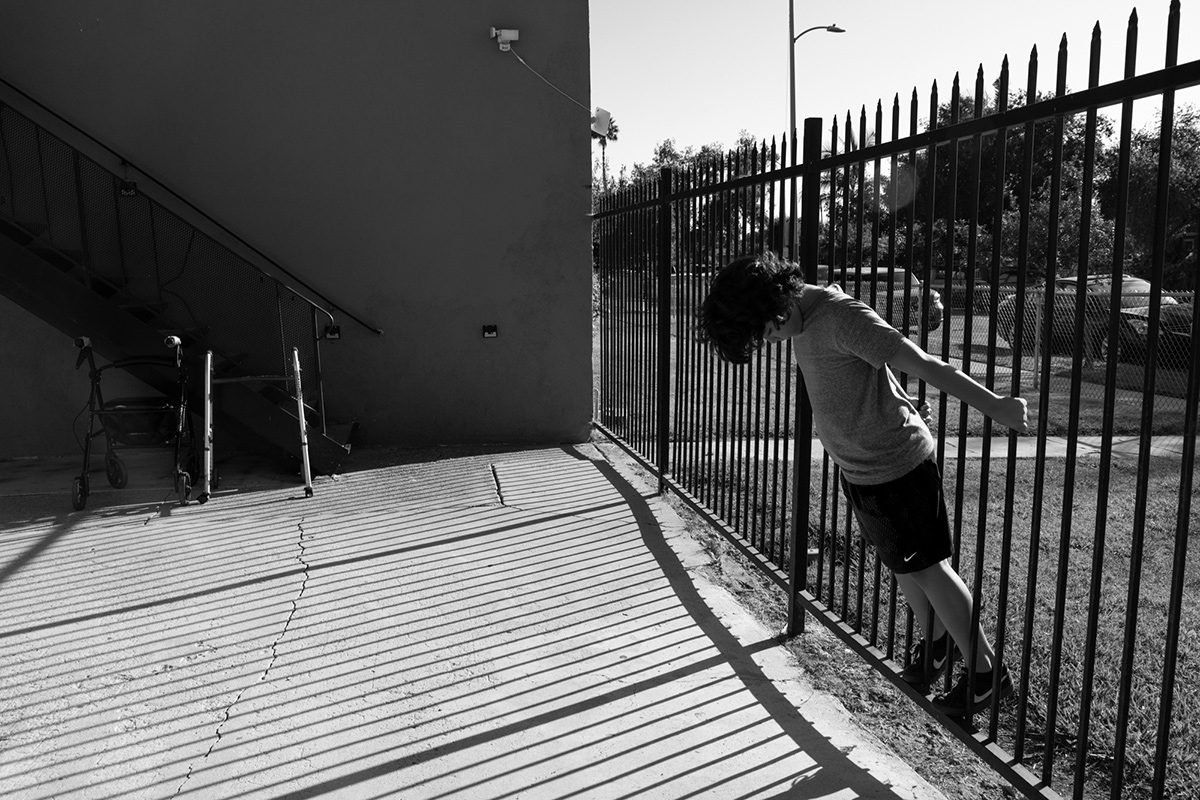
Rosing sees a profound analogy between the biological function of cartilage and the role of community in adolescence. "I see community in adolescence analogous to this," he explains, "a connective tissue that allows emotional expansion. Photographing these moments is my attempt to grasp this idea of movement and growth while we’re young." This evocative comparison highlights his belief that a supportive community acts as a vital scaffolding for young people, enabling them to navigate the complexities of identity formation, emotional development, and social integration. Just as cartilage allows bones to move and grow without friction, a strong community provides the space and support for adolescents to explore, experiment, and mature, absorbing experiences without becoming brittle or broken.
Documenting Dorchester and Santa Ana: A Tale of Two Cities, One Universal Theme
Rosing’s decision to focus on Dorchester and Santa Ana is deliberate. These locations, while geographically distinct, represent different facets of American life and offer contrasting yet complementary backdrops for his exploration of adolescent community.
In Dorchester, a historically diverse and working-class neighborhood in Boston, Rosing has been capturing the pulse of urban youth. His photographs likely depict the vibrant street life, the shared spaces of parks and community centers, and the close-knit interactions that often characterize such environments. The resilience of communities in navigating urban challenges, the formation of bonds through shared experiences, and the diverse cultural influences that shape young people are all potential themes emerging from his work in this locale.
Conversely, Santa Ana, a sprawling city in Southern California with a rich Latino heritage, offers a different cultural tapestry. Rosing’s proximity to his childhood home in this region imbues his work with a personal resonance. Here, his photographs might explore themes of intergenerational connection, the influence of family structures, and the ways in which cultural traditions shape adolescent identity and community belonging. The unique social dynamics and the echoes of his own past likely inform his approach in Santa Ana.
Through these dual photographic journeys, Rosing is not just documenting specific places but is meticulously dissecting the universal human need for connection. He is interested in how young people find their tribe, how they negotiate their place within existing social structures, and how these interactions mold their evolving sense of self.
The Art of Observation: Intimacy and Belonging in Everyday Moments

Rosing’s photographic practice is characterized by its grounded approach. He doesn’t merely observe from a distance; he immerses himself in the communities he documents. This deep engagement allows him to capture the subtle nuances of human interaction, the quiet moments of shared laughter, the supportive glances, and the everyday rituals that build the foundation of intimacy and belonging.
His work is not about grand pronouncements or staged narratives. Instead, Rosing finds profound meaning in the ordinary. He is drawn to the unscripted moments: a group of teenagers sharing stories on a stoop, a shared meal among friends, a spontaneous dance in a local park. These seemingly mundane occurrences are, in Rosing’s view, the very building blocks of community, the "cartilage" that holds adolescent lives together and allows them to grow.
The intimacy in his photographs is a testament to the trust he builds with his subjects. By being present and attentive, Rosing creates an environment where young people feel comfortable enough to be themselves, allowing him to capture authentic expressions of their experiences and relationships. This approach elevates his work beyond mere documentation, transforming it into a profound meditation on the human condition.
The Psychological and Social Imperative of Adolescent Community
The adolescent years are a critical period of transition, marked by significant physical, emotional, and social changes. During this time, young people are actively constructing their identities, experimenting with different roles, and seeking validation from their peers. The role of community during this phase cannot be overstated.
Psychologists and sociologists have long recognized the importance of social support networks for adolescent well-being. Belonging to a community, whether it be a close-knit group of friends, a school club, a sports team, or a faith-based organization, provides adolescents with a sense of security, purpose, and acceptance. This can buffer against the stresses of adolescence, reduce feelings of isolation and loneliness, and foster resilience in the face of adversity.
Conversely, a lack of community can have detrimental effects. Adolescents who feel disconnected or marginalized are at a higher risk of developing mental health issues such as anxiety and depression. They may also be more susceptible to engaging in risky behaviors as they seek acceptance or attention. Rosing’s work, by visually articulating the positive impact of community, serves as a powerful reminder of its essential role in nurturing healthy adolescent development.

Implications and the Future of "Cartilage"
Luke Rosing’s "Cartilage" series offers a vital perspective on a crucial aspect of human development. In an era where digital connections often overshadow physical ones, Rosing’s emphasis on tangible, embodied community experiences is particularly relevant. His work challenges viewers to consider the ways in which we foster and sustain these vital connections in our own lives and in the lives of the young people around us.
The series has the potential to spark dialogue among educators, parents, community leaders, and adolescents themselves about the importance of creating supportive environments where young people can thrive. By highlighting the beauty and strength found in everyday moments of connection, Rosing’s photographs serve as a visual manifesto for the enduring power of community.
As Rosing continues to develop "Cartilage," his exploration promises to offer even deeper insights into the resilience and malleability of adolescent lives, all held together by the vital, often invisible, connective tissue of community. His work stands as a powerful testament to the idea that in the journey of growing up, we are never truly alone, and that it is within these shared experiences that we find our strength, our identity, and our sense of belonging. The "Cartilage" of adolescence, as captured by Rosing, is a beautiful and essential element of human flourishing.