
Alexander the Great Charges into Civilization VII, Promising a New Era of Conquest in Latest Update
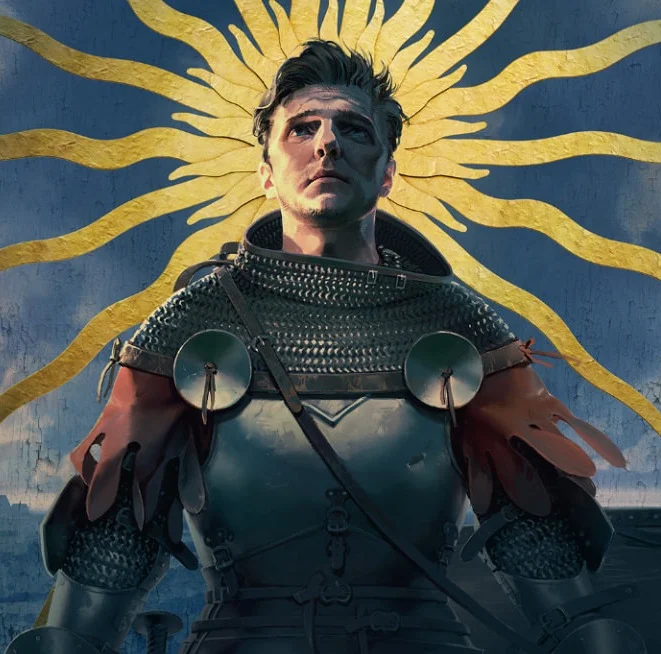
A long-awaited addition injects legendary military prowess into the base game, aiming to revitalize player engagement amidst ongoing platform reception concerns.
[City, State] – [Date] – Firaxis Games is poised to release its latest significant update for Civilization VII on Monday, a patch anticipated to address key player feedback and introduce a formidable new leader: Alexander the Great. This significant addition, available for free to all base game owners, marks a strategic move by the developers to enhance core gameplay and potentially address the game’s currently "Mixed" reception on Steam.
While the update’s broader features, including the highly requested ability for players to guide a single civilization through its entire campaign, were revealed earlier this month, Firaxis strategically held back the announcement of Alexander’s inclusion as a final surprise. This move underscores the developers’ intent to generate renewed excitement and demonstrate their commitment to enriching the Civilization VII experience with iconic historical figures.
The Arrival of a Conqueror: Alexander’s Gameplay Mechanics
Alexander the Great, renowned as one of antiquity’s most brilliant military minds, is designed to embody a relentless pursuit of conquest within Civilization VII. His playstyle is intrinsically linked to warfare, granting him a natural +2 combat strength bonus for all land military units. This inherent advantage immediately positions him as a potent force on the battlefield, encouraging aggressive expansion and strategic dominance.
Beyond raw military might, Alexander’s unique abilities are steeped in his legendary ambition and desire for enduring legacy. Towns converted into cities under his dominion will bear his name, a subtle yet impactful nod to his historical penchant for founding cities and spreading his influence. Furthermore, the construction of Wonders within cities outside of the player’s capital will bestow a cascade of beneficial bonuses upon his civilization. This incentivizes a dynamic interplay between territorial expansion and the pursuit of monumental achievements, rewarding players who can effectively manage both military campaigns and ambitious construction projects.

The introduction of Alexander is not merely about adding another leader; it represents a fundamental enhancement to the strategic depth of the base game. His presence is expected to encourage more aggressive early-game strategies, challenge established meta-games, and provide a distinct flavor for players seeking a more warfare-centric experience. The developers have clearly aimed to capture the essence of Alexander’s historical impact through his in-game mechanics, making him a compelling choice for those who relish the thrill of conquest.
A Contentious Journey: The Development and Reception of Civilization VII
Civilization VII’s path to this latest update has been far from smooth. Since its launch, the game has faced a divided reception on digital storefronts, most notably on Steam, where its review score has hovered in the "Mixed" category for an extended period. This division is not solely attributable to a single feature, but rather a confluence of issues that have led a significant portion of the player base to feel that the game was released before it was fully realized.
One of the most significant points of contention has been the game’s controversial age transition system, a departure from previous installments that has proven divisive among long-time fans. This system, intended to introduce new gameplay dynamics, has instead been perceived by many as a design misstep that disrupts the established flow of the game.
Beyond the age system, players have frequently cited concerns regarding the user interface (UI) and the perceived underdevelopment of secondary game mechanics. These elements, often the bedrock of a polished and engaging strategy experience, have been criticized for their lack of intuitiveness and depth, contributing to the overall sentiment that Civilization VII "left the oven too early." This perception has undoubtedly impacted player trust and contributed to the lukewarm reception.
Despite these criticisms, it is crucial to acknowledge Civilization VII’s commercial performance. 2K CEO Strauss Zelnick has publicly stated that the game has been a "profitable enterprise" for Firaxis Games. While acknowledging the missteps, particularly with the age system, Zelnick’s comments suggest that the core appeal of the Civilization franchise, even with its current challenges, remains strong enough to drive sales and generate revenue. This financial success, coupled with the ongoing development efforts, indicates a commitment from both Firaxis and 2K to rectify the game’s shortcomings and cultivate a more positive player experience.

The Path Forward: Addressing Player Feedback and Future Prospects
The latest update, spearheaded by the addition of Alexander the Great, is being heavily promoted by Firaxis as "game-changing." This bold assertion suggests a confidence that these new features will significantly alter and improve the player experience. The developers are clearly aiming to leverage the appeal of a legendary historical figure to draw players back into the game and encourage them to re-evaluate their perception of Civilization VII.
The success of this update in shifting the game’s Steam rating remains a significant question. Player sentiment on these platforms is notoriously difficult to sway, and the depth of the criticisms leveled against the game suggests that a single patch, however substantial, may not be enough to entirely overcome existing reservations. However, the inclusion of a highly requested leader and the focus on core gameplay enhancements are positive steps.
The long-term implications of this update extend beyond immediate reception. For Firaxis, it represents an opportunity to demonstrate their responsiveness to player feedback and their dedication to iterative improvement. A successful revitalization of Civilization VII could set a precedent for future game development, emphasizing the importance of continued support and refinement post-launch.
For the player base, this update signifies a chance to re-engage with a franchise they have long cherished. The prospect of commanding Alexander the Great, alongside the promise of a more cohesive and fulfilling campaign experience, may be enough to entice many back to the virtual world map. Whether this particular update proves to be the turning point that elevates Civilization VII from "Mixed" to "Mostly Positive" or "Very Positive" remains to be seen, but the strategic introduction of such a prominent figure signals a determined effort to conquer player skepticism and forge a more triumphant future for the game.
The developers are undoubtedly watching closely to see how this monumental update is received. The coming weeks will be critical in determining the trajectory of Civilization VII and its ability to solidify its place as a worthy successor in the esteemed Civilization lineage. The legacy of Alexander the Great, both historically and now within the game, will be keenly observed as it intertwines with the evolving narrative of Civilization VII itself.




Leave a Comment