
AMD Solidifies AM5 Socket’s Future: Extended Support Promises Decades of Upgradability
Taipei, Taiwan – In a move that will undoubtedly be music to the ears of PC builders and enthusiasts worldwide, AMD has extended the promised lifespan of its AM5 desktop processor socket to a remarkable 2029. This significant announcement, made during the annual Computex trade show, reaffirms AMD’s commitment to platform longevity, offering users unprecedented flexibility and value for their existing and future investments. While the company showcased some iterative GPU updates and a re-release of older X3D processors, the extended AM5 support stands as the most impactful revelation for the future of PC gaming and workstation builds.
The Extended Horizon: AM5’s Future Secured Through 2029
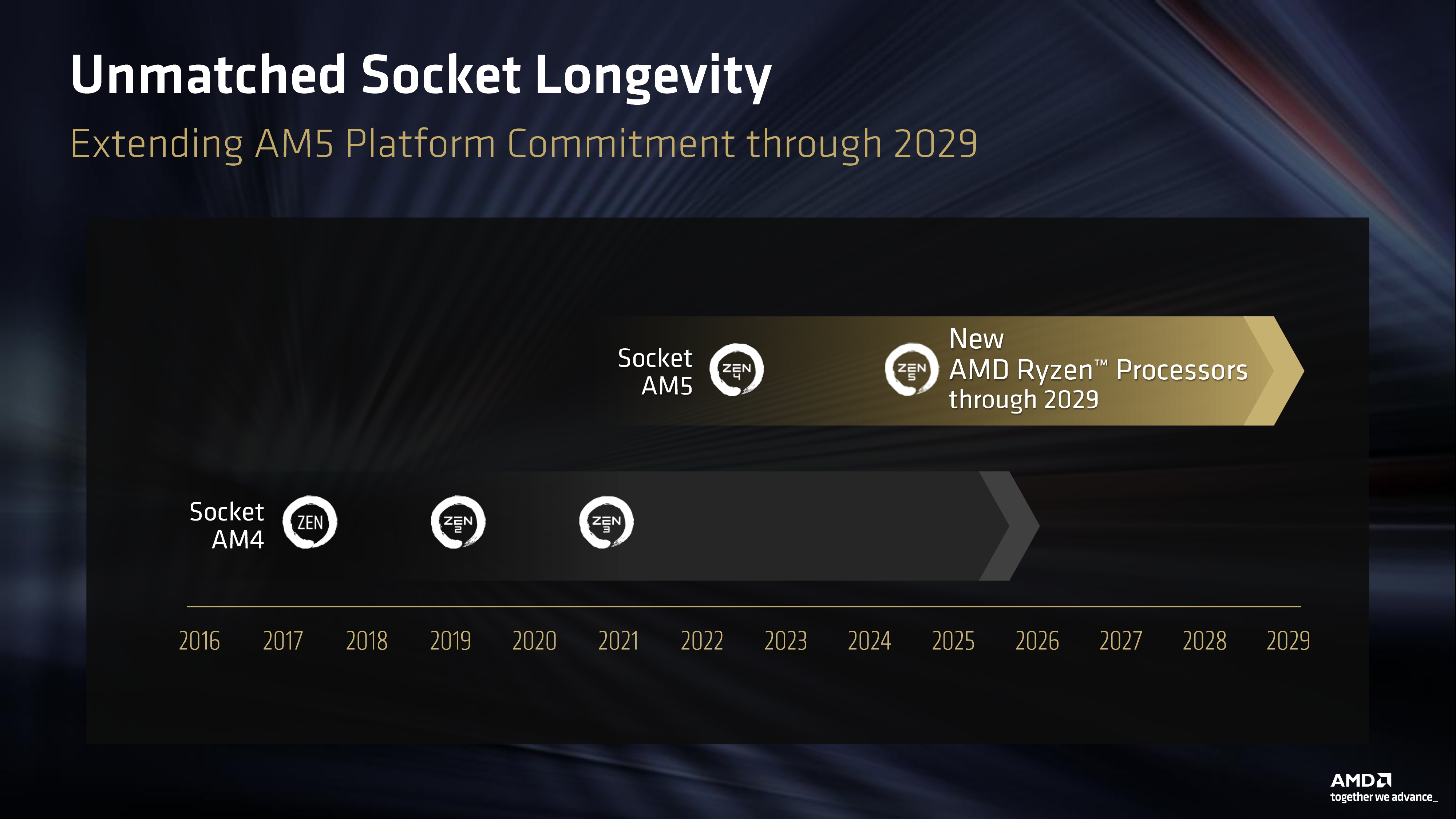
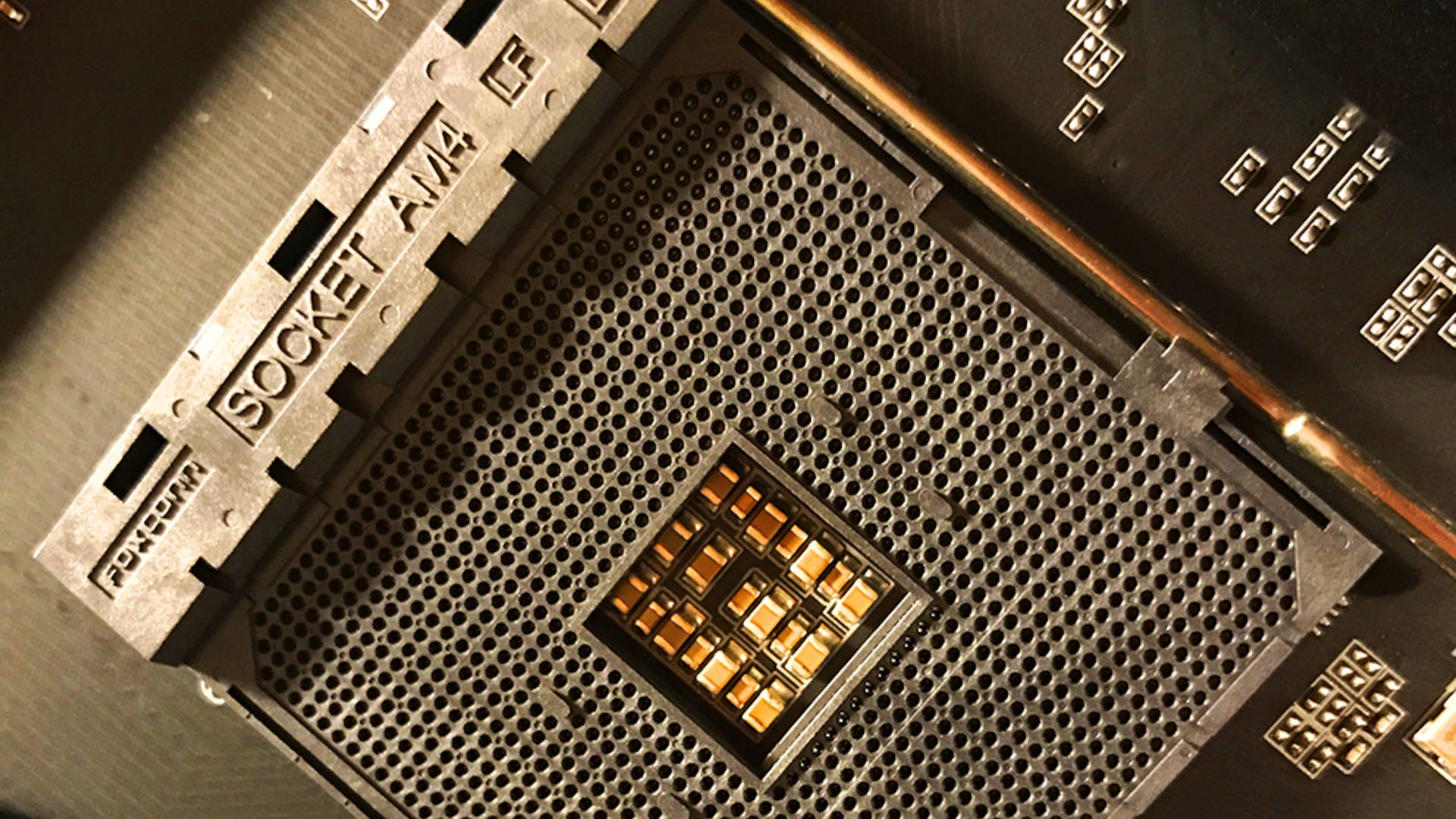
For years, AMD has been lauded for its commitment to socket compatibility, a stark contrast to the more frequent platform refreshes seen from competitors. This strategy has fostered a loyal user base who appreciate the ability to upgrade their CPUs without necessarily replacing their entire motherboard. The AM5 platform, launched with the Ryzen 7000 series processors, initially came with a promise of support through "2027 and beyond." However, at Computex 2026, AMD officially revised this commitment, boldly penciling in 2029 as the new terminal year for new processor releases on the AM5 socket.
This extension represents a significant enhancement to AMD’s original pledge. It suggests that the AM5 platform will not only support the upcoming Zen 6 architecture, expected to debut later this year or early in 2027, but will also likely embrace the subsequent Zen 7 generation of Ryzen processors. This foresight offers PC builders a clear upgrade path for years to come, potentially allowing them to slot in significantly more powerful CPUs into their existing AM5 motherboards, provided they feature sufficient BIOS chip capacity for future microcode updates.
A Look Back: The Legacy of AMD Socket Longevity
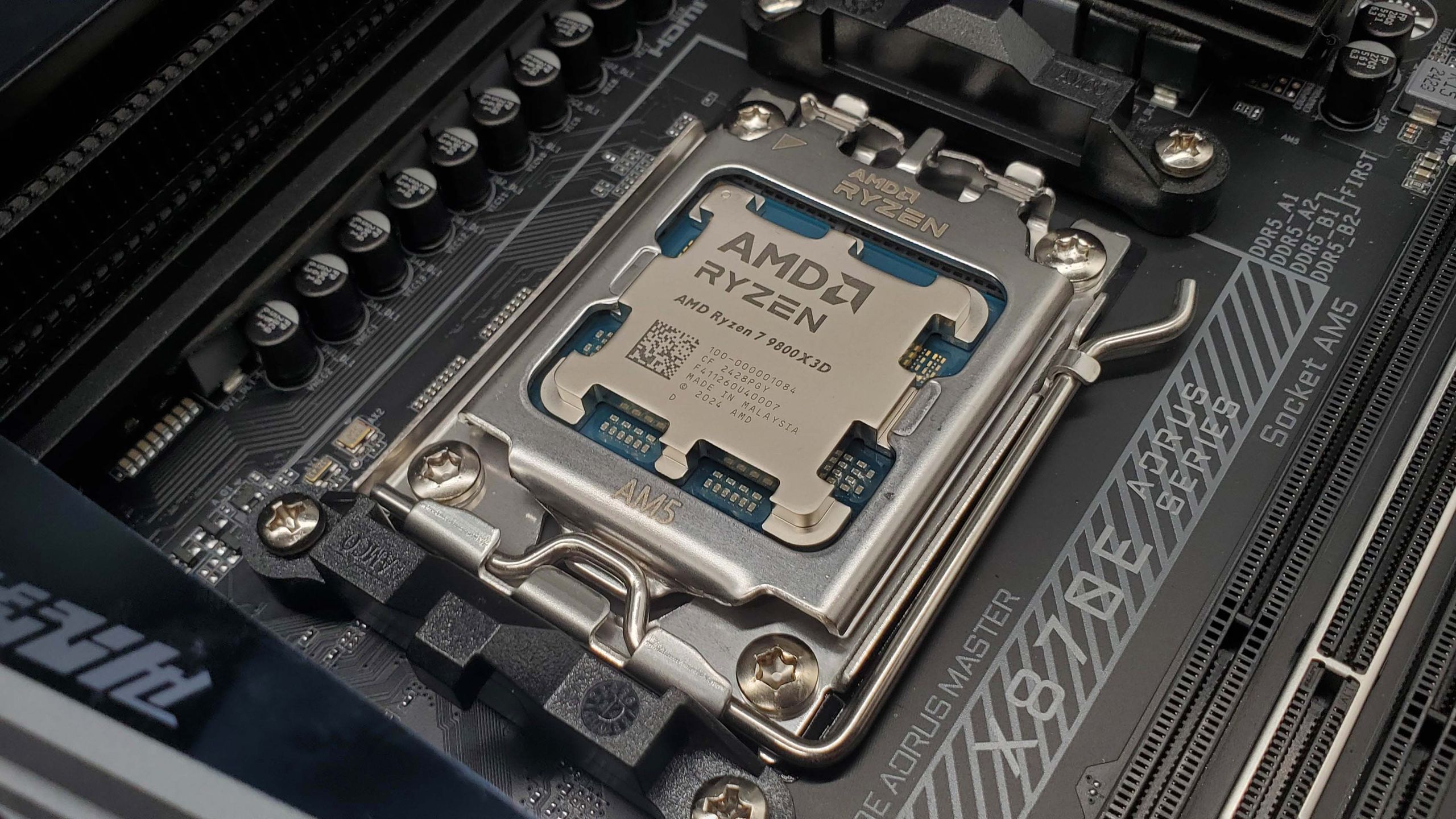
AMD’s reputation for sustained socket support is not a new phenomenon. The venerable AM4 socket, which debuted in 2017 with the Ryzen 1000 series, has enjoyed an exceptionally long and fruitful life. Even today, new processors are being released for the AM4 platform, a testament to AMD’s dedication to its ecosystem. This history of long-term support has been a major selling point for AMD, differentiating it from competitors who often mandate a motherboard upgrade with each new CPU generation.
The AM5 socket, with its support for DDR5 memory and PCIe 5.0, represents a leap forward in technology compared to its predecessor. Extending its lifespan to 2029 ensures that this cutting-edge platform will continue to serve users for a substantial period, allowing them to benefit from advancements in CPU performance and connectivity without the immediate need for a complete system overhaul.
Supporting Data: What Does 2029 Mean for Ryzen?
Assuming AMD maintains its current Ryzen nomenclature, the AM5 socket is poised to support processors ranging from the current 7000-series all the way up to potential 11000 or even 12000-series CPUs. This implies a significant evolution in processing power and efficiency over the next several years. The ability to upgrade from an initial AM5 build to a future high-end Ryzen processor without changing the motherboard is a powerful proposition for cost-conscious builders and those seeking maximum return on their initial investment.
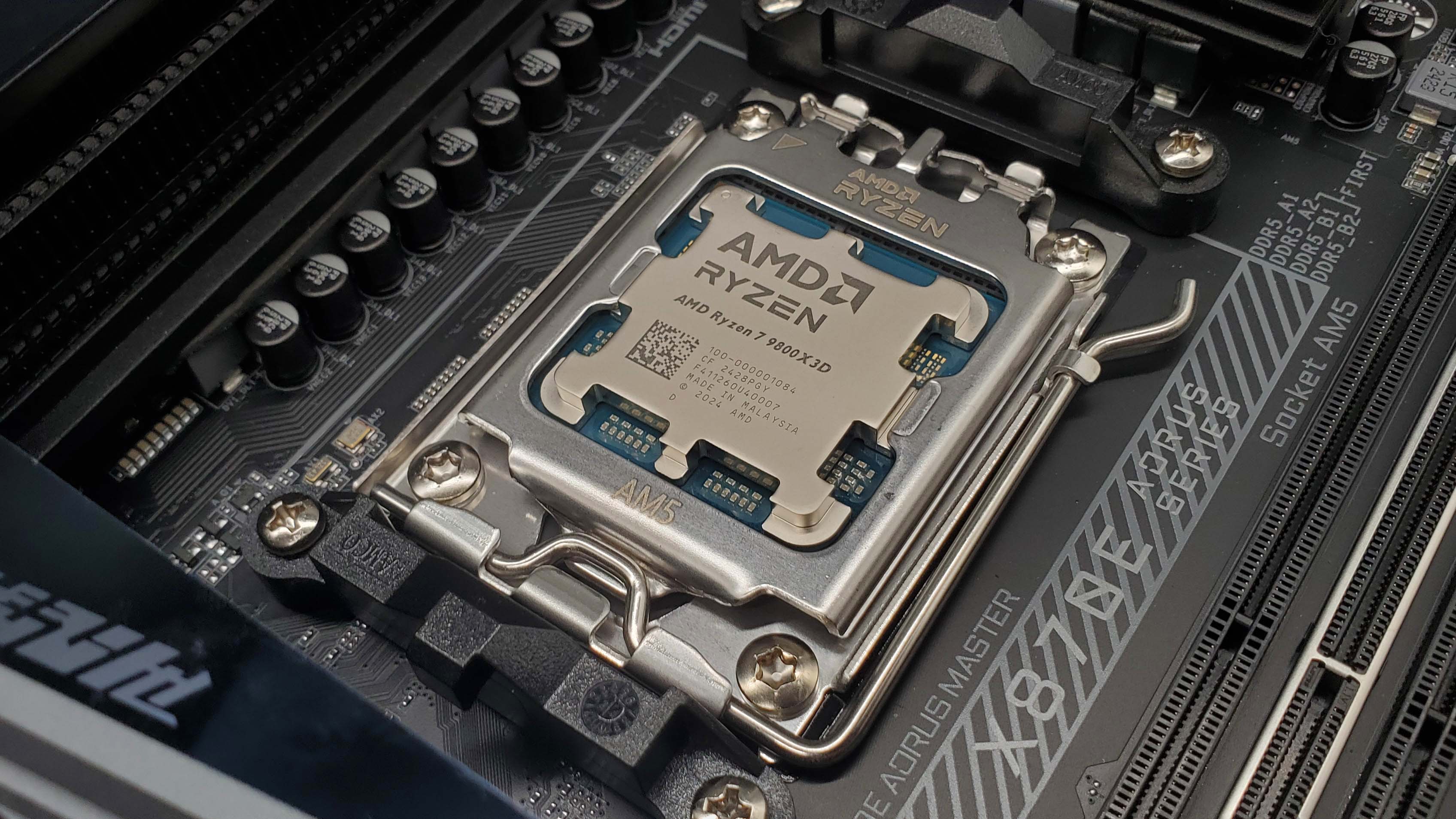
It’s important to clarify a common misconception regarding AMD’s socket naming conventions. While it might seem intuitive that socket names correspond directly to the DRAM technology they support (e.g., AM5 for DDR5, AM4 for DDR4), this is largely coincidental. Historically, sockets like AM3 supported both DDR2 and DDR3, and the earlier AM1 socket was DDR3-only, demonstrating that socket designations are not strictly tied to memory types. The true testament to AMD’s strategy lies in the physical and electrical compatibility of the socket over successive CPU generations.
Official Statements: AMD’s Commitment to the Future
While specific technical details regarding the exact motherboard revisions or BIOS requirements for future Zen architectures on AM5 were not extensively elaborated upon at Computex, AMD’s clear statement of intent is paramount. The company’s willingness to update its roadmap from "2027 and beyond" to a firm "2029" signifies a deliberate and strategic decision to prioritize user investment and platform stability. This extended support window not only benefits existing AM5 users but also provides a compelling incentive for new builders to invest in the AMD ecosystem, knowing their platform will remain relevant for an extended period.
Implications for PC Builders: Unlocking Long-Term Value
The extended support for the AM5 socket carries profound implications for the PC building community. For many, it validates the decision to invest in an AM5 platform at its inception, knowing that future CPU upgrades will be possible without a costly motherboard replacement. This is particularly appealing for gamers and content creators who frequently seek to maximize their system’s performance over time.
Consider the scenario of a user who purchased a mid-range AM5 system in 2024. With this new roadmap, they could potentially upgrade to a cutting-edge Zen 7 or Zen 8 processor released in 2028 or 2029, experiencing a significant performance leap without the expense of a new motherboard, RAM, and potentially even a new operating system installation. This contrasts sharply with platforms that require a complete overhaul every few years, making AMD’s approach a more sustainable and cost-effective choice for many.
Furthermore, this long-term commitment fosters a more robust aftermarket for motherboards and related components, as older AM5 boards will continue to be compatible with a wider range of future CPUs. This can lead to more affordable upgrade options and a healthier ecosystem for enthusiasts.
Beyond the Socket: Enhancements to EXPO Memory
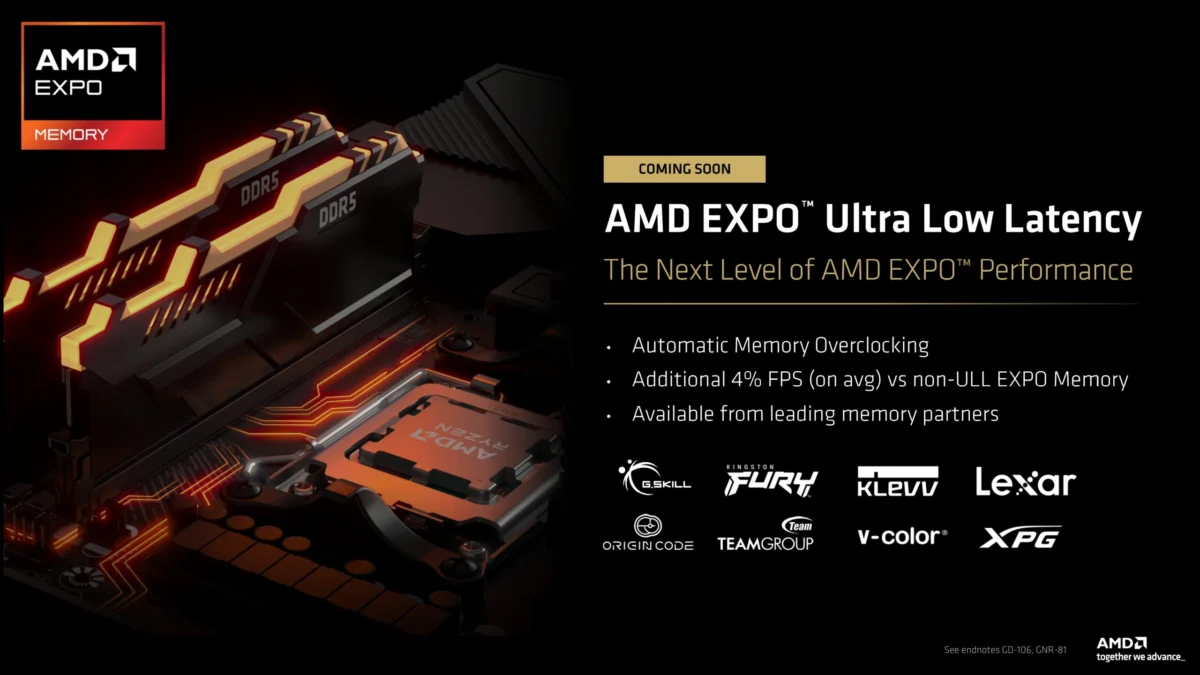
In addition to the groundbreaking AM5 socket extension, AMD also unveiled an upcoming enhancement to its EXPO (Extended Profiles for Overclocking) memory system: EXPO Ultra Low Latency (EXPO ULL). This new profile aims to deliver an additional performance boost, with AMD claiming up to a 4% improvement in gaming performance compared to standard EXPO profiles on AM5 systems.
While the exact scenarios and resolutions where this gain is most pronounced remain to be seen, it’s likely to be most impactful in scenarios where DRAM speed and latency are the primary limiting factors, typically at lower resolutions (e.g., 1080p) with high-end GPUs and in competitive esports titles. Achieving these gains will necessitate a motherboard BIOS update to support EXPO ULL, as well as the purchase of new DDR5 memory kits specifically designed with the updated EXPO profile.
While the adoption of EXPO ULL might be more niche, especially considering the cost and availability of high-speed DDR5 memory, it demonstrates AMD’s continued commitment to optimizing the AM5 platform. Even minor performance improvements require careful tuning of the socket’s electrical characteristics to ensure stability and reliability, underscoring the underlying engineering efforts to keep the AM5 platform at the forefront of PC technology.
A Future of Possibilities
AMD’s extended AM5 socket support through 2029 is a landmark announcement that significantly bolsters its competitive position and offers unparalleled value to PC enthusiasts. It signifies a shift towards a more sustainable and user-centric approach to platform development, empowering builders to upgrade and evolve their systems over an extended lifecycle. Coupled with advancements like EXPO ULL, AMD is not just building processors; it’s building long-term relationships with its customer base, promising a future where PC gaming and productivity continue to push boundaries without demanding constant, costly overhauls. The era of the truly upgradeable PC, it seems, is being firmly cemented on the AM5 platform.



Leave a Comment