
Intel’s Core i9 14900KF Shatters Clock Speed Records, Reigniting the 10 GHz Quest
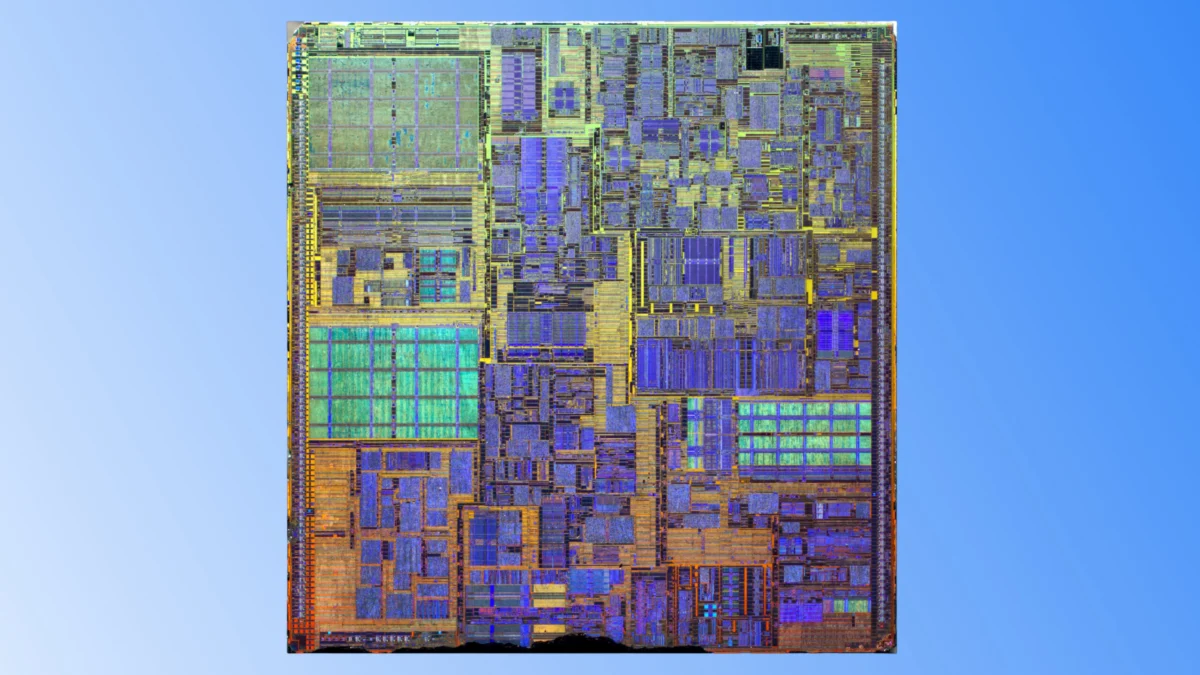
A new benchmark in extreme CPU overclocking pushes the boundaries of silicon performance, drawing parallels to a long-standing industry ambition.
In the relentless pursuit of raw processing power, the world of extreme overclocking often resembles a high-octane motorsport, where the pursuit of ultimate speed eclipses everyday practicality. The latest chapter in this thrilling saga sees Intel’s Core i9 14900KF processor achieve an astonishing new world record for the highest clock speed ever attained by a desktop CPU: a staggering 9,206 MHz. This monumental achievement, while not directly translating to enhanced performance in typical user scenarios, represents a significant milestone and rekindles a decades-old ambition within the semiconductor industry – the elusive 10 GHz barrier.
The record, meticulously documented and verifiable on the esteemed HWBot platform, showcases the pinnacle of silicon manipulation. Notably, the chip that achieved this feat is not the anticipated "KS" variant, which often represents Intel’s flagship offerings for record-breaking attempts. Instead, the 14900KF, a processor from Intel’s "Raptor Lake" generation, has etched its name in the history books. This generation, often characterized by its aggressive approach to clock speeds, prioritized raw frequency over power efficiency – a philosophy reminiscent of Intel’s past endeavors in pushing the limits of processor performance.
While only a single Performance-core (P-core) on the i9 14900KF was pushed to this dizzying 9.2 GHz, the achievement is nonetheless remarkable. Its proximity to the coveted 10 GHz mark is particularly compelling, a target that has loomed large in the collective consciousness of Intel’s processor development for over two decades.
The Genesis of a 10 GHz Dream: A Look Back at Pentium 4
The dream of a 10 GHz processor is not a new one for Intel. The journey began in the early 2000s with the launch of the Pentium 4 processor. At the time, Intel, fueled by rapid advancements in photolithography and wafer fabrication processes, boldly projected that 10 GHz processors could become a reality within a mere five years. This ambitious forecast, detailed in contemporary tech analyses, set an audacious goalpost for the entire industry.

The Pentium 4, powered by Intel’s "Netburst" architecture, was a testament to this relentless pursuit of clock speed. Engineers employed a myriad of sophisticated techniques to incrementally increase processor frequencies. However, this aggressive push eventually encountered a fundamental limitation: power consumption and heat dissipation. As clock speeds climbed, particularly around the 3.8 to 4.0 GHz range, the transistors within the Netburst architecture began to exhibit significant energy leakage. This leakage became so pronounced that even with substantial increases in voltage and the application of extreme cooling methods, the nanoscale switches within the silicon struggled to operate reliably and efficiently. The fundamental physics of the transistors, pushed beyond their operational limits, created a formidable bottleneck.
This insurmountable power wall ultimately led Intel to abandon the Netburst architecture and its singular focus on clock speed. The company pivoted towards a more balanced and efficient design philosophy, ushering in the era of the "Core" architecture. This shift marked a paradigm change, prioritizing architectural efficiency and performance-per-watt over raw frequency. The success of the Core architecture subsequently rewrote Intel’s trajectory, solidifying its dominance in the processor market for years to come.
The 14900KF: A Raptor’s Last Roar and the Return to Frequency
Despite the lessons learned from the Netburst era, the allure of high clock speeds never entirely faded for Intel. The "Raptor Lake" architecture, embodied by the Core i9 14900KF, represents a clear resurgence of this focus on frequency. This generation, in many ways, embodies Intel’s willingness to revisit its past ambitions, albeit with more refined manufacturing processes and a slightly different architectural approach.
The current world record of 9,206 MHz achieved with the 14900KF is a direct consequence of these efforts. The extreme cooling methods employed in such overclocking endeavors are crucial. Liquid nitrogen, often referred to as LN2, is a common refrigerant used to bring the processor’s temperature down to cryogenic levels, often below -150 degrees Celsius. At these frigid temperatures, silicon behaves differently, allowing transistors to switch at much higher frequencies with reduced leakage. Specialized motherboards, high-end power delivery systems, and meticulous voltage tuning are also indispensable components of these record-breaking attempts.
The fact that a single P-core can sustain such an extraordinary frequency highlights the incredible advancements in transistor technology and manufacturing precision. However, it’s important to contextualize this achievement. Modern CPUs utilize complex architectures with multiple cores designed for parallel processing. Pushing a single core to such extremes often comes at the cost of disabling other cores or operating them at significantly lower frequencies to manage power and thermal loads. This is why the record-setting CPU might not translate to a proportional performance increase in everyday multitasking or demanding applications that effectively utilize all available cores.

The Enduring Lure of 10 GHz: A Psychological and Technical Everest
The significance of the 10 GHz mark extends beyond mere numerical value; it has become a psychological and technical Everest for processor engineers and enthusiasts alike. For over two decades, it has represented a seemingly insurmountable frontier, a symbol of ultimate computational speed. The current record, standing at 9,206 MHz, brings this long-sought goal tantalizingly close, a mere 794 MHz away.
This proximity reignites the debate and anticipation surrounding whether this barrier will ever be truly breached in a practical, commercially viable manner. Intel’s future processor generations, such as "Arrow Lake" and presumably "Nova Lake," are expected to adopt a more power-conscious design philosophy, once again prioritizing efficiency. This implies that the extreme clock speeds seen in overclocking scenarios might become even more challenging to achieve with these upcoming architectures, as power consumption will likely remain a significant constraint.
However, the history of technology is replete with examples of seemingly impossible feats being achieved. The overclocking community, driven by a passion for pushing the limits of hardware, continues to innovate and explore new techniques. While 10 GHz might not be realized in a mainstream consumer product anytime soon, the pursuit itself drives technological advancement.
Implications and the Future of Clock Speed Supremacy
The recent overclocking record has several implications for the broader technology landscape. Firstly, it demonstrates the remarkable capabilities of current silicon manufacturing processes. Even as the industry grapples with the physical limits of transistor scaling and power efficiency, engineers continue to find ways to extract more performance from existing architectures.
Secondly, it underscores the enduring appeal of extreme overclocking as a spectator sport and a proving ground for hardware. The dedication, skill, and resources required to achieve such records are immense, attracting a passionate community of enthusiasts and professionals. These achievements, while niche, often push the boundaries of what is technically possible, potentially influencing future hardware design and optimization.
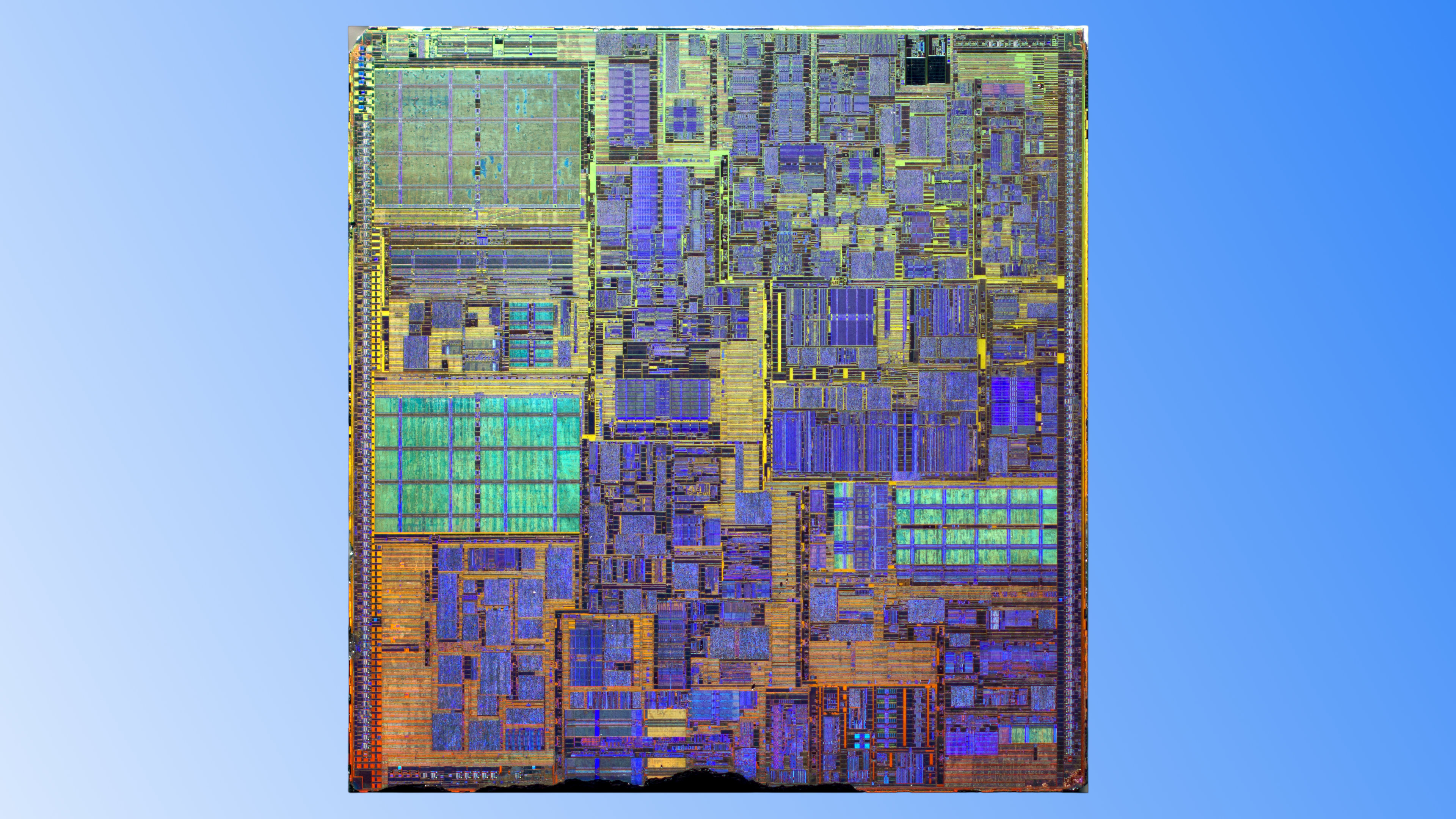
Thirdly, the narrative surrounding the 10 GHz goal highlights the complex interplay between raw clock speed and overall system architecture. While high clock speeds are undoubtedly impressive, they are only one facet of a processor’s performance. Architectural efficiency, instruction set design, cache hierarchies, and parallel processing capabilities all play critical roles in determining a CPU’s real-world performance. Intel’s past struggles with Netburst serve as a potent reminder that chasing clock speed alone can be a path fraught with challenges.
As we stand on the cusp of what could be a new era in processor development, with a renewed focus on power efficiency and specialized architectures, the pursuit of extreme clock speeds continues to captivate. The 9,206 MHz record set by the Intel Core i9 14900KF is more than just a number; it’s a testament to human ingenuity, a nod to historical ambitions, and a tantalizing glimpse of the future possibilities within the ever-evolving world of computing. The 10 GHz mark remains an alluring objective, a benchmark that continues to inspire innovation and push the boundaries of what we believe is achievable in the realm of silicon. The question remains: will this legendary frequency finally be conquered, and if so, what will it truly signify for the future of computing?




Leave a Comment