An Immortal Journey Unveiled: Rachelle Raeta’s These Immortal Truths Promises Epic Historical Fantasy
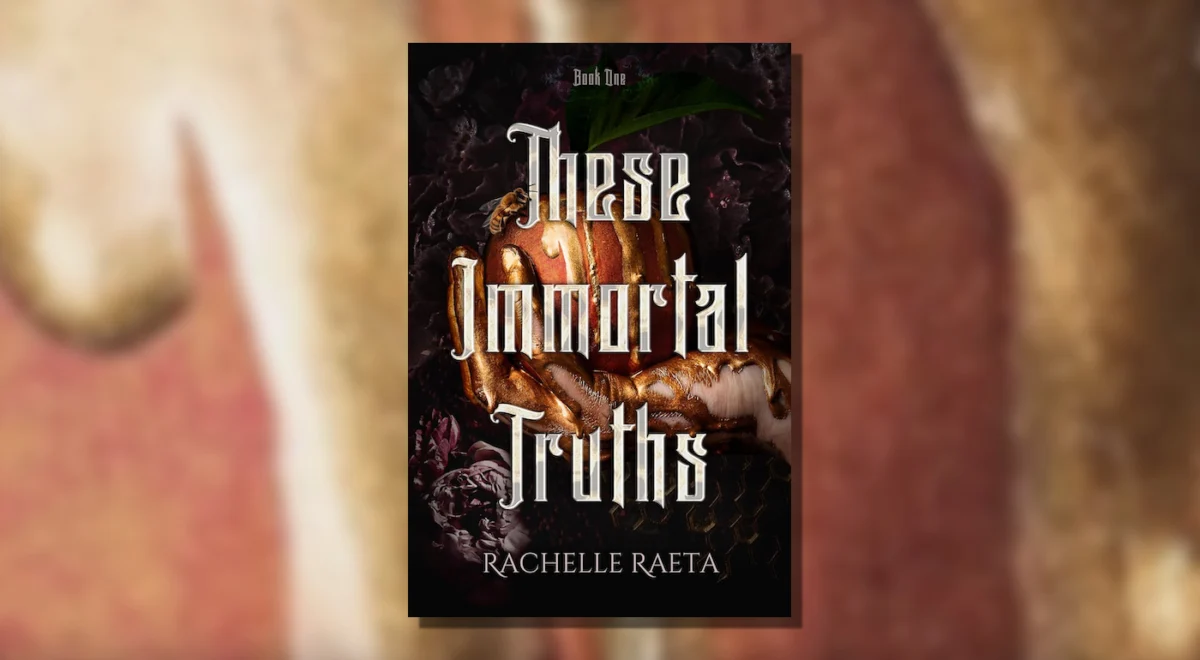
NEW YORK, NY – Tor Books is set to enthrall readers worldwide with the highly anticipated release of These Immortal Truths by Rachelle Raeta, a sweeping historical fantasy that delves into the profound complexities of eternal life. Scheduled for publication on June 30th, this powerful and romantic narrative explores not only the boundless expanse of living forever but, more critically, the essence of living fully. The forthcoming hardcover edition is poised to be a collector’s dream, boasting exquisite features including sprayed edges, a distinguished case stamp, and intricately designed endpapers, promising a reading experience as rich and captivating as the story itself.
These Immortal Truths introduces readers to Anna, a young woman whose existence is defined by a relentless struggle against hunger and hardship. Mistaken for a leper due to pale shadows on her skin, Anna endures a solitary life of exile, each day a testament to her unwavering focus on survival. Her world, however, is irrevocably altered by a singular act of compassion – an unassuming kindness shown to a mysterious and beautiful stranger. This pivotal encounter bestows upon Anna an extraordinary gift: a body untouched by the ravages of time and harm. Suddenly, she is granted a freedom she has never dared to dream of, embarking on a journey through centuries.
Yet, immortality, as Anna soon discovers, is a double-edged sword. As decades bleed into centuries, the lives of everyone she encounters, everyone she grows to love, inevitably slip through her fingers like grains of sand. The sole constant in this unending existence is Khiran, the enigmatic shapeshifting god who granted her this boundless life. Regardless of the years that pass or the vast distances that separate them, Anna holds an unwavering trust that Khiran will always return. However, the true depths of immortality conceal more than Anna comprehends, and as she traverses the ages, she will confront both the breathtaking beauty and the perilous dangers inherent in a life without end.
A Deeper Look into the Narrative: A Chronicle of Immortality
Raeta’s narrative, from its very premise, promises a rich tapestry woven with historical detail and fantastical elements. The core question – "what it means to live fully" – elevates These Immortal Truths beyond a mere tale of magic and romance. It positions the novel as a philosophical exploration of human existence, even when transcending human limitations. Anna’s initial state, marked by societal rejection and physical isolation, provides a poignant contrast to the limitless freedom she later acquires. Her banishment, stemming from unfounded fears of leprosy, grounds the fantasy in a grim historical reality, echoing real-world prejudices and the suffering they inflict.
The introduction of Khiran, the shapeshifting god, adds a layer of divine intervention and mythos. His consistent return suggests a bond that defies temporal and spatial boundaries, hinting at a romance that is not only epic but also deeply intertwined with the very fabric of Anna’s immortal existence. This central relationship is poised to be a cornerstone of the story, exploring themes of enduring love, companionship, and perhaps, the burden of being the only two constants in an ever-changing world. The journey through "decades and centuries" implies a vast historical scope, offering Raeta ample opportunity to paint vibrant pictures of different eras and cultures, witnessed through Anna’s uniquely timeless perspective. The phrase "beauty and danger of a life without end" serves as a compelling hook, promising both wonder and profound challenges for the protagonist.
The Exquisite Craftsmanship of the New Edition
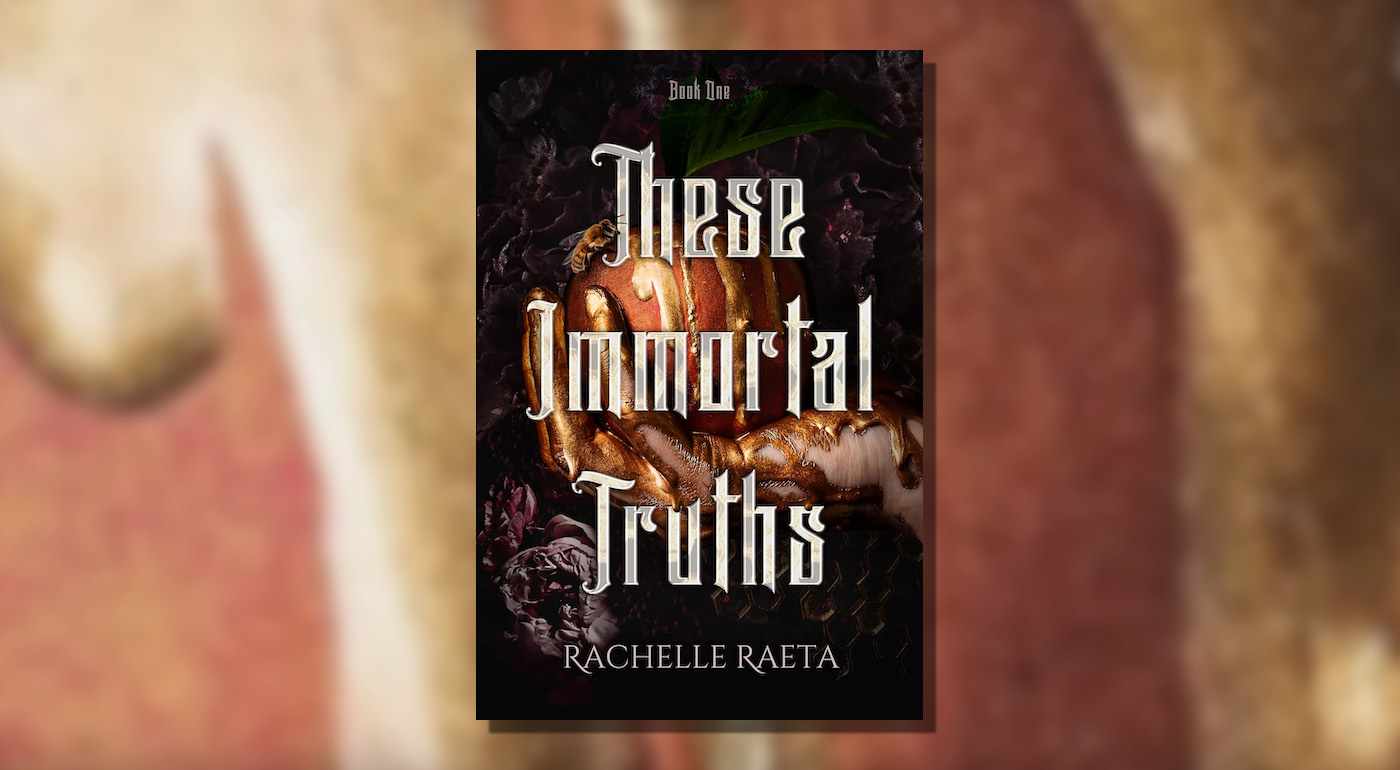
Tor Books’ commitment to presenting These Immortal Truths in a visually stunning hardcover edition underscores the publisher’s belief in the book’s significance. The announced features—sprayed edges, a case stamp, and designed endpapers—are hallmarks of premium literary productions, often reserved for highly anticipated titles or beloved classics.
- Sprayed Edges: This aesthetic detail, where the edges of the book’s pages are colored, often in a hue complementary to the cover art, transforms the book into an art object. It signals a heightened level of care and artistic intent in the physical presentation.
- Case Stamp: A decorative impression made directly onto the book’s cover board, a case stamp adds a tactile and sophisticated element. It often features intricate designs or the title/author in a unique font, enhancing the book’s collectibility and shelf appeal.
- Designed Endpapers: These are the pages glued to the inside of the front and back covers. When specially designed with illustrations or patterns, they contribute significantly to the overall immersive experience, often hinting at the book’s themes or aesthetic before the reader even begins the story.
These elements collectively create a deluxe package that will undoubtedly appeal to book collectors and readers who value the physical artistry of a book as much as its narrative content. The visual cues suggest a story steeped in elegance and intricate detail, mirroring the depth of the fantasy world within.
An Unveiling: Chapter One Excerpt Analysis
The provided excerpt from "Chapter One" immediately immerses the reader in Anna’s harsh reality and introduces the supernatural elements with masterful subtlety.
Opening Vignette: A Divine Gaze
The chapter opens with a cryptic, poetic quote: "There is beauty in the struggle, the way life pushes when the world says pull. He sees it in the way she gasps, fumbles, chokes. Clothed in ashes and rebirth, he watches as the terror in her eyes slowly gives way to wonder." This enigmatic introduction, narrated from a mysterious "He" perspective, sets an immediate tone of ancient power and observation. The "He" is almost certainly Khiran, the shapeshifting god, witnessing Anna’s suffering and transformation. The imagery of "ashes and rebirth" powerfully foreshadows Anna’s impending ordeal and her miraculous survival, hinting that her journey will be one of profound change and resilience.
England, 1185: A Life Defined by Loss and Resilience
The narrative then shifts to Anna’s perspective, firmly establishing the historical setting of England in 1185. Her earliest memory is of being dragged from her burning childhood home, a stark image of loss and trauma. The details—cloying smoke, blackening lungs, bruising pain—create a vivid, visceral experience for the reader. We learn of her forced servitude and the brutal realities of medieval life, where young women were abducted and exploited. Anna’s initial "luck" in her servitude under a lord is quickly revealed to be a fragile comfort, highlighting the pervasive vulnerability of women in this era.
The description of the manor, with its grand fireplaces and cool stone, contrasts sharply with Anna’s own meager existence, even within its walls. She "never tasted the luxuries" but "certainly never went hungry," painting a picture of a life of stark social hierarchy and limited personal agency. This precarious stability shatters when she turns fifteen.
The Mark of Exile: Superstition and Scapegoating
The appearance of "pale shadows" on Anna’s chest marks the turning point. The fear it instills, first in herself, then in a chambermaid, and eventually in the lord, perfectly encapsulates the superstition and ignorance of the period. The absence of "proof of any type of contamination" is irrelevant; the "weak harvest" and "terrible sickness" in the village provide the perfect pretext for scapegoating. Anna becomes an easy target, a convenient explanation for inexplicable misfortune. Her banishment is not just a physical removal but a profound severing of identity. She grapples with the "quiet grief in not knowing who she was or where she came from," the loss of her native language, and even uncertainty about her own name. Yet, her enduring spirit shines through: "But she’s alive. She’s healthy."
Survival in the Wild: A Decade of Hardship
Anna’s decade in exile showcases her formidable resilience. Fanny’s "meager offerings" hint at a secret kindness that sustained her, providing a thread of humanity in a harsh world. Anna’s adaptation to the forest, learning its "language" and utilizing its "gifts," demonstrates her resourcefulness and connection to the natural world. Her continuous struggle against hunger, epitomized by the hawthorn grove that has "seen plenty of her blood," paints a stark picture of perpetual scarcity and the physical cost of survival. The rhythm of seasons dictates her life, emphasizing the relentless cycle of hardship and the necessity of saving every "gift."
The Fateful Encounter: Kindness in the Face of Danger
The sudden intrusion of "men shouting" into her solitary world immediately escalates the tension. Anna’s instinct to protect her foraging grounds and her life is palpable. The arrival of the beautiful stranger, "swathed in richly colored silks," creates a striking visual contrast with Anna’s "dingy, threadbare dress." The stranger’s "dark eyes" and "braided ebony hair" evoke an otherworldly allure. Anna’s immediate, selfless act of grasping the woman’s hand and pulling her to safety, sacrificing her precious berries, is a testament to her inherent goodness and courage despite her own perilous situation. The realization that their pursuers are "soldiers" underscores the gravity of the threat.
Within the Sanctuary: A Pact of Immortality
Once safe in her cabin, the contrast between Anna’s exhaustion and the stranger’s serene composure is stark. The stranger’s lyrical voice and enigmatic questions—"I have many names… Which would you choose for me?"—immediately hint at a divine or supernatural nature. Her effortless strength further reinforces this. The stranger’s reaction to Anna’s "marked skin" is pivotal. While Anna anticipates disgust and abandonment, the stranger’s response—"Fools," and "There are many things worth fearing… This is not one of them"—is one of profound acceptance and understanding, signaling her extraordinary perspective.
Anna’s desperate offer of food, despite her own hunger, highlights her yearning for connection and companionship. The stranger’s knowing "pity" and acceptance of the meager meal reinforce the sense of an ancient, understanding being. The realization that the discarded berries will lead the soldiers to her cabin ignites a fresh wave of fear for both their lives. The stranger’s calm, prophetic statement, "Death will not come for you," serves as both a comfort and a chilling promise.
The Gift: Taozi, The Fruit of Immortality
The offering of the "Taozi" or "Persian apple" is the narrative’s climax. This foreign, sweet fruit, described with evocative sensory details, serves as a clear allusion to the forbidden fruit of Eden, yet with a distinct twist. The revelation that "There’s no seed" and the stranger’s response—"Priceless are the treasures that cannot be replicated"—underscore its unique, non-natural origin, hinting at its magical properties. Anna’s decision to savor this "last meal" in a moment of desperate wonder, even as tears stream down her face, is deeply poignant. It reflects her acceptance of what she believes to be her inevitable death, finding beauty in a final, extraordinary experience.
The Pyre and Rebirth: The Price and Promise of Eternal Life
The swift, brutal arrival of the soldiers shatters Anna’s brief solace. Her realization—"She wasn’t human"—confirms the stranger’s divine nature and the implication of her "gift." The scene shifts to a desolate beach, where a "crude pyre" awaits, signaling not just death but a horrific, public execution as a "witch" and "Devil’s whore." The villagers’ cruelty and the priest’s accusations underscore the pervasive fear and superstition that defined Anna’s life.
As the flames rise, Anna’s despair is profound. Yet, the stranger reappears, first as a raven, then as herself, offering a silent command: "Trust me." The impossible then occurs: the flames lick at her skin but "doesn’t blister. Doesn’t blacken." The "numbing warmth" from the fruit, once a mere sensation, reveals its true power. The rope snaps, her vision blacks out, only for her to awaken "alive," alone on the beach, untouched by the inferno. The stranger’s final confirmation—"Did I not tell you, Anna? Death will not come for you"—seals her new, immortal fate. This act of salvation, born from an act of selfless kindness, is both a miracle and the beginning of Anna’s unending journey.
Publisher’s Vision and Anticipated Impact
Tor Books’ decision to highlight These Immortal Truths with such a significant launch and premium edition suggests immense confidence in Rachelle Raeta’s storytelling prowess. Based on this compelling excerpt, Raeta masterfully blends historical accuracy with rich, imaginative fantasy. Her prose is evocative, painting vivid scenes of both medieval hardship and burgeoning magic. The character of Anna is immediately sympathetic, her resilience and moral compass shining through her suffering. The enigmatic stranger, likely Khiran, exudes ancient power and a captivating mystery.
This novel is poised to resonate deeply with fans of historical fiction and epic fantasy, particularly those who appreciate narratives that explore profound philosophical questions through compelling character arcs. Themes of identity, belonging, prejudice, and the true cost of immortality are woven throughout the narrative, promising a story that is both entertaining and thought-provoking. These Immortal Truths has the potential to become a significant entry in the historical fantasy genre, offering a fresh perspective on what it truly means to endure, to love, and to live, through the lens of an immortal woman navigating the ever-changing tides of history. It promises to be a must-read for anyone seeking an immersive, romantic, and deeply reflective fantasy experience.
Excerpted from These Immortal Truths, copyright © 2026 by Rachelle Raeta.