The Tactile Surreal: How Furry Puppet Studio and the Henson Lineage Redefine the Animated Object
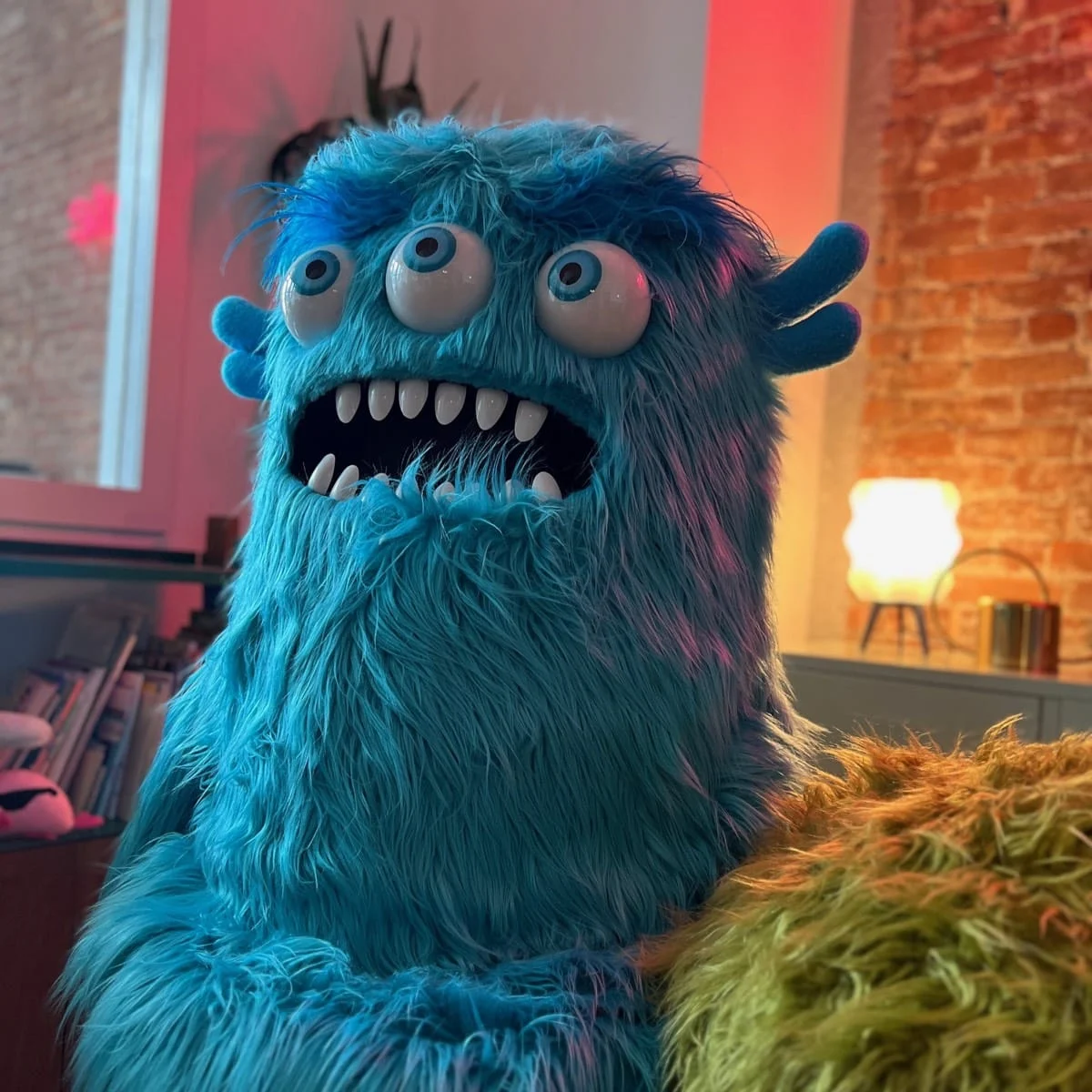
In the heart of Manhattan’s SoHo district, a quiet revolution in the art of the "impossible" is taking place. While much of the modern world’s creative energy is funneled into pixels and generative algorithms, Furry Puppet Studio remains committed to the high-stakes world of physical fabrication. By carving creatures out of solid foam—a process with no "undo" button—the studio is bridging a historical gap between avant-garde surrealism and mainstream media. This is not merely puppetry for entertainment; it is the continuation of a century-old quest to manifest the uncanny in the physical realm.
Main Facts: The Intersection of Foam and the Fantastic
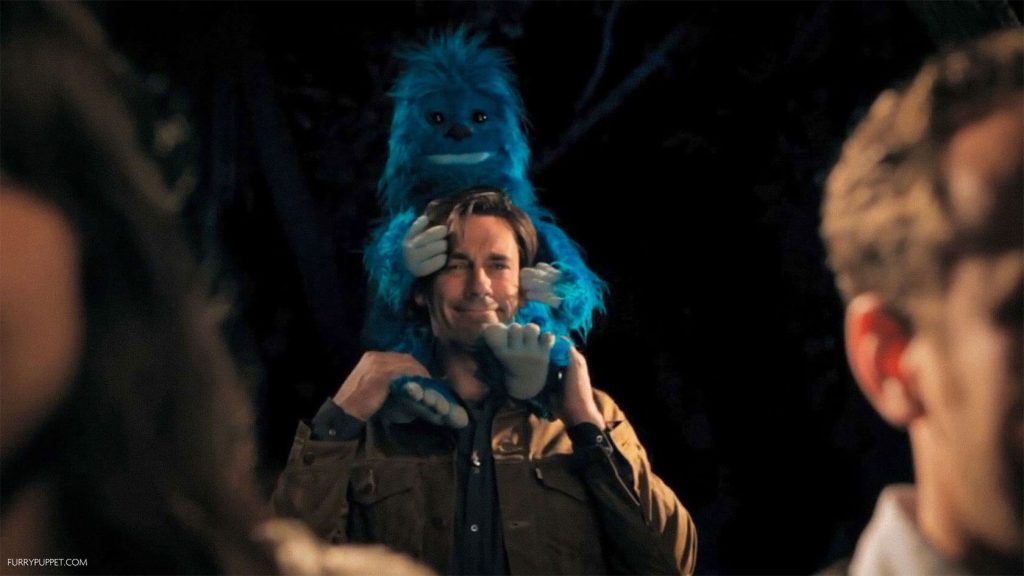
Furry Puppet Studio, founded by Zack Buchman, operates as a high-end design house specializing in custom-built puppets and creatures. Unlike the mass-produced mascots of the past, these creations are bespoke works of art, often requiring years of development. The studio’s portfolio spans a diverse array of cultural touchstones, from music videos featuring Jon Hamm and Missy Elliott to sophisticated advertising campaigns for Apple in Japan and live broadcasts for CNN.
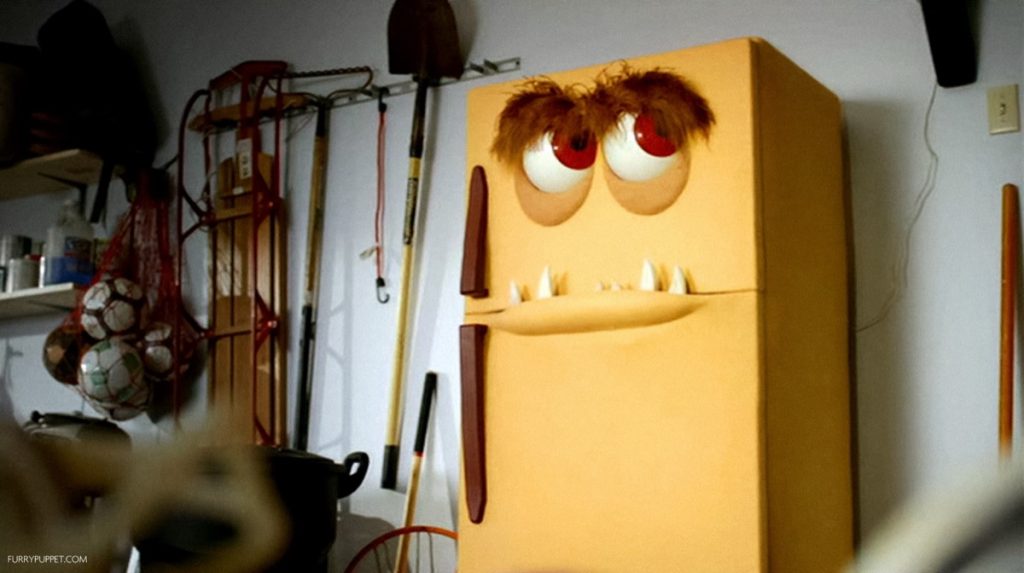
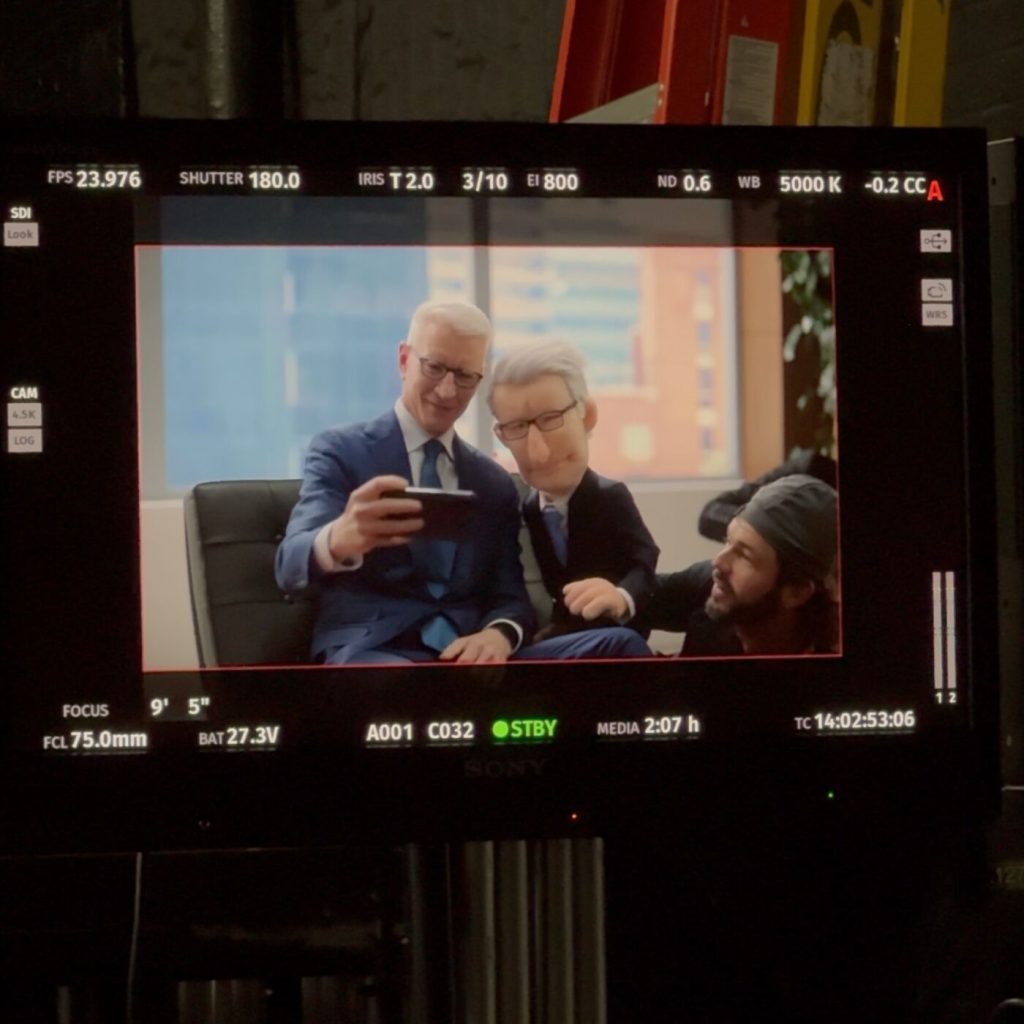
The studio’s work is characterized by a specific aesthetic: the "marvelous" inserted into the mundane. Whether it is a refrigerator with heavy, blinking eyelids or a hyper-realistic puppet double of a news anchor, the goal is to trigger a psychological response known as the "uncanny." This term, famously explored by Sigmund Freud and later applied to robotics as the "uncanny valley," describes the unsettling feeling one gets when an inanimate object appears too lifelike.

Key figures in this movement include:
- Zack Buchman: The self-taught founder of Furry Puppet Studio who views his "outsider" status as a catalyst for innovation.
- Erminio Pinque: Founder of Big Nazo, a Providence-based troupe that brings massive, wearable surrealist creatures into public spaces.
- Jim Henson: The late pioneer whose experimental film background provided the intellectual foundation for modern puppetry.
- Polly Smith: A legendary costume designer at Furry Puppet Studio and co-inventor of the sports bra, bringing high-level engineering to fabric and form.
Chronology: From Experimental Film to SoHo Storefronts
The lineage of the "surrealist puppet" can be traced through several pivotal eras of the 20th and 21st centuries.
1965–1968: The Henson Experimental Era
Before "Sesame Street" became a global phenomenon, Jim Henson was an active participant in the New York avant-garde scene. In 1965, he released Time Piece, a dialogue-free short film that used jump cuts and associative logic to explore the relentless nature of time. Nominated for an Academy Award and screened at the Museum of Modern Art (MoMA), the film established Henson not as a "children’s entertainer," but as a surrealist filmmaker. This period also saw him producing Youth ’68 for NBC, a collage-style documentary that utilized experimental editing to capture the counterculture.
1982: The Dark Crystal and the Return to Darkness
Henson’s release of The Dark Crystal marked a definitive return to the "strange." He reportedly pushed for a darker, more unsettling tone than the studio preferred, at one point offering to buy the film back to protect its artistic integrity. This film proved that puppet-based narratives could sustain complex, surrealist world-building without relying on human protagonists.
1986: The Birth of Big Nazo
In Providence, Rhode Island, RISD-trained illustrator Erminio Pinque founded Big Nazo. His vision was to take the puppet off the stage and into the streets. By creating "creature dance parties" and public "ambushes," Big Nazo channeled the spirit of André Breton’s surrealist manifestos, which called for the "marvelous" to erupt into ordinary life.
2000s–Present: The Rise of Furry Puppet Studio
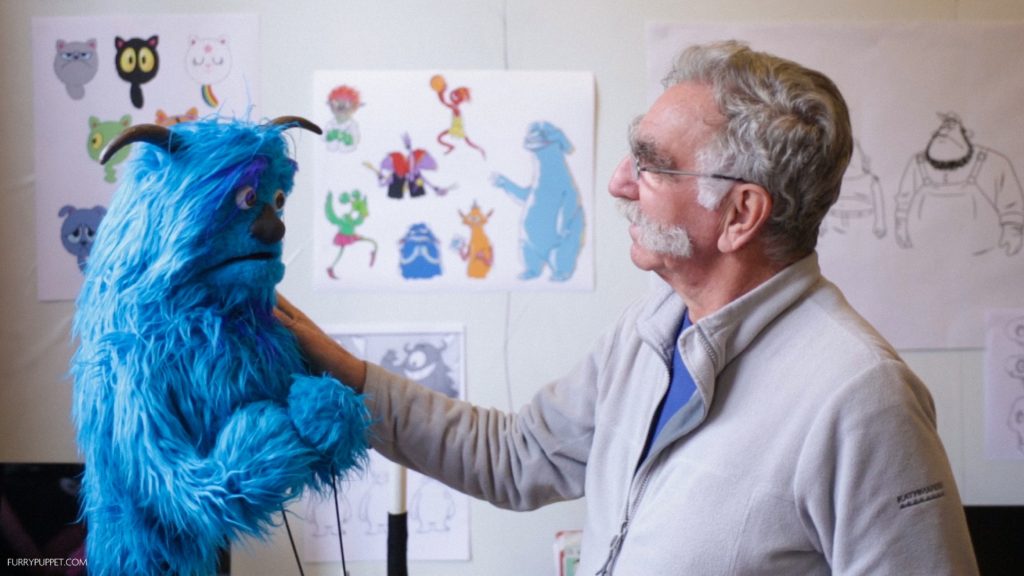
Zack Buchman established Furry Puppet Studio in SoHo, moving away from the traditional "Muppet" aesthetic toward something more textured and psychologically complex. By integrating mechanical engineering with hand-carved foam, the studio began attracting high-profile clients who sought the unique "weight" of a physical object that CGI could not replicate.
Supporting Data: The Mechanics of the "Dream Fleece"
The effectiveness of these surrealist objects relies on meticulous technical data and proprietary materials. At Furry Puppet Studio, the fabrication process is a blend of old-world sculpture and modern engineering.
- Material Innovation: The studio utilizes a custom-manufactured fabric known as "dream fleece." This material is designed to hide seams and absorb light in a way that mimics skin or organic fur, preventing the "plastic" look often associated with cheaper puppets.
- The "No Undo" Methodology: Most creatures begin as a single, large block of industrial foam. Unlike digital sculpting, where a mistake can be deleted, the carvers at Furry Puppet must execute permanent cuts. This requires a level of spatial confidence that Buchman compares to the work of a classical stone sculptor.
- The Ocular Hinge: The studio identifies the placement of the eyes as the most critical data point in a build. A shift of a few millimeters can change a creature’s expression from "suspicious" to "approachable." This is the precise moment fabrication becomes "animation"—the point at which the viewer’s brain stops seeing a foam block and starts seeing a living entity.
- Engineering Weight: For the Missy Elliott "WTF" music video, the studio had to re-engineer the internal skeletons of the marionettes. These were not traditional puppets; they were "performance rigs" designed to allow professional street dancers to translate their high-speed movements into the puppets’ limbs.
Official Responses: Perspectives from the Creators
The philosophy behind this work is best articulated by those who spend their lives in the studio.
Zack Buchman often speaks about the "outsider" advantage. "We do pretty unusual work," he states, noting that his lack of formal college training allowed him to ignore the "correct" way of doing things in favor of what actually worked. He describes the goal of his studio as the "instant disbelief clicks off." For Buchman, the success of a project is measured by the moment a human observer treats the puppet as a peer rather than a prop.
Erminio Pinque of Big Nazo emphasizes the importance of the "wonderful failure." In public performances, Pinque embraces the accidents—the way a nine-foot alien interacts with a confused bystander or a malfunctioning limb creates a new, unplanned gesture. "The accidents are where the good juxtapositions come from," Pinque says, echoing the surrealist technique of automatism, where the artist allows the subconscious (or in this case, the environment) to take control.
Legendary designer Polly Smith brings a more pragmatic perspective to the "uncanny." Her involvement ensures that these creatures are not just visually striking but physically viable. Her transition from inventing the sports bra to building high-end puppets highlights the multidisciplinary nature of the craft: it is a field where athletic engineering meets dream-logic.
Implications: Why Physical Surrealism Matters in a Digital Age
The continued relevance of studios like Furry Puppet and Big Nazo carries significant implications for the future of visual media and psychological art.
The Survival of the Tactile
As CGI becomes indistinguishable from reality, it simultaneously loses its "tactile authority." The human brain is evolutionarily primed to recognize the physics of real objects—the way light bounces off "dream fleece" or the way a foam yeti’s fur moves in a real breeze. The "implication" here is that as digital media becomes more ubiquitous, the value of the physical, hand-carved object actually increases. It provides a "sensory anchor" that digital images cannot provide.
The Democratization of the Marvelous
By placing surrealist objects in music videos, commercials, and street parades, these artists are performing a quiet act of cultural subversion. They are moving surrealism out of the "white cube" of the art gallery and into the "black box" of the television screen and the "gray pavement" of the city street. When a refrigerator with eyelids appears in a commercial, it forces the viewer to engage with a Magritte-like subversion of the domestic sphere, often without the viewer even realizing they are consuming "high art."
The Lessons for AI and Robotics
As developers work to create more lifelike AI avatars and robots, they are running headlong into the same problems puppet makers solved decades ago. The "uncanny valley" is no longer just a puppetry concern; it is a global tech challenge. The "knowledge" held in a SoHo studio—the precise tilt of a 3D-printed eyeball or the density of a foam limb—is becoming a vital resource for anyone trying to bridge the gap between the "it" and the "him/her."

In conclusion, the work of Furry Puppet Studio, Big Nazo, and the Henson lineage represents more than just a niche craft. It is a rigorous, technical, and deeply psychological exploration of what it means to be "alive." By carving the impossible out of the everyday, these artists ensure that surrealism remains not a historical movement, but a living, breathing—and occasionally furry—reality.