
Beyond Middle-earth: Analyzing the Cultural Longevity and Rewatchability of Cinema’s Greatest Trilogies
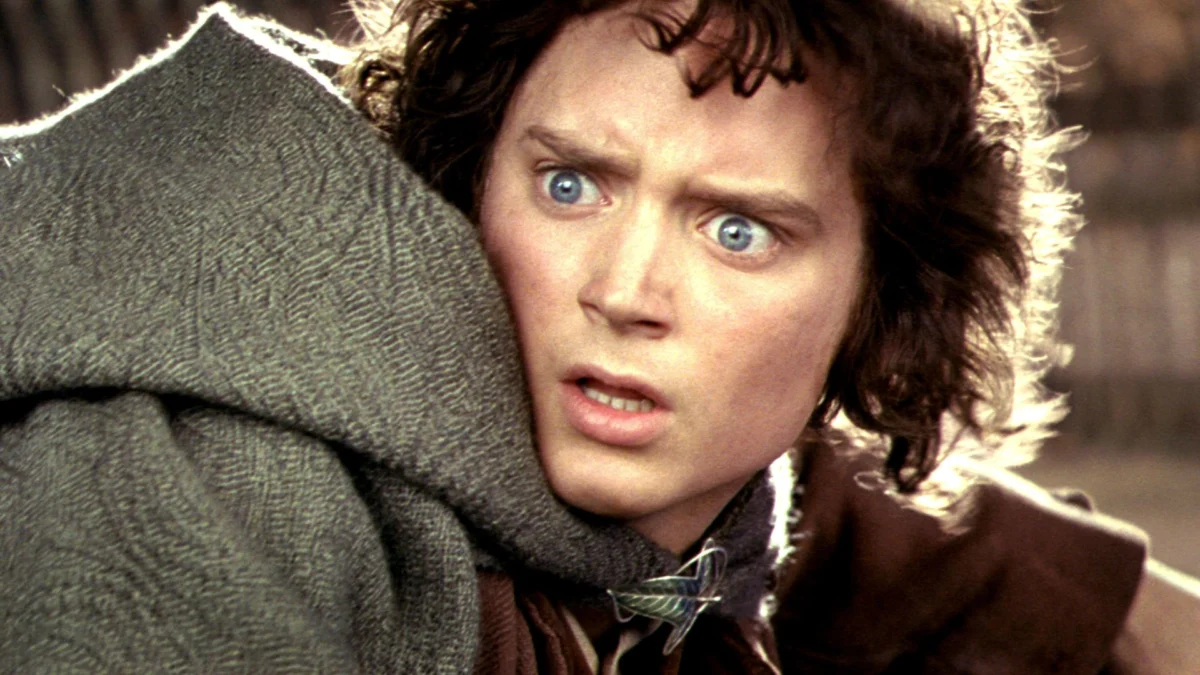
The cinematic trilogy has long been regarded as the "holy grail" of narrative structure. While a single film introduces a world and a sequel expands its horizons, the third entry provides the definitive closure necessary to cement a legacy. Peter Jackson’s The Lord of the Rings is frequently cited as the pinnacle of this form, blending high-fantasy spectacle with profound character arcs. However, the landscape of film history is populated by other trilogies that arguably match—or in specific thematic ways, surpass—the rewatchability of Middle-earth.
From the gritty realism of Christopher Nolan’s Gotham to the philosophical musings of Richard Linklater’s romance, these series represent more than just entertainment; they are pillars of cultural history that reward repeated viewings through technical innovation, narrative density, and emotional resonance.
Main Facts: The Pillars of Trilogy Excellence
The concept of "rewatchability" is often subjective, yet in film criticism, it is measured by a series’ ability to reveal new layers upon subsequent viewings. Trilogies like Star Wars, Toy Story, and The Dark Knight are characterized by several key factors:
- Narrative Cohesion: A clear beginning, middle, and end that feels earned rather than manufactured for profit.
- Genre Redefinition: Each of these series did not just participate in their genres; they reshaped them.
- Technological Milestones: From the birth of CGI in Toy Story to the practical effects mastery in Indiana Jones.
- Character Evolution: The ability to watch a protagonist—be it Woody, Luke Skywalker, or Jesse and Céline—age and change in real-time or through deliberate narrative leaps.
Chronology: The Evolution of the Three-Act Franchise
The history of the modern film trilogy can be traced through distinct eras of Hollywood and international cinema:

- The 1960s (The Revisionist Western): Sergio Leone’s Dollars Trilogy (1964–1966) moved away from the "white hat vs. black hat" tropes of early American Westerns, introducing the morally ambiguous anti-hero.
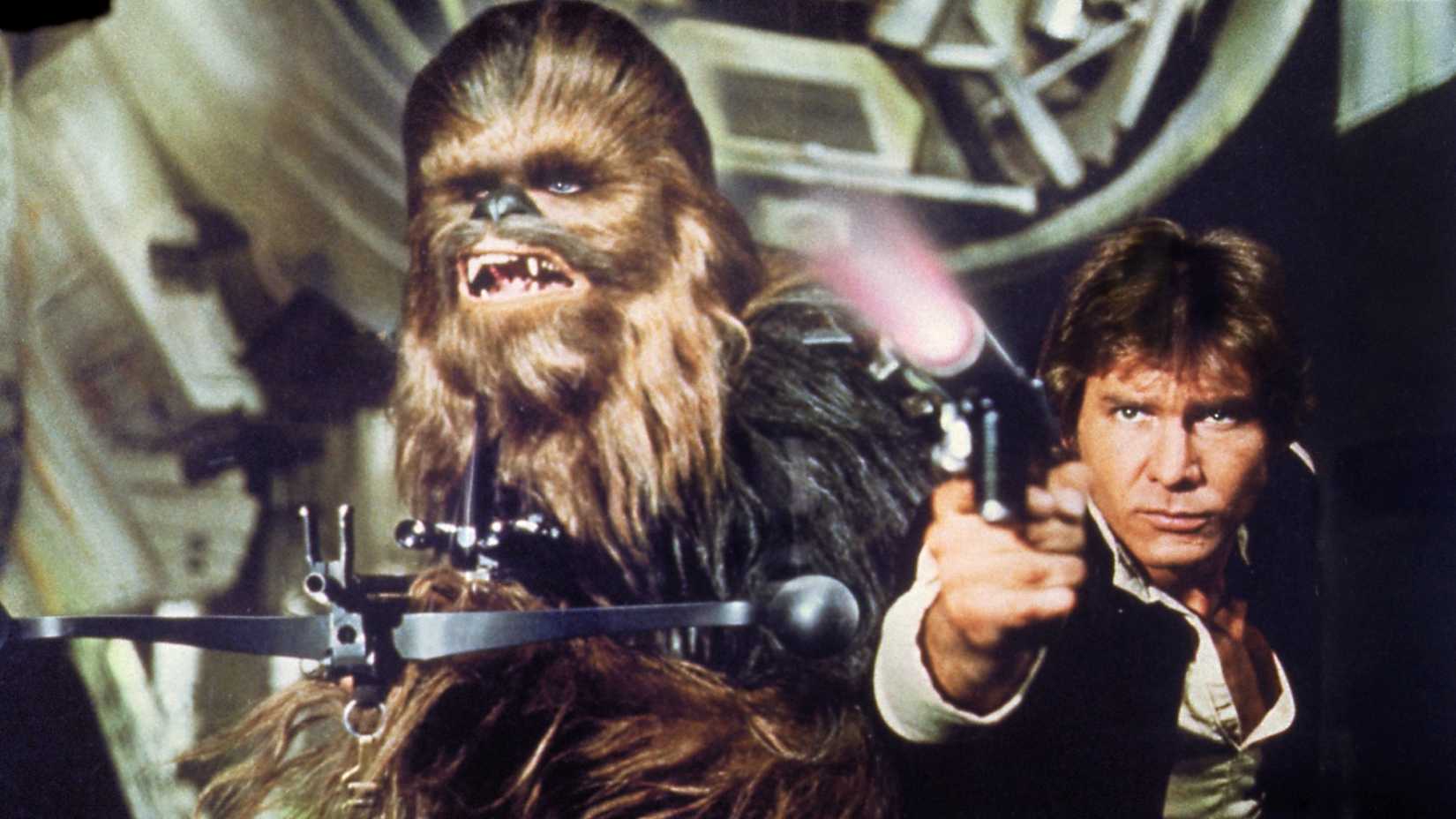
- The 1970s and 1980s (The Blockbuster Era): George Lucas and Steven Spielberg revolutionized the industry with Star Wars (1977–1983) and Indiana Jones (1981–1989), proving that high-concept adventure could sustain multi-film arcs.
- The 1990s (The Structural Experiment): Back to the Future (concluded in 1990) and Toy Story (launched in 1995) pushed the boundaries of time-travel logic and digital animation, respectively.
- The 2000s and 2010s (The Prestige Era): Christopher Nolan’s The Dark Knight trilogy and Richard Linklater’s Before series demonstrated that trilogies could tackle complex psychological and philosophical themes, moving the format toward "prestige" status.
Supporting Data: A Deep Dive into the Rewatchable Elite
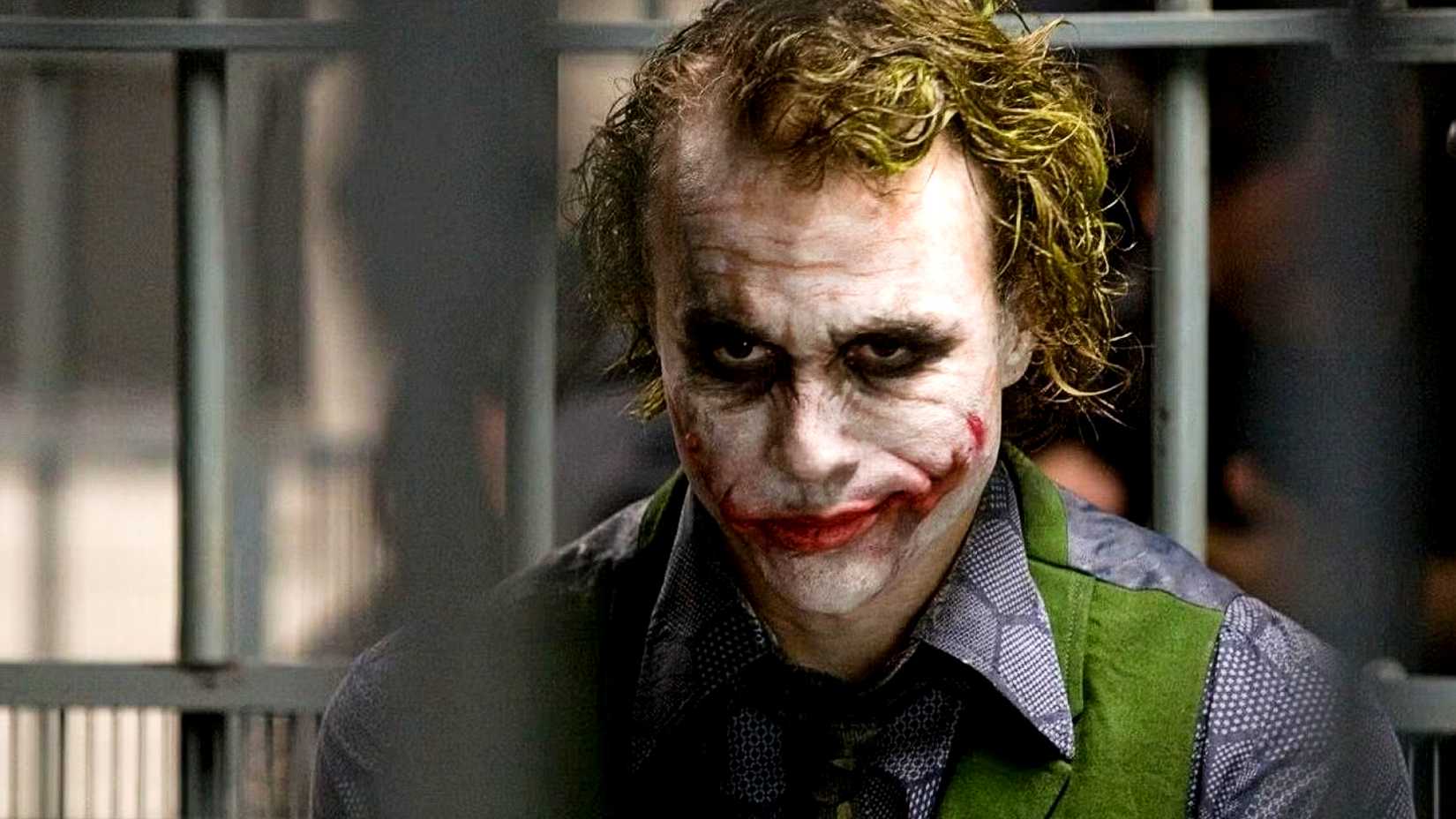
The Dark Knight Trilogy (2005–2012)
Before Christopher Nolan, superhero films were often relegated to "popcorn" status. Nolan’s trilogy grossed over $2.4 billion worldwide and fundamentally changed how studios approached intellectual property. The Dark Knight (2008) holds a 94% on Rotten Tomatoes and is frequently cited in "Top 10" lists of the greatest films ever made. The rewatchability stems from Heath Ledger’s Oscar-winning performance as the Joker and the intricate "escalation" theme that ties the three films together.
The Original Star Wars Trilogy (1977–1983)
The cultural impact of A New Hope, The Empire Strikes Back, and Return of the Jedi cannot be overstated. Beyond the $1.8 billion original run, the trilogy’s rewatchability lies in its world-building. Lucas utilized "used universe" aesthetics—making ships look dirty and lived-in—which created a sense of history that fans continue to dissect decades later.
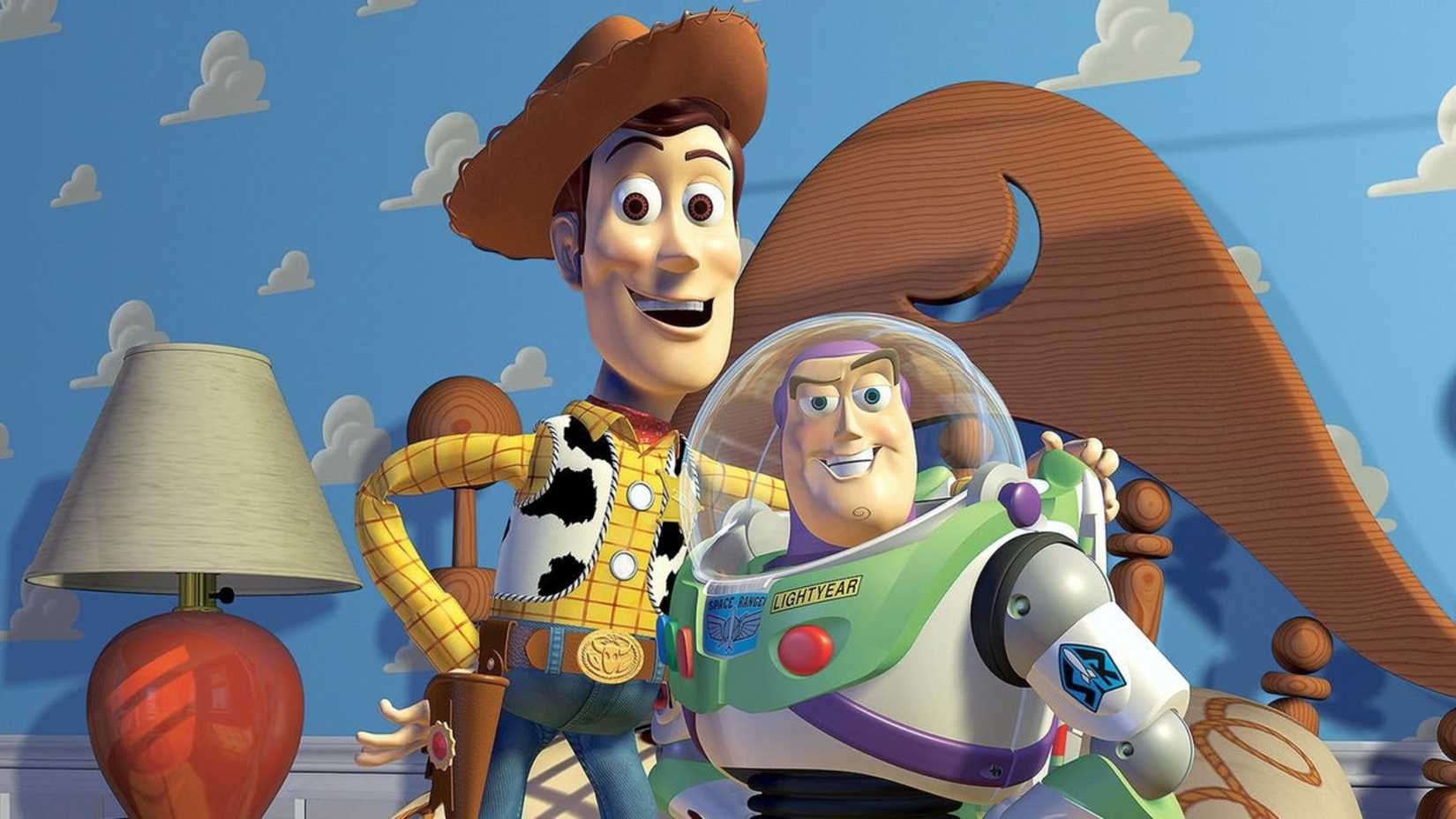
The Toy Story Trilogy (1995–2010)
While a fourth and fifth film exist, the original three-film arc following Andy’s childhood is considered a perfect narrative loop. Toy Story 3 was the first animated film to gross $1 billion, and its 98% critical rating highlights Pixar’s ability to balance slapstick humor for children with heavy themes of mortality and abandonment for adults.
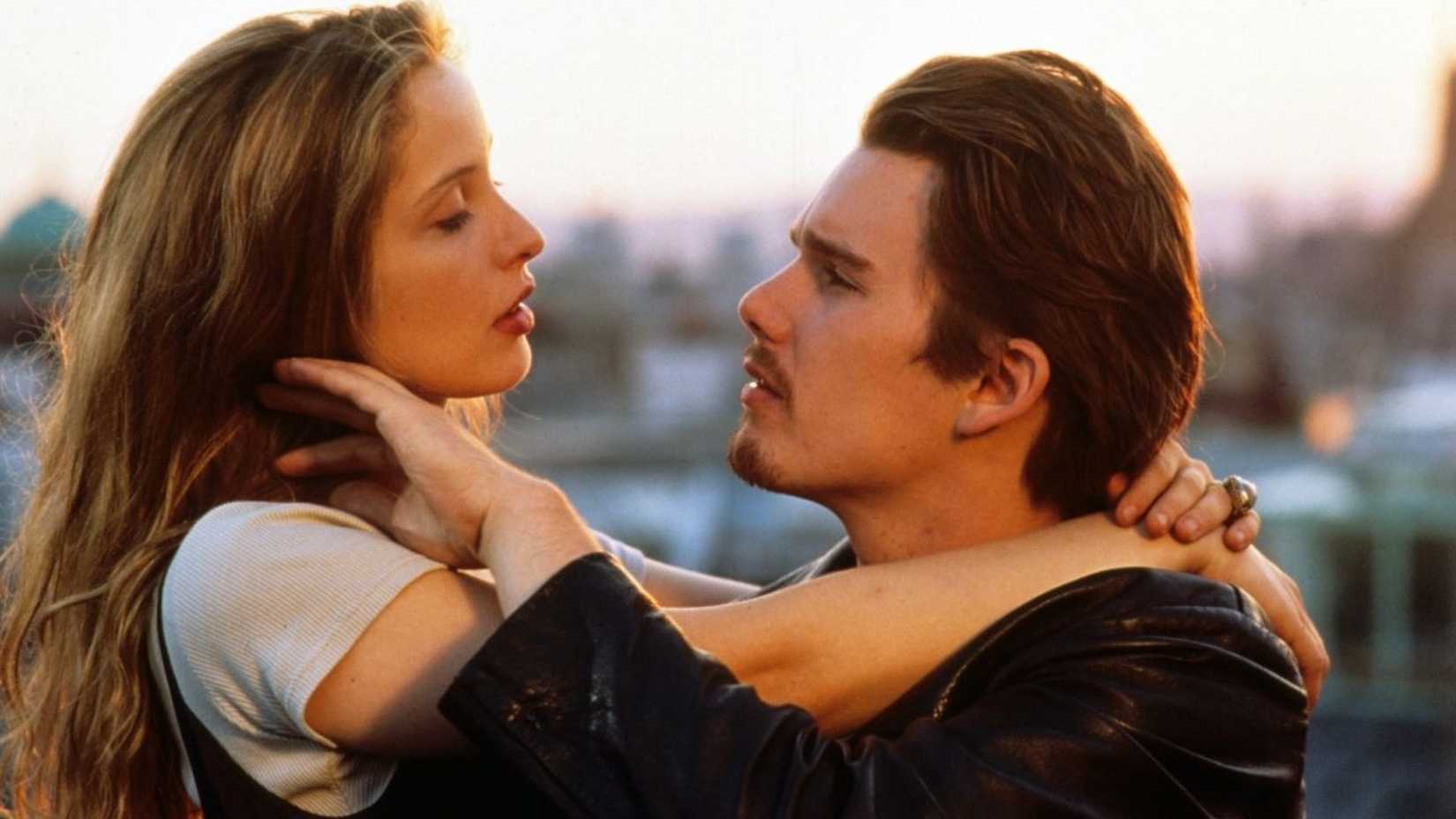
The Before Trilogy (1995–2013)
Linklater’s series (Before Sunrise, Before Sunset, Before Midnight) is unique because it was filmed in real-time intervals of nine years. The rewatchability here is a "life-stage" phenomenon; viewers find that the films mean something different when watched in their 20s, 30s, and 40s. It is the ultimate "low-stakes, high-emotion" trilogy.
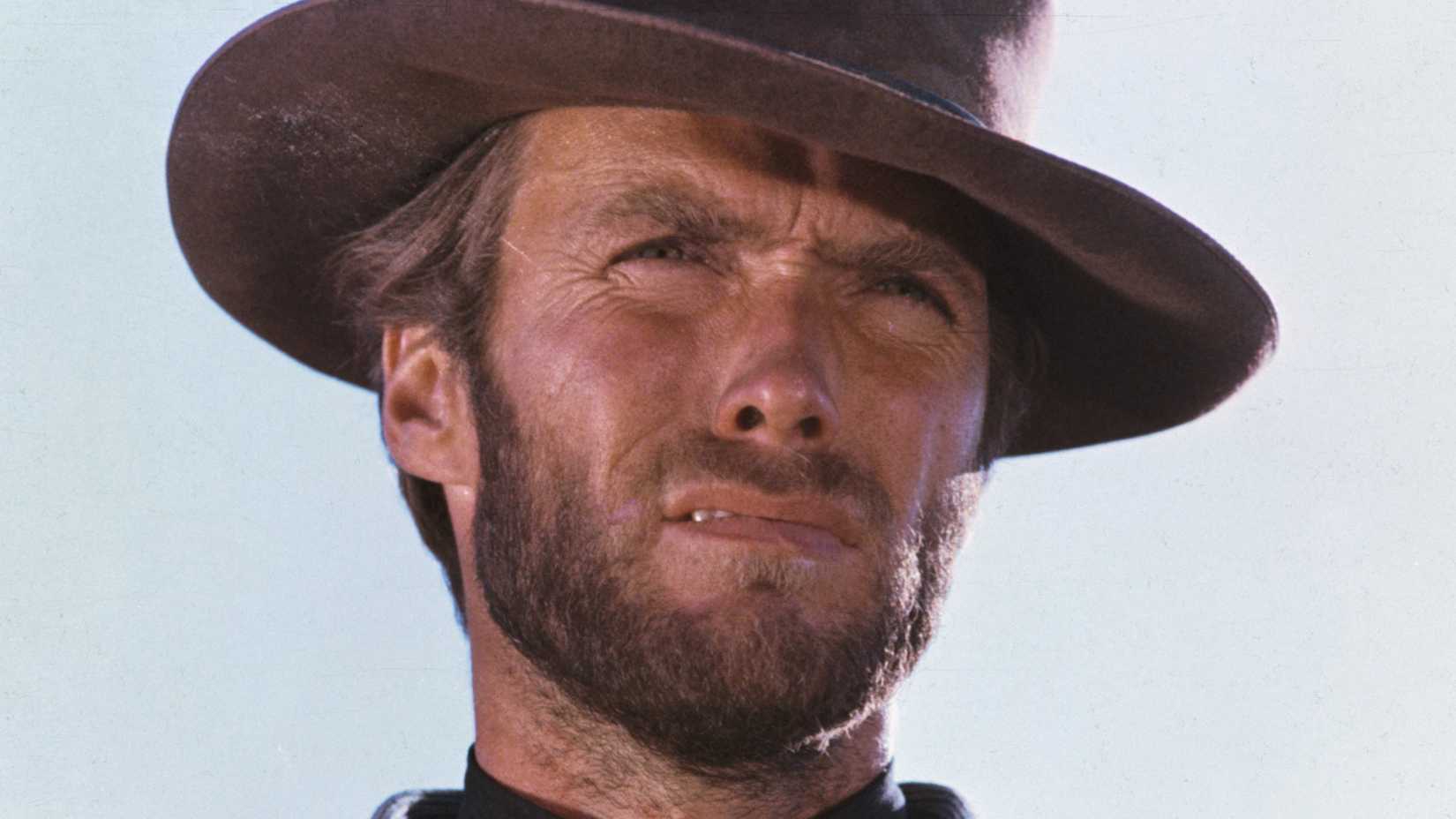
The Dollars Trilogy (1964–1966)
Starring Clint Eastwood, these films—A Fistful of Dollars, For a Few Dollars More, and The Good, the Bad and the Ugly—are masterclasses in tension. Ennio Morricone’s scores are as vital as the dialogue, making the trilogy a rhythmic, almost operatic experience that remains the gold standard for the Western genre.
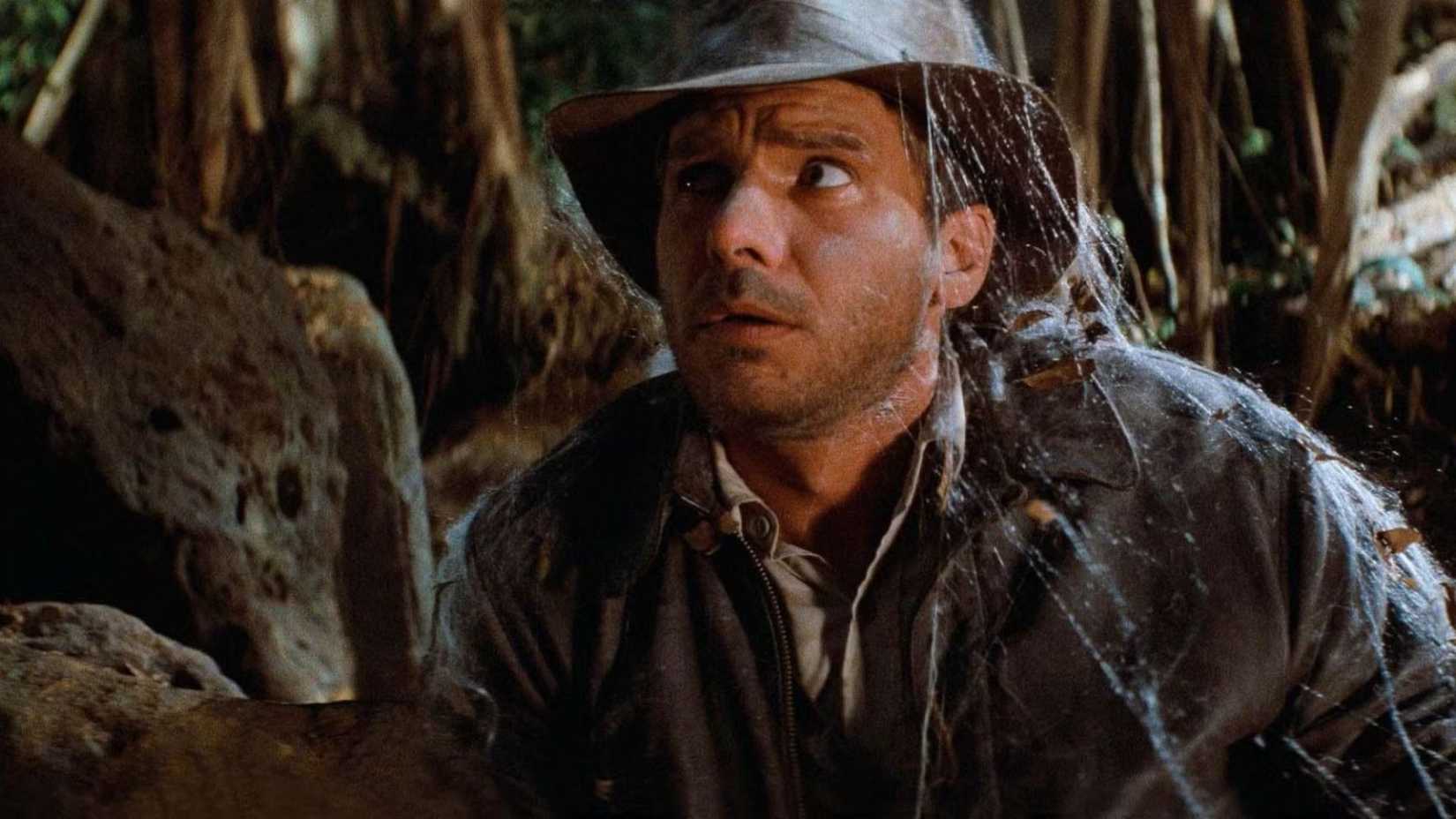
The Indiana Jones Trilogy (1981–1989)
The initial run of Raiders of the Lost Ark, Temple of Doom, and The Last Crusade defined the action-adventure genre. Harrison Ford’s vulnerable yet capable portrayal of Dr. Jones created a character that felt human. The chemistry between Ford and Sean Connery in the third entry remains one of the most celebrated pairings in cinema history.
Official Responses and Creator Insights
The creators of these trilogies have often spoken about the difficulty of maintaining quality across three entries.
Robert Zemeckis, director of Back to the Future, has famously resisted calls for a fourth film. In various interviews, Zemeckis has stated that the story is "complete" and that a remake or sequel would only happen "over his dead body." This commitment to a self-contained trilogy is a primary reason why the series remains so respected; it has no "weak link" intended solely for a cash grab.
Christopher Nolan reflected on the conclusion of his Batman arc, noting that the "trilogy" format allowed for a definitive ending to Bruce Wayne’s journey, a rarity in the modern era of "forever franchises." He told Entertainment Weekly that the goal was to provide a "full circle" experience that made the first film more meaningful by the time the third ended.
George Lucas has frequently discussed Star Wars as a modern mythology. He noted that the original trilogy was designed to mirror Joseph Campbell’s "The Hero’s Journey," a structural choice that ensures the films resonate across different cultures and generations.
Implications: The Trilogy vs. The Cinematic Universe
The enduring popularity of these trilogies raises significant questions about the current state of the film industry. In the age of the "Cinematic Universe" (MCU, DCEU), where stories are told across dozens of interconnected films and TV shows, the classic trilogy is becoming a lost art form.
The Loss of Finality
The primary implication of the "rewatchable trilogy" is the value of an ending. The Lord of the Rings and Back to the Future are satisfying because they stop. Modern franchises often suffer from "stakes fatigue," where nothing feels final because another sequel is always on the horizon. The trilogies listed above offer a sense of closure that encourages fans to return to the beginning and experience the journey again.
Quality over Quantity
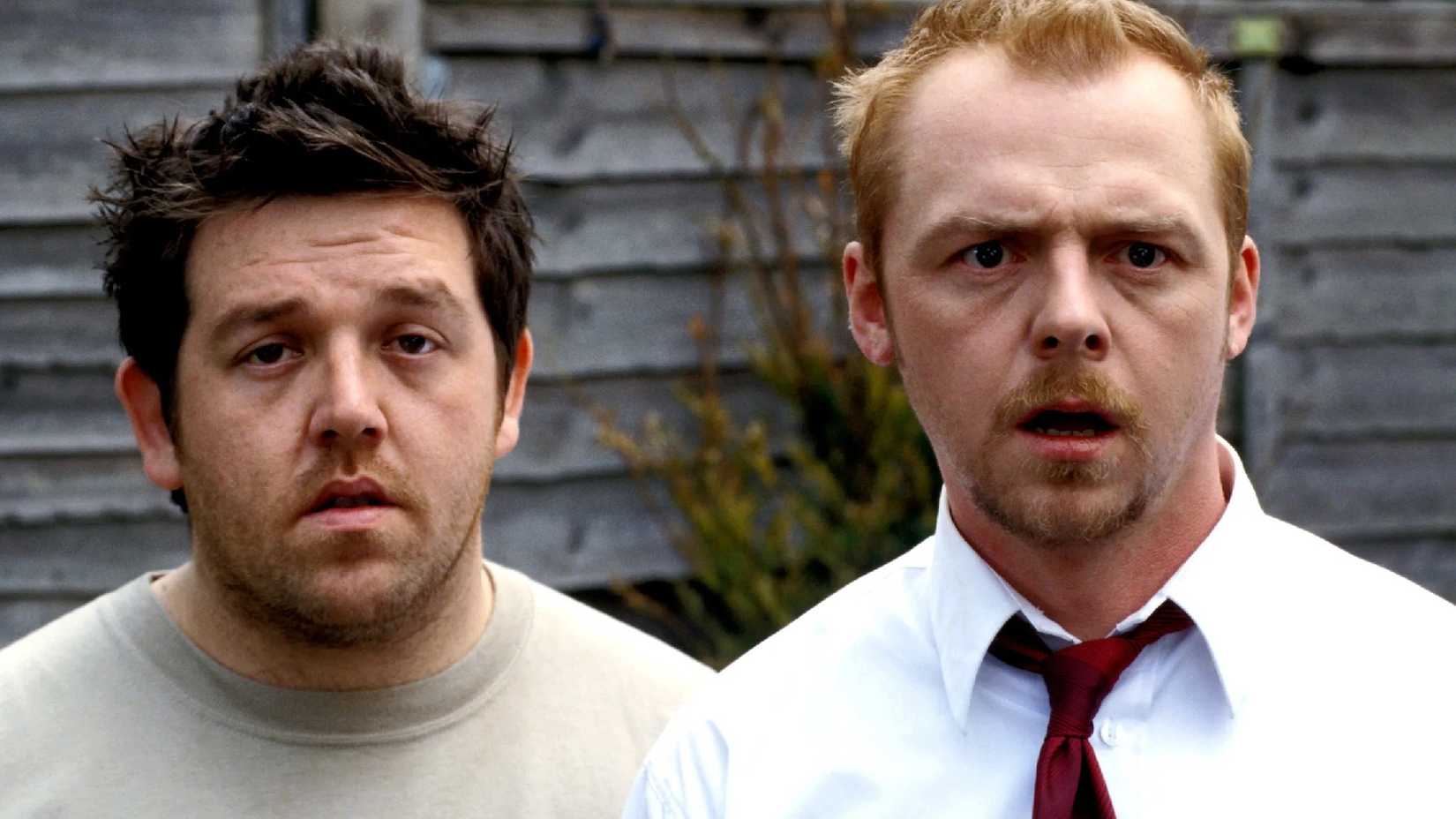
Supporting data suggests that trilogies tend to have higher average critical ratings than long-running franchises. When a creative team sets out to tell a three-part story, the narrative architecture is usually more robust. The Three Flavours Cornetto Trilogy by Edgar Wright is a prime example; though the stories are separate, the thematic consistency of "men refusing to grow up" provides a deeper intellectual satisfaction than a 20-film saga might.
Cultural Preservation
These trilogies serve as time capsules for their respective eras. The Dollars Trilogy captures the cynicism of the 60s; Star Wars captures the escapism of the late 70s; The Dark Knight captures the post-9/11 anxieties of the 2000s. By returning to these films, audiences aren’t just watching a movie; they are engaging with the historical context in which they were created.
In conclusion, while The Lord of the Rings remains a titan of the genre, the "perfect trilogy" exists in many forms. Whether it is the time-bending logic of Marty McFly or the silent stares of the Man with No Name, these series prove that when cinema respects the "rule of three," it creates a legacy that lasts far longer than the runtime of the films themselves.


Leave a Comment