
Beyond the Beloved Melody: Deconstructing John Coltrane’s Transformative "My Favorite Things"
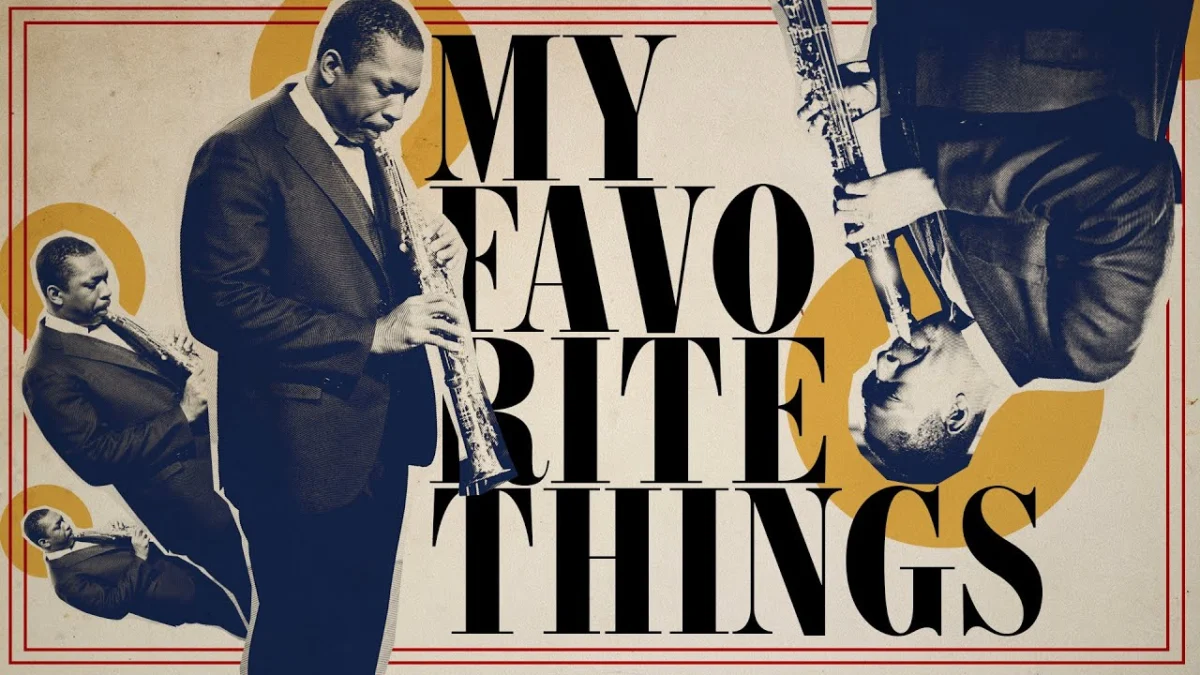
John Coltrane’s 1961 rendition of "My Favorite Things" is more than just a jazz standard; it’s a sonic gateway. While often overshadowed by the spiritual profundity of "A Love Supreme," this audacious reimagining of a Rodgers and Hammerstein show tune stands as a pivotal work, marking a significant shift in Coltrane’s artistic trajectory and broadening his appeal to a wider audience. This article delves into the genesis, musical innovation, and lasting impact of Coltrane’s "My Favorite Things," exploring how it became a bridge between accessibility and avant-garde exploration.
The Enduring Power of a Familiar Tune: Genesis of a Masterpiece
Released in 1961 on the album of the same name, John Coltrane’s "My Favorite Things" was a bold departure from the jazz scene’s prevailing trends. The original song, a whimsical and instantly recognizable melody from the 1959 Broadway musical The Sound of Music, had already achieved widespread popularity. Audiences hummed it from the theater, and numerous popular vocal groups had recorded their own interpretations, solidifying its status as a beloved standard. However, Coltrane saw beyond its saccharine origins, recognizing its potential for radical musical exploration.
This ambitious undertaking was not without its critics or its challenges. As Robin Washington notes in a PRX documentary on the song’s evolution, while "A Love Supreme" is frequently cited as the zenith of Coltrane’s career, it’s a work that might alienate the average listener. "My Favorite Things," on the other hand, offered a different kind of accessibility. Its familiar framework provided a launching pad, a recognizable anchor for listeners venturing into the more experimental territories Coltrane was charting. The "fascinating story of its evolution is something everyone can share and enjoy," Washington posits, highlighting the dual nature of the piece: a commercially successful hit that was simultaneously an experimental masterpiece.
The choice of "My Favorite Things" was strategic. It served as an ideal introduction to Coltrane’s burgeoning experimentalism. Following the complex harmonic structures of his 1959 album Giant Steps, a work renowned for its challenging chord changes, "My Favorite Things" represented a deliberate shift towards modal jazz. This 14-minute excursion, structured around a mere two chords and drawing inspiration from the ragas of Indian classical music, particularly the work of Ravi Shankar, signaled Coltrane’s deep dive into modal forms that would define his music until his death in 1967. It also marked the embrace of the soprano saxophone, an instrument that would become intrinsically linked with this new phase of his career, and the establishment of his iconic quartet.
Ed Wheeler, in his book The World According to John Coltrane, underscores the song’s significance, calling it "Coltrane’s most requested tune" and a crucial "bridge to a broad public audience." This accessibility was not a compromise of artistic integrity, but rather a calculated move to guide listeners towards his more challenging explorations.
A Sonic Alchemy: Musical Innovation and Modal Exploration
Coltrane’s reinterpretation of "My Favorite Things" was nothing short of a sonic alchemy. The original melody, with its simple and predictable harmonic progression, was transformed into a mesmerizing, trance-inducing exploration. The Polyphonic video, referenced in the original text, aptly compares Coltrane’s playing to that of a "whirling dervish," invoking the Sufi meditation technique of spinning. This comparison captures the hypnotic, almost spiritual intensity of his performance.
The inherent structure of the Rodgers and Hammerstein composition, originally designed for the stage, allowed for an unusual flexibility that appealed to Coltrane. As explored in the accompanying video essays, the song’s unique form permitted the melody to be played over both major and minor chords. Coltrane, however, pared it down to its core: two tonalities, E major and E minor. Over these simplified modal frameworks, Coltrane and his quartet embarked on improvisational journeys. This reduction in harmonic complexity, a hallmark of modal jazz, created an "open freedom" in the music.
This approach was deeply influenced by the modal revolution that had begun to sweep through jazz, most notably with Miles Davis’s groundbreaking 1959 album Kind of Blue. Coltrane, who had played tenor saxophone on Kind of Blue, was already immersed in this new sonic landscape. In fact, it was Miles Davis who had gifted Coltrane his first soprano saxophone that same year, an instrument Coltrane would soon master.
Coltrane’s decision to adapt popular standards like "My Favorite Things" and George Gershwin’s "Summertime" was a deliberate strategy. By using familiar melodies as a starting point, he aimed to "court a wider public, using the familiar to orient his listeners to the new." This meant that while the audience might recognize the tune, they were being introduced to a completely new way of hearing it, a way that pushed the boundaries of what was considered acceptable or even possible in jazz improvisation.
Musician, composer, and YouTuber Adam Neely, featured in the video essays, provides further insight into the musical mechanics. He explains what makes the original show tune so unique and why it resonated with Coltrane. The song’s unusual form and structure provided the perfect canvas for Coltrane’s modal approach. By reducing the harmonic palette, he created space for extended improvisations that were both deeply personal and universally resonant. The shifting tonality and mood, dictated by the subtle changes between E major and E minor, created a dynamic and ever-evolving soundscape.
The "My Favorite Things" Phenomenon: Impact and Legacy
The impact of Coltrane’s "My Favorite Things" was immediate and far-reaching. It became a staple of his live performances, a beloved piece that drew audiences into his evolving sound. While the original Broadway tune was an "instant classic," Coltrane’s rendition elevated it to an entirely different artistic plane. It transcended its origins as a lighthearted showstopper and became a vehicle for profound musical expression.
The success of "My Favorite Things" also solidified Coltrane’s relationship with the soprano saxophone. While he had experimented with the instrument before, this recording brought it to the forefront of his sonic identity. The soprano’s bright, penetrating tone lent itself perfectly to the ecstatic improvisations and soaring melodic lines that characterized his playing on this track.
The song’s journey also illustrates the evolution of jazz itself. It demonstrated that modal jazz, often perceived as abstract or inaccessible, could be rooted in familiar musical material. This made jazz more approachable for a broader audience, encouraging listeners to engage with more complex and experimental forms.
One of the most intriguing footnotes to the story of "My Favorite Things" is the temporal proximity of Coltrane’s recording to Julie Andrews’ iconic performance in the 1965 film adaptation of The Sound of Music. This has led to the speculative, yet tantalizing, question posed by Robin Washington: "Did he influence her?" While the timeline suggests Coltrane’s version predates the film, the question speaks to the cultural osmosis and cross-pollination of ideas that define artistic eras. It’s a testament to the pervasive cultural impact of both the original song and Coltrane’s revolutionary interpretation.
Supporting Data and Critical Acclaim
The narrative of "My Favorite Things" as a pivotal, yet often underestimated, work is supported by a wealth of critical analysis and fan reception.
- Commercial Success: The album Coltrane "My Favorite Things" achieved significant commercial success, reaching number 15 on the Billboard Jazz Albums chart and number 150 on the Billboard 200. This commercial viability for such an experimental piece was remarkable and highlighted its broad appeal.
- Critical Recognition: While "A Love Supreme" receives its due reverence, critics have consistently acknowledged the importance of "My Favorite Things" in Coltrane’s discography. It is often cited as a prime example of his innovative use of modal jazz and his ability to reimagine familiar tunes with profound artistic vision.
- Influence on Musicians: The track has inspired countless musicians across genres, serving as a case study in modal improvisation and the transformative power of reinterpretation. Its enduring popularity on jazz playlists and its inclusion in numerous "best of" lists attest to its lasting influence.
- Academic Study: The song has been the subject of academic study, with musicologists and jazz historians dissecting its harmonic structure, improvisational techniques, and cultural context. This scholarly attention further validates its significance beyond casual listening.
Official Responses and Enduring Relevance
While there are no direct "official responses" in the traditional sense to a musical recording, the enduring legacy and widespread acclaim for John Coltrane’s "My Favorite Things" serve as a powerful testament to its impact. Record labels have continued to re-release and promote the album, ensuring its accessibility to new generations of listeners. Jazz institutions and educational programs frequently feature the track, highlighting its importance in the evolution of jazz.
The continued presence of the song in popular culture, its frequent use in films and television, and its ongoing exploration by musicians all indicate a profound and lasting appreciation for Coltrane’s groundbreaking work. It remains a vital piece in the jazz canon, a testament to the power of innovation, accessibility, and the transcendent beauty that can emerge when a musical genius encounters a familiar melody and dares to see it anew.
Implications for Music and Art
The story of John Coltrane’s "My Favorite Things" offers several profound implications for understanding music and artistic creation:
- The Power of Reinterpretation: It demonstrates that even the most familiar and seemingly simple works can be a fertile ground for radical innovation. Coltrane didn’t just cover the song; he deconstructed and rebuilt it, revealing new depths and possibilities.
- Bridging the Gap: The piece serves as a powerful example of how artists can bridge the perceived gap between experimentalism and popular appeal. By using a recognizable framework, Coltrane invited a broader audience into his more challenging musical explorations.
- The Evolution of Genre: "My Favorite Things" is a key artifact in the evolution of modal jazz, showcasing its potential for both intellectual rigor and emotional resonance. It helped to legitimize and popularize a new approach to jazz improvisation.
- The Artist’s Vision: It underscores the importance of an artist’s unique vision and their ability to infuse their work with personal meaning and spiritual depth, even when working with pre-existing material.
- Enduring Cultural Impact: The song’s lasting appeal and its continued discussion highlight how certain artistic works transcend their immediate context to become enduring cultural touchstones, sparking dialogue and inspiring future generations.
In conclusion, John Coltrane’s "My Favorite Things" is far more than a mere jazz rendition. It is a testament to artistic courage, musical innovation, and the profound ability of a singular artist to transform the familiar into the extraordinary, creating a work that continues to resonate with listeners and musicians alike. It stands as a powerful reminder that sometimes, the most groundbreaking journeys begin with the simplest of melodies.




Leave a Comment