
The Return of the Original: Disney to Break 29-Year Tradition with Theatrical Release of Unaltered ‘Star Wars’
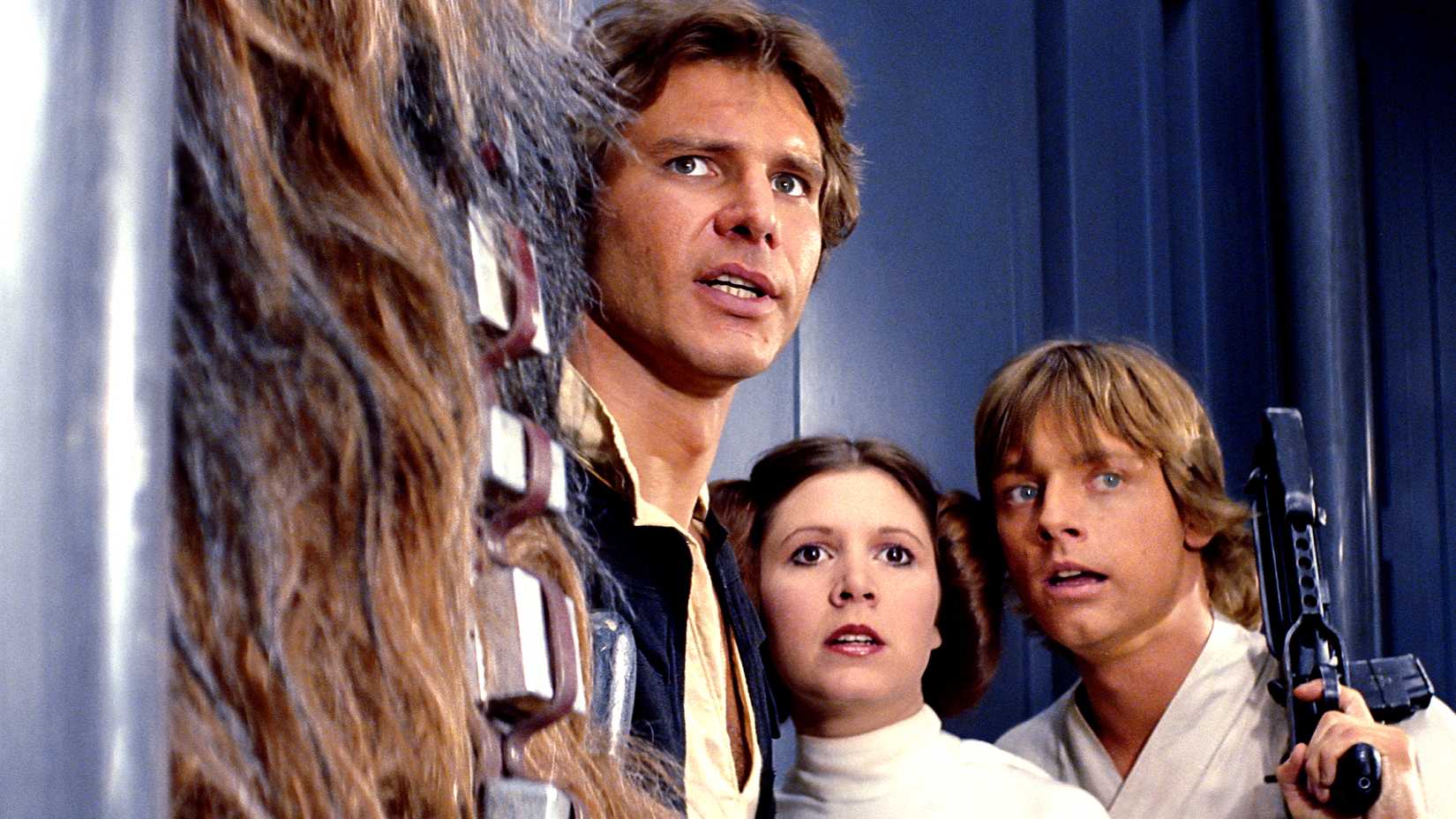
In a move that has sent shockwaves through the global film community and the sprawling Star Wars fandom, Disney and Lucasfilm have officially announced that the original 1977 theatrical version of Star Wars (now known as Episode IV: A New Hope) will return to cinemas in 2027. This landmark event, scheduled for February 19, 2027, marks the first time in nearly three decades that the unaltered masterpiece will be legally screened in theaters, effectively ending a controversial era of cinematic revisionism that began under George Lucas and continued through the first decade of Disney’s ownership.
For many, this is more than a simple re-release; it is a restoration of film history. Since 1997, the original version of the film—the one that revolutionized visual effects, garnered seven Academy Awards, and changed the cultural landscape forever—has been systematically suppressed in favor of the "Special Editions." The decision to bring the theatrical cut back to the silver screen for the franchise’s 50th anniversary signals a profound shift in Disney’s stewardship of the brand and a long-awaited concession to film preservationists.
The Core Facts: A Golden Anniversary Celebration
The announcement confirms that the theatrical re-release is the centerpiece of the Star Wars 50th-anniversary celebrations. While Disney has spent the last decade expanding the universe through streaming series like The Mandalorian and a new trilogy of films, the 2027 milestone focuses squarely on the franchise’s roots.
Key Details of the Announcement:
- Release Date: February 19, 2027.
- Format: The original 1977 theatrical cut, devoid of the CGI additions and character alterations introduced in 1997 and subsequent home media releases.
- Scope: A limited global theatrical engagement, intended to honor the cinematic craft of the late 1970s.
- The "Lucas Clause": For years, it was rumored that Disney’s purchase agreement for Lucasfilm included a "gentleman’s agreement" or legal proviso to respect George Lucas’s wish that only the Special Editions be recognized as canon. The 2027 release suggests either a sunset on that agreement or an explicit blessing from Lucas himself.
A Chronology of Alteration: From 1977 to the "Maclunkey" Era
To understand why this announcement is so significant, one must trace the convoluted history of Star Wars’ various iterations. Unlike most classic films, which are preserved in their original form, Star Wars became a "living document" for its creator.
1977–1995: The Era of Originality
Following its May 25, 1977 release, Star Wars saw minor audio tweaks and the addition of the "Episode IV: A New Hope" subtitle in 1981, but the visual content remained largely untouched. This version was available on VHS and LaserDisc, becoming the definitive childhood experience for Generation X and early Millennials.
1997: The Special Editions
To celebrate the 20th anniversary and test CGI technology for the upcoming Prequel Trilogy, George Lucas released the "Special Editions." These versions replaced practical effects with 1990s-era CGI, added a deleted scene featuring Jabba the Hutt, and—most controversially—altered the confrontation between Han Solo and Greedo so that Greedo fired first. Lucas famously declared these the "definitive" versions, intending for the originals to be retired.
2004–2011: Further Revisions
With the advent of DVD and Blu-ray, Lucas continued to tinker. He added Hayden Christensen’s ghost to the end of Return of the Jedi, changed the color timing of lightsabers, and added a CGI "Crying Ewok" and a "Nooooo!" scream for Darth Vader. With each update, the 1977 theatrical cut became harder to find.

2012–2025: The Disney Stewardship
When Disney acquired Lucasfilm for $4 billion in 2012, fans hoped for a high-definition restoration of the theatrical cuts. Instead, Disney maintained Lucas’s policy. Even the 4K versions released on Disney+ in 2019 included yet another change to the Han/Greedo scene (the infamous "Maclunkey" line). The only break in the silence occurred in 2025, when the Roku Channel accidentally aired a theatrical cut, a technical glitch that briefly trended globally and proved the massive demand for the original version.
Supporting Data: The Preservation Crisis and Fan Demand
The suppression of the 1977 cut has long been a point of contention for film historians. Star Wars was selected for preservation by the National Film Registry in 1989, but for years, the Library of Congress reportedly struggled to obtain a pristine copy of the 1977 original because Lucas would only offer the Special Edition.
The "Despecialized" Movement:
The vacuum left by Disney and Lucasfilm led to the rise of "Project 4K77" and the "Harmy’s Despecialized Editions." These are fan-led, underground restoration projects that use 35mm film scans and various sources to reconstruct the 1977 experience. The popularity of these unofficial versions—downloaded millions of times—provided Disney with clear market data: there is a significant, untapped demographic willing to pay for the "unaltered" experience.
Market Value of the 2006 DVDs:
Until now, the only official digital release of the theatrical cuts was a 2006 "Limited Edition" DVD set. These were non-anamorphic (letterboxed) transfers taken from a 1993 LaserDisc master. Despite their poor visual quality, these DVDs have maintained high resale values on secondary markets like eBay, serving as the only legal way for fans to own the original cut in a digital format.
Official Responses and the George Lucas Factor
While Disney’s official press release focuses on the "celebratory nature" of the 50th anniversary, industry insiders suggest that the move was carefully negotiated. George Lucas has historically been defensive about his right to change his work, famously comparing it to a painter touching up a canvas.
However, Lucas’s recent focus on the Lucas Museum of Narrative Art—a project dedicated to the history of visual storytelling—may have softened his stance. By allowing the 1977 version to return to theaters, Lucas is not necessarily admitting the Special Editions were a mistake; rather, he is allowing the "narrative history" of the franchise to be viewed as a museum piece.
A spokesperson for Lucasfilm stated: "The 50th anniversary is a time to look back at the spark that ignited a galaxy. By returning the 1977 theatrical version to the big screen, we are inviting fans to experience the film exactly as audiences did half a century ago—a moment of pure cinematic magic."
Implications: A New Hope for Film Preservation?
The decision to release the theatrical version carries implications that reach far beyond the Star Wars fandom.
1. The Home Media Question
Currently, Disney has only confirmed a theatrical engagement. This creates a state of "artificial scarcity." By keeping the original version off Disney+ and physical 4K Blu-ray for now, they ensure maximum ticket sales for the 2027 event. However, industry analysts predict that a high-end "Legacy Collection" physical release will almost certainly follow in late 2027, potentially featuring 4K restorations of the original theatrical cuts for the entire trilogy.
2. The Canon vs. History Debate
Disney has spent years meticulously managing the "Star Wars Canon." The Special Editions contain elements (like the Jabba the Hutt scene) that link the original films to the prequels. By re-releasing the theatrical cut, Disney is acknowledging a distinction between "Canon" (the story as it stands now) and "History" (the film as it was released). This could set a precedent for other franchises to embrace their various iterations rather than trying to overwrite them.
3. Impact on Future Re-releases
If the 2027 release of A New Hope is a financial success—and every indicator suggests it will be—it paves the way for the 50th-anniversary theatrical releases of The Empire Strikes Back in 2030 and Return of the Jedi in 2033. For the first time in thirty years, the "Unaltered Trilogy" is no longer a pipe dream but a corporate strategy.
Conclusion: The Circle is Now Complete
For 29 years, the 1977 version of Star Wars was treated as a ghost—a memory that the creators seemed eager to erase. Disney’s decision to break this tradition for the 50th anniversary is a victory for film history, art preservation, and the millions of fans who have argued that "Han shot first."
When the lights dim on February 19, 2027, and the 20th Century Fox fanfare plays followed by the silent "A Lucasfilm Ltd. Production" card, audiences will see something many thought was lost to time. They will see the film that started it all, exactly as it was: a gritty, imaginative, and imperfect masterpiece that proved that in a galaxy far, far away, anything was possible—even the return of a lost classic.

Leave a Comment