
Beyond the Guidebook: Lonely Planet Unveils ‘Artifact’ as a New Frontier in Emotional Travel Storytelling
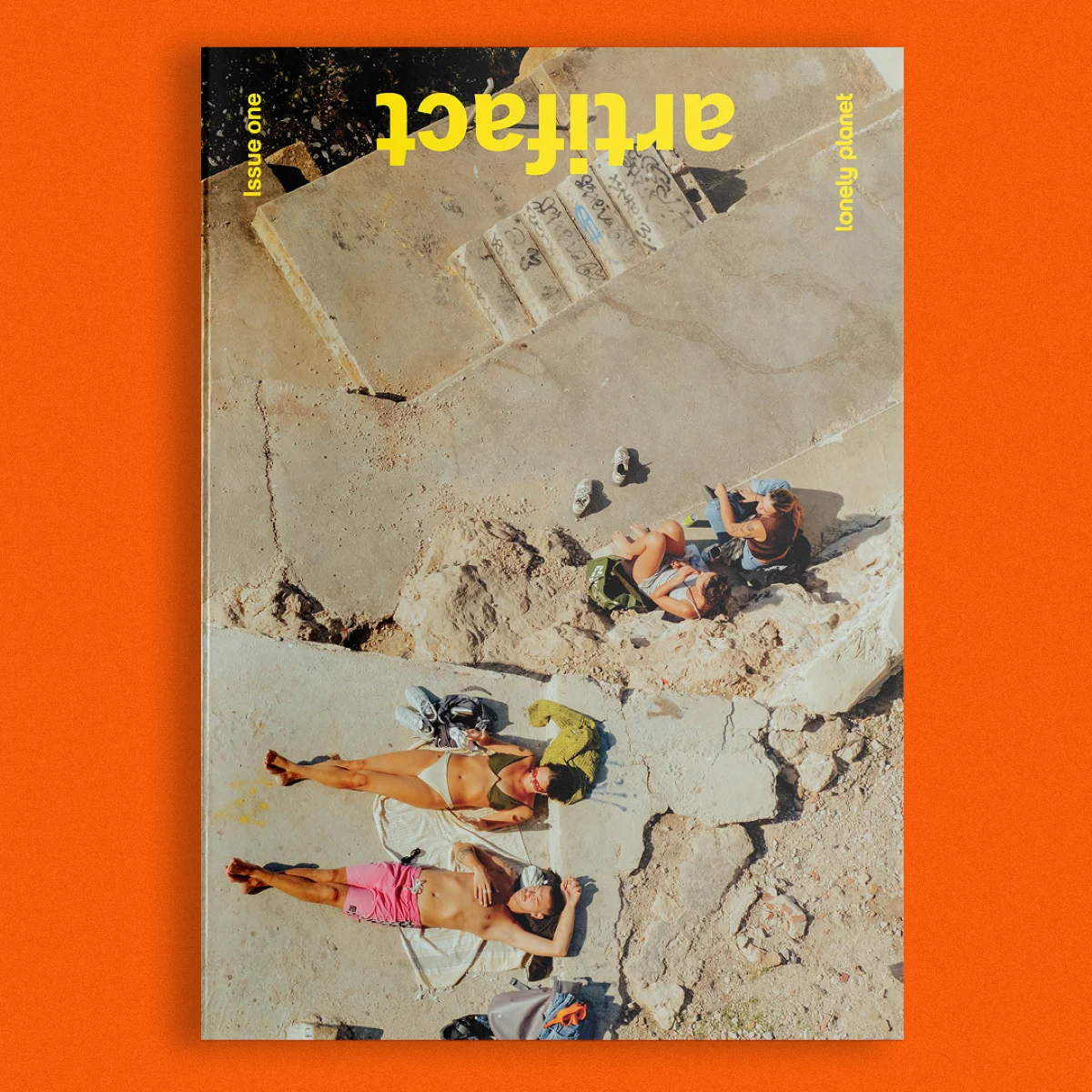
In an era defined by the rapid-fire consumption of digital itineraries and the algorithmic precision of social media recommendations, the traditional travel guidebook is undergoing a profound metamorphosis. Lonely Planet, the venerable institution that has served as the "backpacker’s bible" since 1973, has announced a significant strategic shift with the launch of Artifact. This new publication, styled as an inspiration-led zine, moves away from the utilitarian "how-to" of travel and dives deep into the "why." By prioritizing personal essays, avant-garde photography, and bespoke illustration, Lonely Planet is attempting to reclaim the soul of travel media in an age of digital saturation.
Main Facts: The Genesis of Artifact
Artifact represents a departure from the clinical, data-heavy format that made Lonely Planet a household name. While the brand’s traditional guidebooks are renowned for their meticulous listings of hotels, bus routes, and restaurant hours, Artifact is designed to be a tactile, aesthetic experience. It is a collection of creative expressions that prioritize the emotional resonance of a journey over its logistical execution.
The project is the brainchild of a collaborative effort within Lonely Planet’s senior leadership. Nitya Chambers, Executive Editor and Senior Vice President of Content, and Brekke Fletcher, Senior Editorial Director, spearheaded the initiative. Their goal was to create a medium that mirrors the modern traveler’s desire for connection and discovery—elements that are often lost in the transactional nature of modern travel planning.
The publication arrives at a time when the travel industry is grappling with the influence of TikTok, Reddit, and creator-led content. These platforms have decentralized travel authority, moving it away from established publishers and into the hands of individual influencers. Artifact is Lonely Planet’s response: a high-concept, print-centric medium that offers a level of depth and artistic curation that a 15-second video clip cannot replicate.
Chronology: From ‘Across Asia on the Cheap’ to the Artistic Zine
To understand the significance of Artifact, one must look at the half-century trajectory of the Lonely Planet brand.
1. The Era of the Trailblazer (1973–1990s)
Founded by Tony and Maureen Wheeler following their epic overland journey from London to Australia, Lonely Planet began with the self-published pamphlet Across Asia on the Cheap. For decades, the brand focused on the "utility" of travel. It provided the essential data needed to navigate a world without the internet. During this period, the "Yellow Books" became synonymous with rugged, independent exploration.
2. The Digital Disruption (2000s–2015)
The rise of the internet posed an existential threat to the physical guidebook. With the advent of TripAdvisor, Google Maps, and various travel blogs, the need for a printed book to find a hostel in Bangkok diminished. Lonely Planet adapted by digitizing its content, but the core philosophy remained the same: providing practical information for the point of interest.
3. The Social Media Pivot (2016–2023)
The mid-2010s saw the rise of Instagram and TikTok as the primary drivers of travel inspiration. "Destination envy" became a marketing tool, and travelers began seeking out "Instagrammable" spots. Lonely Planet maintained its digital presence but found itself competing in a crowded market where "top 10" lists and viral itineraries dominated the conversation.
4. The Birth of Artifact (2024–Present)
Recognizing a growing "digital fatigue" among travelers, the editorial team began a series of brainstorms led by Brekke Fletcher. The team sought to return to the brand’s roots of "discovery and connection" but through a modern, expressive lens. This led to the development of Artifact, a project that swaps the map for the memoir and the checklist for the canvas.
Supporting Data: The Changing Landscape of Travel Media
The shift toward a zine format is supported by broader trends in media consumption and traveler psychology. According to industry data, there is a growing divide in how people plan and experience trips:
- The Rise of "Slow Travel": Post-pandemic, there has been a 30% increase in travelers identifying as "slow travelers," who prioritize cultural immersion over sightseeing marathons. Artifact caters specifically to this demographic.
- Print’s Premium Status: While mass-market print is in decline, niche, high-quality "mook" (magazine-book) publications have seen a resurgence. Readers are increasingly willing to pay a premium for tactile, collectible media that serves as coffee-table art.
- The Algorithm Gap: A recent survey of Gen Z travelers indicated that while they use TikTok for "discovery," they feel a lack of "emotional depth" in short-form content. 45% of respondents expressed a desire for longer-form, more "authentic" storytelling that doesn’t feel like a sponsored advertisement.
- Visual Dominance: Visual literacy is at an all-time high. By using high-end photography and illustration, Artifact leverages the visual language of social media but applies it to a more permanent, thoughtful medium.
Official Responses: A Vision for Expressive Travel
The leadership at Lonely Planet views Artifact not as a replacement for their guidebooks, but as a sophisticated companion that elevates the brand’s identity.

Nitya Chambers emphasizes that the project is about capturing the "ease and joy" of travel. "We wanted to create something fun and memorable that expressed the ease and joy of that relationship with emotion and style," Chambers stated. She highlights that the publication is a departure from the rigid structures of the past, aiming instead for a "more expressive visual and editorial voice."
Chambers credits Brekke Fletcher with the creative spark that ignited the project. According to Chambers, Fletcher "championed a vision that inspired our content and creative teams to experiment." The goal was to take the core idea that travel is about discovery and connection and present it in a way that feels "more personal, more creative, and more reflective of how people experience it today."
The editorial team describes the zine as an "exploration of the senses." By moving away from the "how-to," the team has been freed to explore the "how it felt." This involves commissioning artists and writers to capture the ephemeral moments of travel—the light hitting a cafe table in Rome, the sound of a market in Marrakech, or the internal monologue of a solo traveler in the Andes.
Implications: The Future of the Lonely Planet Brand
The launch of Artifact has several long-term implications for Lonely Planet and the wider travel journalism industry.
1. Brand Rejuvenation and Luxury Positioning
By moving into the "zine" and "art book" space, Lonely Planet is repositioning itself as a lifestyle brand rather than just a reference publisher. This allows the company to tap into the luxury and "intellectual traveler" markets, moving away from the budget-backpacker image that defined its early years.
2. The Hybrid Content Model
Artifact signals a future where travel media is split into two distinct tiers:
- Functional Digital: Apps and websites that handle the real-time logistics (where to eat, how to get there, booking flights).
- Inspirational Print: Physical publications like Artifact that serve as the emotional catalyst for a trip and a souvenir after it concludes.
3. A Challenge to the "Influencer" Aesthetic
By focusing on professional illustration and deep-form essays, Lonely Planet is setting a higher bar for "inspiration." In doing so, they are challenging the often-homogenized aesthetic of social media influencers. Artifact promotes a more diverse, messy, and artistic view of travel that prioritizes the internal journey as much as the external destination.
4. Sustainability and Intentionality
The move toward an "inspiration-led" model aligns with the global push for sustainable travel. By encouraging travelers to think about the "emotional reasons" they travel, Artifact subtly promotes a more intentional form of tourism. Instead of checking off a list of famous landmarks, readers are encouraged to seek out genuine connections and personal growth.
5. The Survival of Print
Ultimately, Artifact is a bet on the longevity of the physical object. In a world where digital content is often deleted or forgotten, a zine is an "artifact" (as the name suggests)—something to be kept, shared, and revisited. If successful, this model could provide a blueprint for other legacy media brands looking to survive and thrive in the 21st century.
As Lonely Planet moves forward, Artifact stands as a testament to the enduring power of the story. While the way we navigate the world has changed irrevocably due to technology, the reasons we seek out the unknown remain deeply human. By capturing those reasons in print, Lonely Planet is ensuring that while its maps may be digital, its heart remains firmly rooted in the art of the journey.

Leave a Comment