
The Living Canvas: How LA28 is Redefining Olympic Identity for the Digital Age
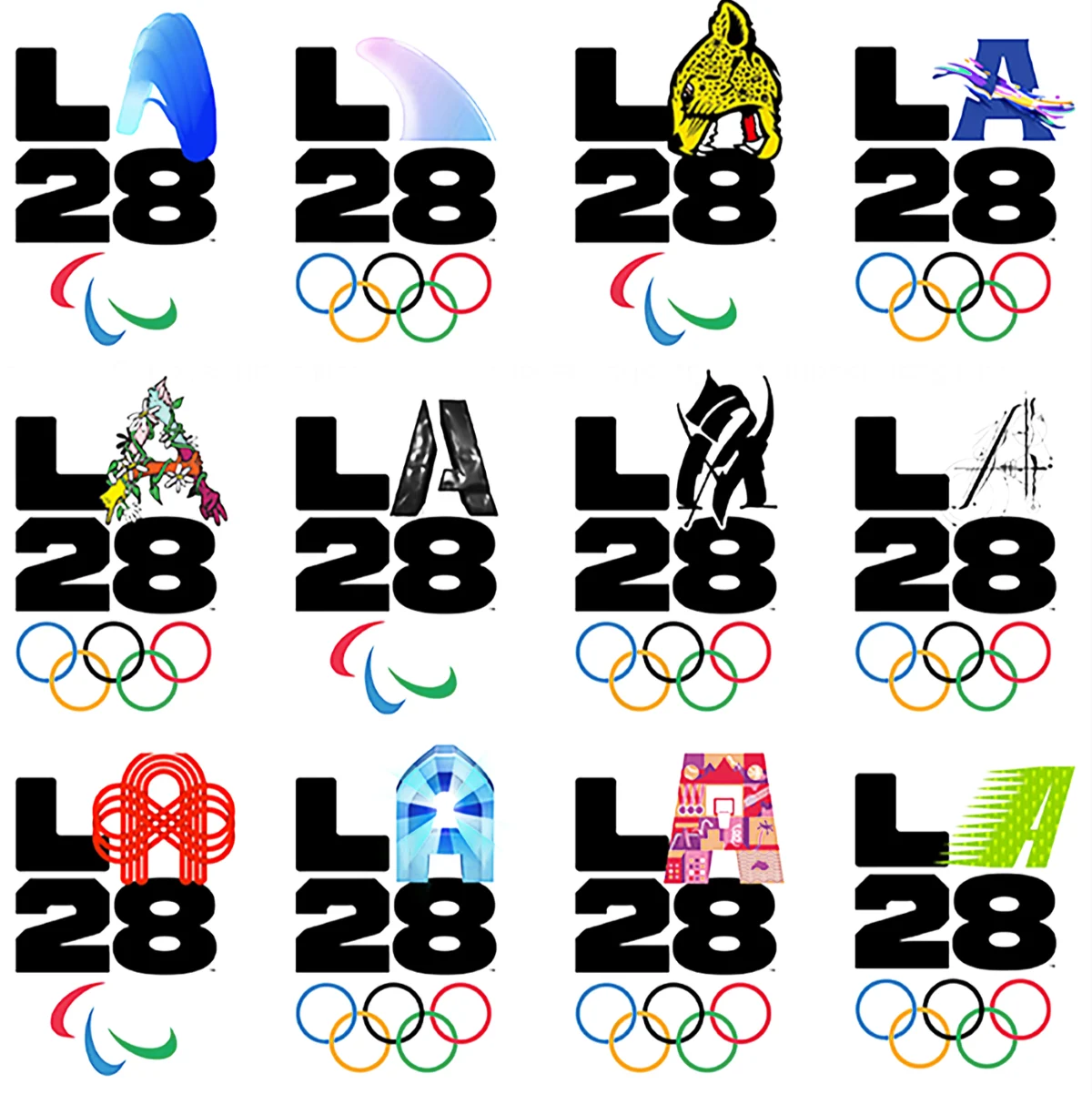
The Olympic and Paralympic Games have always been more than a mere display of athletic prowess; they are a global stage where the host city’s soul is distilled into a visual language known as the "Look of the Games." Historically, this identity was a static emblem—a badge of honor pinned to a specific moment in time. However, as Los Angeles prepares to host the world in 2028, the traditional rules of sports branding are being dismantled.
In an era defined by fleeting attention spans, viral social content, and hyper-personalized digital experiences, the LA28 design team has unveiled a visual identity built not on permanence, but on movement. This is a "living" brand designed to adapt across platforms, audiences, and the sprawling, eclectic landscape of Los Angeles itself.
Main Facts: A Logo with Infinite Faces
The cornerstone of the LA28 identity is a radical departure from Olympic tradition. While the "L," "2," and "8" remain grounded in a bold, static typeface, the "A" is a shifting, modular element. This "dynamic A" serves as a digital-first vessel for storytelling, co-created by a diverse cast of athletes, artists, and community leaders.
The Modular Framework
The LA28 logo is the first in Olympic history designed specifically for the digital age. Unlike the static crests of the past, this identity functions as a platform. To date, dozens of variations of the "A" have been released, designed by figures ranging from pop star Billie Eilish and actress Reese Witherspoon to Olympic legends like Michael Johnson and Allyson Felix. Each version reflects a different facet of the Los Angeles experience—from the grit of street art to the glamour of Hollywood and the coastal vibrance of Santa Monica.
The "Look of the Games"
Beyond the logo, the broader "Look of the Games" (the environmental graphics, wayfinding, and broadcast overlays) utilizes a "core graphic" system. This system draws inspiration from the geometry of LA’s architecture and the natural gradients of its sunsets. The goal is to create a cohesive visual thread that can scale from a tiny smartphone screen to the massive facade of the SoFi Stadium.
Digital-First Philosophy
The design team has prioritized "motion-first" assets. In previous decades, a logo was designed for a letterhead and then animated as an afterthought. For LA28, the animation is the primary state. The branding is built to live in the "in-between" spaces of TikTok transitions, augmented reality (AR) filters, and real-time data visualizations during broadcasts.
Chronology: From Op-Art to the Algorithm
To understand the magnitude of the LA28 shift, one must look at the lineage of Olympic design. The "Look of the Games" has frequently served as a barometer for the graphic design industry’s evolution.
- Mexico City 1968: Lance Wyman’s iconic identity used "Op-Art" (optical art) to create a psychedelic, radiating logo that integrated the Olympic rings with the year. It proved that a logo could be a cultural movement, blending indigenous patterns with 1960s modernism.
- Munich 1972: Otl Aicher introduced a rigorous, grid-based system and the world’s first comprehensive set of sports pictograms. It was a masterpiece of German functionalism, designed to be "the rainbow games," though the aesthetic was later overshadowed by the tragic events of the Munich massacre.
- London 2012: Designed by Wolff Olins, this jagged, neon identity was initially met with intense public derision (often compared to a broken window or a stylized "Lisa Simpson"). However, history has been kind to London 2012; it is now praised for its "digital-ready" boldness and its refusal to rely on traditional nationalistic tropes.
- 2017–2020: The LA28 journey began when Los Angeles was officially awarded the 2028 Games. The design team spent years in "listening sessions," realizing that a single, static image could never represent a city as fragmented and diverse as Los Angeles.
- 2020 (The Reveal): In the midst of a global pandemic, LA28 launched its dynamic logo, signaling a shift toward inclusivity and digital adaptability.
- 2024 (The Handover): Following the conclusion of the Paris 2024 Games, the LA28 team began rolling out the "Core Graphics," showing how the dynamic logo integrates into a broader environmental design system.
Supporting Data: The Scale of a Multi-Platform Identity
The logistical and creative scale of the LA28 branding project is unprecedented. Unlike the 1984 Los Angeles Games, which relied heavily on physical banners and paint to transform the city, the 2028 iteration must navigate a dual reality: the physical city and the digital "meta-city."
Diversity of Representation
As of 2024, the LA28 team has collaborated with over 35 "A" creators. This group includes 12 Olympic athletes, 8 Paralympic athletes, and 15 artists/celebrities. This diversity ensures that the brand resonates across different demographics. Market research indicates that "dynamic" branding sees a 40% higher engagement rate among Gen Z audiences compared to static traditional logos.
Economic and Visual Reach
The "Look of the Games" will eventually be applied to:
- Over 800 physical venues and training sites.
- An estimated 15,000 unique pieces of merchandise.
- Digital broadcasts reaching an anticipated 4 billion viewers.
- Wayfinding systems for a city that spans 469 square miles.
The design team utilized AI-assisted stress testing to ensure the "Core Graphics" remain legible across 150 different color palettes, accounting for the extreme lighting conditions of the Southern California sun.

Official Responses: Design as a Conversation
The LA28 leadership has been vocal about the necessity of this "untraditional" approach. Amy Gleeson, the Chief Marketing Officer for LA28, has emphasized that the brand is not a finished product, but an ongoing dialogue.
"There is not one way to represent Los Angeles," Gleeson stated during a briefing with Creative Review. "If you look at the history of the Games, it’s usually about a single story. But LA is a city of storytellers. By creating a system that allows for multiple voices, we are acknowledging that the Olympics is a platform for the community, not just a corporate event."
The International Olympic Committee (IOC) has also signaled its support for this flexible branding. In an official statement, the IOC noted: "The LA28 identity demonstrates the future of the Olympic Movement. It embraces the digital landscape while staying rooted in the unique culture of the host city. It allows for a level of personalization that was previously impossible."
However, the design hasn’t been without its critics. Traditionalists in the design community have argued that a "living logo" lacks the "gravity" and "timelessness" required for the Olympics. To this, the LA28 design team responds that "timelessness" in 2028 means the ability to stay relevant in a constantly updating feed.
Implications: The Future of Global Branding
The LA28 visual identity represents a watershed moment for the branding industry, extending far beyond the world of sports. It sets a new standard for how major institutions handle identity in the age of the algorithm.
1. The Death of the "Style Guide"
Traditionally, a brand was governed by a rigid style guide—a thick manual of "dos and don’ts." LA28 replaces this with a "generative system." This implies that future brands will be built as software or frameworks rather than static images. The brand becomes a "kit of parts" that can be remixed by the community.
2. Radical Inclusivity
By allowing different artists to design the "A," LA28 has effectively "decentralized" the brand. This has massive implications for how cities and countries market themselves. It moves away from "top-down" messaging and toward "bottom-up" participation. It suggests that the most successful brands of the future will be those that allow their users to see themselves reflected in the logo.
3. Sustainability through Digitality
A significant portion of the LA28 "Look" will be digital. By leaning into AR, projection mapping, and digital signage, the Games can reduce the environmental impact associated with printing thousands of miles of vinyl banners that end up in landfills. This "digital-first" approach aligns with the IOC’s sustainability goals for the 21st century.
4. Navigating Public Scrutiny
In the social media era, every Olympic logo is "memed" into oblivion within minutes of its release. By making the logo inherently changeable, the LA28 team has "hacked" the cycle of public criticism. You cannot hate the logo because the logo is already changing into something else. It is a bulletproof strategy for a visually literate and highly vocal global audience.
As the world moves toward 2028, the "Look of the Games" will continue to evolve. It will be seen on the streets of Compton, the hills of Hollywood, and the screens of billions. In doing so, it will prove that in the digital era, the only way to remain permanent is to be in constant motion. The LA28 identity isn’t just a logo; it’s a reflection of a city that is always reinventing itself, a city that—much like the athletes it will host—is never standing still.



Leave a Comment