Beyond the Park: How ‘Primitive War’ Redefines the Dinosaur Sci-Fi Genre
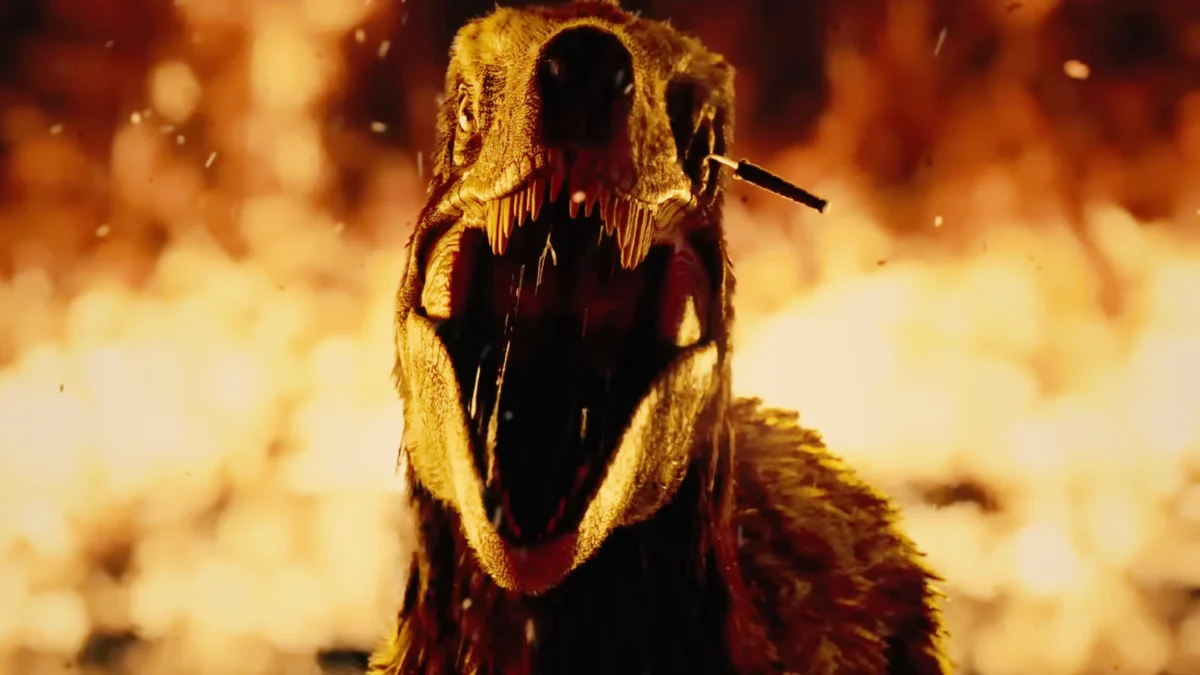
For over three decades, the sub-genre of dinosaur-centric science fiction has been dominated by a single, towering shadow: Steven Spielberg’s 1993 masterpiece, Jurassic Park. Based on Michael Crichton’s cautionary techno-thriller, the film didn’t just break box office records; it established a visual and thematic template that almost every subsequent "dino movie" has attempted to replicate. However, for a segment of the audience that finds the Jurassic franchise too restrained, too family-friendly, or too focused on "chaos theory" over "creature chaos," a new contender has emerged.
Released in 2025, Primitive War—directed by Luke Sparke—is being hailed as the definitive alternative for sci-fi fans who found Spielberg’s vision lacking in grit or visceral intensity. By eschewing the polished corporate aesthetics of the Jurassic series in favor of a harrowing, R-rated military horror backdrop, Primitive War marks a significant pivot in how prehistoric creatures are portrayed on the silver screen.
Main Facts: The Rise of ‘Primitive War’
Primitive War is an adaptation of the acclaimed novel by Ethan Pettus, a story that blends the historical trauma of the Vietnam War with the survival horror of a prehistoric encounter. Set in 1968, the film follows a specialized recon unit known as "Vulture Squad." Their mission is seemingly standard for the era: search an isolated, uncharted jungle valley for a missing platoon of Green Berets.
The narrative quickly shifts from a military procedural to a fight for evolutionary survival. The squad discovers that the valley is a temporal or biological anomaly inhabited by apex predators that should have been extinct for 65 million years. Unlike the Jurassic films, which often frame dinosaurs as majestic wonders of science gone wrong, Primitive War treats them as tactical nightmares—monsters that hunt with the same predatory efficiency as the enemy soldiers the Vulture Squad was trained to fight.
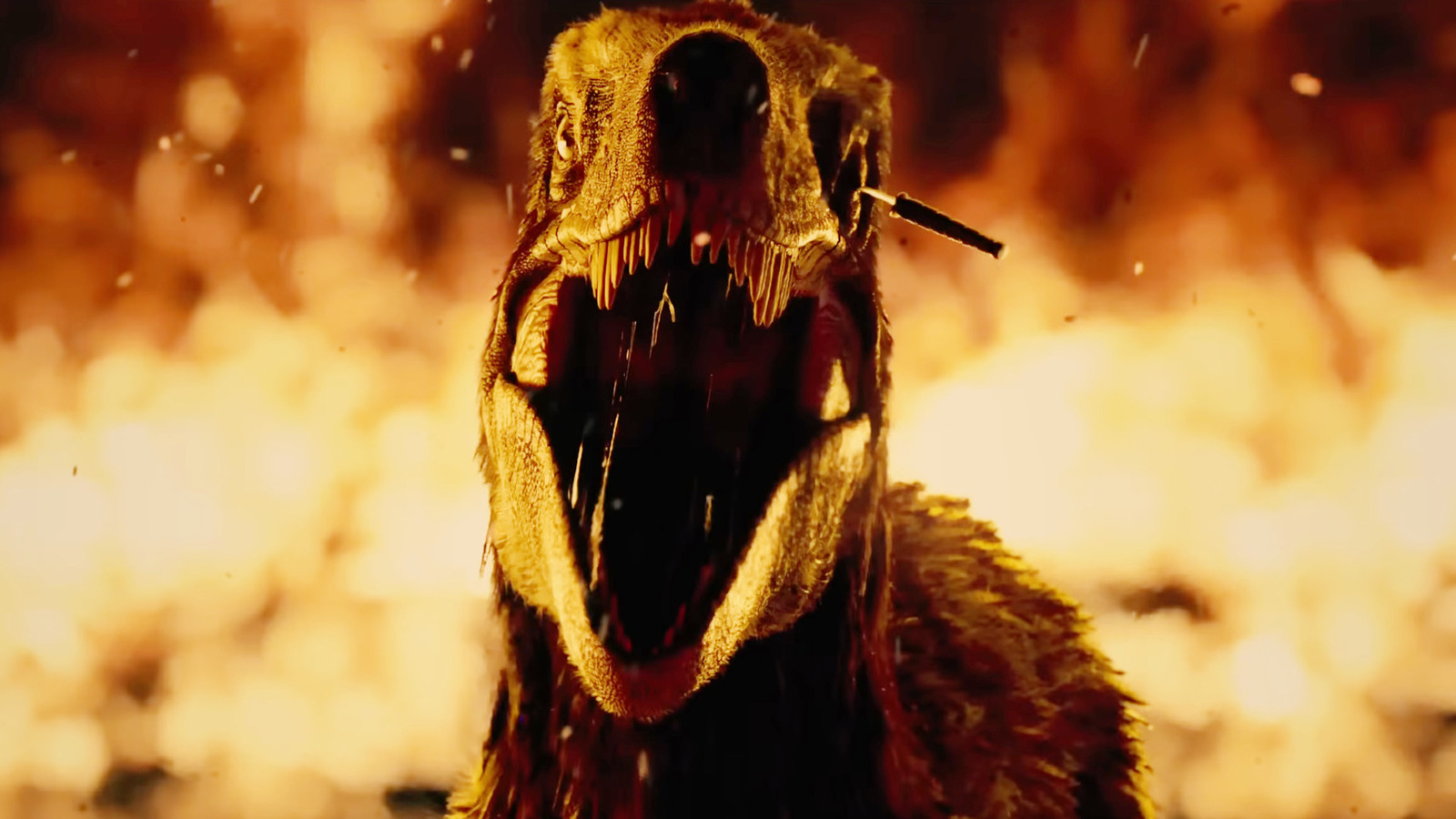
Directed by Australian filmmaker Luke Sparke—known for his ambitious Occupation sci-fi franchise—the film has garnered attention for its uncompromising vision. Despite a budget that is a fraction of a standard Hollywood blockbuster, Primitive War boasts a runtime exceeding two hours and a density of creature effects that rivals major studio productions.
Chronology: From Cult Novel to Indie Blockbuster
The journey of Primitive War to the screen is a testament to the persistence of niche genre filmmaking. The timeline of its development reveals a project fueled by fan demand and a desire to see a different kind of dinosaur story.
- 2017: The Literary Foundation: Ethan Pettus releases the novel Primitive War. It quickly gains a cult following among "Dino-Horror" enthusiasts who felt that the Jurassic World sequels were becoming too focused on superhero-style action rather than the survival-horror roots of Crichton’s original books.
- 2020–2022: Development and Sparke’s Involvement: Director Luke Sparke, looking for a project that would allow for a grittier, more adult-oriented take on sci-fi, options the rights. Sparke begins the process of adapting the script, intending to maintain the novel’s "Vietnam-era grit."
- 2023: The Hollywood Rejection and Independent Pivot: In a move that has become part of the film’s "underdog" marketing lore, Sparke pitched the project to major Hollywood studios. Despite the popularity of dinosaurs, the studios were reportedly hesitant about the R-rated violence and the historical war setting. Sparke opted to produce the film independently, free from studio interference.
- 2024: Production: Filming takes place largely in Australia, utilizing dense jungle locations that double for the Central Highlands of Vietnam. The production focuses on a blend of high-end CGI and practical effects to maximize the $10 million budget.
- 2025: Global Release: Primitive War is released to the public, bypassing a traditional wide-scale theatrical rollout in some regions in favor of a robust 4K, Blu-ray, and digital release, quickly becoming a viral hit among genre purists.
Supporting Data: Efficiency in Filmmaking
The most striking data point regarding Primitive War is its production-to-spectacle ratio. To understand the achievement of Luke Sparke, one must compare the film’s financial constraints with its genre contemporaries.
- Budget Comparison: A typical Jurassic World entry costs between $150 million and $200 million. Primitive War was produced for less than $10 million. This means Sparke operated with roughly 5% of a major studio’s budget while delivering a film that maintains a high volume of creature encounters and large-scale action sequences.
- Dinosaur Density: According to early reviews and production notes, Primitive War features more individual dinosaur species and "on-screen kill counts" than the first three Jurassic Park films combined. This "dino-forward" approach was a specific response to fan complaints that modern blockbusters spend too much time on human subplots.
- Runtime and Scope: At over 120 minutes, the film refuses the "low-budget" label of being a short, 80-minute "B-movie." It positions itself as an epic, utilizing every cent of its budget to populate its runtime with set pieces involving Tyrannosaurus Rex, Utahraptors, and Pterosaurs.
Official Responses: The Director’s Vision
Luke Sparke has been vocal about his philosophy regarding the film’s development. In various interviews during the film’s promotional cycle, Sparke emphasized that Primitive War was born out of a rejection of the "too many cooks" mentality that plagues modern studio filmmaking.
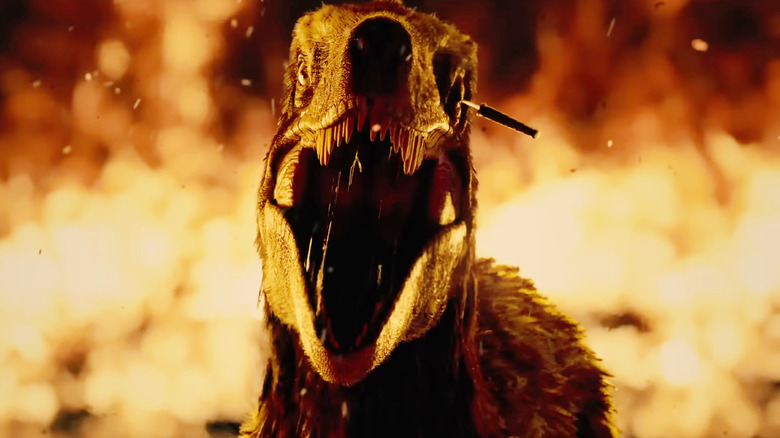
"Hollywood has a way of sanding off the edges of a concept until it’s safe for everyone," Sparke noted in a discussion regarding the film’s R-rating. "We didn’t want ‘safe.’ We wanted the audience to feel the humidity of the jungle and the sheer terror of being hunted by something that doesn’t care about your technology or your rank."
Sparke has also addressed the comparison to Jurassic Park directly, stating that while he respects Spielberg’s legacy, his goal was to provide the "counter-programming" that fans have requested for years. "Jurassic is about the wonder of science. Primitive War is about the horror of nature. It’s a war movie first, where the enemy just happens to be from the Cretaceous period."
Author Ethan Pettus has also expressed his approval of the adaptation, noting that Sparke’s willingness to embrace the "deranged" and "unrestrained" nature of the source material was key to the project’s success. The author’s involvement helped ensure that the "Vulture Squad" remained grounded characters despite the fantastical nature of their adversaries.
Implications: A New Era for Niche Sci-Fi
The success and unique positioning of Primitive War have several implications for the future of the science fiction and horror genres:
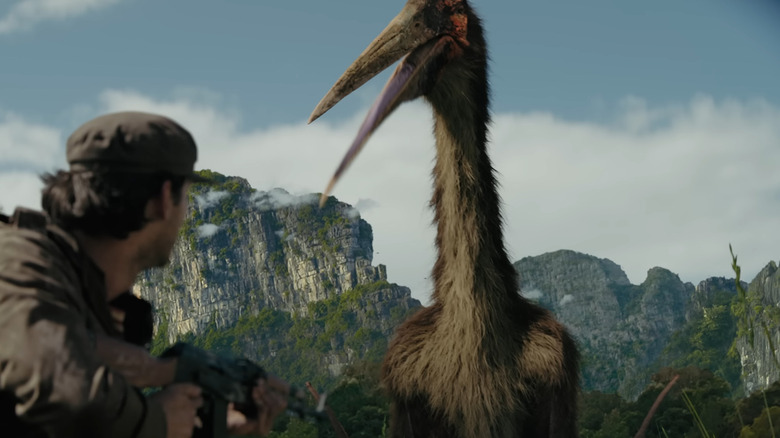
The Return of "Dino-Horror"
For years, dinosaur movies were divided into two categories: high-budget family adventures (Jurassic Park) or low-budget "mockbusters" (65, Triassic Attack). Primitive War proves there is a middle ground—the "Prestige Indie." By targeting an adult audience with high-quality VFX and a serious tone, it opens the door for more R-rated prehistoric content, potentially leading to an adaptation of other gritty properties like Turok: Dinosaur Hunter or a more faithful, horror-centric reboot of the original Crichton novels.
The Democratization of Visual Effects
The fact that a $10 million film can feature convincing, terrifying dinosaurs for a two-hour duration suggests that the "moat" around high-end VFX is shrinking. Independent directors can now compete with major studios on a visual level if they are disciplined with their resources. This could lead to a surge in high-concept indie sci-fi that doesn’t rely on the "Marvel-sized" budgets that often lead to creative stagnation.
Franchise Potential
With multiple sequels already in development, Primitive War is not a one-off experiment but the start of a new ecosystem. By establishing a "Primitive War Universe," Sparke and Pettus are creating a brand that caters specifically to the "disenchanted" Jurassic fan. If these sequels maintain the first film’s intensity, they could become the go-to franchise for viewers who prefer their sci-fi with a side of survival horror and historical grit.
In conclusion, Primitive War serves as a reminder that no franchise—not even one as massive as Jurassic Park—can satisfy every corner of a fandom. For those who want their dinosaurs to be more than just "theme park monsters," Luke Sparke’s 2025 epic offers a bloody, breathless, and unapologetic alternative that finally gives the prehistoric genre its teeth back.