
Netflix Secures Global Rights to ‘Bad Bridgets’: A Gritty Irish Period Thriller from LuckyChap and Rich Peppiatt
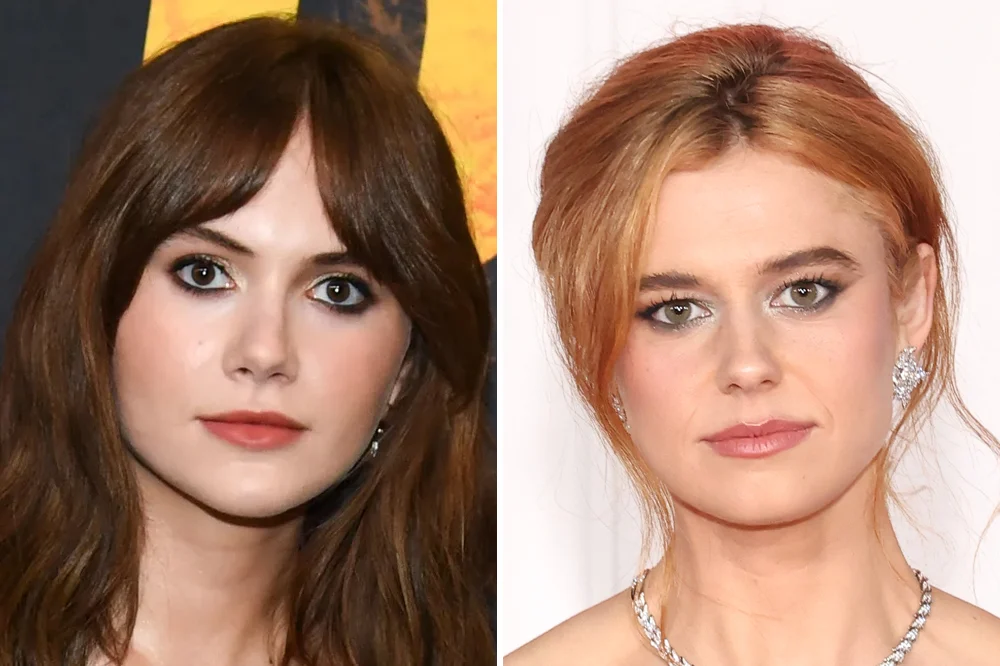
In a significant move that underscores the ongoing global appetite for high-stakes period dramas and Irish storytelling, Netflix has officially acquired the global distribution rights to Bad Bridgets. The project, which emerged as one of the most talked-about packages at the previous year’s American Film Market (AFM), represents a powerhouse collaboration between BAFTA-winning director Rich Peppiatt, Margot Robbie’s LuckyChap Entertainment, and a cast of rising international stars.
Set against the harrowing backdrop of the 19th-century Irish Famine and the subsequent immigrant experience in New York City, Bad Bridgets promises to subvert traditional tropes of the "pious Irish emigrant" by exploring a darker, more chaotic side of history.
Main Facts: A High-Profile Acquisition and Creative Powerhouse
The acquisition by Netflix marks a major milestone for the production, ensuring that the film will reach a worldwide audience upon its release. The streaming giant’s involvement follows a competitive bidding process that began when FilmNation Entertainment and WME Independent first shopped the project to buyers.
The Lead Cast
The film will be anchored by two of the industry’s most sought-after young talents:
- Emilia Jones: Best known for her breakout, Academy Award-winning performance in CODA and her recent work in the thriller Fair Play and the series Locke & Key.
- Alison Oliver: Oliver joins the cast following her critically acclaimed turns in Emerald Fennell’s Saltburn and the television adaptation of Conversations with Friends. Oliver steps into the role previously intended for Daisy Edgar-Jones, bringing a raw, contemporary edge to the period piece.
Behind the Lens
The creative leadership of Bad Bridgets is equally formidable. The film is written and directed by Rich Peppiatt, whose directorial debut, Kneecap, became a cultural phenomenon, winning a BAFTA and securing a spot as Ireland’s official entry for the Academy Awards.
Production is spearheaded by LuckyChap Entertainment, the production banner led by Margot Robbie, Tom Ackerley, and Josey McNamara. LuckyChap has become synonymous with female-led narratives that challenge the status quo, having produced hits such as I, Tonya, Promising Young Woman, Barbie, and Saltburn. Joining them is Trevor Birney of Fine Point Films, producing under the Coup d’Etat Films banner—a joint venture between Birney and Peppiatt launched in 2024.
Chronology: From Academic Research to Global Streaming
The journey of Bad Bridgets from a historical research project to a Netflix-backed feature film is a testament to the evocative power of its source material.
2015–2023: The Research Phase
The project finds its roots in the groundbreaking work of historians Elaine Farrell (Queen’s University Belfast) and Leanne McCormick (Ulster University). Their "Bad Bridget" project sought to uncover the untold stories of Irish women in North America who didn’t fit the "holy, Catholic, and hardworking" stereotype. Their research culminated in the book Bad Bridget: Crime, Mayhem, and the Lives of Irish Emigrant Women, which detailed the lives of women who found themselves in the criminal justice systems of New York, Boston, and Toronto.
2024: The Market Sensation
At the 2024 American Film Market, the package was presented to international buyers. With Rich Peppiatt fresh off the success of Kneecap and LuckyChap’s involvement, the project immediately became "buzzy." FilmNation handled international sales, while WME Independent represented the U.S. rights. It was during this period that Daisy Edgar-Jones was initially attached to the project.
Late 2024 – Early 2025: Casting Shifts and Netflix Deal
As the production moved toward pre-production, scheduling conflicts led to the replacement of Daisy Edgar-Jones with Alison Oliver. This transition was seen as a seamless pivot, given Oliver’s rising profile and her previous collaboration with LuckyChap on Saltburn. Simultaneously, Netflix entered negotiations to secure global rights, viewing the film as a prestige title for its international slate.
2026: Production Timeline
The film is scheduled to begin principal photography in late 2026. Filming will take place across various locations in Northern Ireland and the Republic of Ireland, utilizing the region’s rugged landscapes and historic architecture to recreate 19th-century Ireland and New York.
Supporting Data: Contextualizing the "Bad Bridget" Phenomenon
To understand the anticipation surrounding the film, one must look at the historical and cultural context that informs its narrative.
The Historical "Bridget"
In the 19th century, "Bridget" (often shortened to "Biddy") was a common, often derogatory, nickname for Irish domestic servants in the United States. While history often portrays these women as victims of circumstance or silent laborers, the research by Farrell and McCormick revealed a different reality.
- Crime Rates: Between 1860 and 1900, Irish-born women in New York were overrepresented in prison populations, often for crimes of "social nuisance," theft, and public intoxication.
- Survival Tactics: The "Bad Bridgets" were women who used their wits—and sometimes violence—to survive in a city that was often hostile to their presence.
The Creative Pedigree
The involvement of James Price as production designer and Kate Hawley as costume designer signals a high-budget, visually stunning production. Price recently won an Academy Award for his surrealist work on Yorgos Lanthimos’s Poor Things, while Hawley is renowned for her intricate work on Crimson Peak and The Lord of the Rings: The Rings of Power. Their presence suggests that Bad Bridgets will move away from the "drab and gray" aesthetic often associated with Famine-era films, opting instead for a more visceral and stylized look.
Official Responses and Industry Sentiment
While official statements from Netflix executives remain focused on the global appeal of the "Irish Wave," industry insiders suggest that Bad Bridgets represents a strategic shift in how national histories are exported.
The "Kneecap" Effect
Critics and analysts have noted that Rich Peppiatt’s involvement is a major draw. A spokesperson for Coup d’Etat Films noted that Peppiatt’s ability to blend humor, grit, and political urgency—as seen in Kneecap—is exactly what the Bad Bridgets script required. "This isn’t a story of passive suffering," the statement implied. "It’s a story of agency, however messy that agency might be."
LuckyChap’s Vision
LuckyChap Entertainment has consistently championed stories that deconstruct the female experience. Sources close to the production indicate that Margot Robbie and her team were drawn to the project because it flips the "immigrant story" on its head. Rather than a tale of assimilation, it is a tale of rebellion.
Academic Collaboration
The film was developed with the support of Queen’s University Belfast, ensuring that while the narrative is a "thriller," it remains grounded in the authentic lived experiences uncovered by Farrell and McCormick. This academic backing provides the film with a layer of historical "weight" that appeals to both critics and awards bodies.
Implications: The Impact on the Irish Film Industry and Beyond
The greenlighting of Bad Bridgets and its acquisition by Netflix has several far-reaching implications for the cinematic landscape.
1. The Strengthening of the "Irish Wave"
Ireland is currently enjoying a cinematic golden age, with actors like Cillian Murphy, Barry Keoghan, and Paul Mescal dominating the global stage. Bad Bridgets leverages this momentum, pairing an Irish director and Irish setting with international stars to create a product that is both hyper-local and universally accessible.
2. Economic Boost for Northern Ireland
The decision to shoot in Northern Ireland in 2026 will provide a significant boost to the local economy. Following the vacuum left by the end of Game of Thrones, Northern Ireland has worked to position itself as a premier filming destination. A high-profile Netflix production involving LuckyChap will further solidify the region’s reputation for world-class crew and facilities.
3. A New Genre: The "Gritty Period Thriller"
Traditionally, films about the Great Famine (An Gorta Mór) have been somber, educational dramas. Bad Bridgets appears to be carving out a new space—the "period thriller." By focusing on "mayhem" and "crime" in New York, the film moves the setting from the rural fields of Ireland to the urban chaos of the Five Points, offering a fresh perspective on the Irish diaspora.
4. Streaming vs. Theatrical
While Netflix has acquired global rights, the industry will be watching closely to see if the film receives a limited theatrical window. Given the involvement of Oscar-winning designers and a BAFTA-winning director, Bad Bridgets has the hallmarks of an awards-season contender. Netflix’s strategy here will signal their continued commitment to "prestige" cinema amidst a shifting streaming landscape.
In conclusion, Bad Bridgets is more than just a historical drama; it is a high-octane exploration of survival and sisterhood. With a stellar cast, a visionary director, and the backing of the world’s largest streaming platform, the film is poised to be a landmark release for 2026, redefining how we view the "Bridgets" of the past.


Leave a Comment