
Beyond the Web-Slinging: How "Spider-Noir" Echoes the Gritty Soul of Classic Film Noir
New Prime Video Series Delves Deep into the Shadows, Drawing Inspiration from Cinematic Masters
By Brian Van Hooker
Published June 2, 2026, 8:01 AM EDT
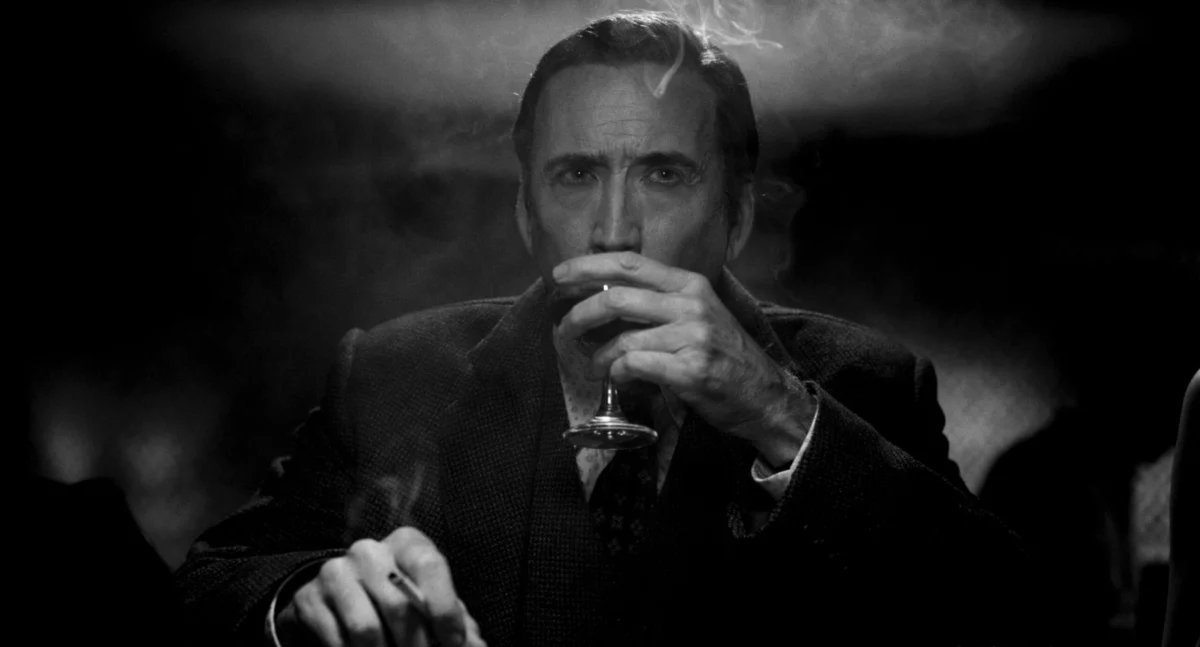
The latest iteration of a beloved web-slinging hero has swung onto screens, and it’s a departure from the high-flying, universe-saving adventures fans have come to expect. "Spider-Noir," the new Prime Video series, eschews traditional superhero tropes for a decidedly more grounded and atmospheric experience. While it may lack the iconic web-slinging action, the show masterfully channels the spirit and stylistic hallmarks of classic film noir, offering a compelling, character-driven narrative steeped in moral ambiguity and shadowy intrigue.
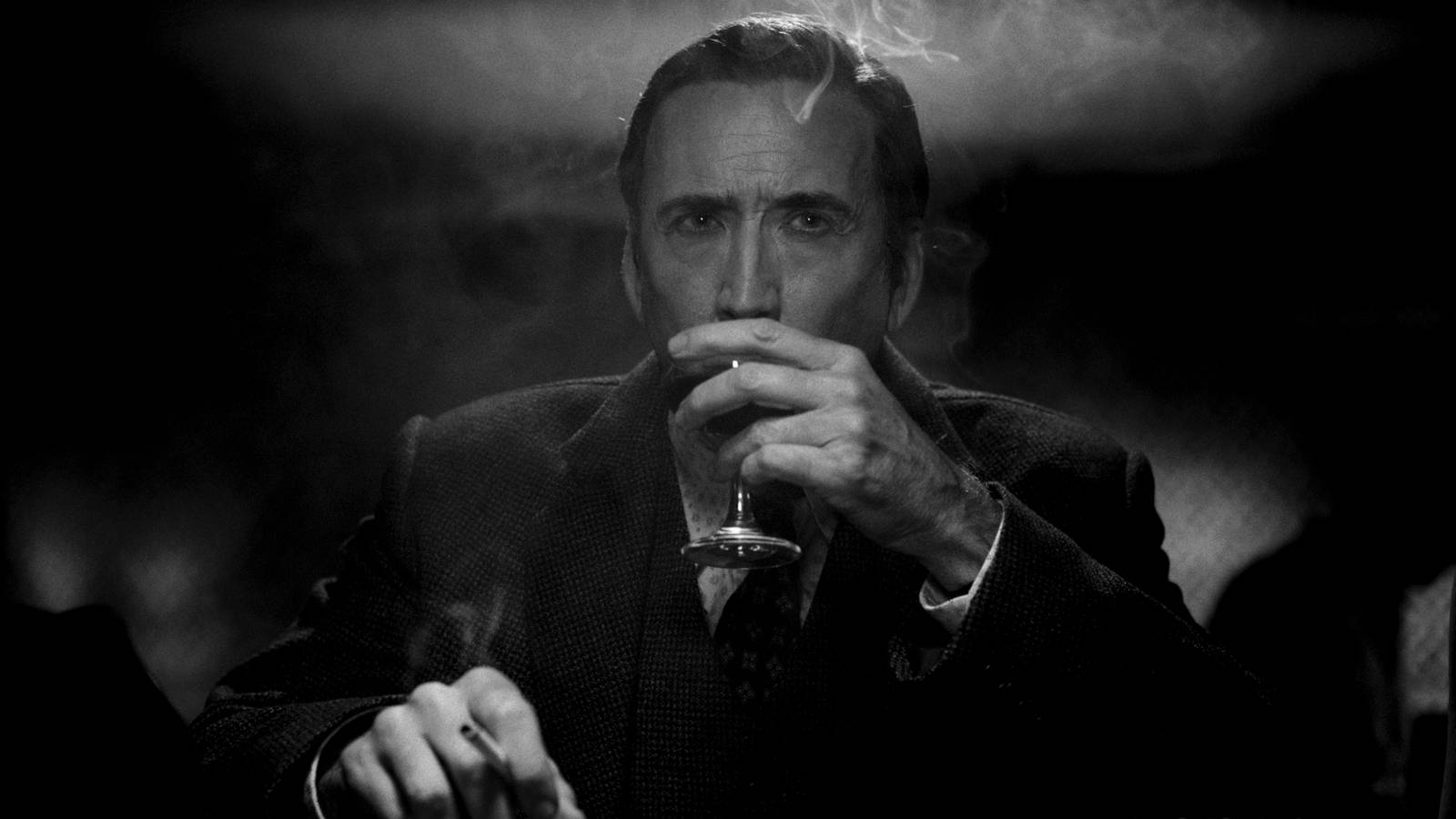
The series, which premiered to critical acclaim, features Nicolas Cage in a captivating performance as the titular Spider-Man, operating in a gritty, alternate 1930s New York City. Unlike its cinematic predecessors, "Spider-Noir" plunges viewers into a world of trench coats, fedoras, smoky backrooms, and a pervasive sense of cynicism. This deliberate stylistic choice is no accident, as confirmed by series director Harry Bradbeer, who explicitly cited a curated selection of seminal film noir and neo-noir classics as foundational influences for the project.
This article delves into the rich cinematic tapestry that inspired "Spider-Noir," exploring the key films that have helped shape its unique aesthetic and thematic resonance. From the complex moral landscapes of 1970s neo-noir to the stark, shadowy visuals of the genre’s golden age, these cinematic touchstones provide a vital lens through which to understand the depth and sophistication of the new Prime Video series.
The Genesis of Shadow: Understanding Film Noir
Film noir, a term coined by French critics in the aftermath of World War II, refers to a stylistic and thematic movement in American cinema that emerged in the early 1940s and reached its zenith by the late 1950s. Characterized by its dark, often pessimistic worldview, film noir typically features crime dramas, morally compromised protagonists, femme fatales, and a distinctive visual style. This style often includes low-key lighting, stark contrasts between light and shadow (chiaroscuro), Dutch angles, and a pervasive sense of urban alienation and existential dread.
The historical context of film noir is crucial to its understanding. Emerging from the anxieties of the Great Depression and the horrors of World War II, these films often reflected a societal disillusionment and a questioning of traditional moral certainties. The protagonists, frequently detectives or down-on-their-luck individuals, found themselves entangled in webs of corruption, betrayal, and violence, rarely emerging unscathed.
"Spider-Noir," while set in a fantastical Marvel universe, taps directly into these core elements. The decision to imbue the series with a hardboiled detective sensibility, complete with a brooding inner monologue and a morally ambiguous supporting cast, places it firmly within the tradition of film noir. Director Harry Bradbeer’s explicit acknowledgment of his cinematic inspirations validates this connection, offering a roadmap for audiences to appreciate the rich cinematic heritage that underpins this fresh take on the Spider-Man mythos.
Cinematic Pillars: The Influences Behind "Spider-Noir"
Director Harry Bradbeer, in a recent interview, shed light on the specific films that provided the creative bedrock for "Spider-Noir." These selections offer a fascinating glimpse into the director’s vision for the series and highlight the enduring power of these cinematic masterpieces.
1. Chinatown (1974): The Masterclass in Neo-Noir Corruption
Roman Polanski’s "Chinatown" stands as a towering achievement in the neo-noir genre and was a significant touchstone for "Spider-Noir." Set in 1930s Los Angeles, the film stars Jack Nicholson as J. J. "Jake" Gittes, a private detective hired to investigate what appears to be a simple infidelity case. However, Gittes is soon drawn into a sprawling conspiracy involving water rights, incest, and murder, revealing a deeply corrupt and decaying society.

"Chinatown" is often cited as a perfect entry point for those new to film noir, offering a relatively modern production, vibrant color cinematography, and a universally recognized star. Its genius lies in its seamless fusion of classic noir elements with the psychological complexities of a modern thriller. While made outside the traditional 1940s-1950s noir period, its masterful execution of thematic and stylistic noir conventions makes it arguably the definitive example of neo-noir. Bradbeer’s explicit mention of "Chinatown" as an influence on "Spider-Noir" underscores the series’ ambition to capture this sophisticated blend of genre elements and intricate plotting. The film’s depiction of a protagonist out of his depth, battling overwhelming systemic corruption, undoubtedly resonates with the challenges faced by Spider-Noir in his own grim urban landscape.
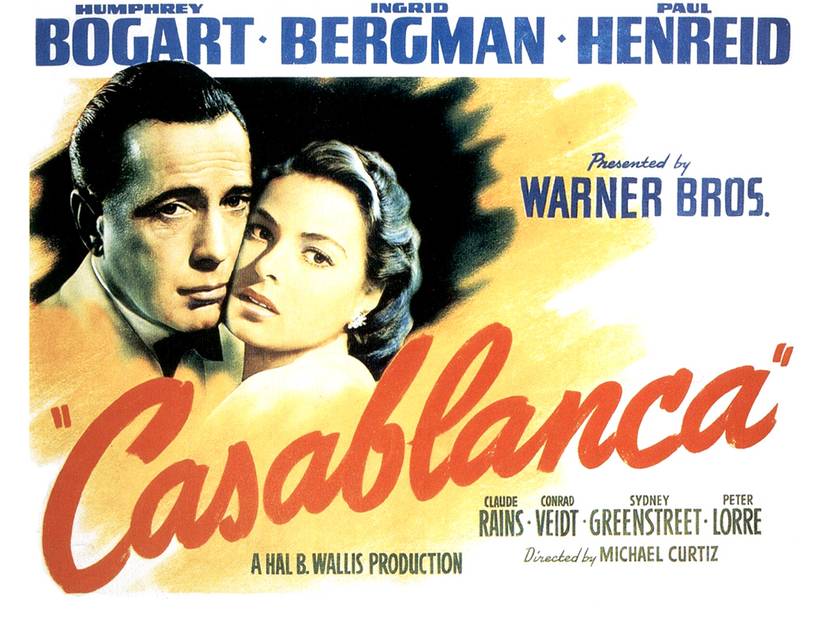
2. Casablanca (1942): Romance, Intrigue, and Bogart’s Enduring Persona
Michael Curtiz’s "Casablanca" is a film almost universally acclaimed as one of the greatest ever made, and it holds a special place in the inspiration behind "Spider-Noir" due to its iconic lead and its thematic resonance. The film tells the story of Rick Blaine (Humphrey Bogart), an American expatriate running a nightclub in Vichy-controlled Casablanca during World War II. His world is upended when his former lover, Ilsa Lund (Ingrid Bergman), reappears, seeking his help to escape Nazi-controlled territory with her resistance leader husband.
While not a pure crime drama in the vein of traditional noir, "Casablanca" embodies many of its visual and thematic elements. The film features stark lighting, smoky interiors, and a pervasive sense of wartime tension and moral compromise. Bogart’s portrayal of Rick Blaine, a cynical but ultimately principled man caught between duty and desire, is particularly relevant. Nicolas Cage’s performance as Spider-Noir is often seen as a deliberate homage to Bogart’s iconic persona, a world-weary cynic with a hidden core of idealism. Bradbeer’s inclusion of "Casablanca" highlights the series’ exploration of complex characters grappling with difficult choices in a world teetering on the brink of chaos. The film’s enduring appeal lies in its potent blend of romance, high-stakes political intrigue, and unforgettable dialogue, elements that "Spider-Noir" seeks to echo in its own narrative.
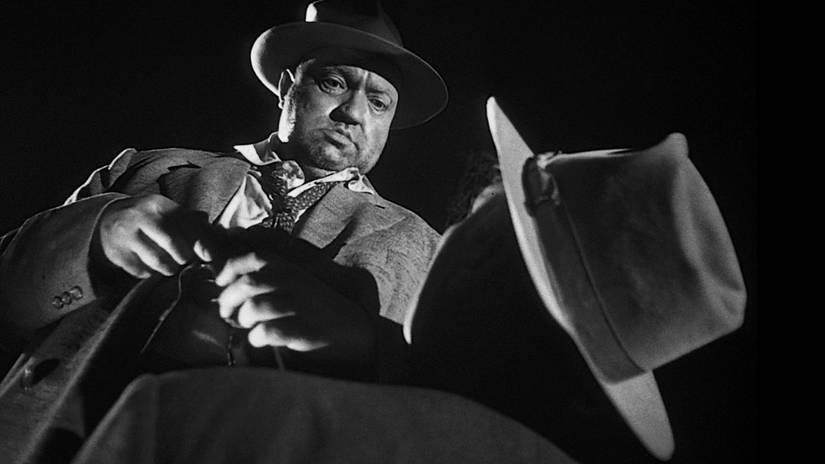
3. Touch of Evil (1958): Welles’s Stylistic Bravura and Moral Rot
Orson Welles’s "Touch of Evil" is a quintessential example of classic film noir, lauded for its ambitious cinematography and its unflinching portrayal of corruption. The film follows Mexican federal attorney Ramon Miguel "Mike" Vargas (Charlton Heston), who is on his honeymoon with his American wife (Janet Leigh) when a car bomb explodes, triggering an investigation that plunges him into a cesspool of crime and collusion involving a corrupt American police detective and a powerful Mexican crime boss.
"Touch of Evil" is celebrated for its audacious visual style, characterized by highly stylized camera angles, extreme low-key lighting, and deep shadows that create a palpable sense of unease and moral decay. Welles, a master of visual storytelling, utilizes these techniques to immerse the audience in the film’s dark underbelly. Bradbeer’s acknowledgment of "Touch of Evil" suggests that "Spider-Noir" aims to capture this same visual intensity, particularly in its depiction of dimly lit street scenes and the corrupt elements of its urban setting. The film’s exploration of the blurred lines between good and evil, and the pervasive influence of corruption on both sides of the border, offers a thematic parallel to the challenges Spider-Noir faces in his own world.
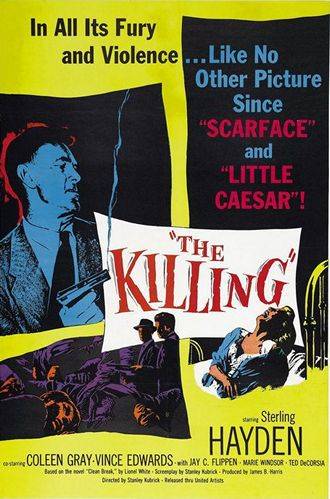
4. The Killing (1956): Kubrick’s Early Brilliance in Heist and Noir
Stanley Kubrick’s "The Killing" represents the final explicit cinematic influence cited by Bradbeer and is likely responsible for informing the grittier, crime-focused aspects of "Spider-Noir," particularly the machinations of the criminal empire overseen by Brendan Gleeson’s character, Silvermane. Released when Kubrick was just 28, the film was groundbreaking for its bold and violent depiction of a racetrack robbery.
"The Killing" follows Johnny Clay (Sterling Hayden), a recently paroled convict who orchestrates a complex heist with a crew of criminals. The film masterfully blends elements of film noir, action thrillers, and heist narratives, showcasing Kubrick’s early command of tension and narrative structure. Its unflinching portrayal of criminal ambition and the ensuing chaos, coupled with its cynical outlook on the prospects of success for its protagonists, aligns perfectly with the darker, more visceral elements of "Spider-Noir." Despite being often overshadowed by Kubrick’s later monumental works, "The Killing" remains a powerful and influential film that clearly left its mark on the stylistic and thematic choices made for the Spider-Man series.
5. The Maltese Falcon (1941): The Archetypal Private Eye and Defining Noir
John Huston’s "The Maltese Falcon" is not only one of the most celebrated films of the noir era but is arguably the definitive noir film. While Bradbeer did not explicitly mention it, its profound influence on the genre, and its connection to Humphrey Bogart, makes its inclusion in the "Spider-Noir" inspiration pool highly probable, and perhaps even acknowledged by Nicolas Cage himself. The film stars Bogart as Sam Spade, a private detective who becomes entangled in the perilous hunt for a priceless statuette, sought after by a colorful cast of unscrupulous characters.
"The Maltese Falcon" is credited with redefining the detective archetype in fiction and film. Spade, unlike his more polished predecessors like Sherlock Holmes or Hercule Poirot, was a layered, morally ambiguous figure whose methods were as questionable as those of the criminals he pursued. This nuanced portrayal of the private investigator paved the way for countless complex protagonists in subsequent crime fiction and film. The film’s intricate plot, sharp dialogue, and unforgettable characters perfectly encapsulate the essence of film noir, making it an essential reference point for any work aiming to capture the genre’s spirit. The pursuit of a MacGuffin by a cast of shady characters, a central element of "The Maltese Falcon," is a narrative device that "Spider-Noir" undoubtedly draws upon.
6. The Thin Man (1934): Proto-Noir Wit and Dialogue
W. S. Van Dyke’s "The Thin Man" is often categorized as "proto-noir," predating the genre’s full flowering in the 1940s. However, its influence on the genre’s tonal and character development is undeniable. The film features William Powell as Nick Charles, a retired detective who finds himself drawn into a missing persons case in his former stomping grounds of New York City.
While "The Thin Man" leans more towards comedy than outright crime drama, it possesses key elements that would become staples of film noir. The presence of a seductive femme fatale and a detective who finds himself increasingly entangled in dangerous situations are hallmarks of the genre. What truly sets "The Thin Man" apart, and what likely resonated with the creators of "Spider-Noir," is its rapid-fire, witty dialogue and its charmingly flawed, yet relatable characters. While "Spider-Noir" is not primarily a comedy, its humor is often delivered through sharp, fast-paced banter, echoing the sophisticated wit of "The Thin Man." This aspect of the series contributes to its distinct flavor, adding a layer of levity and character depth that prevents it from becoming solely grim.
7. Who Framed Roger Rabbit (1988): A Modern Noir Homage
Robert Zemeckis’s "Who Framed Roger Rabbit" stands as a remarkable achievement, seamlessly blending live-action and animation to create a film that is both a technical marvel and a heartfelt homage to the noir genre. Set in 1947, at the height of film noir’s popularity, the movie centers on Eddie Valiant (Bob Hoskins), a hardboiled, heavy-drinking private investigator. The film weaves an intricate mystery, complete with a memorable femme fatale, all within a world where cartoons and humans coexist.
"Who Framed Roger Rabbit" masterfully captures the essence of film noir, from its gritty urban setting and morally ambiguous protagonist to its complex plot and distinctive visual style. The film’s success lies in its ability to embrace the conventions of noir while injecting them with a playful, inventive spirit. For audiences who might find traditional black-and-white noir overwhelming, "Who Framed Roger Rabbit" offers a vibrant, accessible gateway into the genre’s core themes and narrative structures. Its success in translating noir sensibilities into a more broadly appealing format undoubtedly influenced the creators of "Spider-Noir," demonstrating that the genre’s appeal can extend beyond its classic iterations.
Implications and the Future of the Spider-Man Universe
The deliberate embrace of film noir by "Spider-Noir" signifies a bold evolution for the Spider-Man franchise. By delving into the darker, more mature themes and stylistic conventions of classic cinema, the series offers a compelling alternative to the traditional superhero narrative. This approach not only appeals to a more discerning audience but also opens up new narrative possibilities within the Marvel universe.
The success of "Spider-Noir" could pave the way for further explorations of darker, more grounded iterations of Marvel characters. It suggests a willingness from studios to invest in projects that prioritize character development, atmospheric storytelling, and thematic depth over relentless action. The series serves as a powerful reminder that even within the expansive Marvel Cinematic Universe, there is ample room for innovation and the exploration of diverse cinematic influences.
In conclusion, "Spider-Noir" is more than just another superhero series; it is a meticulously crafted homage to the rich legacy of film noir. By drawing inspiration from cinematic titans like "Chinatown," "Casablanca," and "Touch of Evil," director Harry Bradbeer and his team have created a visually stunning and thematically resonant series that honors its influences while forging its own distinct identity. As audiences immerse themselves in the shadowy world of Spider-Noir, they are not just witnessing a new take on a beloved character but are also being treated to a masterclass in cinematic storytelling, a testament to the enduring power of film noir.




Leave a Comment