Valve’s Steam Frame: The Evolution of Standalone VR and the Quest for Hardware Dominance
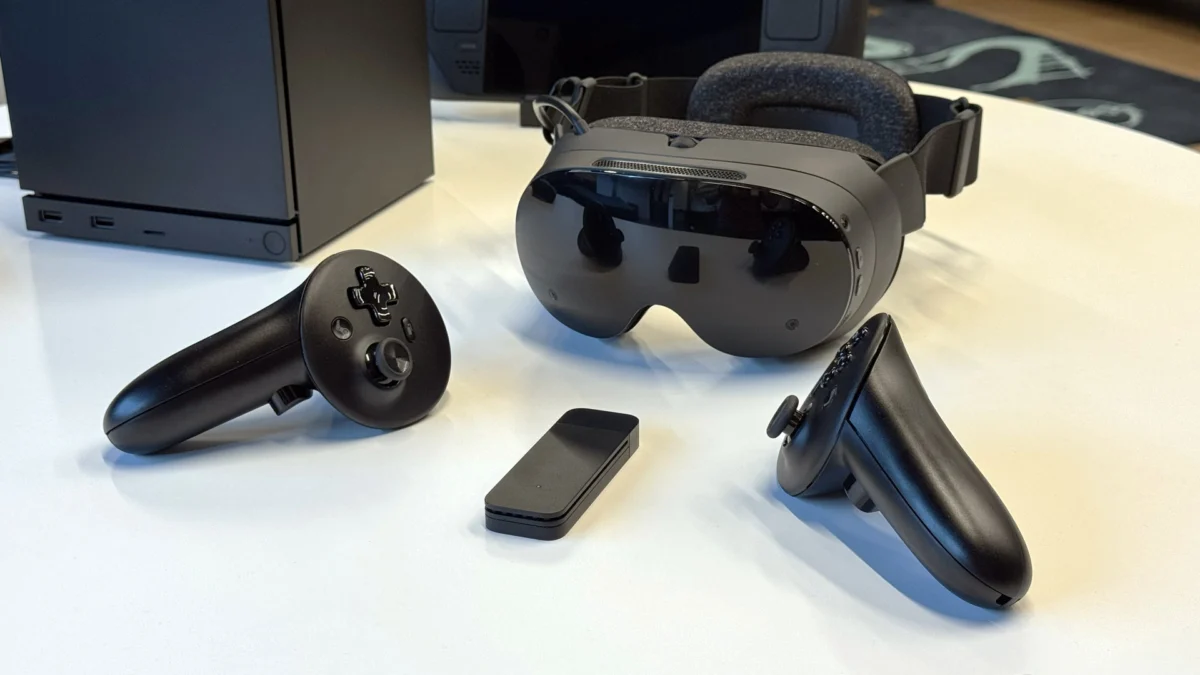
The virtual reality landscape is currently witnessing a tectonic shift as Valve, the architect of the Steam ecosystem and the pioneer behind the Valve Index, prepares to launch its most ambitious hardware project to date: the Steam Frame. While the company has maintained its characteristic veil of secrecy regarding specific launch dates and final pricing, a series of recent digital breadcrumbs suggests that the "Steam Deck of VR" is much closer to a commercial release than previously anticipated.
The most significant indicator of an imminent launch came this week with the discovery of a new landing page on the Steam Store titled "Great on Frame." This certification program, reminiscent of the "Steam Deck Verified" system, aims to categorize titles that have been optimized for the Steam Frame’s unique hardware architecture. While the initial list of certified titles remains small, the implications of this infrastructure are vast, signaling Valve’s transition from a tethered VR provider to a leader in the standalone, high-fidelity spatial computing market.
Main Facts: The Architecture of the Steam Frame
The Steam Frame is not merely a successor to the Valve Index; it is a fundamental reimagining of what a VR headset can be. Unlike its predecessor, which required a high-end PC and external base stations (Lighthouses) for tracking, the Steam Frame is a standalone device powered by the Qualcomm Snapdragon 8 Gen 3 mobile chipset. This puts it in direct competition with Meta’s Quest 3, though Valve’s hardware philosophy leans toward a more "open" and high-performance paradigm.
The Hybrid Ecosystem
The Steam Frame operates on three distinct levels of content delivery:
- Native Standalone Play: Using its internal Snapdragon processor, the headset can run VR titles specifically optimized for mobile architecture.
- Flat-to-VR Translation: Much like the Steam Deck, the Steam Frame allows users to access their entire library of non-VR (flatscreen) games, playing them on a massive virtual theater screen within the headset.
- Wireless PC VR Streaming: For high-fidelity experiences like Half-Life: Alyx, the headset utilizes advanced Wi-Fi 6E/7 protocols to stream content from a VR-ready PC, effectively replacing the need for a DisplayPort cable while maintaining low latency.
The "Great on Frame" Certification
The recently discovered landing page serves as a curated portal for the "best" experiences on the device. Hardware analyst Bradley Lynch noted that the site currently highlights a select few titles, but Valve is reportedly working with dozens of developers to ensure that PC VR games can be downscaled effectively for the Snapdragon 8 Gen 3 without losing the core mechanical integrity of the experience.
Chronology: The Road to the Steam Frame
The journey to the Steam Frame is a multi-year narrative of Valve’s growing confidence in hardware manufacturing. To understand where the Steam Frame is going, one must look at the milestones that led here.

- June 2019: The Valve Index Launch. Valve set the gold standard for PC VR with the Index, introducing "knuckle" controllers and high-refresh-rate displays. However, its reliance on cables and external sensors became a limiting factor as the market shifted toward portability.
- March 2020: The Half-Life: Alyx Phenomenon. Valve released what is still considered the definitive VR title. This proved that high-budget, "AAA" content was viable in VR, but also highlighted the hardware barrier for the average consumer.
- February 2022: The Steam Deck Revolution. The success of the Steam Deck was the true precursor to the Steam Frame. It proved that Valve could successfully port the Linux-based SteamOS to a mobile form factor and convince developers to optimize for it.
- November 2024: The Unveiling. Valve officially announced the Steam Frame, confirming the "standalone" rumors and showcasing a headset that combined the ergonomics of the Index with the portability of the Deck.
- October 2025: The Steam Machine Precedent. Valve released its high-end SteamOS console, the Steam Machine, with a starting price of $1,050. This provided the first real hint at Valve’s modern hardware pricing strategy—prioritizing performance over aggressive consumer subsidies.
- Present Day: The Digital Infrastructure. The appearance of the "Great on Frame" store page indicates that the software layer is ready, and Valve is now waiting for the optimal window to begin shipping units.
Supporting Data: Specs and Economic Headwinds
The Steam Frame enters a market that is significantly more expensive than it was five years ago. Valve has been uncharacteristically transparent about the challenges facing the Steam Frame’s production, particularly regarding component costs.
Hardware Comparison: Steam Frame vs. Meta Quest 3
While Meta’s Quest 3 utilizes the XR2 Gen 2 (a chip derived from the Snapdragon 8 Gen 2), Valve has opted for the Snapdragon 8 Gen 3. This provides a roughly 25-30% increase in CPU performance and a 25% boost in GPU efficiency. Furthermore, the Steam Frame is rumored to include a minimum of 16GB of RAM to handle the overhead of SteamOS, nearly double that of the Quest 3.
The Pricing Crisis
The "sticker shock" anticipated for the Steam Frame is rooted in a global RAM and storage shortage. In official communications, Valve has noted that the cost of high-speed LPDDR5X RAM and NVMe storage has "jacked up prices across the board."
When looking at the data:
- Steam Machine (Console): $1,050+
- Valve Index (Full Kit 2019): $999
- Projected Steam Frame MSRP: Analysts suggest a range between $999 and $1,299.
Unlike Meta, which has historically subsidized the cost of the Quest hardware to gain market share and data, Valve’s business model relies on the "Steam Deck" approach: selling hardware at a slim margin or break-even point while recouping costs through software sales. However, with the current component market, "break-even" for a high-end VR headset is now well north of the $1,000 mark.
Official Responses and Developer Relations
Valve’s official stance on the Steam Frame has been one of "cautious transparency." Unlike the launch of the Index, which was accompanied by a flagship game, Valve has confirmed that no new first-party VR game is currently in development specifically for the Steam Frame launch.

The Software Strategy
In a statement regarding the lack of a "Half-Life: Alyx 2," Valve representatives explained that the focus is currently on the "breadth of the library" rather than a single "killer app." The goal is to ensure that the thousands of games already on Steam are playable on Day 1.
SteamOS as an Open Platform
Perhaps the most significant official revelation is Valve’s willingness to license SteamOS to third-party VR manufacturers. "Steam Frame is the first VR headset to run SteamOS, but it may not be the last," a company spokesperson stated. This suggests that Valve wants to become the "Windows of VR," providing the operating system for a variety of headsets ranging from budget models to ultra-premium enterprise devices.
Developer Kits
Valve has also confirmed that it is actively shipping dev kits to major VR studios. The delay in the release date is reportedly tied to Valve’s desire to give these developers more time to utilize the Snapdragon 8 Gen 3’s capabilities for "native" ports of popular PC VR titles.
Implications: A New Era for Spatial Computing
The launch of the Steam Frame carries implications that extend far beyond the gaming community. It represents a pivot in the philosophy of the "Metaverse" and standalone computing.
1. The Challenge to Meta’s Dominance
For years, Meta has held a near-monopoly on standalone VR. The Steam Frame represents the first credible threat to that dominance from a company that owns a massive content library. If Valve can successfully transition the Steam library to a portable VR headset, the "walled garden" of the Meta Quest Store may lose its luster for hardcore gamers.
2. The "Prosumer" Market
By pricing the device at over $1,000, Valve is positioning the Steam Frame as a "Prosumer" device. It is not intended to compete with the Quest 3 on volume, but rather to capture the high-end market that demands better optics, higher build quality, and an open software environment. This mirrors the strategy of the Steam Deck, which carved out a massive niche despite being more expensive than a Nintendo Switch.

3. The Future of Linux Gaming
The Steam Frame is another massive win for Linux-based gaming. By refining SteamOS for VR, Valve is further decoupling the gaming industry from Windows. This "hackability" is a core selling point; Valve has hinted that the Steam Frame will be as open as the Steam Deck, allowing users to install third-party software, different operating systems, and custom drivers.
4. The Portability of the "Entire Library"
The ability to play flatscreen games in a high-fidelity virtual environment could be the "sleeper feature" of the Steam Frame. For users in small living spaces or those who travel, the Steam Frame acts as a portable 100-inch OLED monitor. This utility beyond VR gaming could justify the high price point for many consumers.
As the industry waits for the final word on price and availability, the "Great on Frame" page stands as a testament to Valve’s methodical approach. They are building the stadium before they invite the players. Whether the audience is willing to pay the premium for a seat in that stadium remains to be seen, but the Steam Frame is undoubtedly the most significant piece of VR hardware to emerge in half a decade.