
"Camp": Blake Masi’s Photographic Exploration of Human Imprints on Designed Environments
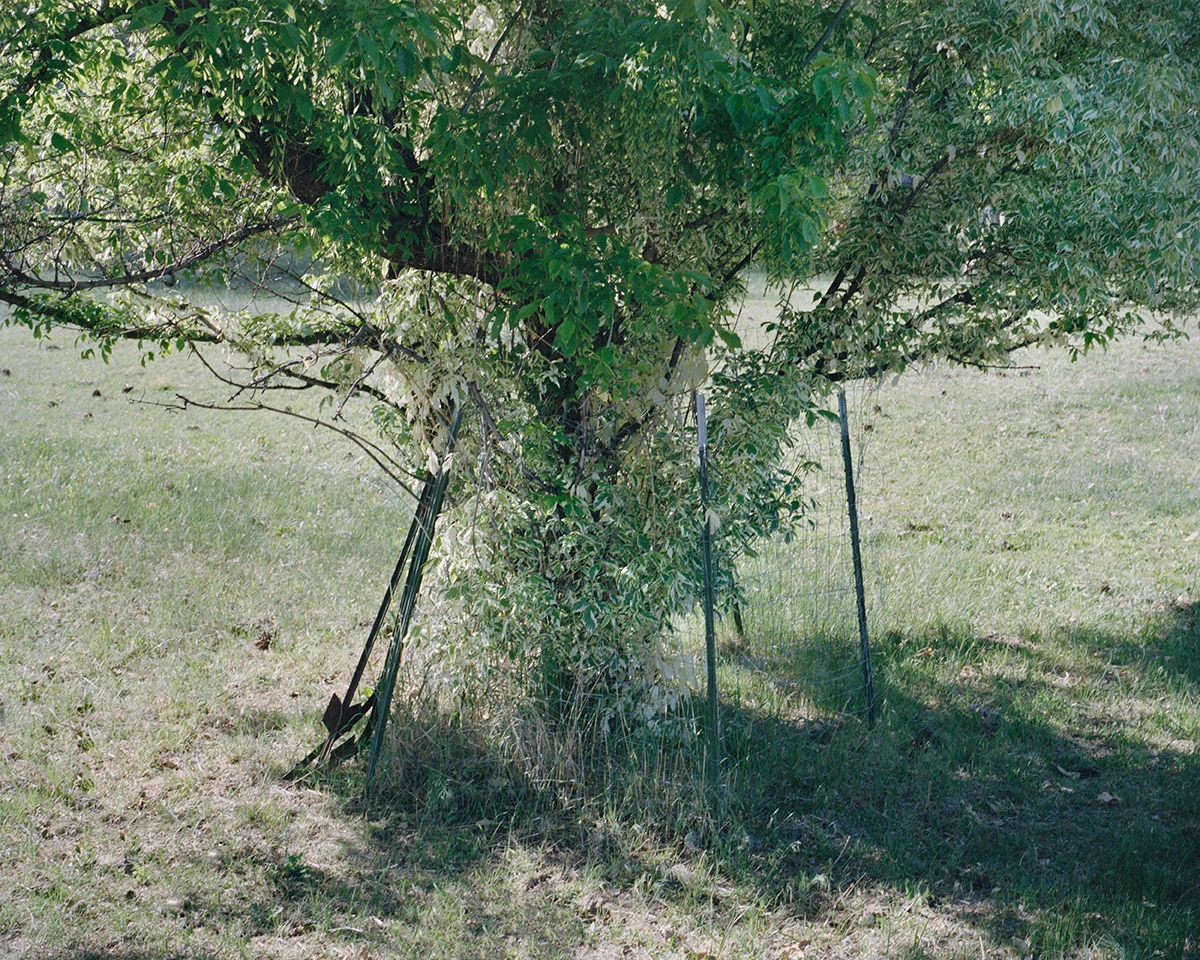
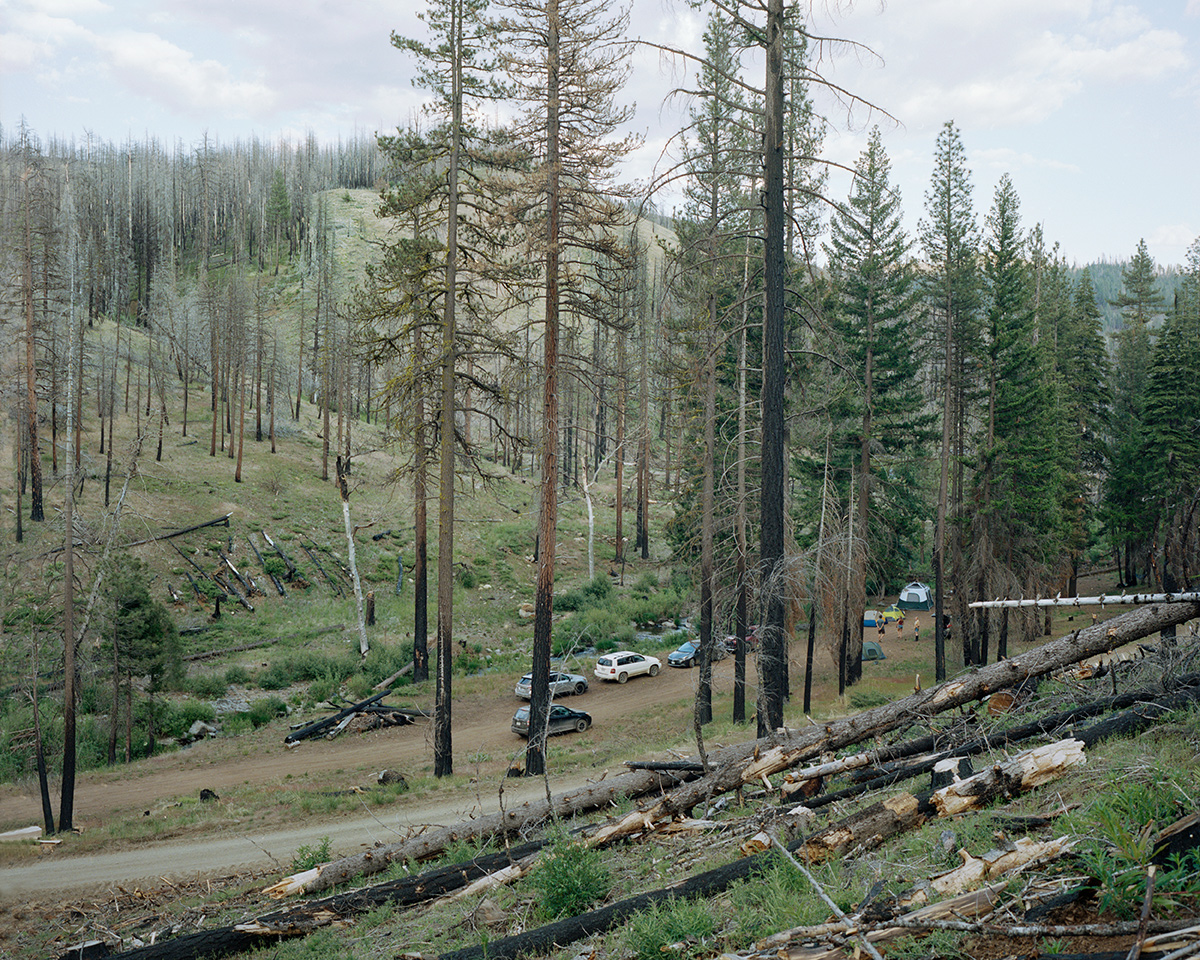
San Francisco Bay Area – Photographer, artist, and educator Blake Masi is challenging conventional notions of time and space through his ongoing photographic project, "Camp." Currently based in the vibrant San Francisco Bay Area, Masi’s artistic practice is deeply rooted in examining environments sculpted by human intervention. His work probes how these meticulously designed spaces serve as potent reflections of the psychological and cultural undercurrents of a generation navigating the complexities of the post-digital age. "Camp" specifically delves into Masi’s experiences during two consecutive summers spent working at a retreat nestled within the rugged expanse of California’s Northern Sierra region. While enveloped by untamed wilderness, this seemingly bucolic setting is characterized by a deliberate human touch: cabins meticulously constructed amidst towering trees and trails artfully carved into the natural terrain. Within this unique environment, daily existence is not dictated by the incessant hum of technology, but rather by a structured rhythm of shared labor and communal routines. The deliberate absence of personal electronic devices fosters a profound sense of temporal displacement, a feeling of existing “slightly outside contemporary time.”
Masi’s photographic lens captures more than just picturesque landscapes; it seeks to unravel the intricate interplay between individuals and their designed surroundings. He states, "These photographs consider how individuals inhabit designed environments and leave traces of themselves within them. At the camp, daily routines including play, labor, and interpersonal relationships mark the space, just as the structure of the place shapes those who move through it. The camp becomes a temporary world built through collective participation, where human psychology impresses itself upon the landscape. In this setting, the tension between the artificial and the natural is negotiated and lived each day." This profound observation forms the philosophical bedrock of "Camp," inviting viewers to contemplate the indelible marks humans leave on their constructed realities and, conversely, how these realities shape our very being.
Blake Masi’s evocative work is currently featured in "Array 4," a compelling collection that showcases a diverse range of contemporary artistic voices. This publication offers a broader platform for Masi’s insightful explorations, further cementing his position as a significant contributor to the contemporary art discourse.
Unveiling "Camp": A Temporal and Spatial Excavation
H2: The Genesis of "Camp": A Retreat from the Digital Deluge
Blake Masi’s "Camp" project is born from a deliberate immersion into an environment intentionally designed to disconnect its inhabitants from the pervasive connectivity of modern life. Over the course of two summers, Masi traded the digital landscape of the San Francisco Bay Area for the natural grandeur of the Northern Sierra. This geographical shift was not merely a change of scenery; it was a conscious act of seeking a space where human interaction and the rhythm of nature could take precedence over digital notifications and virtual engagement.
The chosen location, a camp situated within the Sierra Nevada, presents a fascinating paradox. It is a place where the raw, untamed beauty of wilderness is meticulously curated and shaped by human hands. Cabins, erected with purpose and placed strategically among ancient trees, signify a human attempt to harmonize with, rather than conquer, the natural world. Trails, carved into the earth, are not random paths but deliberate conduits facilitating movement and connection within the camp’s boundaries. This careful design fosters an environment where life unfolds at a different pace, one dictated by the rising and setting of the sun, the changing seasons, and the shared responsibilities of communal living.
The explicit prohibition of personal mobile devices is a cornerstone of the camp’s philosophy and, consequently, a central theme in Masi’s work. This absence of instant connectivity creates a profound sense of temporal dislocation. Without the constant ping of notifications and the endless scroll of social media, participants are liberated from the relentless present-moment demands of the digital realm. They are encouraged to be fully present in their physical surroundings and in their interactions with others. This creates a unique psychological space, a temporal pocket where the anxieties and pressures of contemporary life recede, allowing for a deeper engagement with oneself and with the shared experience of camp life. Masi’s photographs, therefore, become visual documents of this intentional temporal shift, capturing the quietude and focused attention that emerge when the digital noise is silenced.
H3: Masi’s Artistic Philosophy: Traces of Human Presence
At the heart of Masi’s artistic endeavor lies a profound interest in the reciprocal relationship between humans and their constructed environments. His work consistently interrogates how individuals leave their mark on spaces and, in turn, how those spaces mold and influence the people who inhabit them. In "Camp," this philosophy is brought to the fore with striking clarity.
Masi observes that the camp, despite its wilderness setting, is a highly designed environment. The very act of building cabins, clearing trails, and establishing routines imbues the landscape with human intention. These interventions are not merely functional; they are deeply psychological and cultural. The routines of daily life – the shared tasks of cooking and cleaning, the spontaneous moments of play, the often-complex dynamics of interpersonal relationships – all contribute to the unique character of the camp. These activities, as Masi notes, "mark the space." They leave behind subtle, yet indelible, traces of the people who have passed through, their laughter echoing in the communal dining hall, their sweat marking the well-worn trails, their shared stories weaving into the fabric of the place.
Conversely, the structure of the camp itself exerts a powerful influence on its inhabitants. The communal living arrangements necessitate a certain level of cooperation and consideration for others. The shared labor instills a sense of collective responsibility and purpose. The absence of digital distractions encourages direct, face-to-face interaction, fostering a heightened awareness of social cues and emotional nuances. In this way, the camp becomes a microcosm, a "temporary world built through collective participation," where the individual’s psychological landscape is inextricably linked to the physical and social architecture of their surroundings.
Masi’s artistic inquiry extends to the inherent tension between the artificial and the natural. At the camp, this tension is not a theoretical concept but a lived reality. The man-made structures stand in contrast to the towering trees and the wild terrain. The curated routines of camp life exist alongside the unpredictable rhythms of nature. Masi’s photographs capture this delicate negotiation, showcasing moments where the human presence is both evident and seamlessly integrated into the natural world. This ongoing negotiation between the constructed and the organic is what makes "Camp" a compelling and deeply resonant exploration of human experience.
Chronology of Observation: Two Summers of Imprint
H2: The Initial Immersion: Summer One and the Establishment of Routine
The first summer spent at the Northern Sierra camp marked the initial phase of Blake Masi’s immersive observation. This period was crucial for understanding the fundamental rhythms and structures of camp life. Masi, functioning not just as an observer but also as a participant, engaged directly with the daily routines that define the camp’s existence. This hands-on experience allowed him to gain an intimate understanding of the physical and social architecture of the environment.
During this inaugural summer, Masi meticulously documented the establishment of these routines. Photographs likely captured the initial clearing of spaces for communal activities, the construction or reinforcement of cabins, and the methodical creation of trails. The emphasis would have been on the foundational acts of human intervention that transform a wild landscape into a habitable and functional space. He would have observed the division of labor, the shared meals, and the communal gatherings that form the backbone of camp life. The absence of digital distractions would have been particularly pronounced, allowing for a focus on immediate sensory experiences – the scent of pine, the warmth of the sun, the sound of voices.
This period would have also been characterized by a heightened awareness of the camp’s inherent duality. Masi would have begun to notice the ways in which the man-made structures nestled within the natural grandeur, the artificial trails winding through the wilderness, and the scheduled activities juxtaposed against the unpredictable forces of nature. The initial photographs from this summer would likely convey a sense of discovery, of a world being built and experienced with a fresh perspective, free from the constant barrage of external digital stimuli.
H3: Deepening Engagement: Summer Two and the Unfolding of Human Traces
The second summer marked a deepening of Masi’s engagement with the "Camp" project. Having established a foundational understanding of the camp’s structure and routines during the first year, Masi was now better positioned to observe the subtle, yet significant, ways in which human presence and psychological imprints manifest over time. This phase of his work shifted from documenting the establishment of the environment to exploring its lived experience and the evolving traces left by its inhabitants.
In his second year, Masi would have focused on capturing the cumulative effect of daily life. The photographs would likely highlight the wear and tear on structures, the well-trodden paths that bear the imprint of countless footsteps, and the subtle signs of habitation that speak to the passage of time and the collective presence of people. He would have observed how individuals adapted to the designed environment, how their interactions evolved within its confines, and how their personal experiences became interwoven with the history of the place.
This period would have also allowed for a more nuanced exploration of interpersonal dynamics. The shared labor and communal living, having been established, would now foster more complex relationships, unspoken understandings, and shared histories. Masi’s lens would likely have captured moments of quiet camaraderie, spontaneous collaboration, and perhaps even the subtle tensions that arise in close-knit communities. The photographs would begin to tell stories of connection, of shared purpose, and of the human need for belonging, all within the carefully constructed framework of the camp.
Furthermore, the contrast between the artificial and the natural would have become even more pronounced. Masi would have observed how the inhabitants, despite their immersion in the wilderness, continued to negotiate the boundaries between their constructed reality and the untamed environment. This might manifest in the ways they utilize the natural elements within the camp’s design, or in the ways they find moments of respite and connection with the wild surroundings. The photographs from the second summer, therefore, would likely possess a richer texture, a deeper resonance, and a more profound understanding of the intricate interplay between human psychology, designed environments, and the enduring power of nature.
Supporting Data: The Psychological and Cultural Resonance
H2: The Post-Digital Generation and the Search for Authenticity
Blake Masi’s "Camp" project speaks directly to the experiences and anxieties of the post-digital generation. This demographic, having grown up with ubiquitous technology and constant connectivity, often grapples with a sense of detachment and a longing for more authentic human experiences. The very structure of the camp, with its deliberate exclusion of digital devices, serves as a potent antidote to this pervasive condition.
The post-digital generation has been raised in an environment where social interactions are often mediated through screens, where information is instantly accessible, and where the curated online persona can overshadow genuine self-expression. This can lead to feelings of isolation, comparison, and a perpetual sense of FOMO (fear of missing out). The camp, by contrast, forces a confrontation with the immediate present and with the tangible reality of human connection. Without the distractions of the digital world, individuals are compelled to engage with each other on a deeper, more authentic level. This fosters a sense of presence and a recognition of shared humanity that can be difficult to cultivate in the hyper-connected online sphere.
Masi’s photographs capture the visual manifestations of this search for authenticity. They showcase individuals engaged in shared labor, their hands in the earth, their bodies working in unison. They depict moments of genuine laughter and connection, unburdened by the pressure to perform for an online audience. These images resonate with a generation that is increasingly questioning the superficiality of digital interactions and seeking out experiences that offer a sense of grounding, purpose, and genuine human connection.
H3: The Embodied Experience: Labor, Play, and Interpersonal Dynamics
The core of Masi’s project lies in his exploration of how daily routines – specifically play and labor – shape both individuals and the designed environment. In the context of "Camp," these activities are not merely pastimes or obligations; they are fundamental to the construction and experience of the temporary world.
Labor as a Unifying Force: The shared labor at the camp serves as a powerful unifying force. Tasks such as preparing meals, maintaining the grounds, or repairing structures require collaboration and interdependence. This shared effort fosters a sense of collective responsibility and accomplishment. Masi’s photographs would likely capture the physicality of this labor – the sweat on brows, the calloused hands, the coordinated movements. These images communicate a sense of purpose and a tangible connection to the physical world, a stark contrast to the often-disembodied nature of digital work. The act of labor in this communal setting allows individuals to imprint themselves on the environment in a direct and meaningful way, creating a sense of ownership and pride in their contributions.
Play as a Catalyst for Connection: Beyond the demands of labor, moments of play are equally vital in shaping the camp’s social fabric. These instances, whether organized games or spontaneous outbursts of joy, serve as crucial outlets for stress relief, creativity, and the strengthening of interpersonal bonds. Masi’s lens would likely capture the uninhibited nature of play within the camp – the laughter, the shared challenges, the sense of freedom from societal expectations. These photographs highlight the intrinsic human need for joy and recreation, and how these moments contribute to a richer, more fulfilling experience of communal living. Play acts as a social lubricant, breaking down barriers and fostering a sense of camaraderie that transcends the structured routines of labor.
Interpersonal Dynamics as the Fabric of the Space: The complex tapestry of interpersonal relationships is the invisible thread that binds the camp together. Masi’s work implicitly acknowledges that the camp is not just a physical space but also a social ecosystem. The photographs would subtly allude to the dynamics of these relationships – the unspoken understandings, the shared glances, the moments of both conflict and reconciliation. These interactions, occurring within the designed environment, reveal how human psychology impresses itself upon the landscape. The way individuals navigate their relationships, their communication styles, and their emotional responses are all influenced by the shared physical and social context of the camp. This intricate interplay of human connection and the designed environment is what gives "Camp" its profound psychological and cultural resonance.
Official Responses and Recognition
H2: "Array 4": A Platform for Emerging Artistic Voices
The inclusion of Blake Masi’s "Camp" project in "Array 4" signifies a significant moment of recognition within the contemporary art world. "Array 4" is not merely a collection of images; it represents a curated selection of artists whose work is deemed to be pushing boundaries and offering critical perspectives on current cultural and societal issues. This publication serves as a vital platform for emerging and established artists alike, providing them with a wider audience and a more significant voice.
For Masi, being featured in "Array 4" means his exploration of human imprints on designed environments, and his nuanced commentary on the post-digital generation, will reach a broader audience of art enthusiasts, collectors, and critics. The publication acts as an endorsement of his artistic vision and his ability to translate complex ideas into compelling visual narratives. It positions "Camp" within a larger discourse of contemporary photography and art, fostering dialogue and encouraging further exploration of the themes he addresses.
The editors and curators behind "Array 4" likely recognized the project’s originality, its conceptual depth, and its aesthetic merit. Masi’s ability to capture the subtle interplay between human presence and environmental design, his insightful commentary on the psychological impact of technology, and his visually striking documentation of camp life would have all contributed to his selection. This recognition is not just a personal achievement for Masi but also a testament to the growing importance of art that critically engages with the complexities of modern existence.
H3: Booooooom.com and the Amplification of Artistic Talent
Booooooom.com, the online platform that publishes "Array 4," has established itself as a leading voice in showcasing contemporary art and photography. Their commitment to discovering and promoting new talent has made them an indispensable resource for artists and art lovers worldwide. The inclusion of Masi’s work on their platform, and within this prestigious publication, further amplifies his reach and influence.
Booooooom.com’s editorial approach often focuses on artists who are experimenting with new forms, challenging conventional aesthetics, and offering fresh perspectives on the world around us. Masi’s "Camp" project aligns perfectly with this ethos. His ability to weave together artistic expression with insightful social commentary, and his dedication to exploring the often-overlooked nuances of human interaction within designed spaces, would have resonated strongly with the publication’s editorial team.
The online presence of Booooooom.com, coupled with the tangible nature of the printed publication "Array 4," creates a powerful dual approach to art dissemination. This allows Masi’s work to be accessible to a global digital audience while also offering a more permanent and curated experience through the book. The platform’s consistent dedication to featuring diverse and compelling artistic voices ensures that Masi’s project will be seen and appreciated by those who are actively seeking out innovative and thought-provoking art. This recognition from a respected source like Booooooom.com underscores the significance and impact of Blake Masi’s "Camp" project within the contemporary art landscape.
Implications and Future Directions
H2: The Enduring Relevance of Disconnection in a Hyper-Connected World
The implications of Blake Masi’s "Camp" project extend far beyond the confines of the Northern Sierra. In an era characterized by an ever-increasing reliance on digital technology, Masi’s work serves as a potent reminder of the profound human need for disconnection and for authentic, embodied experiences. The success and recognition of "Camp" suggest a growing societal recognition of the potential downsides of constant connectivity and a burgeoning desire for spaces and practices that foster presence, mindfulness, and genuine human interaction.
Masi’s photographs, by capturing the quietude and focused attention that emerge when digital distractions are removed, offer a visual argument for the restorative power of such environments. The project implies that intentional periods of "unplugging" are not merely a nostalgic indulgence but a necessary component of psychological well-being and a crucial element in fostering deeper human connections. As our lives become increasingly intertwined with digital interfaces, the lessons learned from "Camp" – the value of shared labor, the joy of unmediated play, and the richness of interpersonal relationships – become ever more critical.
The project prompts a wider consideration of how we design our environments, both physical and digital, and the impact these designs have on our mental and emotional states. It raises questions about how we can cultivate spaces that encourage presence, introspection, and meaningful engagement, rather than perpetual distraction. Masi’s work serves as a catalyst for dialogue about the balance between technological advancement and the preservation of fundamental human needs.
H3: The Evolving Landscape of Human Experience and Designed Environments
"Camp" also has significant implications for the future of how we understand and interact with designed environments. Masi’s focus on the "traces" left by individuals and the way these spaces shape human psychology suggests that our built world is not a static backdrop but a dynamic entity constantly being shaped and reshaped by our presence. As we continue to develop increasingly sophisticated technological environments, from virtual realities to smart cities, understanding the psychological and cultural impact of these spaces becomes paramount.
Masi’s project provides a valuable framework for analyzing how human beings adapt to, and leave their mark upon, any designed setting, whether it is a rustic camp or a futuristic urban landscape. The tension he identifies between the artificial and the natural, and how this tension is "negotiated and lived each day," is a universal theme that will continue to be relevant as our built environments become more complex and technologically integrated.
Looking forward, Masi’s artistic journey may lead him to explore other designed environments that offer similar opportunities for critical observation. This could include intentional communities, co-living spaces, or even the curated experiences of theme parks and tourist destinations. The core of his inquiry – how humans inhabit and are shaped by the spaces they create – remains a fertile ground for artistic exploration. The continued success of "Camp" and its recognition in publications like "Array 4" suggest that Blake Masi’s thoughtful and visually arresting approach to understanding the human condition within our constructed realities will continue to resonate and inform our perspectives for years to come.


Leave a Comment