
Freak War: A New Contender Blends Pokémon Evolution with Party Game Chaos
Sheltonshire Games Unveils a Unique Trading Card Game Designed for Instant Fun and Strategic Depth, Skipping the Deck-Building Hustle
In a gaming landscape often dominated by complex rulesets and demanding deck-building meta-games, a refreshing new challenger has emerged, promising the thrill of trading card battles without the traditional barriers to entry. "Freak War," the brainchild of cartoonist Nate Galbraith, also known as Sketchnate, is poised to redefine the party game experience by masterfully blending the captivating creature evolution of Pokémon, the unpredictable chaos of "Exploding Kittens," and the classic simplicity of the card game War. This innovative title, developed by Sheltonshire Games, has already captivated the imagination of the gaming community, successfully surpassing its crowdfunding goals and signalling a strong appetite for accessible, yet engaging, card game experiences.
At its core, "Freak War" offers a distinctly approachable take on the trading card game (TCG) genre. Players are invited to dive straight into the action, foregoing the often-intimidating process of meticulously constructing a deck. As the creators proudly state, "You don’t even need to build a deck, but you can if you like." This philosophy underpins the game’s design, aiming to deliver immediate fun for casual players and families, while still offering layers of strategic depth for those who seek it.
A Fusion of Familiar Favorites: The Genesis of Freak War
"Freak War" isn’t merely a rehash of existing concepts; it’s a thoughtful synthesis born from a keen observation of how people interact with games. Its very inception speaks to a desire to simplify and enhance the joy of card playing, drawing inspiration from disparate yet beloved sources.
From Playground Inspiration to Card Game Reality
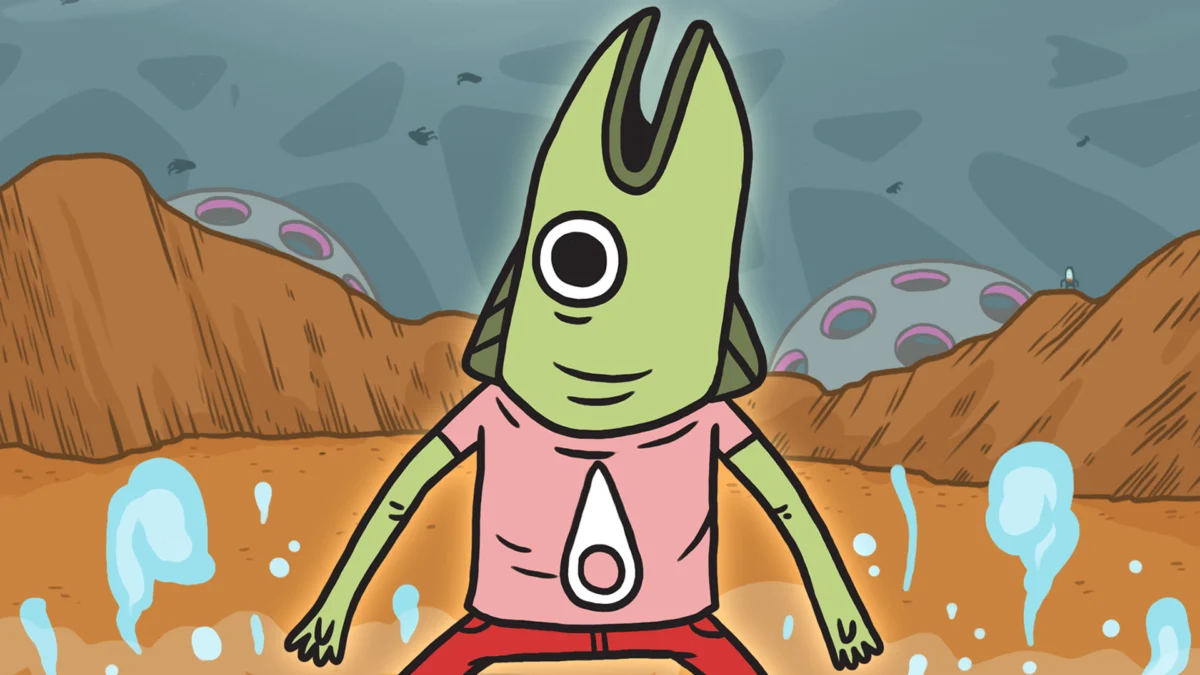
The spark for "Freak War" ignited when Nate Galbraith witnessed a common, endearing scene: children attempting to orchestrate Pokémon battles using a standard deck of Uno cards. This impromptu, rule-bending play highlighted a fundamental desire for creature-based combat, even in the absence of the official game’s complexity. Galbraith, recognizing the inherent appeal, suggested they pivot to the timeless card game War (also known as Battle). The fusion of these two experiences – the imaginative creature clashes of Pokémon and the straightforward mechanics of War – became the foundational bedrock for what would evolve into "Freak War." To this nascent framework, Galbraith injected his signature artistic flair, populating the cards with an array of strange, wonderfully bizarre creatures that immediately give the game a unique identity.
This origin story is crucial, as it underscores the game’s commitment to accessibility and intuitive play. It’s a game designed for the moment, for those spontaneous gatherings where complex setups and steep learning curves are unwelcome. The goal was to distill the essence of exciting card combat into a format that anyone could pick up and enjoy almost instantly.
Deconstructing the Influences: Pokémon, Exploding Kittens, and War
To fully appreciate "Freak War," one must understand the specific elements it draws from its illustrious predecessors:
- The Evolving Monsters of Pokémon: The most apparent influence is the concept of creature evolution. In "Freak War," players will encounter creatures that can transform into more powerful forms, reminiscent of Pokémon’s iconic evolutionary lines. This mechanic adds a layer of anticipation and strategic planning, as players decide when and how to deploy their evolving beasts. It taps into the universal appeal of nurturing and powering up one’s champions, a cornerstone of the Pokémon phenomenon.
- The Fast-Playing Chaos of Exploding Kittens: From the wildly successful party game "Exploding Kittens," "Freak War" inherits its spirit of unpredictable, rapid-fire gameplay and the liberal use of action-modifying cards. "Exploding Kittens" is celebrated for its ability to generate laughter and dramatic swings of fortune through simple, impactful card effects. "Freak War" embraces this by incorporating numerous cards that introduce game-changing effects, ensuring that no two rounds play out exactly the same. This infusion of chaos keeps players on their toes and prevents the game from becoming overly deterministic.
- The Straightforward Battles of War (or Battle): The fundamental combat mechanic is directly lifted from the classic card game War. Players simultaneously reveal cards, and the highest value wins. This elegant simplicity is the bedrock of "Freak War," making it incredibly easy to teach and learn. It bypasses the need for intricate combat calculations or understanding complex card interactions, allowing players to focus on the immediate thrill of the clash. The genius lies in how "Freak War" then builds upon this simple foundation with its unique creatures and modifiers, adding layers of strategy without sacrificing ease of play.
By carefully selecting and integrating these elements, Galbraith has crafted a game that feels both familiar and fresh, a welcoming entry point for newcomers to card games while still offering enough depth to keep seasoned players engaged.
Unpacking the Gameplay: Accessible Chaos with Strategic Depth
"Freak War" is designed to be versatile, accommodating various playstyles and group sizes. Whether players prefer a purely chaotic free-for-all or a more calculated strategic battle, the game offers modes and rules to suit.
The Core Combat Loop: Simple Yet Engaging
The central action in "Freak War" is refreshingly simple: players simultaneously play a creature card. The creature with the highest attack level claims victory in that particular skirmish. This immediate feedback loop ensures that rounds are quick and engaging, keeping downtime to a minimum. However, beneath this surface simplicity lies a dynamic system influenced by creature abilities and modifier cards.
The simultaneous play mechanism is crucial for maintaining a high energy level. There’s no waiting for turns, just a collective reveal that builds anticipation with every flip. This mechanic, common in many party games, is perfectly suited for "Freak War" as it fosters direct, immediate competition among players.
Evolution and Modifiers: Layering Tactical Choices
Where "Freak War" truly distinguishes itself from its simpler inspirations is through its incorporation of creature evolution and powerful modifier cards.
- Evolution: Just like in Pokémon, creatures in "Freak War" can evolve. This means a seemingly weak creature played early might have the potential to transform into a much stronger form later, introducing a strategic element of timing and resource management. Players must decide when to hold onto an evolving creature, waiting for the opportune moment to unleash its stronger form, or when to play it immediately for its current strength. This mechanic adds a long-term strategic dimension to each player’s hand, forcing them to think beyond the immediate turn.
- Modifiers: The game features a diverse array of modifier cards that can drastically alter the outcome of a battle. These range from straightforward power boosts, like a "Super Sword" or even a "Super Duper Sword," to more disruptive effects such as swapping cards with a rival, canceling an opponent’s modifier, or even flipping coins for a chance at a temporary power surge. These modifiers introduce a layer of tactical decision-making, allowing players to manipulate battle outcomes, counter opponents, or enhance their own creatures in unexpected ways. The judicious use of modifiers can turn the tide of a seemingly lost battle, adding excitement and preventing any single creature from becoming overwhelmingly powerful without challenge.
Modes of Engagement: War, Battle, and Beyond
"Freak War" understands that different groups prefer different levels of control and chaos. To cater to this, it offers distinct play modes:
- War Mode: This is the most chaotic and accessible mode. Players simply flip the top card of their shuffled deck to determine their combatant. This mode minimizes decision-making and maximizes surprise, making it ideal for younger players or groups looking for a purely lighthearted, unpredictable experience. It embodies the spirit of the classic card game War, but with the added spice of "Freak War"’s unique creatures and effects.
- Battle Mode: For players who prefer more strategic agency, Battle Mode allows players to choose a card from their hand. This introduces hand management and tactical foresight, as players must decide which creature to commit to battle, when to save a powerful card for a crucial moment, or when to bluff an opponent. This mode appeals to those who enjoy a bit more control and planning in their card games.
Beyond these core modes, "Freak War" also offers additional rulesets like King of the Hill and team rules. King of the Hill could introduce objectives beyond simply winning cards, perhaps by controlling a central "hill" card or achieving specific conditions. Team rules, meanwhile, would allow for cooperative or competitive play among multiple players, adding another layer of social interaction and strategy, potentially opening up scenarios for 2v2 or 3v3 battles. This modularity ensures that "Freak War" can be adapted to fit almost any group’s preference, enhancing its replayability and broad appeal.
The Path to Victory: Collecting Your Foes
The ultimate goal in "Freak War" mirrors its classic namesake: to collect all the cards from your opponents. When two players draw in attack level during a battle, a tie-breaker mechanism comes into play. Both players discard a card, then face off again by playing another creature. The overall winner of the battle claims all the cards played in that round and adds them to their personal "win pile." These collected cards are then reshuffled back into the player’s active deck, reinforcing the cycle of play and ensuring that no player is permanently out of the game prematurely. The game concludes when one player successfully manages to claim every single card from their rivals, emerging as the undisputed champion of the "Freak War." This mechanic ensures that even if a player is down on cards, they can still make a comeback, adding to the dynamic and unpredictable nature of the game.
The Art and Lore of a Mutated World
Beyond its mechanics, "Freak War" immediately grabs attention with its distinctive visual style and imaginative backstory. Nate Galbraith’s background as a cartoonist shines through, giving the game a quirky, memorable aesthetic that sets it apart.
Sketch Nate’s Quirky Creatures: A Visual Delight
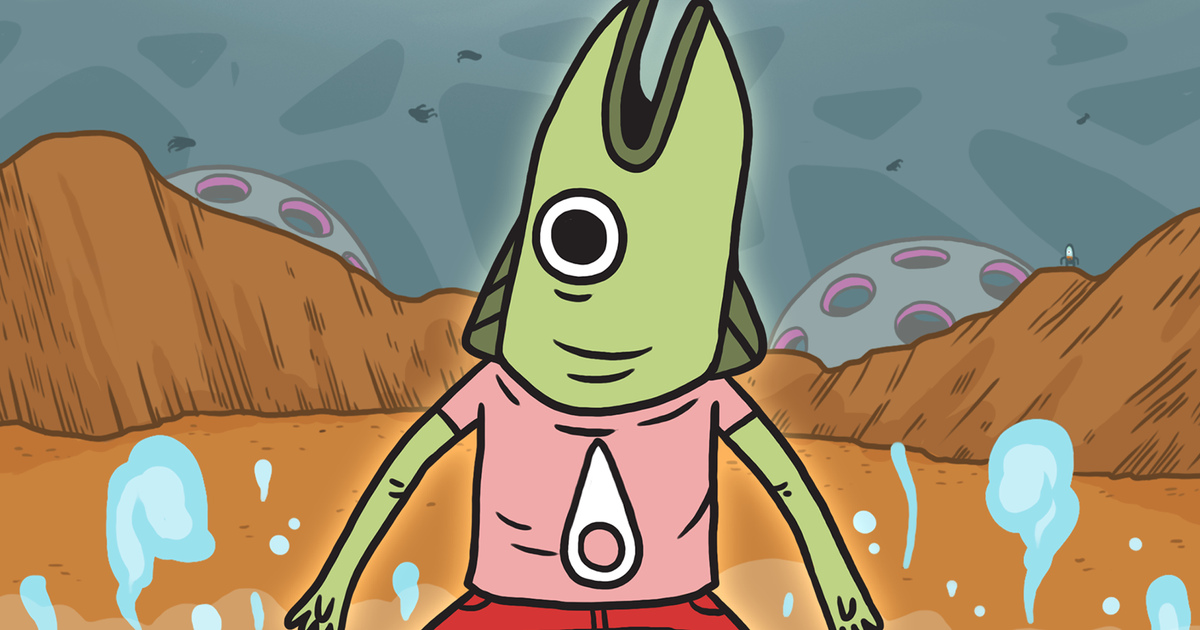
The creatures populating "Freak War" are anything but ordinary. They are the product of a whimsical, slightly unsettling imagination, rendered in Galbraith’s engaging cartoon style. These aren’t just generic monsters; they are characters with personality, each one a testament to the game’s playful spirit. The art is central to the game’s appeal, providing immediate character and charm. From a "muscly fishperson" that defies aquatic norms to a "time-travelling tiger" hinting at paradoxical adventures, and a "partying platypus" that undoubtedly knows how to have a good time, each card is a mini-narrative in itself. Other delightful oddities include a "dog with a goldfish bowl for a head," a "sad bee" (whose melancholy likely masks surprising power), and the hilariously mundane "Man Cat," who appears to be simply "a bloke in a cat costume." This roster of misfits ensures that every card drawn is a visual treat, injecting humor and individuality into the battlefield. The clean, Pokémon-inspired card layout, with clear attack values and ability descriptions, ensures that the unique artwork never compromises gameplay clarity.
The Second Sun’s Strange Creations: Diving into the Lore
The underlying lore of "Freak War" provides a compelling, if bizarre, explanation for these mutated marvels. The emergence of a "second sun" is cited as the catalyst for these transformations, altering familiar animals into their freakish counterparts. This simple yet evocative premise sets a tone of fantastical absurdity, inviting players to embrace the weirdness. It’s a world where the ordinary has been twisted into the extraordinary, offering a fertile ground for future expansions and narrative possibilities. This light lore adds depth without being overly burdensome, perfectly fitting the game’s party-game ethos.
Humor and Meta-Commentary: Beyond the Battle
"Freak War" isn’t afraid to inject humor and self-referential "meta" elements into its design. Modifier cards, while strategically important, also carry a playful tone. Beyond the aforementioned "Super Sword" and "Super Duper Sword," effects can include the power to "swap cards with a rival," "cancel a modifier," or "flip coins for the chance of a power boost." Some creature effects cleverly break the fourth wall, such as the "scrap-loving Fly Guy" who reportedly gains power if there’s uneaten food near the players. These elements elevate "Freak War" beyond a simple card game, positioning it as an interactive, humorous experience that fully embraces its identity as a party game. This knowing silliness is a significant part of its charm and differentiates it from more serious TCGs.
The Vision Behind the Cards: Nate Galbraith’s Design Philosophy
Nate Galbraith’s journey from cartoonist to game designer is marked by a clear intention: to create games that are inclusive, fun, and offer a refreshing alternative to established genres.

Bridging the Gap: TCGs for Everyone
One of Galbraith’s primary motivations appears to be democratizing the TCG experience. Traditional trading card games, while deeply rewarding for dedicated players, often present significant barriers to entry. These include:
- Complexity: Learning intricate rules, keywords, and card interactions can be daunting.
- Cost: Building a competitive deck often requires significant financial investment in booster packs and rare cards.
- Time Commitment: Mastering a TCG demands substantial time for practice, deck-tuning, and staying abreast of the meta-game.
"Freak War" consciously sidesteps these hurdles. By offering a game where deck-building is optional and the core rules are immediately graspable, Galbraith opens the door for casual players, families, and even younger audiences to enjoy the excitement of TCG-style battles. This approach broadens the appeal of card gaming, allowing more people to experience the joy of strategic play without the prerequisite of deep immersion. It’s a "pick up and play" philosophy applied to a genre often associated with "study and master."
Addressing the Party Game Stalemate
The article also touches upon a common sentiment among seasoned gamers: a weariness with the proliferation of "copy-paste or just downright gross party games (looking at you, double-offending Cards Against Humanity clones)." This highlights another facet of Galbraith’s vision – to offer a party game that is genuinely original, humorous, and broadly appealing without relying on shock value or crude humor.
"Freak War" strives to be a game that can be enjoyed by a wide demographic, from children to adults, without anyone feeling excluded or uncomfortable. Its humor is whimsical and clever, its art style inviting, and its gameplay engaging without being divisive. In a market saturated with games designed for niche audiences or relying on controversy, "Freak War" aims for universal fun, providing a much-needed alternative that prioritizes creativity and accessibility. The reviewer’s admission of being "charmed by Galbraith’s goofy creations and the sprinkling of chaotic take-that gameplay" underscores this success.
Kickstarter Triumph and Future Horizons
The journey of "Freak War" from concept to impending reality has been significantly bolstered by the enthusiastic support of the crowdfunding community, a testament to its unique appeal and perceived potential.
A Community’s Embrace: The Crowdfunding Journey
"Freak War" embarked on its crowdfunding campaign on Kickstarter with a modest goal of $10,000. The rapid success of the campaign, which quickly surpassed this target, speaks volumes about the immediate resonance of Galbraith’s vision. By securing funding well beyond its initial expectations, "Freak War" has demonstrated that there is a significant demand for innovative, accessible card games. This early success provides Sheltonshire Games with the resources to not only bring the base game to fruition but potentially also to explore stretch goals that could enhance the game with additional content, improved components, or even further expansions. The campaign’s momentum, running until June 13th, suggests continued growth and an expanding community eager to welcome this fresh take on card battles. The $20 price point per deck makes it an attractive, low-cost entry into a potentially expansive gaming system.
Implications for the Independent Gaming Scene
The success of "Freak War" on Kickstarter is a positive indicator for independent game developers. It shows that originality, a clear vision, and a commitment to player accessibility can capture the attention and financial support of the gaming public, even in a crowded market. It also highlights the power of a strong artistic identity and a compelling premise. For many creators, Kickstarter serves as a vital platform to bypass traditional publishing hurdles, allowing direct engagement with their audience and fostering a community around their projects from an early stage. "Freak War"’s journey exemplifies this modern path to game development.
What Lies Ahead for Sheltonshire Games and Freak War
With the crowdfunding campaign nearing its close and having secured its initial funding, the next major milestone for "Freak War" is its production and delivery. The game is currently expected to land with backers in June of the following year. This timeline allows for careful manufacturing and quality control, ensuring that the final product lives up to the expectations set by the engaging artwork and promising gameplay.
Looking ahead, the success of "Freak War" could pave the way for numerous possibilities. The rich world of mutated creatures and the modular nature of the gameplay (with different modes and optional deck-building) lend themselves well to future expansions. Sheltonshire Games could introduce new creature packs, new modifier types, or even entirely new game modes. The article tantalizingly mentions "a bunch of different packs filled with dozens more creatures from buff penguins to cute-looking snails," suggesting that Galbraith has a vast menagerie ready for future releases. This potential for ongoing content will be key to the game’s longevity and its ability to build a dedicated player base. The game’s inherent silliness and broad appeal make it an ideal candidate for regular updates and community engagement, fostering a vibrant ecosystem around the "Freak War" universe.
In conclusion, "Freak War" stands out as a cleverly designed card game that successfully bridges the gap between complex trading card games and lighthearted party games. By offering an accessible entry point to TCG mechanics, a vibrant and humorous artistic style, and flexible gameplay modes, Nate Galbraith and Sheltonshire Games have created a product that appeals to a broad audience. Its Kickstarter success underscores a clear demand for fresh, engaging, and genuinely fun experiences that can be shared among friends and family without a significant learning curve. As the game prepares for its official launch, "Freak War" promises to be a delightful addition to any game night, proving that sometimes, the most unexpected fusions create the most charming and chaotic fun.

Leave a Comment