
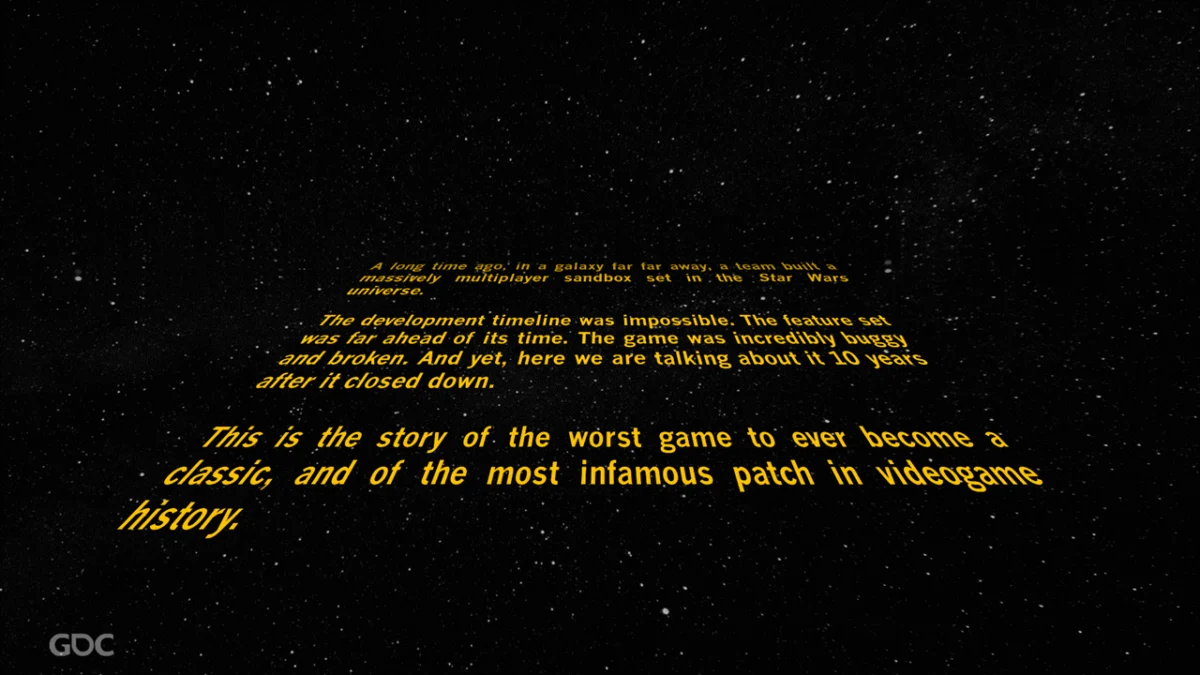
By [Your Name/Journalist Name] LAS VEGAS — In the rapidly evolving landscape of interactive entertainment, few voices carry as much weight as that of Raph Koster. The legendary designer behind genre-defining titles like Ultima Online and Star Wars Galaxies has, for decades, served as the industry’s unofficial philosopher-in-chief. This week, Koster
The $250 Million Subnautica Dispute: Delaware Court Hands Major Defeat to Krafton in Breach of Contract Ruling
By [Your Name/Senior Correspondent] March 18, 2026 In a landmark ruling that has sent shockwaves through the global video game industry, the Delaware Court of Chancery has ruled against the South Korean publishing giant Krafton in the first phase of a high-stakes legal battle. The dispute centers on a $250 million "earnout" agreement tied
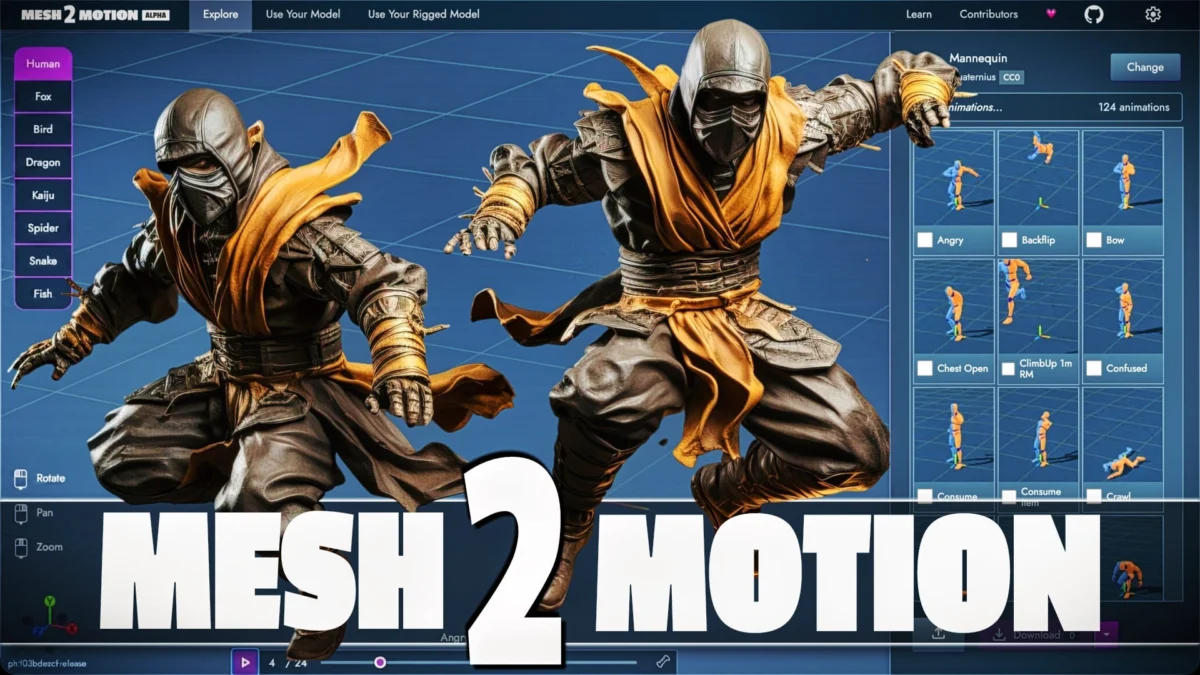
The Open-Source Revolution in 3D Animation: Mesh2Motion Challenges Industry Norms
In the rapidly evolving landscape of game development and 3D digital content creation, the barrier to entry has historically been highest in the realm of character animation. While tools like Blender and Unreal Engine have made modeling and rendering more accessible, the intricate process of rigging—the digital equivalent of creating a skeleton for
The $250 Million Betrayal: Inside the Legal Battle Between Krafton and the Creators of Subnautica
In the high-stakes world of international video game acquisitions, the relationship between a parent corporation and its subsidiary is often a delicate dance of creative autonomy and financial oversight. However, a recent ruling from the Delaware Court of Chancery suggests that the partnership between South Korean gaming giant Krafton and its acqui
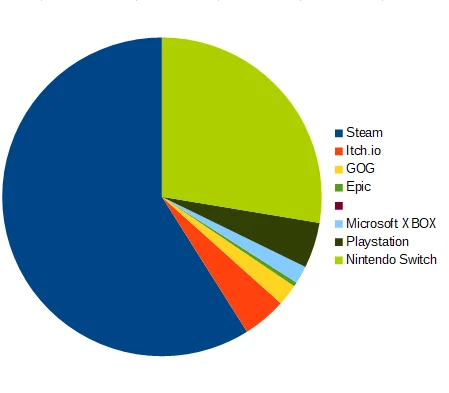
The Zero-Sale Paradox: Why 1.4 Billion Windows Users Ignored an Indie Hit
By [Your Name/Journalist Title] In the hyper-competitive landscape of digital game distribution, developers often measure success by conversion rates, click-throughs, and "wishlist" tallies. However, for Martin Nerurkar, the developer behind the critically acclaimed indie title Nowhere Prophet, a recent audit of platform performance revea
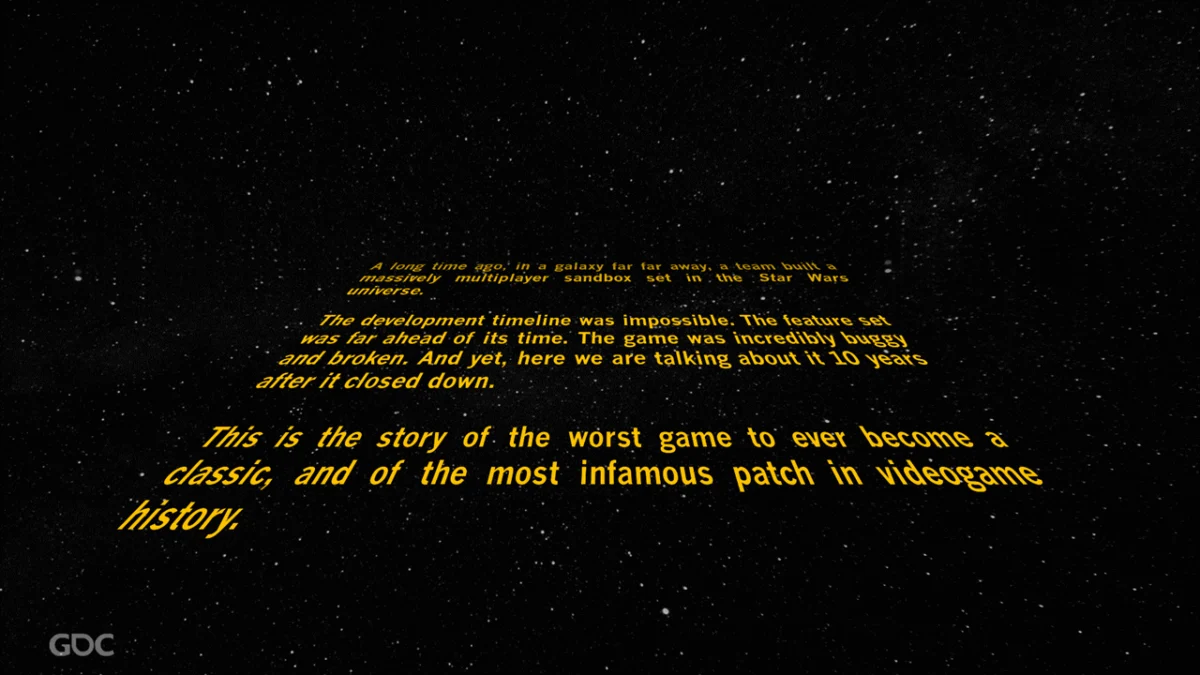
The Architect’s Archive: Raph Koster Curates Five Years of Game Design Wisdom
In the rapidly evolving landscape of digital entertainment, few voices carry as much weight as that of Raph Koster. A legendary figure in the realm of Massively Multiplayer Online (MMO) games, Koster—the lead designer of Ultima Online and the creative director of Star Wars Galaxies—has spent decades not just building worlds, but theorizing the very

The Invisible Squeeze: How Global Inflation is Redefining the Video Game Economy
The video game industry has long enjoyed a reputation for being "recession-proof." During the 2008 financial crisis, while other entertainment sectors withered, gaming thrived as a cost-effective "dollar-per-hour" value proposition. However, the economic landscape of the 2020s—defined by record-breaking inflation and a radical s
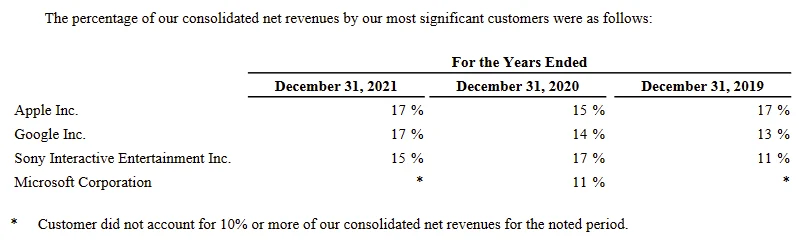
The Revenue Paradox: Analyzing Microsoft’s Strategic Gambit for Activision Blizzard
Executive Summary: The Hidden Financial Map of a Gaming Giant In the high-stakes landscape of global technology acquisitions, few deals have invited as much scrutiny or speculation as Microsoft’s proposed $68.7 billion acquisition of Activision Blizzard. While much of the public discourse has centered on the "Console Wars" and the potenti
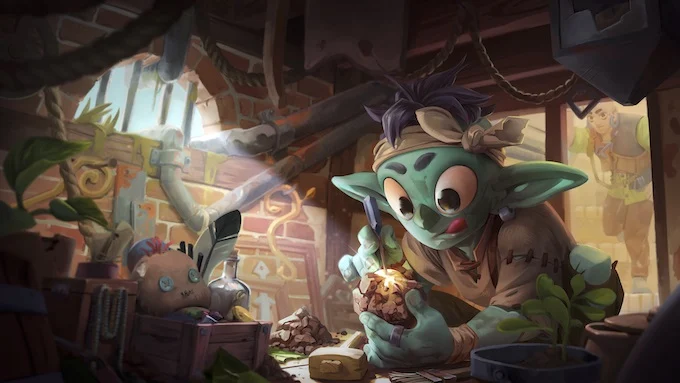
From Strategy to Stewardship: Nicholas Lovell’s Resilience and the Rise of ‘Trash Goblin’
The landscape of the independent gaming industry is often defined by its volatility, its creative bursts, and the intellectual heavyweights who navigate its business complexities. Few names carry as much weight in the realm of game monetization and strategy as Nicholas Lovell. As the founder of Gamesbrief and the author of seminal works like The [&
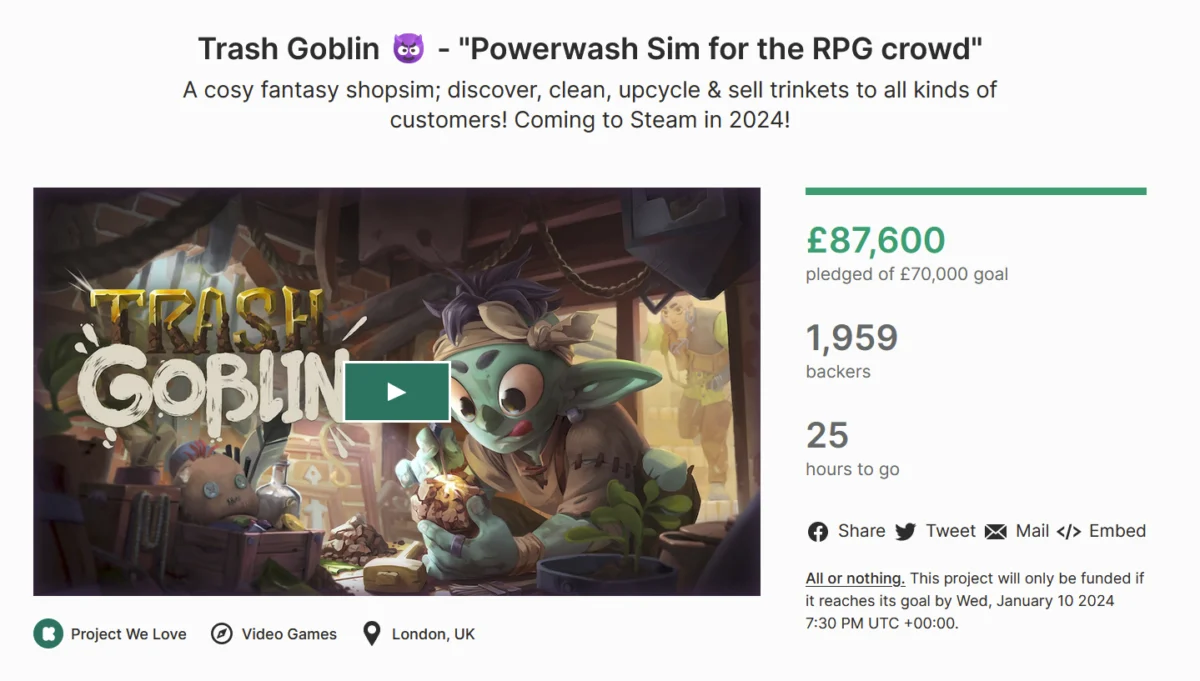
The Restoration of the Indie Spirit: Trash Goblin Surpasses Funding Goals as Crowdfunding Campaign Enters Final 24 Hours
In an era where the video game industry is often dominated by high-stakes blockbusters and live-service behemoths, a quieter, more tactile revolution is taking place in the "cosy gaming" sector. Leading this charge is Trash Goblin, a whimsical restoration simulator developed by Spilt Milk Studios. As of January 9, 2024, the project has of
