

Main Facts: The Catalyst of a Midlife Crisis On a quiet afternoon in coastal Georgia, writer Chuck Waters returned to his father’s property after a brief two-hour visit with his stepbrother. He expected to find his partner and the camper they shared—their primary residence—waiting for him. Instead, he found a void. His partner had vanished, [&helli

Breaking the Cycle: The Psychological Architecture of Emotional Detachment from Unhealed Parents
By Journalistic Staff The concept of "detachment" is often misunderstood as a cold withdrawal or a calculated act of indifference. However, as mindfulness teacher Sharon Salzberg famously noted, true detachment is grounded in an honest appraisal of reality. For millions of adults navigating relationships with "unhealed" parents—

The Quantified Heart: How the Optimization of Modern Dating is Eroding Human Connection
In a sun-drenched café on a Saturday afternoon, a scene unfolded that has become emblematic of the modern romantic condition. A woman sat across from a man who was sharing a vulnerable, self-deprecating story about getting lost on a hike. To any outside observer, it was a successful date—there was laughter, eye contact, and a […]

The High Cost of Hyper-Independence: Why the ‘Strong Friend’ is Often the Most At Risk
By Investigative Feature Staff The image of the "strong friend"—the one who has their life together, the one who listens without complaining, the one who fixes every crisis—has long been celebrated as a pinnacle of emotional maturity and resilience. However, psychological experts and personal narratives are increasingly revealing a darker

The "Hero" Complex: How Childhood Trauma and Overfunctioning Shape Adult Relationships
Main Facts: The Intersection of Trauma and Control In a clinical setting at a local urgent care facility, a seemingly routine medical emergency served as the backdrop for a profound psychological revelation regarding the "Hero" persona—a behavioral pattern characterized by overfunctioning and an obsessive need to protect loved ones. The i

The Radical Act of Stillness: Why Modern Society is Reclaiming the Right to Do Nothing
In an era defined by the "always-on" digital economy and the relentless pursuit of optimization, a quiet counter-movement is beginning to take root. It is a movement that eschews the traditional metrics of success—output, efficiency, and growth—in favor of something far more elusive: purposeless stillness. What began as a personal experim

The ‘Refresh’ Trap: How Digital Uncertainty is Redefining Professional Anxiety
By [Your Name/Journalist Name] In the quiet hours of the late evening, the soft blue glow of a laptop screen often serves as the final frontier of the modern workday. For many professionals, however, the act of closing that laptop has become a psychological hurdle rather than a simple conclusion. What was once defined as […]
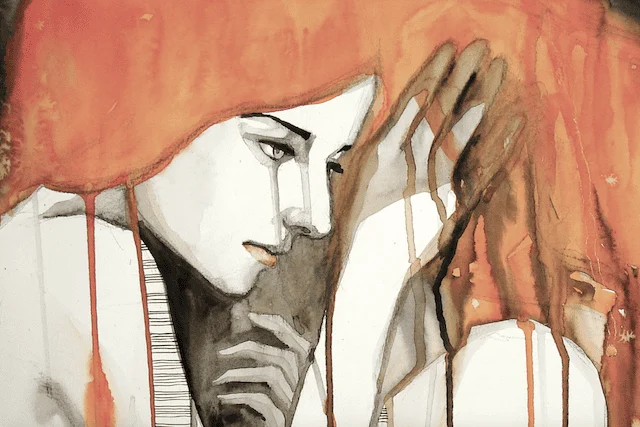
The Architecture of Anxiety: Understanding Emotional Hyper-Vigilance and the Myth of Empathy
By [Your Name/Journalist Name] In the modern landscape of interpersonal communication, a missing punctuation mark or a three-minute delay in a text response can, for some, trigger a psychological "code red." What is often dismissed as "overthinking" or "being sensitive" is increasingly recognized by mental health profe

Beyond the “Good Enough” Trap: How Chris Sund Redefined Success Through Sobriety and Loss
The journey from professional adequacy to personal excellence is often obstructed not by failure, but by the comfort of a "good" life. Chris Sund, a corporate executive and author, reveals how a temporary health challenge and a family tragedy forced a reckoning with the "comfortable lies" of mid-life complacency. Main Facts: The

The Architecture of Quiet Disconnection: Why ‘Nothing is Wrong’ is Often the Hardest Reason to Leave
In the landscape of modern relationships and career trajectories, society has a well-defined vocabulary for catastrophe. We understand the mechanics of departure when fueled by betrayal, financial ruin, or irreconcilable conflict. These are the "visible fires" that provide both the reason and the social permission to walk away. However, a
