

OHIO — "What stands in the way becomes the way." This ancient Stoic maxim, attributed to the Roman Emperor Marcus Aurelius, has become the foundational blueprint for Bill Webster. For Webster, a lifelong "fixer" from Ohio, the obstacles were not merely metaphorical. They were physical, neurological, and structural. After survivi
The Invisible Scars: How Neuroscience and Expressive Writing are Redefining Recovery from Emotional Abuse
By Staff Reporter The journey from victimhood to survival is often depicted as a linear path of "moving on." However, for millions of survivors of psychological and narcissistic abuse, the reality is far more complex, governed by the intricate biology of the human nervous system rather than mere willpower. Christina Ditchkofsky, a Registe
The Hidden Burden of the "Strong Friend": Breaking the Cycle of Hyper-Independence
In a society that frequently equates self-sufficiency with success, a growing mental health phenomenon is coming to light: the "Strong Friend Syndrome." While the world celebrates those who appear unflappable, reliable, and perpetually capable, experts and individuals alike are beginning to document the staggering emotional cost of being

The Architecture of the ‘Hero’ Persona: How Childhood Trauma Shapes Adult Overfunctioning
By [Journalist Name/Staff Writer] In a nondescript urgent care waiting room, a scene unfolded that serves as a poignant case study in the complexities of relational psychology and the enduring shadows of childhood trauma. What began as a routine Sunday ended with a man’s face "morphed into a puffy cartoon version of itself" and a [&hellip

The Architecture of Uncertainty: Navigating the Psychological Trap of Digital Over-Checking
Main Facts: The Rise of "Pseudo-Productive" Anxiety In an era defined by real-time analytics and instant digital feedback, a new psychological phenomenon is emerging among professionals: the compulsive "checking loop." As remote work and digital entrepreneurship blur the lines between activity and achievement, individuals are in
The Architecture of Anxiety: Understanding Emotional Hyper-vigilance and the Path to Autonomy
“Don’t take anything personally. Nothing others do is because of you.” — Don Miguel Ruiz In the landscape of modern interpersonal dynamics, there exists a subtle but pervasive phenomenon known as emotional hyper-vigilance. For many, the simple act of entering a room triggers an instinctive, subconscious scan of the "emotional temperature."
The Architecture of Resilience: How Trap Gambino Rebuilt a Life Amidst Chaos and Grief
LAS VEGAS — In the modern self-help landscape, transformation is often marketed as a linear journey fueled by pristine "meal-prep containers," optimized sleep schedules, and the luxury of emotional clarity. However, for Las Vegas entrepreneur and speaker Trap Gambino, the reality of reclamation was far more abrasive. At his heaviest, Gamb
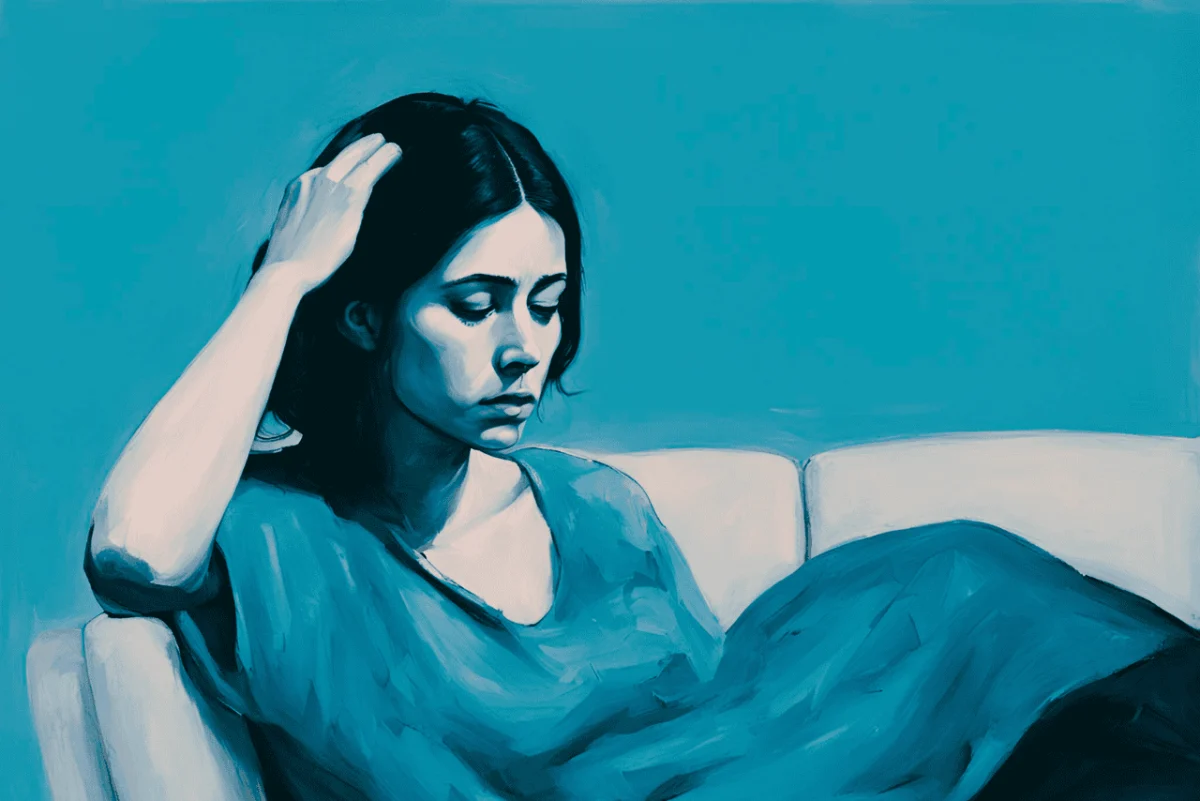
The Quiet Crisis of "Underliving": When a Life That Looks Right Feels Wrong
The mirror reflects a woman who, by all societal standards, has "arrived." At twenty-eight, Gina Maier Vincent stood on the precipice of a milestone that modern culture celebrates as a pinnacle of personal success: a wedding. The invitations were sent, the logistics were finalized, and the momentum of a shared future was accelerating. Yet

The Architecture of Silence: A Counselor’s Journey Through Domestic Violence and the Path to Reclaming the Self
By Investigative Feature Staff The statistics surrounding intimate partner violence (IPV) are often presented as cold, clinical data points. According to the Centers for Disease Control and Prevention (CDC), approximately one in four women and one in ten men will experience sexual violence, physical violence, or stalking by an intimate partner duri
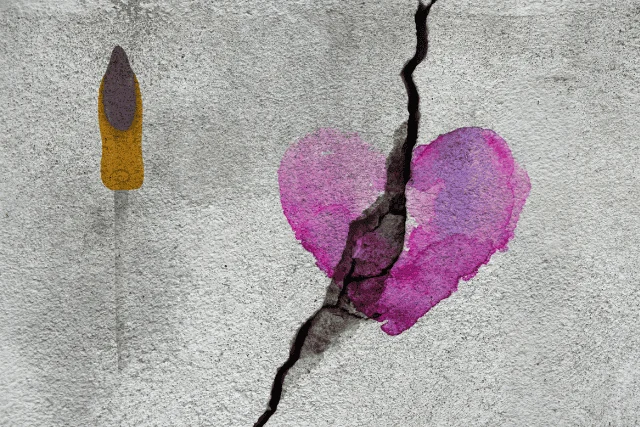
The Architecture of Erosion: Analyzing the 11-Year Decline and Eventual Dissolution of a Modern Marriage
Main Facts: The Silent End of a Decade-Long Union On the eve of a final court hearing in Bangalore, India, a tech professional identified as P.V. has come forward to detail the systemic collapse of her eleven-year marriage. Her account, which has resonated with thousands globally, highlights a growing sociological phenomenon: the "slow erosion
