

The most dangerous place for a person to be is not at rock bottom, but in the middle. In the realm of "fine," where bills are paid, health is passable, and relationships are stable, a subtle stagnation often takes root. This phenomenon, frequently termed the "Comfort Trap," suggests that when life is genuinely good, the [&hellip

The Invisible Crisis of ‘Not Wrong’: Navigating the Psychology of Quiet Disconnection in Modern Life
In a culture that prioritizes visible success and measurable milestones, a growing psychological phenomenon is emerging among high-functioning individuals: the "invisible crisis." This state occurs when a person’s life appears perfect on the outside—stable relationships, promising careers, and social approval—yet feels profoundly hollow o

The Banyan Tree Remedy: How Nature and External Stewardship Reshape the Path to Mental Wellness
By [Your Name/Agency] In an era where clinical anxiety and panic disorders are reaching record highs among young adults, the story of Dr. Daniel H. Shapiro offers a profound case study in the intersection of ecotherapy and psychological resilience. What began as a debilitating struggle with panic attacks in the streets of Philadelphia eventually fo

From Emotional Overwhelm to Clinical Expertise: How Dialectical Behavior Therapy is Redefining Emotional Sensitivity
Executive Summary: The Evolution of Emotional Regulation In contemporary mental health discourse, the "highly sensitive person" (HSP) has transitioned from a fringe personality descriptor to a central focus of clinical study. A growing body of psychological research suggests that emotional sensitivity, once stigmatized as a lack of self-c

The Architecture of Displaced Emotion: Navigating the Intersection of Grief and Transition
Introduction: The Invisible Weight of Transition In the modern professional landscape, relocation is often framed as a celebratory milestone—a promotion, a fresh start, or a strategic career move. However, beneath the surface of professional advancement lies a complex psychological phenomenon known as emotional displacement. A recent case study inv

The Paradox of the ‘Healed’ Heart: Why Self-Optimization Cannot Guarantee Romantic Success
In the modern era of wellness culture, a pervasive narrative has taken hold: if you do the "inner work," you will eventually manifest the perfect partner. This philosophy suggests that romantic failure is merely a symptom of unaddressed trauma, and that by "fixing the soil" of one’s psyche, a healthy relationship is an inevitabl

The Architecture of the In-Between: Navigating the Silent Shift from High Ambition to Existential Rest
Introduction: The Butterfly’s Chrysalis and the Crisis of Purpose “We delight in the beauty of the butterfly but rarely admit the changes it has gone through to achieve that beauty.” This observation by Maya Angelou serves as the foundational ethos for a growing psychological phenomenon: the "liminal season." It is a period where the trad

The Quantification of Connection: Why Over-Optimizing Romance is Killing Modern Intimacy
In an era defined by Big Data and algorithmic efficiency, the human heart has become the latest frontier for optimization. From sleep cycles to caloric intake, the modern individual is conditioned to believe that if a metric can be measured, it can be improved. However, a growing movement of relationship experts and disillusioned daters are [&helli
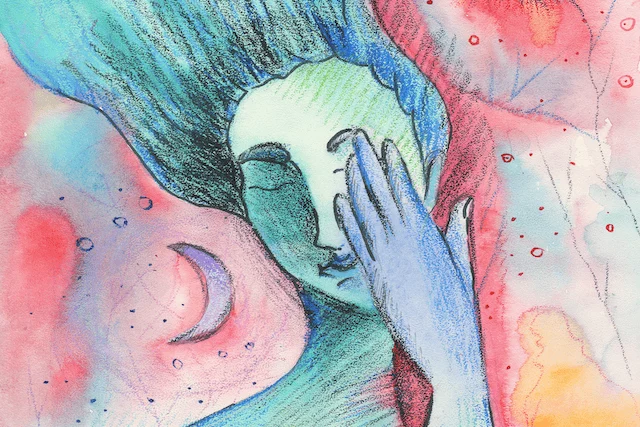
The Paradox of Peace: When Self-Care Becomes a Shield for Avoidance
In the modern lexicon of mental health and wellness, few phrases have achieved the ubiquity of “protecting your peace.” It is a mantra found on gold-foiled journals, etched into the captions of serene Instagram posts, and echoed by influencers as a non-negotiable tenet of self-preservation. However, a growing body of psychological observation and p

The Radical Act of Doing Nothing: Why Modern Society is Reclaiming the Right to Rest
By [Your Publication Name] Staff In an era defined by relentless connectivity and the glorification of "hustle culture," a growing movement of psychologists, neuroscientists, and wellness advocates is sounding the alarm on a silent crisis: the disappearance of purposeless rest. As the boundaries between professional obligations and person
