
Chroma Clay: A New Era for Stop-Motion Animation as UK-Made Plasticine Fills the Newplast Void
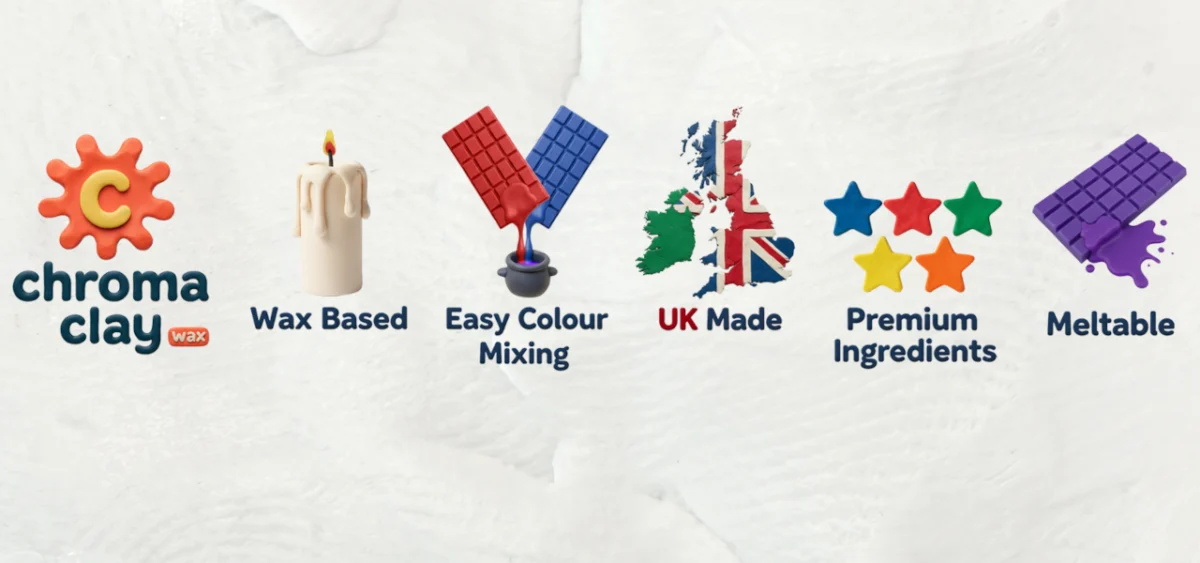
London, UK – May 14, 2026 – The vibrant world of stop-motion animation is poised for a significant evolution with the launch of Chroma Clay, a meticulously crafted plasticine developed in the United Kingdom. This innovative material emerges as a direct response to the lamented closure of the Newplast factory, a pivotal moment that left countless animators and studios facing a critical shortage of their preferred modeling medium. Animation Supplies, a long-standing purveyor to the animation industry, has stepped in to fill this void, introducing a product designed to meet and exceed the exacting demands of contemporary stop-motion production.
The disappearance of Newplast, a brand synonymous with quality and reliability in stop-motion for decades, sent ripples of concern throughout the animation community. Its clay was a trusted companion for both independent artists and major studios, most notably the revered Aardman Animations. Reports in publications like The Telegraph initially stoked fears of widespread shortages, prompting a swift clarification from Aardman, which reassured the industry that its own production pipelines would not be immediately impacted. However, the underlying issue of finding a suitable, consistent, and readily available alternative remained a pressing concern for the broader stop-motion ecosystem.
The Genesis of Chroma Clay: A Response to Industry Need
The inception of Chroma Clay was not a sudden decision but a calculated response to a clear and present need within the animation industry. Andy Simmons, the founder of Animation Supplies, articulated the driving force behind the project, highlighting the company’s deep-seated understanding of the challenges faced by animators.
"Having supplied the animation industry with Newplast for as long as I can remember, we were shocked and saddened by the closure of their factory," Simmons stated. "Having tested all the other options available and finding that none were suitable for the demands of stop motion, we set about developing our own product. It’s been a labor of love for the last couple of years, but the effort has paid off, and we are extremely pleased with the result."
This sentiment underscores a commitment to preserving the integrity and accessibility of stop-motion animation. The extensive testing of existing alternatives revealed a significant gap in the market. Many clays, while perhaps suitable for general sculpting, lacked the specific properties required for the repetitive, demanding nature of stop-motion work. These properties include consistent texture, precise sculptability, and the ability to withstand the environmental conditions of a studio, such as varying temperatures and prolonged manipulation, without degrading or becoming unmanageable.
Development and Key Features: A Blend of Tradition and Innovation
Chroma Clay’s development was a collaborative effort, involving direct input from professional animators and established studios. This hands-on approach ensured that the final product addressed the practical realities of stop-motion workflows. The core objective was to strike an optimal balance between the fine detail work required for character articulation and the inherent durability needed to maintain form over extended shooting schedules.
The material is engineered to be soft enough for intricate sculpting, allowing animators to achieve subtle expressions and delicate features. Simultaneously, it possesses a firmness that prevents deformation under studio lights or during repeated handling, a crucial factor in maintaining visual continuity across thousands of frames.
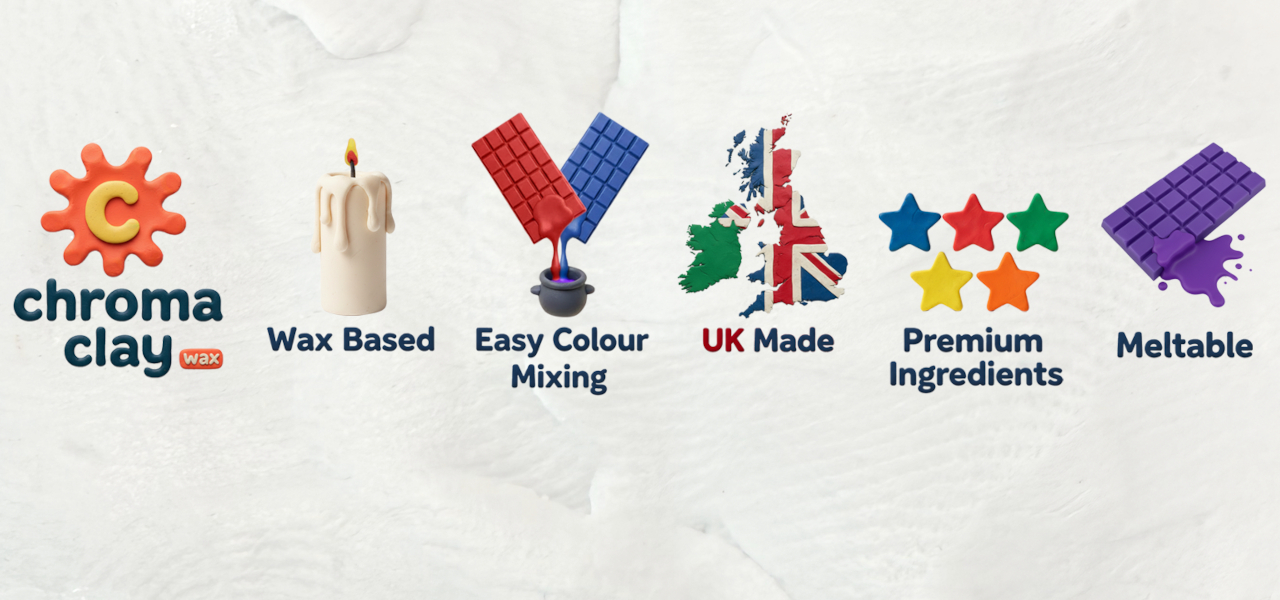
A significant departure from the traditional oil-based formulations of Newplast, Chroma Clay utilizes a wax-based formula. This innovation unlocks a new level of flexibility for animators. The wax-based composition allows the clay to be melted, enabling seamless color mixing for custom palettes and facilitating more complex mold-making techniques. This opens up exciting possibilities for character design, environmental detailing, and the creation of unique visual effects, potentially pushing the creative boundaries of stop-motion.
The Newplast Legacy and the Quest for Alternatives
The closure of the Newplast factory in late 2025 marked the end of an era for many in the stop-motion animation world. For decades, Newplast had been the go-to modeling clay, celebrated for its consistent quality, vibrant colors, and predictable behavior. Its presence was so ingrained in the industry that its absence created an immediate and palpable void.
The initial reports of potential shortages, while later nuanced by Aardman’s statement, highlighted the industry’s reliance on this specific material. The concern was not just about the availability of any clay, but the availability of a clay that met the high standards set by Newplast. Stop-motion animation is a painstaking process where the subtle nuances of texture, color, and form are paramount. A material that behaves erratically, crumbles easily, or doesn’t hold detail can significantly impede production and compromise the final artistic vision.
Aardman Animations, a global leader in stop-motion film production, relies heavily on the consistent quality of its modeling materials. While the studio confirmed it had existing stock and contingency plans, their acknowledgment of the situation underscored the broader industry’s vulnerability. The closure of a major supplier like Newplast inevitably prompts a re-evaluation of supply chains and material sourcing for all practitioners in the field.
Industry Reactions and the Path Forward
The introduction of Chroma Clay has been met with cautious optimism and keen interest from the stop-motion community. Early feedback from animators who have had the opportunity to test the new material suggests that it holds significant promise.
.png)
"We’ve been eagerly anticipating a viable alternative to Newplast, and from our initial tests, Chroma Clay seems to be exactly what we’ve been looking for," commented one independent stop-motion animator who requested anonymity pending wider studio trials. "The ability to melt and mix colors is a game-changer, and the way it holds detail is truly impressive. It feels like a worthy successor."
The collaborative development process, involving direct input from professionals, has been a key factor in building trust and confidence in Chroma Clay. This approach ensures that the product is not merely a theoretical creation but a practical solution tailored to the real-world needs of animators.
Implications for the Future of Stop-Motion Animation
The arrival of Chroma Clay is more than just the introduction of a new product; it signifies a potential renaissance for stop-motion animation. By addressing the critical material shortage, Chroma Clay helps to secure the future of this beloved art form, enabling both established studios and emerging artists to continue their creative endeavors without the looming threat of material scarcity.
The wax-based formulation, in particular, offers exciting new avenues for artistic expression. The ability to melt and mix colors provides animators with a more versatile palette and opens up possibilities for sophisticated visual effects that were previously more challenging to achieve with traditional plasticine. This could lead to more visually diverse and technically advanced stop-motion productions in the years to come.
Furthermore, the fact that Chroma Clay is manufactured in the UK strengthens the domestic supply chain for animation materials, potentially reducing reliance on international shipping and its associated costs and environmental impact. This local production also fosters a closer relationship between the manufacturer and the end-users, allowing for continuous feedback and product refinement.
As the stop-motion industry navigates this new landscape, Chroma Clay stands as a testament to innovation and resilience. It represents a proactive solution to a significant challenge, ensuring that the magic of bringing inanimate objects to life through frame-by-frame manipulation can continue to captivate audiences for generations to come. The legacy of Newplast may be drawing to a close, but the story of stop-motion animation, now with a vibrant new palette, is far from over.




Leave a Comment