
City of Six Moons: A Cryptic Conundrum Redefines Board Game Rules with an Alien Language
FOR IMMEDIATE RELEASE
[City, State] – [Date, e.g., October 26, 2023] – The world of board gaming is about to witness an unprecedented experiment in design and player engagement with the upcoming release of City of Six Moons. This single-player title, from the renowned independent publisher Hollandspiele and visionary designer Amabel Holland, is poised to challenge conventions by presenting its entire rulebook in an alien language composed of symbols and glyphs, leaving players to decipher its secrets without any official guidance. The designer herself has declared she will refuse to answer any rules questions, pushing players into an immersive and profoundly uncertain journey of discovery.
The audacious premise posits City of Six Moons not merely as a game about an alien civilization, but as an artifact from one. Players will not only guide the fortunes of an extraterrestrial society but must first overcome the fundamental barrier of language, attempting to translate the game’s operating instructions from a completely foreign lexicon. What makes this challenge truly unique, and perhaps unsettling, is the designer’s explicit statement that players may never definitively know if their translation is perfectly correct, introducing an inherent ambiguity that permeates the entire experience. This innovative approach promises a gaming experience that transcends traditional play, transforming it into an exercise in xenolinguistics, cultural anthropology, and philosophical interpretation.
The Core Concept: Decoding an Alien Civilization
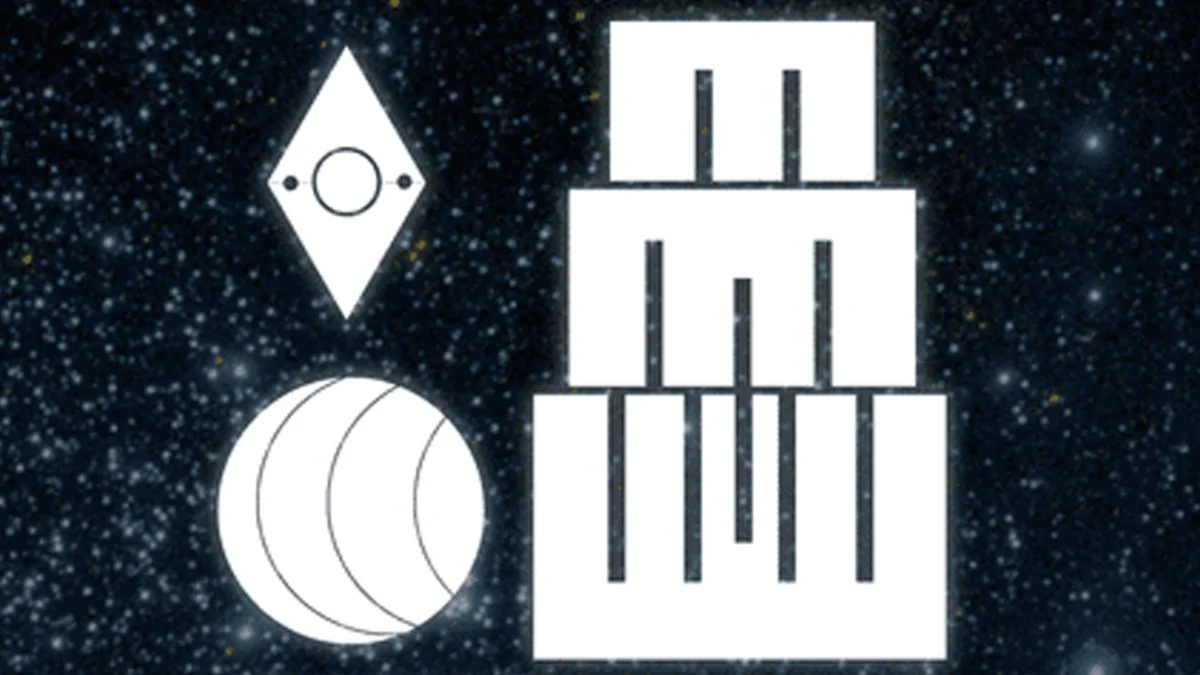
At its heart, City of Six Moons is an intellectual and cultural puzzle cloaked within the framework of a board game. The central challenge lies not on the game board itself, but within the accompanying rulebook—a document entirely rendered in an unknown, iconic script.
A Radical Approach to Rulebooks
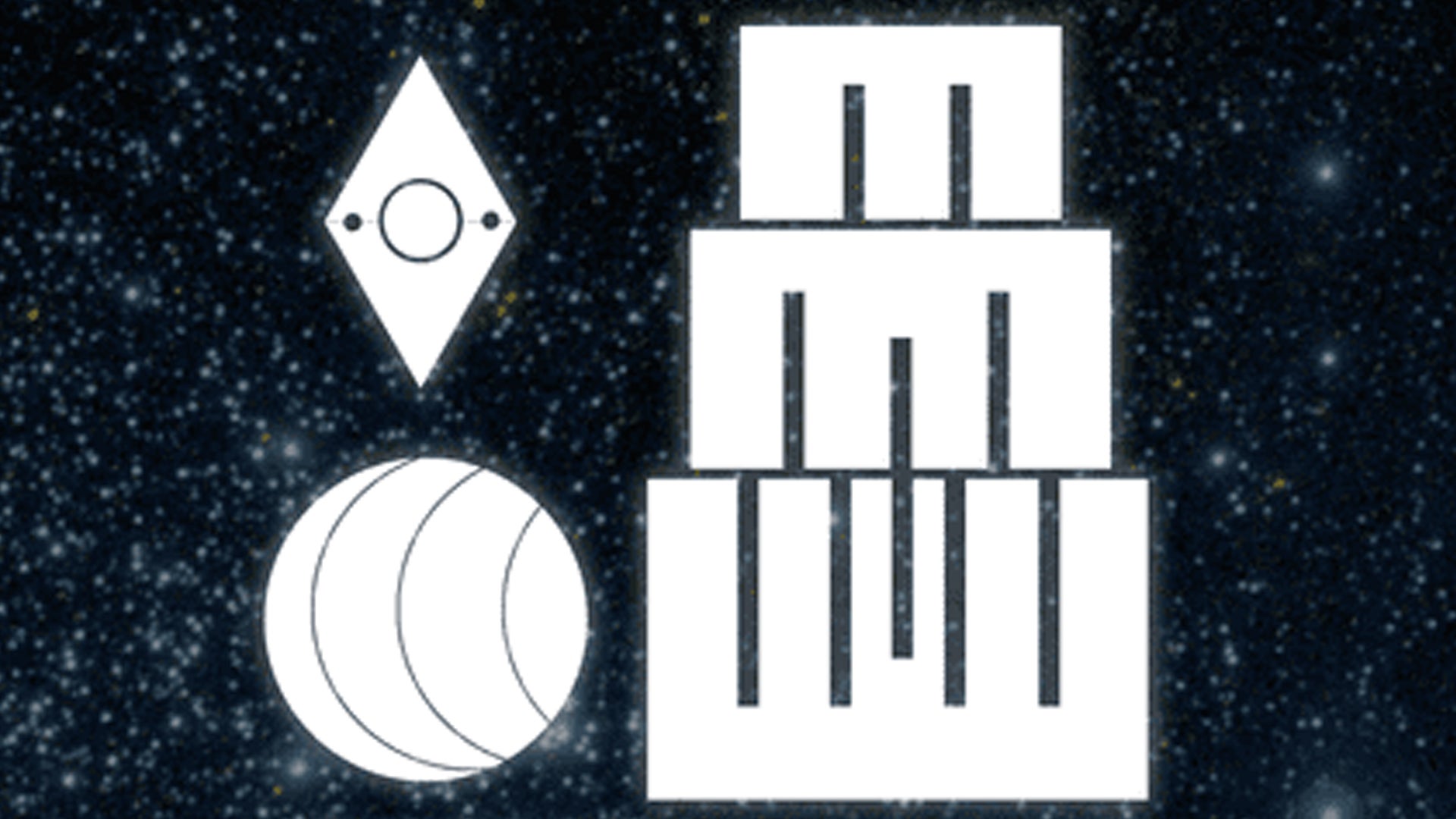
Gone are the days of dense paragraphs of English text or universal symbols. Instead, players will be confronted with a visual tapestry of unique icons, abstract glyphs, and unfamiliar symbols. This isn’t a mere code-breaking exercise in the traditional sense; it’s an invitation to engage with an entirely new system of communication. To unlock the secrets of gameplay, individuals must delve into the realm of semiotics, pattern recognition, and deductive reasoning, drawing upon their own existing cultural assumptions while simultaneously acknowledging and adapting to the vastly different cultural context implied by the alien creators. The very act of interpretation becomes a core mechanic, blurring the lines between setup, learning, and actual gameplay.
The Designer’s Vision: A Game As an Artifact
Amabel Holland’s vision for City of Six Moons extends far beyond conventional game design. She describes the title as being both a game about guiding an alien civilization and, crucially, a game designed as if it actually were made by an alien civilization in real life. This distinction is paramount. It elevates the game from a narrative simulation to an experiential art piece, an archaeological find for the modern gamer. By presenting the rules as an alien artifact, Holland compels players to interact with the game on a meta-level, requiring them to adopt the mindset of an explorer encountering an unknown culture’s instructional manual. This approach transforms the learning process into an integral part of the game’s thematic immersion, forcing players to grapple with the same linguistic and cultural barriers that might face a real-life xenolinguist.
The Unanswered Questions: A Deliberate Ambiguity
Perhaps the most provocative aspect of City of Six Moons is Holland’s unwavering commitment to non-intervention. She has firmly stated her refusal to answer any questions regarding the game’s rules. This deliberate absence of an authoritative interpreter means that players are left entirely to their own devices, fostering a profound sense of individual responsibility for understanding. This decision, as noted by BoardGameGeek, is not an oversight but a fundamental feature of the design. It ensures that the ambiguity remains central to the experience, preventing players from ever achieving perfect certainty. The struggle for interpretation, the debate among potential players, and the acceptance of an incomplete understanding are all intended elements of the game’s unique appeal.
A Chronology of Anticipation and Innovation
While the specific developmental timeline of City of Six Moons has largely remained shrouded in the mystery befitting its theme, its impending release marks the culmination of a bold creative endeavor within the board gaming community.
From Concept to Creation: Hollandspiele’s Distinctive Path
Hollandspiele, co-owned by Amabel Holland and Mary Holland, has carved out a distinct niche in the board game publishing landscape. Known for its dedication to unconventional, often historically rich or thematically intricate designs, the publisher has consistently challenged mainstream gaming trends. Their catalog frequently features titles that prioritize depth, intellectual engagement, and unique mechanics over mass appeal. It is within this fertile ground of innovative design that the concept for City of Six Moons likely took root. The idea of a game whose rulebook is an untranslated alien text aligns perfectly with Hollandspiele’s ethos of pushing boundaries and offering experiences that demand more from the player than simple adherence to instructions. The genesis of such a concept would have involved a deep commitment to the artistic statement, understanding that this design would appeal to a specific segment of the gaming audience hungry for novel intellectual challenges.
The Quiet Revelation: Building Intrigue
In an industry often characterized by elaborate marketing campaigns and extensive previews, the unveiling of City of Six Moons has maintained a more understated, yet equally intriguing, presence. Details have emerged gradually, primarily through designer statements and industry watchdogs like BoardGameGeek. This measured approach to revelation is fitting for a game built on mystery and discovery. Rather than bombarding potential players with detailed gameplay mechanics, the focus has been on the audacious core concept: the untranslatable rulebook. This strategy has likely cultivated a unique sense of anticipation among a dedicated audience, appealing to those who relish intellectual puzzles and avant-garde gaming experiences. The initial glimpses of the game, such as the evocative cover artwork, have served as tantalizing breadcrumbs, inviting speculation and discussion without revealing concrete gameplay specifics.
The Road to Release: A Culmination of Creative Daring
As City of Six Moons gears up for its release next month, it represents a significant moment for Hollandspiele and for board game design in general. It is not merely the launch of a new product but the introduction of a paradigm-shifting experience. The journey from conceptualization to a physical product, especially one with such a radical premise, would have involved meticulous attention to detail in crafting the alien language, designing components that complement this ambiguity, and ensuring the underlying game structure is sound, even if its rules are initially opaque. The impending release is a testament to Amabel Holland’s artistic courage and Hollandspiele’s commitment to delivering truly unique interactive experiences, daring players to embark on a journey where the rules of engagement are themselves the first, and perhaps most profound, puzzle to solve.
Supporting Data: Delving into the Design Philosophy and Player Experience
The innovative nature of City of Six Moons warrants a deeper examination of its design philosophy and the multifaceted experience it promises for players. This isn’t just a game; it’s a profound engagement with the very nature of understanding.
The Art of Xenolinguistics: An Intellectual Gauntlet
For players, City of Six Moons will demand an unprecedented level of intellectual engagement. It transforms the act of learning a game into a full-fledged xenolinguistic exercise. Players are tasked with becoming amateur linguists, cultural anthropologists, and cryptographers all at once. The process will involve painstaking observation of patterns, hypothesis formation based on the context of game components (which presumably will also be devoid of conventional language or marked in the same alien script), and iterative testing of those hypotheses through play. This goes beyond simple deduction; it requires an imaginative leap into an alien mindset, attempting to discern the logic and cultural underpinnings that would dictate such a rule system. It’s a challenge that taps into humanity’s innate curiosity about the unknown and our drive to decipher meaning from ambiguity. The reward isn’t just winning the game, but the profound satisfaction of potentially cracking an alien code.
Hollandspiele’s Legacy of Innovation: Contextualizing the Bold Move
Hollandspiele has consistently positioned itself at the vanguard of experimental board game design. Their catalog, which often includes complex wargames, historical simulations, and highly thematic euro-style games, caters to a discerning audience that values depth, originality, and intellectual rigor. Titles from Hollandspiele frequently feature unique mechanics, intricate decision spaces, and themes that challenge conventional perspectives. City of Six Moons can be seen as the apotheosis of this design philosophy, pushing the boundaries of what a "rulebook" can be and daring players to engage with a game on an entirely new cognitive level. This release solidifies Hollandspiele’s reputation as a publisher unafraid to champion bold, artistic visions, even if they appeal to a more niche, dedicated segment of the gaming community. Their commitment to such an unconventional project underscores a belief in the artistic potential of board games beyond mere entertainment.
The Solitary Voyage: An Introspective Journey
The decision to make City of Six Moons a single-player experience is crucial to its thematic and mechanical integrity. A solitary player is entirely responsible for their own interpretation and progress. This isolation enhances the feeling of being an explorer, a lone decipherer on a strange world. There’s no one to immediately turn to for clarification, no consensus to rely on, at least not initially. This fosters a deeply introspective journey, where personal conviction and intellectual fortitude are paramount. The successes and failures in decoding the rules become intensely personal achievements or frustrations, directly tying the player’s cognitive struggle to the thematic narrative of understanding an alien civilization alone.
The Psychological Landscape of Play: Frustration, Insight, and Ambiguity
The player experience for City of Six Moons is likely to be a complex emotional and intellectual roller coaster. Initial frustration will undoubtedly be a common reaction as players grapple with the seemingly impenetrable rulebook. However, this frustration is designed to give way to moments of profound insight, "aha!" moments when a glyph’s meaning or a symbol’s function clicks into place. Yet, the persistent ambiguity—the never-ending question of whether one’s interpretation is truly correct—will remain a constant companion. This acceptance of imperfect understanding is a key psychological element Holland aims to evoke. It challenges the human desire for certainty and encourages players to embrace a more nuanced, interpretive relationship with the game. It’s a game that teaches humility in the face of the unknown.
Components and Clues: A Deeper Layer of Mystery
While specific game pieces remain undescribed, it is logical to assume that the components of City of Six Moons will either be entirely devoid of language or marked in the same cryptic alien script as the rulebook. This consistency would ensure that every element of the game reinforces the central puzzle. Players will likely need to scrutinize these components for visual cues, thematic implications, and potential correlations with the symbols in the rulebook. The game’s cover artwork, for instance, featuring the evocative "city-of-six-moons-board-game-artwork.jpg," is a prime candidate for offering the very first clues to decoding the iconographic language. Such visual elements might serve as a Rosetta Stone, providing contextual hints for the meaning of certain glyphs or the overall thematic direction of the alien civilization.
Replayability and Revelation: The Intentional "Loss"
Amabel Holland’s statement on Bluesky provides a critical insight into the game’s long-term experience: City of Six Moons will be a "functional, replayable game" for those who successfully figure out its rules (or enough to play). However, she explicitly states that deciphering the code is a "key part of the package," implying that players might find it a "lesser" experience after they know its secrets. This concept of an intended "loss" is central to Holland’s design philosophy. "That loss is a thing I want you to feel; I want it to linger," she affirmed. This suggests a meta-game experience where the initial struggle and the subsequent revelation fundamentally alter the nature of the game itself. Once the language is understood, the game transforms from a linguistic puzzle into a strategic challenge, but the unique, profound mystery of the initial deciphering process is gone forever. This intentional ephemeral quality of the initial experience makes the journey of discovery as valuable, if not more so, than the destination of gameplay.
Official Stances and Designer’s Directives
The official position regarding City of Six Moons is as unconventional as the game itself, with the designer taking a deliberate step back from traditional support roles to enhance the core experience.
The Designer as Oracle (or Absence Thereof): A Feature, Not a Bug
Amabel Holland’s refusal to answer any rules questions is not a lack of support but a core design choice. In most games, designers and publishers strive to provide clear, unambiguous rules and offer avenues for clarification. For City of Six Moons, the ambiguity is the game. This stance transforms the designer from an authoritative source into a distant, perhaps even alien, creator whose work must be understood on its own terms. It’s a powerful statement about authorial intent and player autonomy. This absence of a "developer FAQ" or "official errata" forces players to rely entirely on their own interpretive abilities and potentially, the collaborative efforts of the nascent player community. It underscores the game’s theme of encountering an entirely foreign intelligence without a translator.
Blueprint for an Evolving Experience: The Bluesky Clarification
Holland’s post on Bluesky serves as a crucial "official response" that clarifies the nature of the game while simultaneously reinforcing its unique challenges. By confirming that City of Six Moons is a "functional, replayable game" once its rules are deciphered, she assures players that their efforts will lead to a tangible, playable experience. However, her subsequent remark about the potential "loss" of experience once the code is cracked, and her desire for players to "feel" and "linger" in that loss, is a profound piece of designer’s directive. This statement is not just a clarification; it’s a guide to the emotional and intellectual arc Holland intends for her players. It tells them to cherish the initial struggle, as that is where the most unique aspect of the game resides. It frames the journey of understanding as an integral, and ultimately transient, part of the game’s narrative.
Challenging the Player-Designer Paradigm: Fostering Community Interpretation
By explicitly refusing to mediate rules interpretations, Holland fundamentally challenges the traditional relationship between game designers and their audience. Instead of a top-down information flow, she implicitly encourages a bottom-up, community-driven approach to understanding. Players will inevitably share their interpretations, debate the meanings of symbols, and collaboratively attempt to reconstruct the alien logic. This could foster a vibrant, highly engaged community dedicated to cryptographic and linguistic exploration, where collective intelligence is pitted against the enigma presented by the game. The "official" rules, in essence, will become the emergent consensus of the player base, adding another layer of fascinating social dynamics to the City of Six Moons experience.
Implications for the Board Gaming Landscape
City of Six Moons is more than just an upcoming release; it’s a potential landmark that could send ripples through the broader board gaming landscape, challenging established norms and inspiring new avenues of design.
A New Frontier in Game Design: Pushing Conceptual Boundaries
This game pushes the conceptual boundaries of what a board game can be. It blurs the lines between a game, a puzzle, a linguistic exercise, and an art installation. By making the rules themselves the primary obstacle and source of intrigue, Amabel Holland demonstrates that game design can extend beyond mechanics and theme into the very architecture of instruction. It suggests a future where games might increasingly experiment with metacognitive challenges, unreliable narration, and deliberately opaque systems, transforming the player from a mere participant into an active interpreter or even an archaeologist of experience. City of Six Moons could inspire a new wave of "meta-games" that challenge players to think about the act of gaming itself.
The Niche Appeal and Broader Impact: Cultivating a Dedicated Audience
While a game of this nature is unlikely to achieve mainstream blockbuster status, its impact could be profound within specific segments of the gaming community. It will undoubtedly appeal to players who relish complex puzzles, linguistic challenges, and avant-garde art. This niche appeal might, however, spark broader conversations about accessibility, the role of ambiguity in design, and the evolving definition of "fun" in gaming. Its very existence forces a re-evaluation of what makes a game engaging and whether intellectual struggle can be as compelling as strategic mastery or thematic immersion. It may attract new players to the hobby who are drawn to its intellectual rigor and artistic ambition, expanding the demographic of board game enthusiasts.
Community Engagement and Collective Discovery: The Power of Shared Uncertainty
Despite being a solitaire experience, the challenges posed by City of Six Moons are ripe for fostering a unique form of community engagement. Players will naturally gravitate towards forums, social media groups, and online communities to share their interpretations, compare notes on deciphered glyphs, and collaboratively piece together the alien language. This collective intelligence, driven by shared uncertainty, could create a powerful sense of camaraderie among players, united in their quest to understand the unknown. It offers a fascinating parallel to real-world academic pursuits, where scholars collaborate to translate ancient texts or decipher lost languages, creating a dynamic meta-game around the core product.
Redefining "Winning" and "Understanding": A Philosophical Query
In a game where the rules themselves are a mystery, the very concepts of "winning" and "understanding" take on new, nuanced meanings. Is winning defined by successfully navigating the alien civilization’s fortunes, or by successfully deciphering enough of the rulebook to even begin play? Given the designer’s assertion that players may never know if their translation is perfectly correct, "understanding" becomes a subjective and iterative process, rather than a definitive endpoint. This philosophical undercurrent invites players to ponder the nature of knowledge, interpretation, and the limits of human comprehension when confronted with the truly alien. It suggests that success in City of Six Moons might be measured not by victory points, but by the depth of one’s engagement with the enigma.
Conclusion: Embracing the Unknown
City of Six Moons is poised to be more than just another board game release; it is an audacious artistic statement and a profound experiment in interactive design. Amabel Holland and Hollandspiele are not merely offering a game, but a meticulously crafted enigma, an alien artifact daring players to transcend conventional gameplay and embark on a journey of linguistic and cultural discovery. By presenting rules in an untranslatable language and refusing to offer clarification, the game embraces ambiguity as its core mechanic, challenging players to confront the limits of their understanding and the allure of the unknown.
As the release date approaches, the board gaming world watches with bated breath, eager to witness how this cryptic conundrum will reshape perceptions of game design, player engagement, and the very essence of what it means to "play." For those prepared to tackle its intricate puzzle, City of Six Moons promises an unparalleled, deeply personal, and perhaps existentially resonant experience where the rules of engagement are the ultimate frontier.



Leave a Comment