
Tabletop Gaming Magazine Celebrates 11 Years: Former Editor Charlie Pettit Reflects on a Transformative Era
London, UK – Tabletop Gaming magazine, a cornerstone publication for enthusiasts of board games, card games, and miniatures, proudly marks its 11th anniversary today. Launched at the UK Games Expo in 2015, the magazine has spent over a decade chronicling the vibrant evolution of the tabletop hobby. As part of its celebratory retrospective, former Editor Charlie Pettit, who helmed the publication from December 2023 to August 2025 across issues 85-106, shares her most cherished memories, pivotal interviews, and insights into the industry’s dynamic shifts during her impactful tenure.
Pettit’s time at Tabletop Gaming was characterized by a period of significant growth and diversification within the hobby. Her editorial vision brought to the forefront not only established titans but also emerging trends and voices, further solidifying the magazine’s reputation as an authoritative and engaging source for tabletop aficionados worldwide. Her reflections offer a unique glimpse into the passion and dedication required to produce a monthly magazine at the heart of a rapidly expanding global community.
A Legacy Forged in Print: Charlie Pettit’s Editorial Journey
Charlie Pettit’s journey with Tabletop Gaming magazine is a testament to dedication and a keen understanding of the evolving tabletop landscape. Having joined the magazine just prior to the seismic shifts brought on by the COVID-19 pandemic, she witnessed firsthand the industry’s arduous but ultimately resilient rebuilding process. This experience undoubtedly shaped her perspective when she ascended to the editor’s chair, guiding the magazine through a crucial period from December 2023 to August 2025, covering an impressive twenty-two issues (85-106).
During these two years, Pettit’s leadership was instrumental in capturing the essence of a hobby undergoing a fascinating transformation. Her tenure was marked by a commitment to diverse content, innovative design, and a personal touch that resonated deeply with readers. From showcasing visually stunning new releases to delving into the intricate mechanics of complex wargames and celebrating the rise of "cosy gaming," Pettit ensured that Tabletop Gaming remained at the forefront of the industry’s discourse. Her ability to navigate the challenges and embrace the opportunities presented by a post-pandemic world cemented her legacy as a thoughtful and influential editor, leaving an indelible mark on the magazine’s celebrated 11-year history.
A Kaleidoscope of Editorial Choices: Supporting Data from Pettit’s Tenure
Pettit’s reflections are rich with specific examples that illuminate the editorial decisions and personal connections that defined her time as editor. These insights not only highlight her professional acumen but also reveal the genuine passion she holds for the tabletop gaming community.
Iconic Covers and Visual Storytelling
The cover of a magazine serves as its most immediate ambassador, and for Charlie Pettit, selecting the right image was both an art and a science. She recalls several covers that held particular significance, each for distinct reasons:
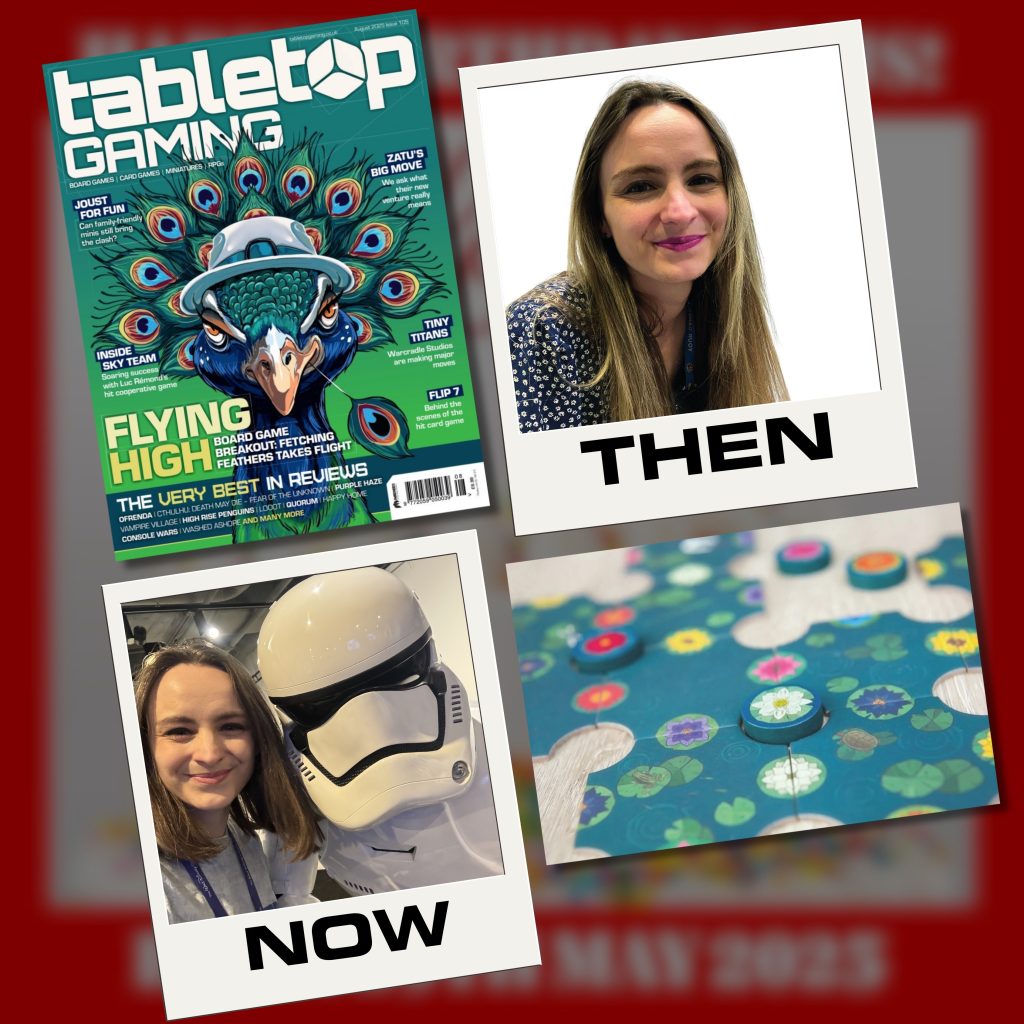
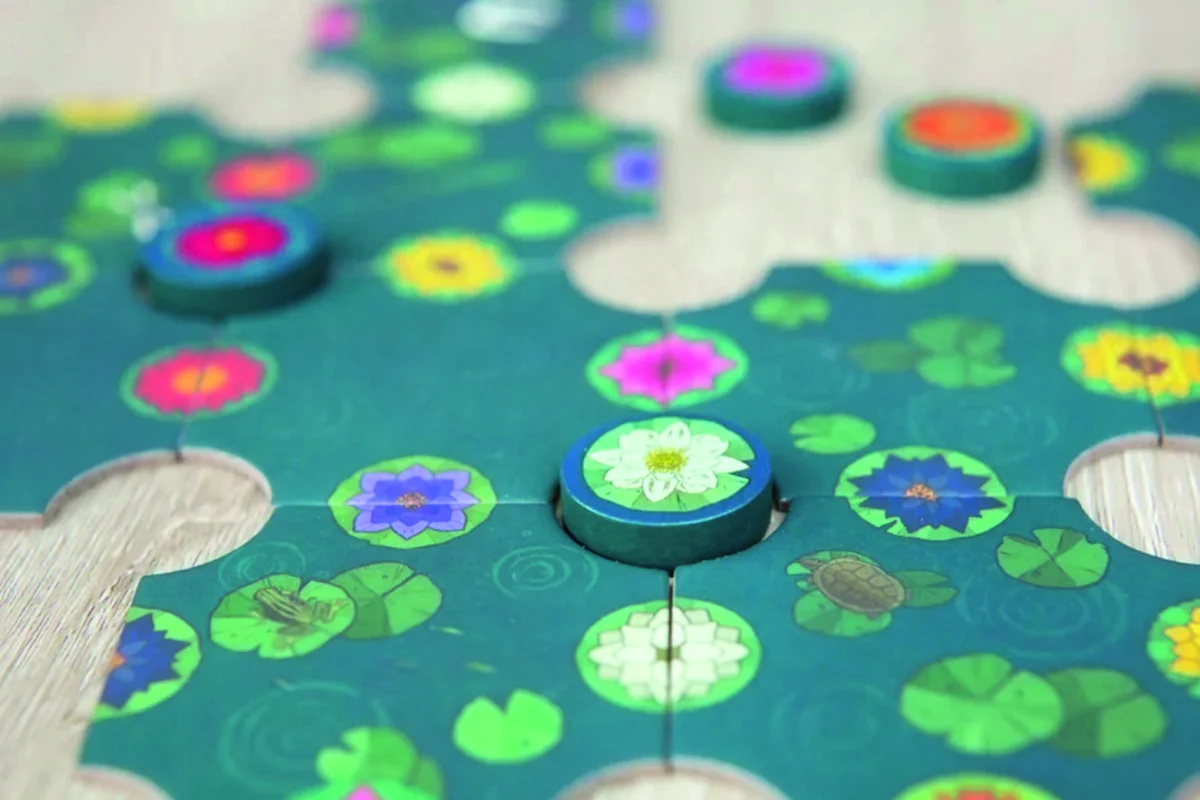
- Harmonies: "I loved being able to put Harmonies on the front cover, as it was a real favourite of mine and it felt like really distinct artwork." This choice underscores Pettit’s commitment to showcasing games that resonated with her personally, believing that authenticity would connect with the readership. The distinct artwork of Harmonies would have offered a fresh, visually appealing aesthetic that stood out on newsstands, signaling a magazine that valued artistic merit alongside gameplay.
- Star Wars Unlimited: Placing Star Wars Unlimited front and centre was a strategic move, acknowledging the immense gravitational pull of a major intellectual property within the gaming world. The Star Wars franchise consistently draws in new players and excites existing fans, making it a powerful commercial choice while also catering to a massive segment of the audience. Its inclusion on the cover would have signaled the magazine’s relevance to current market trends and its dedication to covering high-profile releases.
- Disney Lorcana (Fold-out): "Having a fold-out Disney Lorcana cover was really exciting." This innovative design choice speaks volumes about Pettit’s willingness to push creative boundaries. A fold-out cover not only offers more real estate for stunning artwork but also creates a tactile, interactive experience for the reader, enhancing the perceived value of the physical magazine. Disney Lorcana, being a major new entry into the collectible card game market, would have benefited immensely from such a prominent and unique presentation.
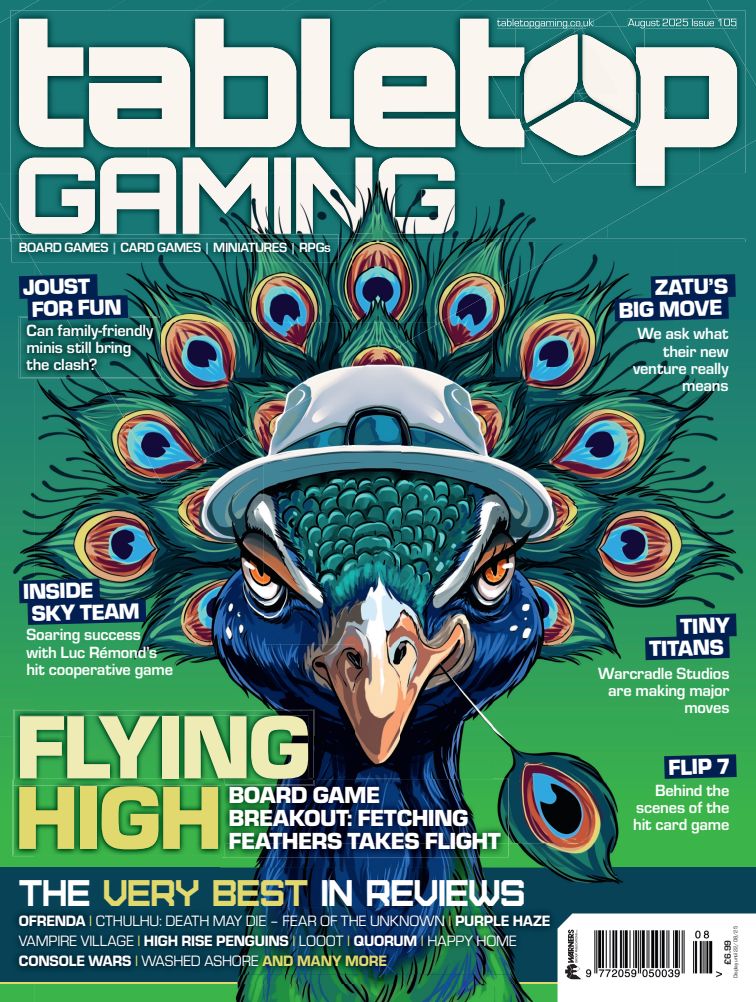
- Fetching Feathers (The Peacock): "But my favourite cover was the peacock from Fetching Feathers – I wish I’d framed it!" This particular choice, featuring the striking peacock from Fetching Feathers, highlights Pettit’s appreciation for truly exceptional artistry in gaming. It suggests a game whose visual design was so compelling that it transcended its function as a mere game component to become a work of art in its own right. Her regret at not framing it speaks to the lasting impression this particular cover made on her, embodying the aesthetic beauty that tabletop games can offer.
These cover choices collectively illustrate a thoughtful editorial approach, balancing personal preference with market appeal, innovative presentation, and a deep appreciation for the artistic contributions within the hobby.
Unforgettable Interviews and Personal Journeys
Interviews are the lifeblood of any magazine, offering readers direct access to the minds shaping their beloved hobby. For Charlie Pettit, certain conversations proved to be not just informative, but genuinely transformative.
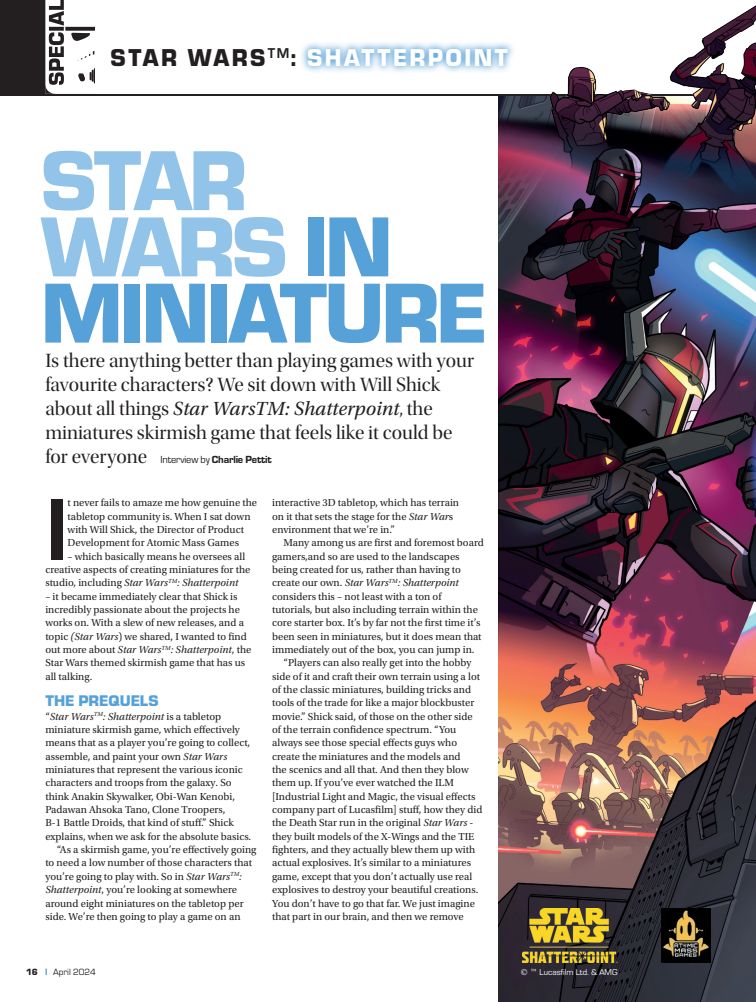
"If pressed for one, I’d have to say Will Shick of Atomic Mass Games, who I spoke to a few times," Pettit reveals. Their discussions revolved primarily around Star Wars: Shatterpoint, a miniatures game that blends tactical combat with iconic Star Wars characters. Pettit recounts being "blown away not just by his depth of knowledge (which extends to Marvel, too), but how naturally he made both miniatures and Star Wars accessible." This accessibility proved crucial for Pettit, who, at the time, had not extensively explored the miniatures side of the hobby. The interview sparked a profound personal interest, leading her to pick up Shatterpoint just days later.
This initial spark ignited a deeper dive into the miniatures world. Pettit began actively seeking out more interviews with figures in this sector, driven by a desire to learn and understand. A subsequent "really interesting interview with Chris Birch of Modiphius," a prominent publisher known for its role-playing and wargames, further solidified her commitment. These interactions "set me on a path," she explains, culminating in her current endeavor: "I now make Star Wars content for fun, and my goal is to make miniatures and wargames accessible to everyone!" This personal evolution, directly influenced by her editorial role, underscores the profound impact that journalism can have on both the interviewer and the audience. It demonstrates how Tabletop Gaming magazine, under her guidance, fostered a spirit of exploration and learning, not just for its readers but for its own editorial team.
Post-Editorial Playtime: Reclaiming the Table
The demands of editing a monthly magazine are immense, often leaving little personal time for the very hobby it covers. Pettit candidly admits, "You’d think being Editor would mean you can play games all the time, but it wasn’t the case." This sentiment resonates with many professionals in creative fields, where the work itself can consume the leisure time associated with the subject matter.
Since stepping down from her editorial role, Pettit has eagerly reclaimed her personal gaming time, diving into titles she previously admired from afar. "Since leaving the magazine I’ve dedicated so much more time to Star Wars Unlimited," she notes, highlighting a major new collectible card game that has captured significant attention. Furthermore, she’s been actively "painting my Fallout: Faction minis," engaging with the creative and meditative aspects of the miniatures hobby that her interviews helped her discover. And for those quick, spontaneous gaming moments, "Flip 7 in my bag (which hasn’t changed, but comes out at any opportunity)" remains a constant companion. This return to personal play not only underscores the passion that fueled her editorial work but also illustrates the universal struggle of balancing professional duties with personal interests.

The Pulse of the Industry: UK Games Expo 2025
Live events are the beating heart of the tabletop gaming community, offering unparalleled opportunities for connection, discovery, and shared enthusiasm. For Charlie Pettit, the 2025 UK Games Expo stood out as a particularly poignant experience.
"The 2025 UK Games Expo was a huge standout for me," she recalls. Her connection to UKGE runs deep, as the magazine itself launched there in 2015. However, her professional journey with the expo began during the challenging times of the pandemic, when events were either canceled or severely restricted. Experiencing the 2025 iteration, Pettit found it "unrecognisable" compared to those earlier, subdued professional engagements. "Huge halls full of happy gamers, designers, publishers," she describes, painting a vivid picture of a thriving, bustling event. The atmosphere was palpable: "It’s a vibe you can’t explain, and you can’t help but walk away with the feeling this is the best industry in the world." This sentiment encapsulates the unique communal spirit of tabletop gaming and the irreplaceable role of physical conventions in fostering that camaraderie. UKGE 2025 served as a powerful affirmation of the industry’s resilience and its vibrant future.
Official Responses: Navigating Trends and Challenges
As editor, Charlie Pettit was not merely an observer but a keen analyst of the tabletop gaming landscape. Her insights into emerging trends and industry challenges provide a valuable snapshot of the period she oversaw.
The Rise of "Cosy Gaming"
Pettit identifies "cosy gaming" as the biggest shift during her time in charge. "I felt the biggest shift was into cosy gaming," she states. Her tenure as editor occurred post-pandemic, a period where the industry had to "rebuild almost from the ground up" after the initial shock of lockdowns. In this rebuilding phase, a distinct trend emerged. "Later, when I became Editor, it was really noticeable how spoiled for choice we were for cosy games."
Cosy gaming, characterized by its emphasis on comfort, low-stakes competition, cooperative play, and often charming aesthetics, offered a stark contrast to the high-intensity, confrontational, or complex games that often dominate the hobby. These games frequently feature gentle themes, accessible rules, and artwork designed to evoke a sense of calm and well-being. Their rise can be seen as a direct response to the stresses of modern life, and particularly the isolation and anxiety experienced during the pandemic. Players sought experiences that were relaxing, inclusive, and fostered positive interactions.
Pettit’s personal preference mirrored this trend. "I loved gentle games – probably in response to how busy the job is!" she admits. Her home table regularly featured titles like Everdell, known for its enchanting forest creatures and worker placement mechanics; Harmonies, which she also cherished as a cover star; Tranquility, a cooperative card game focused on serene landscapes; and A Gentle Rain, a tile-laying game celebrated for its meditative qualities. Of A Gentle Rain, she expresses a lingering regret: "I still regret not giving it a Must-Play badge!" This highlights her deep appreciation for these games’ ability to provide solace and enjoyment amidst a demanding professional life, and their broader significance in shaping the industry’s direction.
Spotting Tomorrow’s Stars: Gaming Predictions
Part of an editor’s role is to have a finger on the pulse of innovation, identifying the creators who are pushing boundaries and shaping the future. Pettit confidently made her own predictions about "ones to watch." She singled out "Chris Priscott of game developer Unfringed, and the dynamic duo Tristam Rossim and James Emmerson of Wayfarer Games." Her conviction remains strong: "I’m confident time will prove me right!" This foresight speaks to her engagement with the indie development scene and her belief in the potential of emerging talent to bring fresh perspectives and exciting new experiences to the tabletop.
Industry Headwinds: AI and Tariffs
While the industry demonstrated remarkable resilience, it was not without its significant challenges during Pettit’s tenure. She pinpoints two major issues: "The slow creeping of AI, and the huge shock of the tariffs."
The "slow creeping of AI" refers to the growing presence and capabilities of artificial intelligence across various aspects of game development, art generation, and even gameplay design. While AI offers potential for innovation and efficiency, it also brings concerns regarding intellectual property, the ethical implications of using AI-generated art, the potential for job displacement, and the perceived devaluation of human creativity. Debates around AI’s role in creative industries were intensifying during her time, posing complex questions for publishers, designers, and artists alike.
The "huge shock of the tariffs" points to the economic and logistical hurdles faced by a globalized industry. Tariffs, or taxes on imported goods, can significantly increase the cost of manufacturing and shipping games, impacting profit margins for publishers and ultimately leading to higher prices for consumers. Given that much of tabletop game production is concentrated in specific regions (e.g., China), and distribution chains span continents, tariffs can cause major disruptions, delays, and financial strain, particularly for smaller independent publishers with less robust supply chain infrastructure. These challenges underscored the often-unseen complexities of bringing games from concept to table, extending far beyond design and development into global economics and logistics.
Implications: A Lasting Legacy and Future Horizons
Charlie Pettit’s tenure as editor of Tabletop Gaming magazine, though spanning a defined period, leaves a significant imprint on the publication’s rich history and the broader tabletop community. Her reflections offer more than just personal highlights; they provide a microcosm of the industry’s journey through a period of recovery, innovation, and adaptation.
Her personal transformation, particularly her deep dive into the miniatures hobby sparked by an interview, exemplifies the immersive nature of tabletop gaming. It underscores how the act of covering the hobby can profoundly influence personal interests and career paths, transforming a professional duty into a passionate advocacy for accessibility in a niche that can often seem intimidating to newcomers. Her current mission to make miniatures and wargames accessible to everyone is a direct legacy of her editorial experience, extending her impact beyond the pages of the magazine.
The trends she observed, particularly the rise of "cosy gaming," reflect a broader societal shift towards comfort and connection in leisure activities. This trend highlights the industry’s responsiveness to player needs and desires, showcasing its capacity for diversification beyond traditional competitive or complex genres. Her identification of emerging talent also reinforces the magazine’s role as a platform for discovery, fostering the next generation of game designers and ensuring the continued vitality of the hobby.
Moreover, Pettit’s candid discussion of industry challenges—the ethical quandaries of AI and the economic pressures of tariffs—serves as a crucial reminder of the external forces constantly shaping the tabletop landscape. It speaks to the resilience of an industry that, despite facing global disruptions, continues to innovate and thrive, driven by passionate creators and an equally passionate community.
As Tabletop Gaming magazine celebrates its 11th birthday, Charlie Pettit’s insights join those of her predecessors and successor—Rob Burman (Issues 1-6), Matt Jarvis (Issues 7-35), Christopher John Eggett (Issues 36-79), and the current editor Matt Chapman (Issues 107+). Each editor has contributed a unique chapter to the magazine’s narrative, guiding it through different phases of the industry’s evolution. Pettit’s era stands out for its emphasis on accessibility, artistic appreciation, and navigating a post-pandemic world, reinforcing the magazine’s enduring commitment to its readership. Her legacy is one of genuine engagement, personal growth, and a steadfast belief in the power and joy of tabletop gaming. The magazine, now in its second decade, continues to be a vital voice, reflecting the dynamic spirit of an industry that truly feels like "the best in the world."



Leave a Comment