Crazy Taxi: World Tour Demo Divides; A Nostalgic Dreamcast Driver Questions the Reboot’s Direction

The iconic arcade racer, Crazy Taxi, is slated for a revival with "Crazy Taxi: World Tour," but early impressions from a Gamescom 2026 demo suggest the beloved franchise might be losing its edge, much to the chagrin of long-time fans.
The Dreamcast era was a golden age for gaming innovation, and few titles captured the pure, unadulterated joy of arcade-style fun quite like Crazy Taxi. Its vibrant, sun-drenched recreation of San Francisco, coupled with a perfectly curated punk rock soundtrack, created an experience that remains remarkably timeless. Even today, firing up the original offers a potent hit of nostalgia and unadulterated fun. It was with this fond memory in mind that I approached the first hands-on demo of the long-awaited series reboot, Crazy Taxi: World Tour, at Gamescom 2026. Unfortunately, my anticipation quickly soured, as the demo revealed a fundamental disconnect from what made the original so special, raising serious concerns about the direction of this ambitious revival.
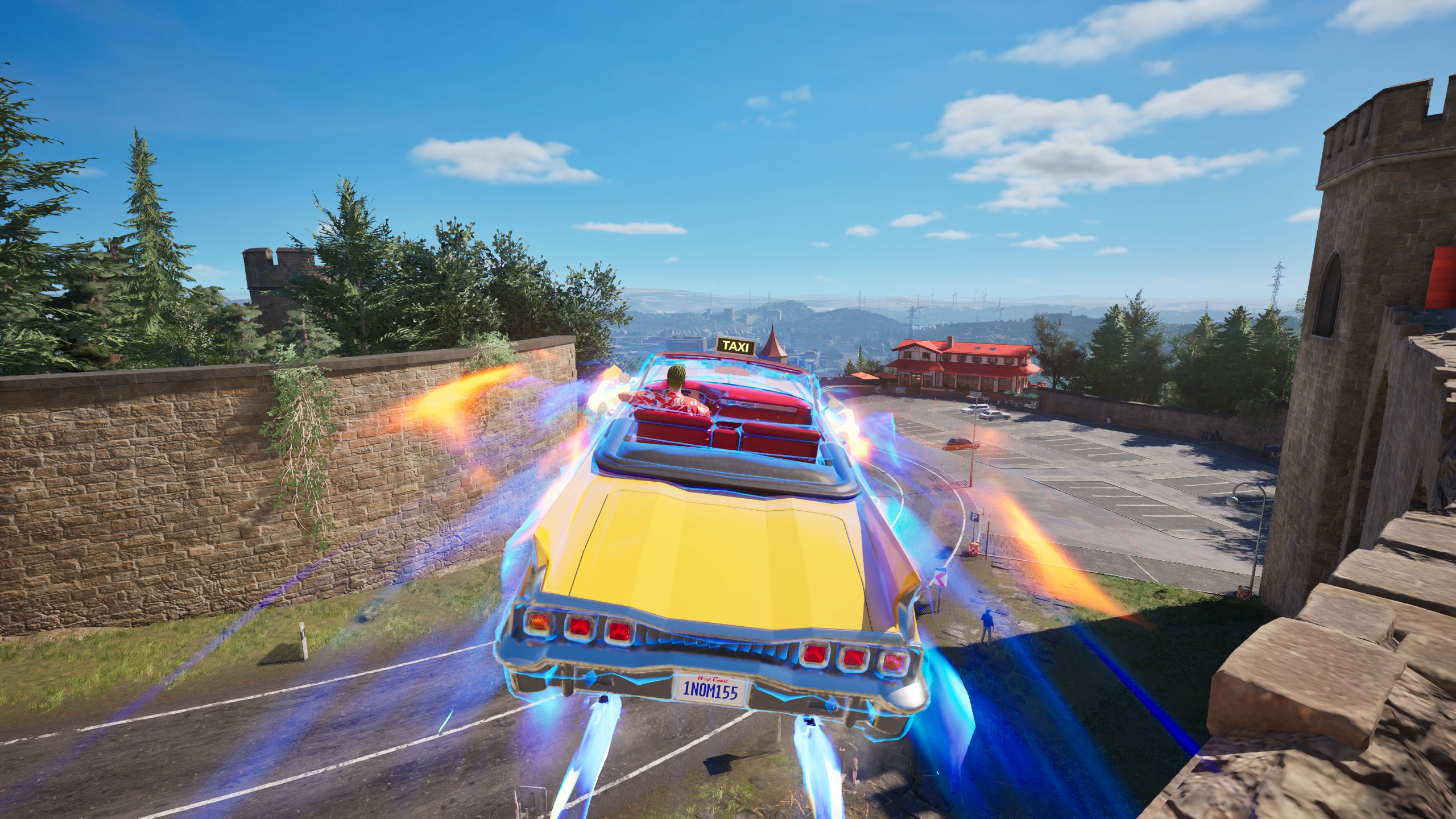
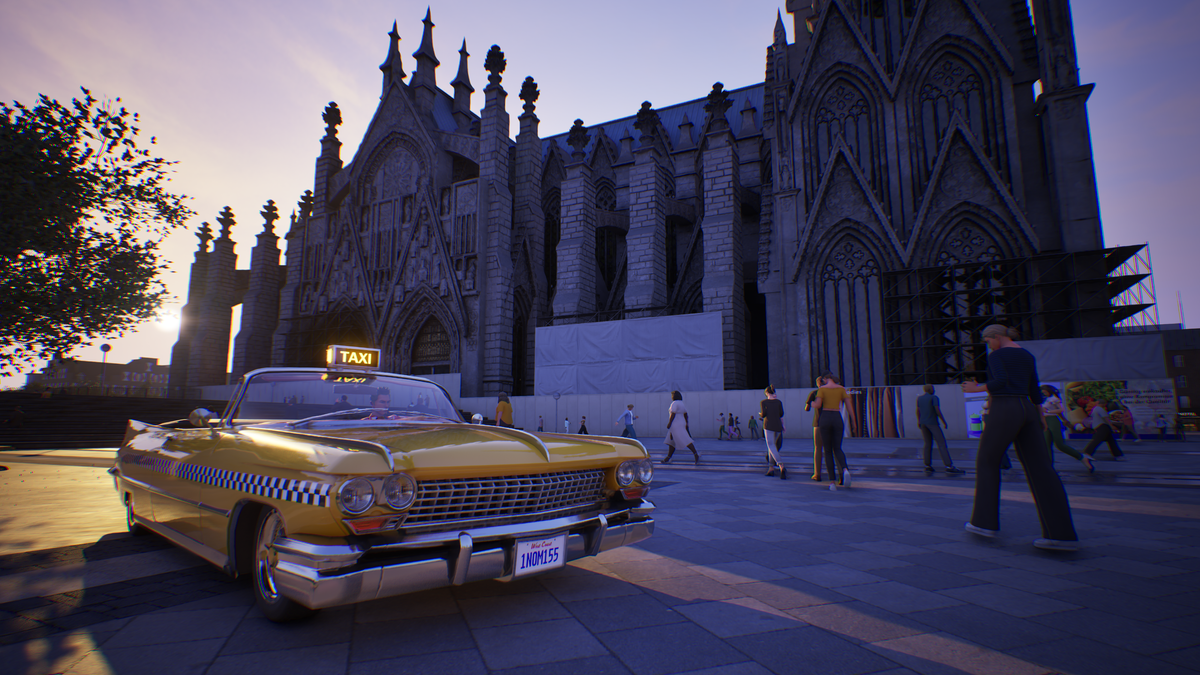
While the initial announcement hinted at a return to the familiar West Coast setting, the Gamescom demo thankfully delivered on the "World Tour" aspect of the title. Transporting players to a new locale, the demo showcased a map inspired by Germany. This virtual German landscape featured a striking gothic cathedral, a bustling, colorful market square, and the unmistakable silhouette of wind turbines dotting the horizon. For a convention like Gamescom, the setting felt particularly apt. However, despite the game being touted as an open-world experience, the demo’s layout strangely mirrored the original game’s design – a deliberate, almost circuit-like structure that felt more like a familiar playground than a truly expansive world. This initial observation, coupled with the control scheme changes that would soon become apparent, cast a long shadow over the potential of this reboot.
A Divergence from the Core Gameplay Loop
The heart of the Crazy Taxi experience has always been its unique and intuitive control scheme. The original game eschewed traditional gear shifting for a simple "D" for Drive and "R" for Reverse system, allowing players to seamlessly transition between forward momentum and quick reversals. This mechanic was integral to the game’s frenetic pacing and the ability to pull off daring maneuvers. In Crazy Taxi: World Tour, this foundational element appears to have been sacrificed.
While the "D" and "R" indicators remain visible on the UI’s bottom right, their functionality seems to have been largely superseded. Instead of manually shifting gears, the cab now defaults to reverse after a complete stop and holding the brake, a mechanic more akin to modern racing games with driving elements. This change, while perhaps intended to streamline the experience for a new generation of players, fundamentally alters the muscle memory and instinctive reactions that defined the original. The nuanced art of quickly switching from forward to reverse to snag a passenger or narrowly avoid an obstacle has been replaced by a more passive, automated system.
The Simplification of Skill: A Double-Edged Sword
Further compounding the shift in gameplay is the simplification of core mechanics like "Crazy Boosts" and "Crazy Drifts." In the original titles, mastering these techniques required a degree of skill and timing, often involving specific button combinations or precise directional inputs. In World Tour, these once-signature moves have been reduced to the press of a dedicated button. Boosting or executing a rapid stop now involves a simple combination of the "B" button alongside the acceleration or brake trigger, respectively.
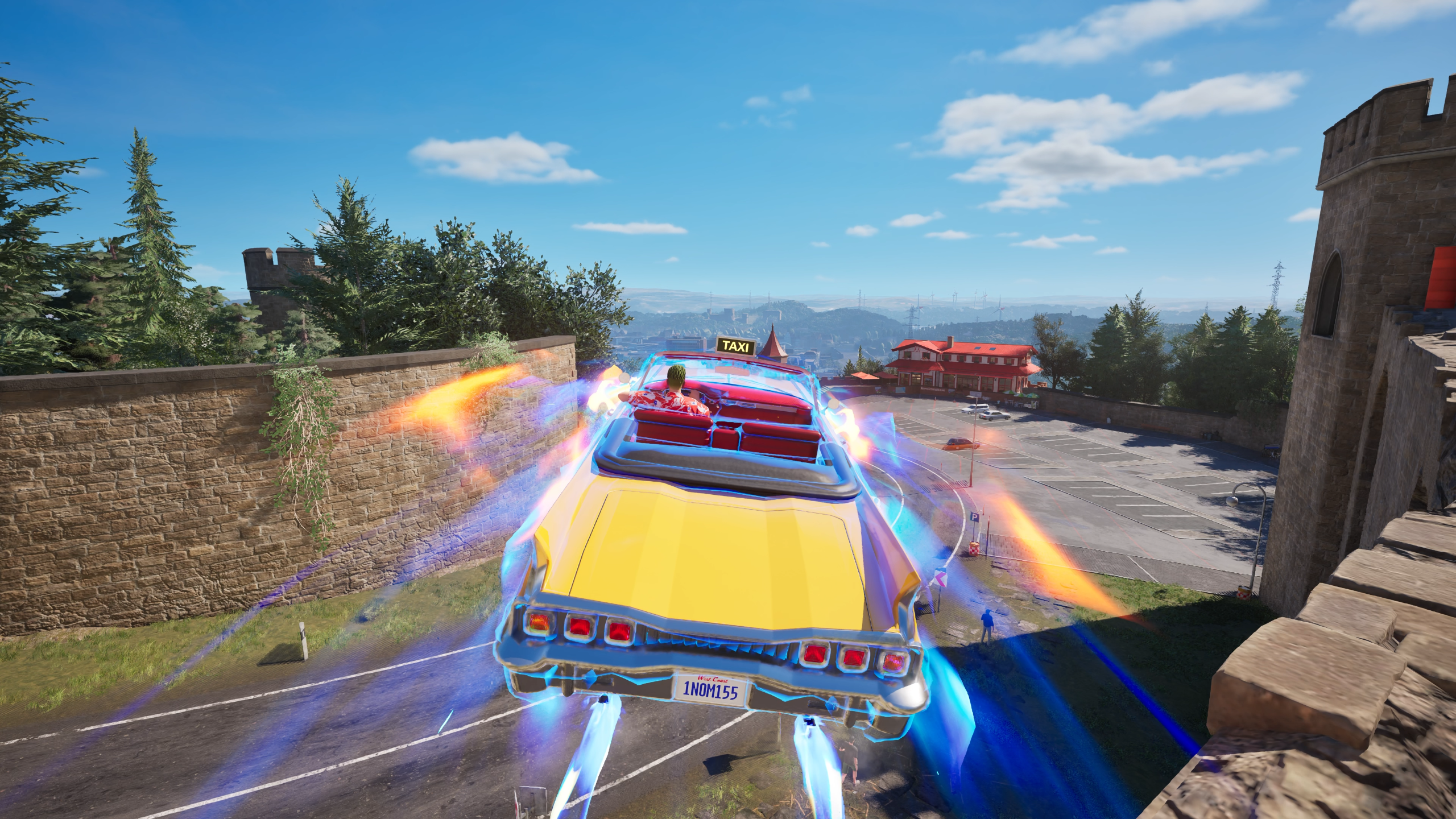
While this undeniably makes the actions more accessible, it strips away the rewarding feeling of mastery. The thrill of chaining together perfectly timed drifts and boosts to maintain momentum and earn crucial seconds has been diluted. The introduction of a "Nitro Boost" mechanic, a staple in many modern arcade racers, offers a slight reprieve. This boost requires charging a gauge, which fills faster through skillful driving such as close overtakes or drifting. However, even this feature comes with caveats. The demo indicated that boost usage is limited in certain challenges, with a cap on how many can be deployed to achieve the highest "Crazy" rating. This emphasis on managing limited boosts further highlights the shift away from the unbridled, high-octane chaos that defined the original. The "Crazy Boosts" themselves, rather than being a constant tool, seem relegated to a strategic resource, diminishing their impact on the core gameplay loop.
The Story Campaign’s Pacing Dilemma
The inclusion of a story campaign in Crazy Taxi: World Tour represents another significant departure from the series’ roots. The original arcade game was a pure, unadulterated time-trial experience. The clock was your constant adversary, pushing you to make split-second decisions and optimize every route. In contrast, World Tour offers a more leisurely pace, allowing players to freely explore the open world and engage in a variety of missions offered by NPCs.
This shift in pacing, while potentially appealing to a broader audience, risks losing the game’s core arcade identity. The constant pressure of the timer was a defining characteristic, forcing players to develop a deep understanding of the map and their vehicle’s capabilities. Without this ever-present urgency, the gameplay can feel less impactful and more like a generic open-world driving game. The narrative elements, while attempting to inject some charm, also seem to miss the mark. The original Crazy Taxi excelled at conveying passenger personalities and destinations through subtle visual cues and iconic archetypes – the pregnant woman rushing to the hospital, the reverend needing to reach the church, the suitor with flowers heading to a date. These were instantly recognizable and relatable, fostering a sense of urgent, albeit whimsical, purpose.
The demo’s attempt to replicate this with more elaborate character interactions and dialogue feels somewhat forced, bordering on the surreal, reminiscent of the Yakuza series’ often quirky side quests. While there’s a certain goofy charm to it, it lacks the immediate, intuitive understanding that made the original passengers so memorable. The ability to simply glance at a passenger and understand their immediate need was part of the game’s elegant design.
A Faded Echo of the Arcade Mode
Beyond the story missions, Crazy Taxi: World Tour attempts to replicate the classic arcade experience through a mini-game mode where players pick up any passenger and race against the clock. However, this iteration falls short of its predecessor’s brilliance. Crucially, there’s no mechanism to extend the timer by successfully completing fares, a vital element that kept players on the edge of their seats in the original. Furthermore, the ability to complete the final passenger drop-off even after the timer has expired feels like a significant concession, further diluting the challenge and the satisfaction of a successful run. This "cheap imitation," as it feels, fails to capture the adrenaline rush and strategic depth of the original arcade mode.
The Soundtrack Conundrum: A Missed Opportunity
The iconic soundtrack, featuring legendary bands like The Offspring and Bad Religion, was as integral to the Crazy Taxi experience as the gameplay itself. The inclusion of these beloved tracks in World Tour is a welcome sight, especially considering the unfortunate music replacements in some later ports. The demo confirmed that the original, shortened edits of these songs are present, ensuring players can hear a good portion of them even during brief shifts – a detail that was overlooked in some post-Dreamcast ports.
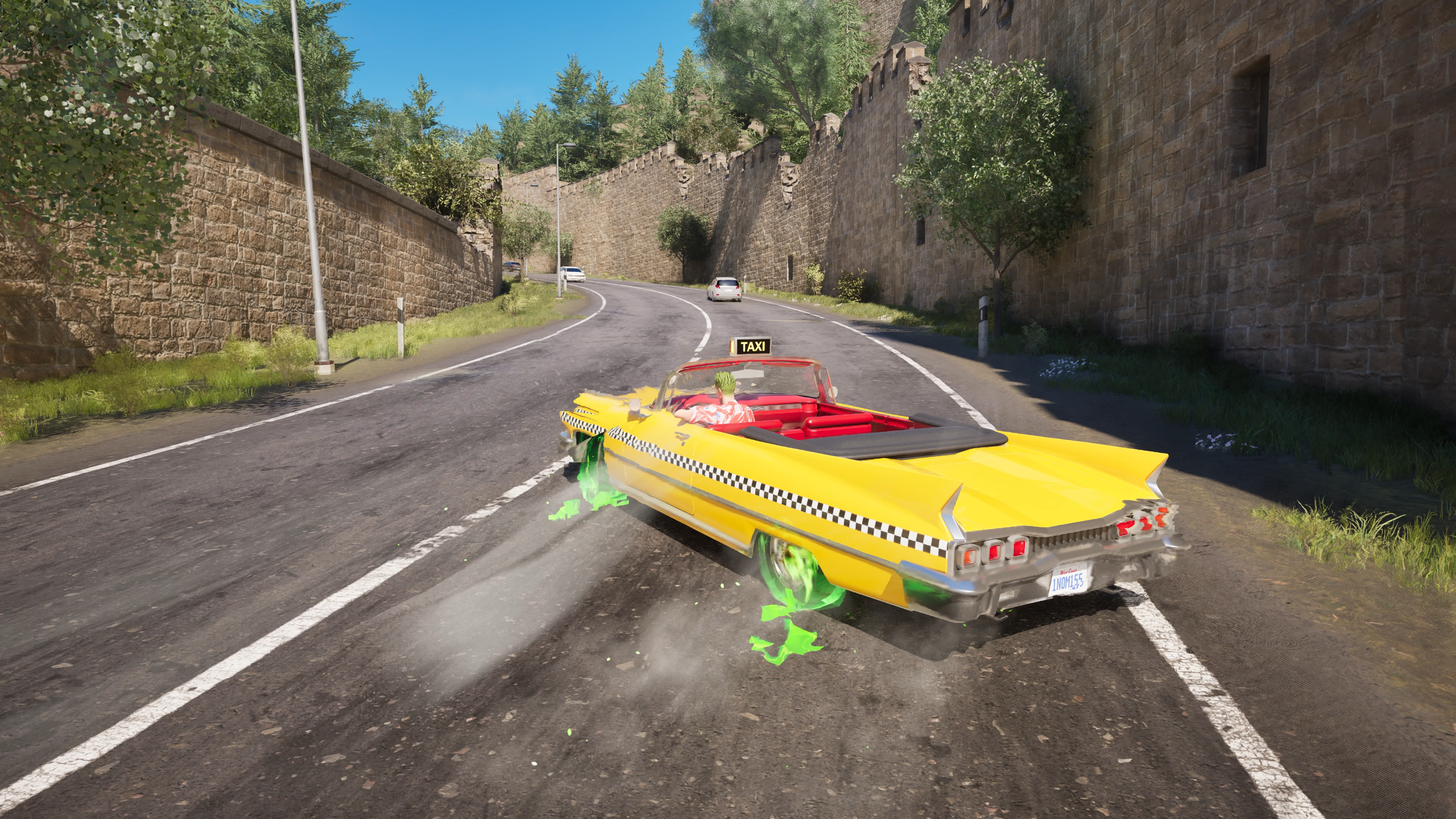
However, a significant issue arises from the implementation of these tracks. The music only kicks in when a mission begins. This means that during free-roam exploration or when simply navigating the city, the game is largely devoid of its signature energetic soundtrack. This creates a jarring contrast, transforming the vibrant, music-driven experience into something far more mundane. The intention might have been to create a more immersive narrative experience, but the result is a soundtrack that feels like "bland filler" rather than the "kick-ass crazy" anthem that defined the series. The absence of the constant, driving beat during exploration leaves a void, stripping away a crucial element of the game’s infectious energy.
A Question of Identity: Is This Still Crazy Taxi?
The release of Crazy Taxi: World Tour is slated for 2027 across PC, PlayStation 5, Xbox Series X/S, and Nintendo Switch. While the inclusion of a new multiplayer mode, with an upcoming closed network test, offers a glimmer of hope for salvaging the experience, the fundamental changes observed in the demo are deeply concerning. As someone who has clocked countless hours on the Dreamcast original, Crazy Taxi: World Tour simply doesn’t possess the core "feel" of Crazy Taxi.
The analogy of switching from a manual transmission car to an automatic one perfectly encapsulates the issue. While both allow you to drive, the experience, the control, and the nuanced interaction are fundamentally different. The simplification of controls, the shift in pacing, and the questionable implementation of the beloved soundtrack all point towards a game that is trying to be something it’s not. It risks alienating the dedicated fanbase who fell in love with the original’s raw, unadulterated arcade spirit.
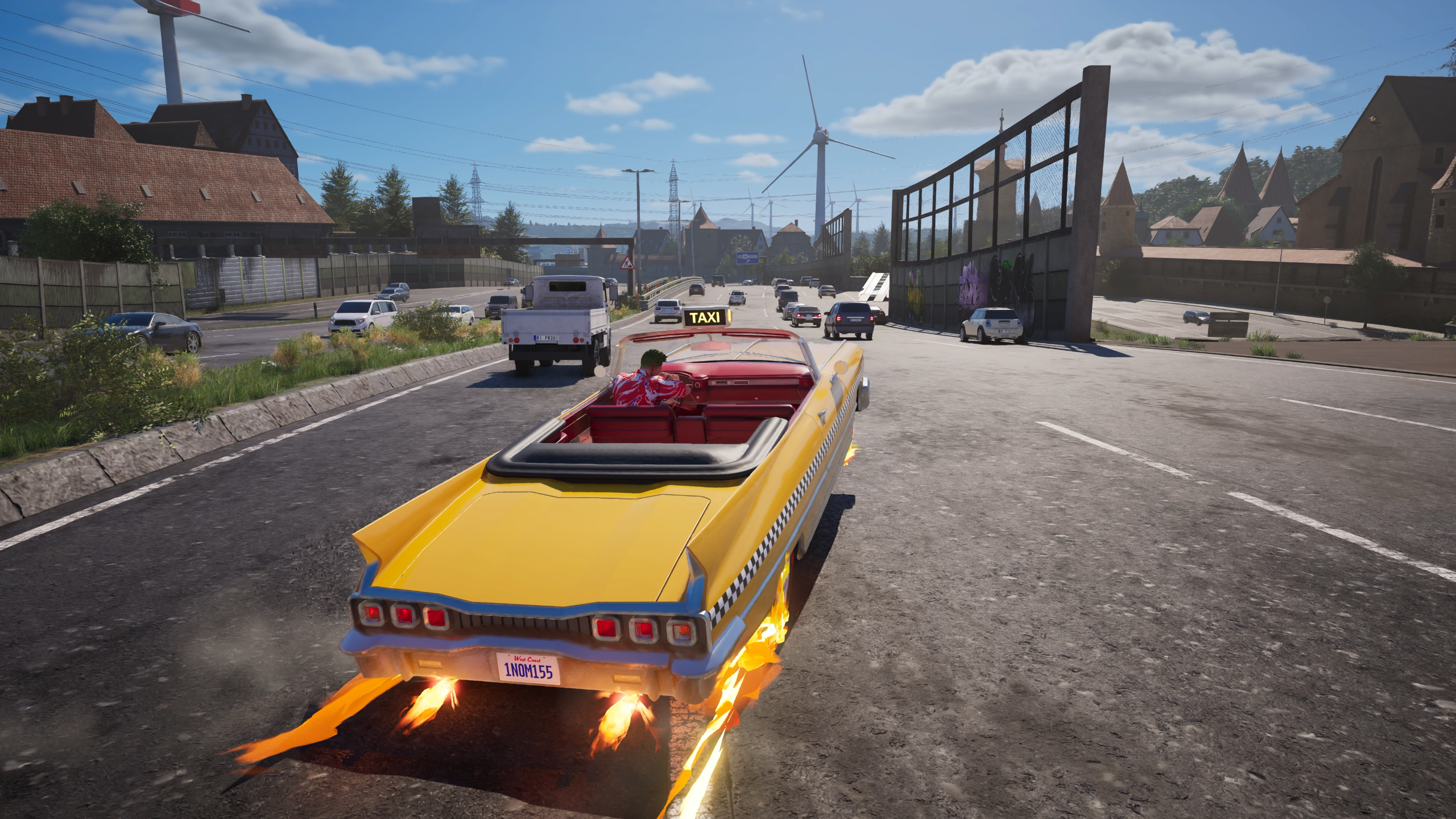
While these criticisms might be dismissed as mere "old man yells at cloud" nitpicking by some, for those who hold the original Crazy Taxi in such high regard, these changes represent a fundamental departure from what made the game an enduring classic. The hope remains that Sega can course-correct and recapture the magic that made Crazy Taxi an unforgettable part of gaming history. Until then, the future of this iconic franchise hangs precariously in the balance, a testament to the delicate art of rebooting beloved classics. The true test will be whether World Tour can evolve without losing the very essence that defined its legendary predecessor.