Cucumber Catastrophe: A Trick-Taking Tangle Where Felines Fear the Green Menace
FOR IMMEDIATE RELEASE
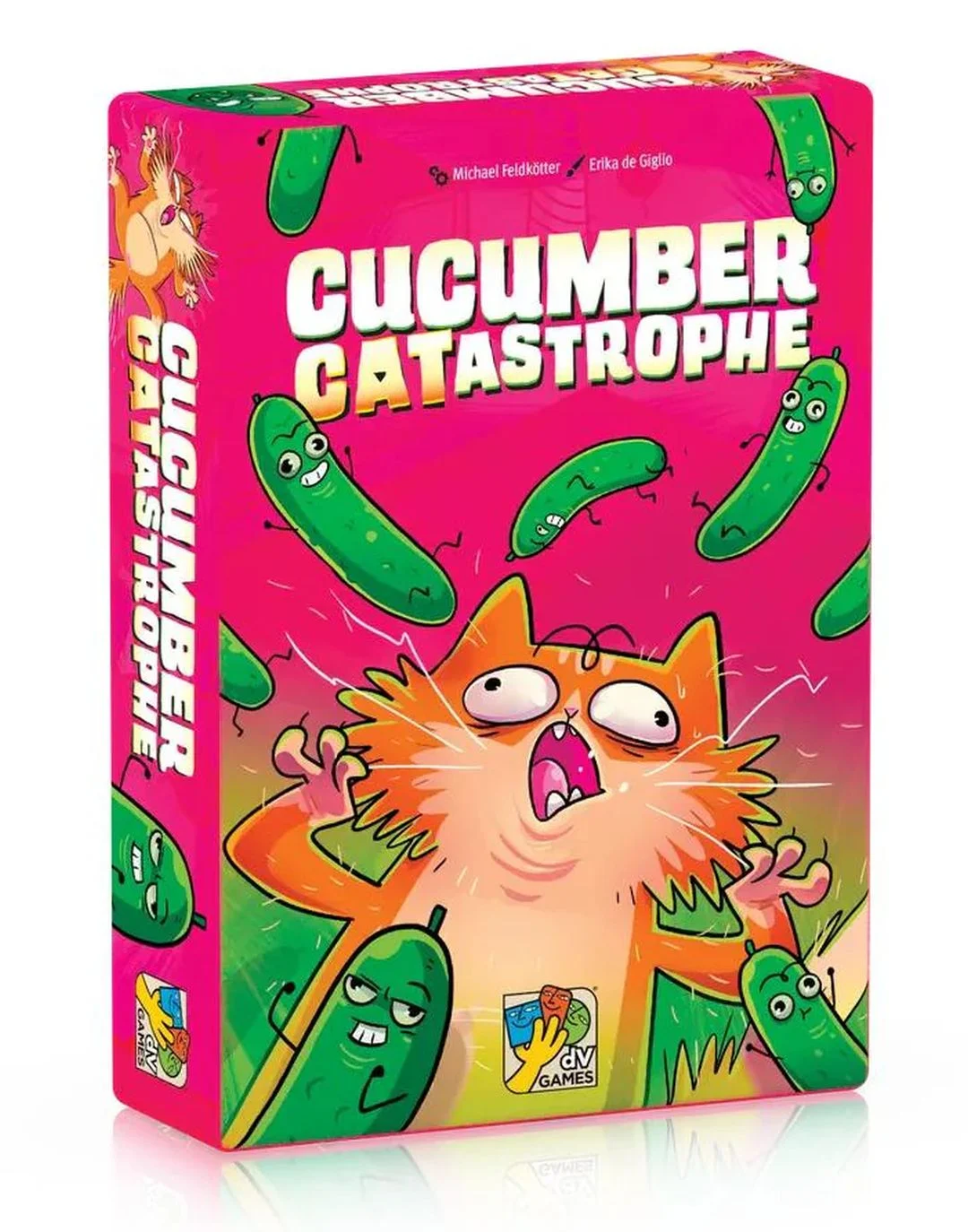
LONDON, UK – In the whimsical, yet intensely competitive world of tabletop gaming, a new contender has emerged, blending classic card mechanics with a refreshingly quirky theme that has players – and indeed, digital felines – on edge. Michael Feldkötter’s latest creation, Cucumber Catastrophe, published by dV Games, introduces a vibrant trick-taking experience where the traditional objective is flipped on its head, and the humble cucumber becomes an object of feline dread and strategic importance. This innovative card game challenges players to navigate a fluctuating landscape of rules, aiming not to win tricks, but to deftly avoid accumulating the dreaded green vegetables.
At its core, Cucumber Catastrophe is a strategic card game for 3-6 players, designed to be quick, engaging, and highly replayable, with a playtime of approximately 20 minutes. Recommended for ages 8 and up, it offers a blend of accessibility and surprising depth, making it suitable for both casual family gatherings and seasoned card game enthusiasts. The game unfolds over four rounds, with each player receiving a hand of ten cards. The ultimate goal is counter-intuitive for many trick-taking veterans: the player who manages to collect the fewest "cucumbers" – represented by points on specific cards – by the end of the final round emerges victorious. This inverse scoring system immediately sets Cucumber Catastrophe apart, injecting a unique psychological element into every decision.
The game’s central innovation lies in its dynamic trick-winning conditions. Unlike conventional trick-taking games where the rule (e.g., highest card wins) is static, Cucumber Catastrophe introduces a "trick marker" that dictates whether the highest or lowest card played will claim the trick. Crucially, this rule can flip mid-trick, creating moments of dramatic reversal and unpredictable outcomes. This mechanic transforms what might otherwise be a straightforward card game into a constantly shifting puzzle, demanding adaptability and foresight from every participant.
Main Facts: The Unsettling Allure of the Cucumber
Cucumber Catastrophe is more than just a catchy title; it’s a meticulously crafted trick-taking game that leverages a universally amusing internet phenomenon – cats startled by cucumbers – to create a lighthearted yet strategically rich experience. Designed by the accomplished Michael Feldkötter, known for his ability to infuse traditional mechanics with innovative twists, and brought to life by dV Games, a publisher celebrated for engaging and accessible titles, the game promises both fun and intellectual stimulation.
The game’s premise playfully taps into the viral internet trend of cats reacting with exaggerated alarm to the sudden appearance of cucumbers. This seemingly simple, humorous theme serves as a whimsical backdrop for a game that boasts considerable strategic depth. Players aren the roles of cats attempting to avoid these perceived threats, translating directly into the game’s scoring objective: collect the fewest cucumber points. This thematic integration is not merely cosmetic; it permeates the entire gameplay experience, making the act of shedding high-cucumber cards or forcing them onto opponents a satisfying narrative achievement.
The fundamental structure involves four distinct rounds, ensuring a concise yet complete gaming session. In each round, ten cards are dealt to every player, setting the stage for a series of tricks. The core challenge lies in navigating these tricks, which are laden with cards bearing varying "cucumber" values. While the immediate goal of a trick-taking game is often to "win" tricks, Cucumber Catastrophe subverts this. Winning a trick means taking all the cards played in it, including any dreaded cucumbers. Therefore, players must master the art of losing tricks gracefully, or, more accurately, winning tricks only when they contain minimal cucumber penalties. This inversion of victory conditions adds a layer of delightful tension and strategic misdirection, as players might deliberately play suboptimally to avoid a costly trick.
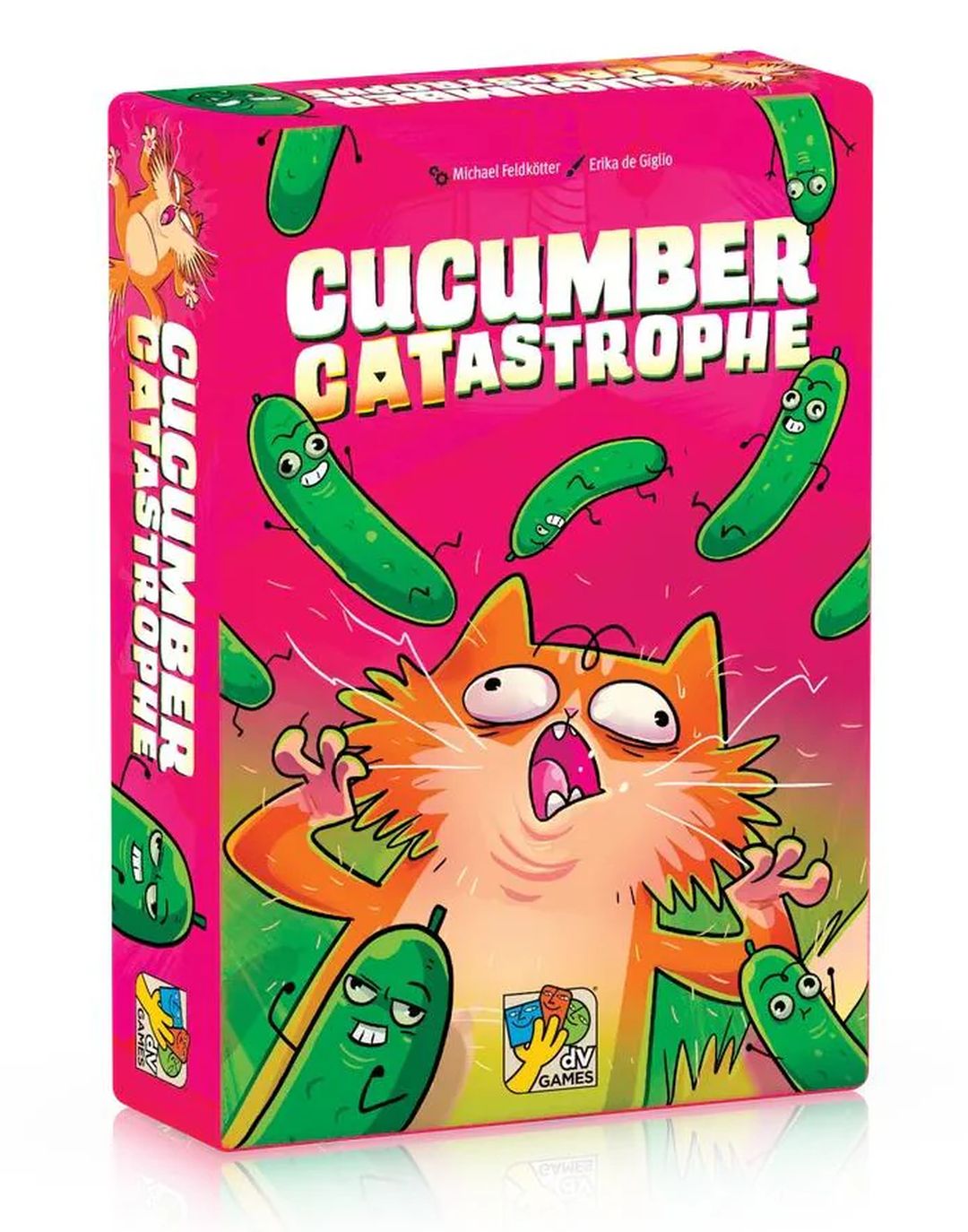
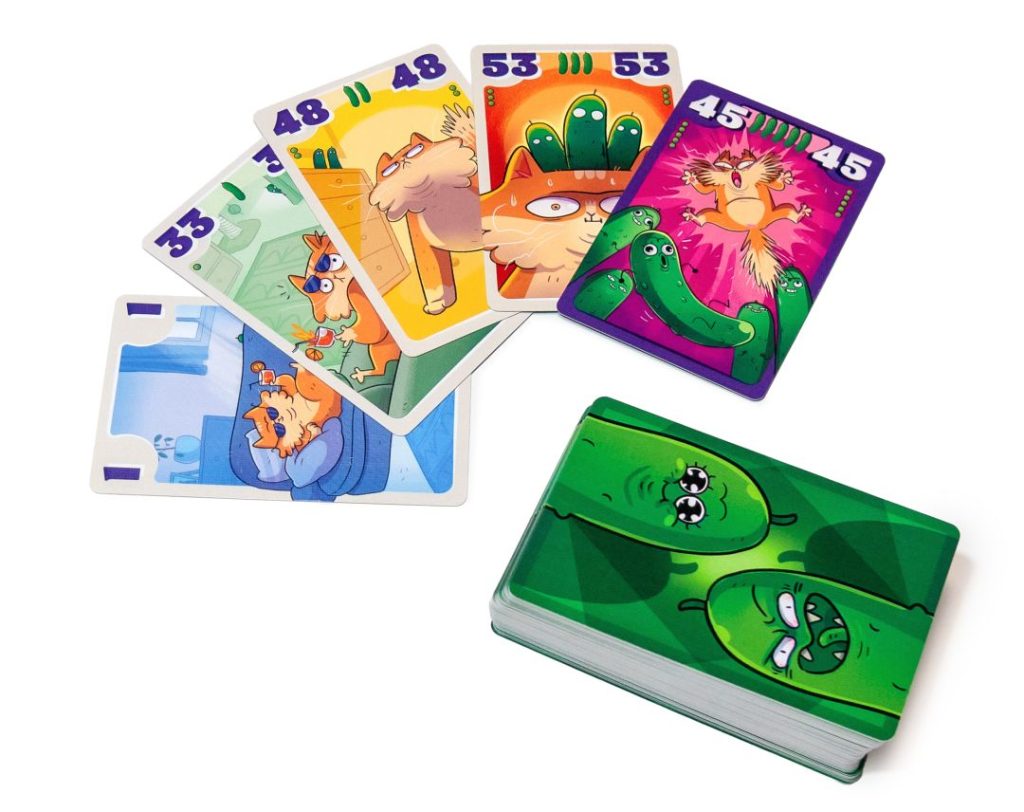
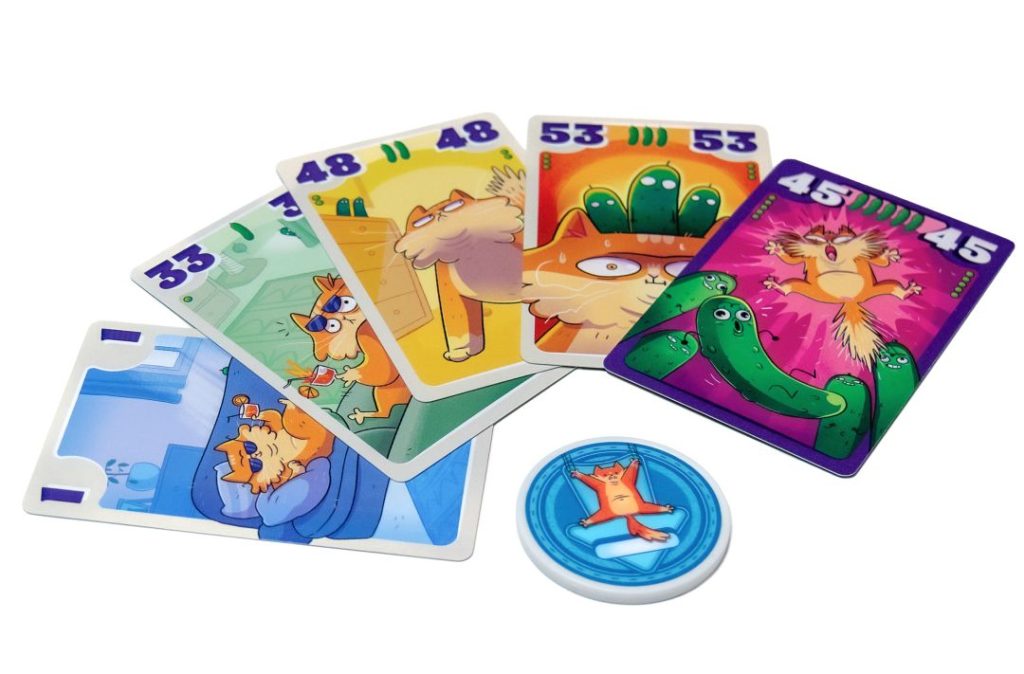
The game’s components are both functional and aesthetically pleasing. The 60-card deck features charming illustrations of cats and cucumbers, enhancing the thematic immersion. A unique "trick marker" token is central to the dynamic rule-flipping mechanism, clearly indicating whether the current trick is operating under a "highest card wins" or "lowest card wins" condition. A scorepad is included for easy tallying of cucumber points across the rounds, and a concise rulebook ensures quick setup and understanding. With an RRP of £14.99, Cucumber Catastrophe positions itself as an accessible entry point into the trick-taking genre, offering significant replay value for its modest price point.
Chronology: From Concept to Cat-Astrophe
The journey of Cucumber Catastrophe from initial concept to tabletop reality is a testament to thoughtful design and targeted publishing. While specific development timelines are often proprietary, the nature of its mechanics and theme allows for an educated speculation on its genesis and evolution.
The Genesis of a Quirky Concept
Michael Feldkötter, the acclaimed designer behind Cucumber Catastrophe, is known for his knack for innovation within established game genres. His portfolio often showcases a willingness to experiment with core mechanics, transforming familiar experiences into something fresh and engaging. For Cucumber Catastrophe, the spark likely ignited from the widespread internet phenomenon of cats reacting to cucumbers. This viral content, while humorous, provided a fertile ground for a game theme that is universally relatable and instantly amusing. The challenge for Feldkötter would have been to translate this whimsical concept into a tangible, strategic game experience, ensuring the theme was not just a veneer but an integral part of the gameplay. The idea of "avoiding" something rather than "collecting" it, often seen in negative point games, fits perfectly with the feline aversion to cucumbers, offering a natural thematic justification for the inverse scoring system. This anti-optimisation goal is a recurring motif in Feldkötter’s designs, pushing players to think differently about winning.
Development and Refinement
Designing a trick-taking game with a dynamically shifting rule set presents unique challenges. The core mechanic – the rule token flipping based on the second player’s card – requires meticulous balancing. Early prototypes would have focused heavily on ensuring this mechanism felt intuitive rather than confusing, and that it created strategic depth without overwhelming players. Playtesting would have been crucial in calibrating the card values, the distribution of "cucumber" cards, and the impact of the "breaking the rule" ability. How often should the rule flip? What impact does it have on hand management? Does it lead to satisfying "aha!" moments or frustrating randomness? These are questions that extensive playtesting would have addressed.
The simplicity of the components – cards, a token, and a scorepad – suggests a streamlined development process, focusing on the elegance of the rules rather than elaborate physical elements. The 20-minute playtime indicates a design philosophy geared towards quick, punchy sessions, making the game easy to table multiple times in a single sitting. The age rating of 8+ also points to a design that prioritizes clear rules and accessible strategic layers, ensuring that younger players can grasp the core concepts while older players can delve into deeper tactical considerations.
Release and Initial Reception
While the exact release date is often staggered across regions, Cucumber Catastrophe has quickly garnered attention within the tabletop gaming community. dV Games, as the publisher, has a strong track record of bringing innovative and high-quality games to market. Their decision to publish Cucumber Catastrophe highlights their confidence in Feldkötter’s design and the game’s potential to appeal to a broad audience. Initial buzz, as reflected in early reviews and discussions on platforms like BoardGameGeek, suggests that the game’s unique rule-flipping mechanic is a significant draw. Reviewers and players alike are praising its fresh take on trick-taking, its engaging player interactions, and its charming, humorous theme. The game stands out in a crowded market by offering a distinctive twist on a classic genre, promising to be a memorable addition to many game nights.
Supporting Data: A Deep Dive into the Mechanics and Charm
Cucumber Catastrophe distinguishes itself through a clever blend of traditional trick-taking foundations and genuinely innovative twists, supported by a cohesive theme and accessible components.
Deep Dive into Gameplay Mechanics
The game adheres to the fundamental principle of trick-taking: players play one card each, and the "winner" of the trick collects all cards played. However, Cucumber Catastrophe injects dynamism from the very first trick.
- The Lead: The first player of a trick can play any card from their hand, establishing the "lead card."
- The Rule-Setter: The second player’s action is pivotal. If they play a card higher than the lead card, the trick marker token is flipped to its "+" side, signifying that the highest card played in that trick will ultimately win it. Conversely, if they play a card lower than the lead card, the token is flipped to the "–" side, meaning the lowest card will claim the trick. This immediate interaction fundamentally shapes the strategic landscape of the trick.
- Following the Rule: All subsequent players in that trick must then adhere to the active rule established by the second player. If the rule is "+", they must play a card higher than the lead card. If it’s "–", they must play a card lower than the lead card. This obligation creates tension and forces players to carefully manage their hands, anticipating potential rule changes and assessing the cucumber values at stake.
- Breaking the Rule: Here lies another layer of strategic depth. Players are not always able to follow the active rule. If a player genuinely cannot play a card that satisfies the current rule (e.g., they only have lower cards when the rule demands higher), they are allowed to play any card from their hand. This action, however, comes with a significant consequence: it "breaks" the rule and immediately flips the trick marker token to its opposite side. This sudden reversal can dramatically alter the outcome of a trick, snatching victory (or, more aptly, avoiding defeat) from the jaws of expectation. Imagine a player desperately trying to offload a high-cucumber card, only for an opponent’s forced rule-break to suddenly make the lowest card win, leaving the intended victim safe. These moments create genuine "cheers and groans" at the table.
The inverse scoring system reinforces this strategic complexity. Players are not trying to win tricks with valuable cards; they are trying to lose tricks that contain high cucumber values, or strategically win tricks that are "clean" of cucumbers. The distribution of cucumbers across the 60 cards is key, with some cards carrying significant penalties. Mastering hand management, anticipating opponents’ plays, and judiciously using the "break the rule" ability are paramount to achieving the lowest cucumber count by game’s end.
Thematic Integration
The "cats vs. cucumbers" theme is brilliantly integrated, moving beyond mere aesthetic novelty. The game mechanics perfectly mirror the theme’s playful absurdity. The goal of avoiding cucumbers rather than collecting them directly reflects the feline aversion. The unpredictable flipping of the trick rule can be seen as the sudden, unexpected appearance of a cucumber, causing a "cat-astrophe" and forcing a re-evaluation of strategy. The charming artwork on the cards, depicting various cat reactions and cucumber perils, further enhances this thematic immersion, making each card play feel like a step in a larger, whimsical narrative of feline survival.
Component Quality and Art Direction
The physical components of Cucumber Catastrophe are designed for clarity and durability. The 60 cards feature vibrant, engaging illustrations that are both expressive and functional, clearly displaying card values and cucumber points. The "trick marker" token is robust and easily visible, ensuring that the current rule is unambiguous to all players. The inclusion of a scorepad simplifies the scoring process, maintaining focus on the gameplay rather than administrative tasks. The overall art direction is lighthearted and appealing, aligning perfectly with the game’s humorous theme and making it inviting to a broad audience.
Target Audience and Accessibility
With an age recommendation of 8+ and a playtime of 20 minutes, Cucumber Catastrophe is highly accessible. It serves as an excellent gateway game for those new to trick-taking, offering a fresh perspective on the genre without overwhelming complexity. For seasoned players, it provides a light yet strategically engaging experience that can be enjoyed between heavier games or as a quick filler. The 3-6 player count ensures good scalability for various group sizes, making it a versatile addition to any game night roster.
Official Responses: Designer’s Vision and Publisher’s Strategy
While direct quotes from Michael Feldkötter or dV Games regarding Cucumber Catastrophe are not always immediately available in general reviews, we can infer their likely intentions and strategies based on the game’s design and market positioning.
Designer’s Intent and Vision
Michael Feldkötter’s design philosophy often centers on taking established mechanics and injecting them with innovative twists that enhance player interaction and strategic depth. For Cucumber Catastrophe, his primary intent was likely to create a trick-taking game that felt fresh and dynamic, moving beyond the often rigid rulesets of traditional titles. The rule-flipping mechanism is a clear manifestation of this, designed to foster continuous engagement and adaptability rather than predictable card play. Feldkötter probably aimed for a game where players couldn’t simply "count cards" or rely on rote strategy, but instead had to constantly react to the evolving game state.
The humorous "cats vs. cucumbers" theme, while seemingly superficial, likely serves a deeper purpose: to lower the barrier to entry and make the game instantly appealing. By grounding the strategic objective (avoiding cucumbers) in a relatable, funny narrative, Feldkötter makes the inverse scoring system intuitive and memorable. His vision was likely to craft a game that is easy to learn, quick to play, and leaves players with memorable moments of strategic triumph or hilarious blunders, all while challenging their conventional understanding of winning.
Publisher’s Strategy
dV Games, known for titles that blend accessibility with clever design, publishing Cucumber Catastrophe aligns perfectly with their brand identity. Their strategy likely involves identifying games that offer unique mechanics, broad appeal, and strong replayability within a concise playtime. Cucumber Catastrophe ticks all these boxes. Its family-friendly theme and age rating position it well for the casual market, while its innovative mechanics provide enough depth to attract more experienced gamers looking for a lighter option.
The £14.99 RRP suggests a strategy to make the game highly competitive in the market, appealing to consumers looking for excellent value. This price point, combined with the game’s quick playtime, encourages impulse purchases and frequent plays. dV Games likely sees Cucumber Catastrophe as a strong entry in their portfolio of card games, capable of standing out through its unique rule-set and endearing theme, thus solidifying their reputation for publishing innovative and engaging tabletop experiences. They would aim to market it as a perfect "gateway" trick-taking game, as well as a refreshing alternative for veterans of the genre.
Community Feedback and Early Buzz
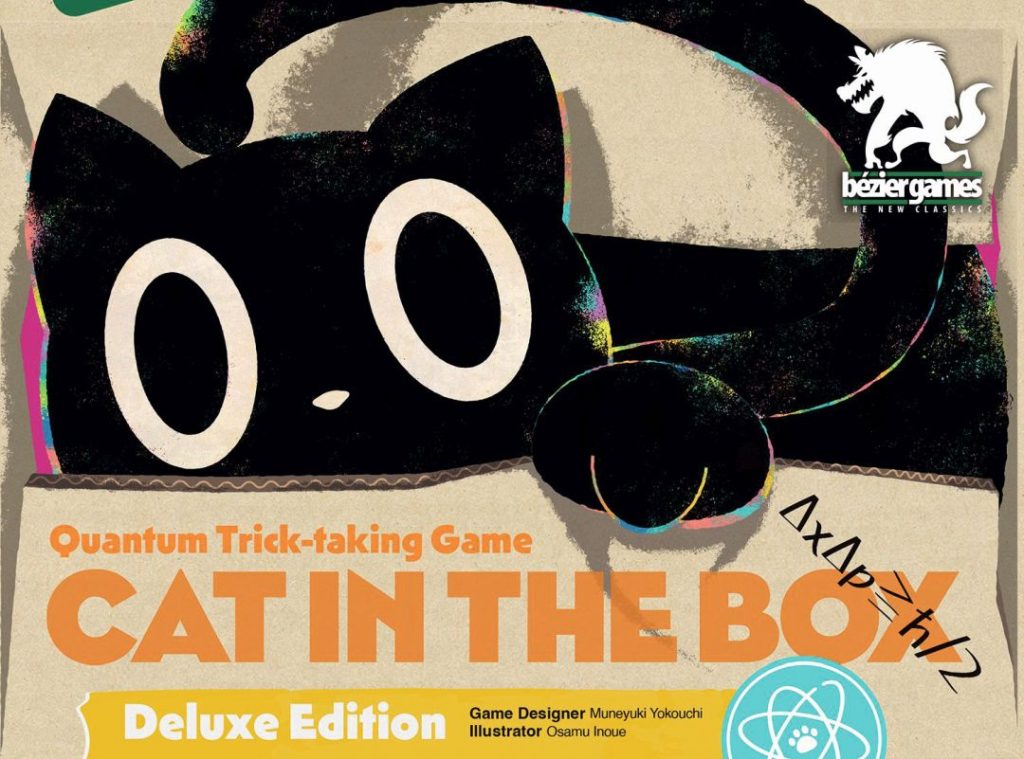
Initial reactions from the board game community have been largely positive. Players are particularly drawn to the game’s unpredictable nature, with the rule-flipping mechanic frequently cited as a highlight. Comparisons to other innovative trick-takers like Cat in the Box (where suits, rather than trick rules, shift) are common, highlighting Cucumber Catastrophe‘s place in a growing subgenre of "meta-trick-takers" that playfully bend the genre’s conventions. Reviewers praise the game’s ability to create dramatic swings in fortune, making every trick feel meaningful. The lighthearted theme is consistently appreciated, adding to the overall enjoyment without detracting from the strategic elements. The consensus points towards a game that delivers exactly what it promises: a fun, fast, and surprisingly strategic card game that’s easy to get to the table and hard to put away.
Implications: Reshaping Trick-Taking and Beyond
Cucumber Catastrophe is more than just another card game; it represents a thoughtful evolution within the trick-taking genre and holds several implications for its players and the broader tabletop market.
Impact on the Trick-Taking Genre
The trick-taking genre, while beloved, can sometimes feel entrenched in tradition. Cucumber Catastrophe challenges this by introducing a core mechanic – the dynamic rule-flipping – that fundamentally alters how players approach each trick. This innovation pushes the boundaries of what a trick-taking game can be, moving beyond fixed trump suits or static winning conditions. It forces players to be constantly adaptive, to think several steps ahead not just about card plays, but about potential rule changes initiated by opponents. This makes the genre more accessible to newcomers who might find traditional trick-takers too rigid, while also offering a fresh challenge to veterans. It signals a continued trend of designers experimenting with the meta-rules of classic game types, breathing new life into established categories.
Replayability and Long-Term Appeal
The inherent unpredictability introduced by the rule-flipping token significantly boosts Cucumber Catastrophe‘s replayability. No two rounds will play out exactly the same, as the sequence of cards and player decisions will constantly shift the trick-winning conditions. This dynamic environment ensures that strategies cannot become rote or dominant, compelling players to remain engaged and flexible. Furthermore, the 3-6 player count allows for different group dynamics, further enhancing its long-term appeal. A game with three players will feel different from a game with six, offering varied tactical considerations. The short playtime encourages multiple plays in a single session, deepening players’ understanding of its nuances over time. The "low score wins" objective also adds a layer of psychological play that rewards mastery over multiple sessions.
Market Position and Value
Priced at £14.99, Cucumber Catastrophe offers exceptional value for money. Its engaging gameplay, high replayability, and broad appeal make it a compelling purchase in the competitive card game market. It effectively fills a niche for a light, quick, and strategic game that can appeal to families, casual gamers, and enthusiasts alike. Its distinct theme and innovative mechanics help it stand out from a crowded field of card games, ensuring it doesn’t get lost in the shuffle. It serves as a strong alternative or companion piece to other popular trick-takers, particularly those that also innovate within the genre, such as Cat in the Box.
Concluding Thoughts and Recommendation Reinforcement
As Lance Freeman’s review aptly concludes with a resounding "Yes," Cucumber Catastrophe is a game that warrants a place on your tabletop. It successfully marries a whimsical, memorable theme with truly inventive mechanics, resulting in a game that is both riotously fun and surprisingly strategic. The moments of dramatic reversal, where a seemingly inevitable five-cucumber card is deftly avoided thanks to a sudden rule flip, are the game’s true highlights. It’s a game about managing expectations, reading opponents, and embracing delightful chaos. For anyone looking to inject a fresh, dynamic, and genuinely clever experience into their card game rotation, Cucumber Catastrophe offers an enticing proposition that will have you reveling in feline fear and strategic brilliance.