Aiming for Longevity: Darts VR2: Bullseye Introduces Robust XP System and Progression Mechanics
In an era where virtual reality (VR) gaming is transitioning from novelty tech demos to deep, retention-focused experiences, Gamitronics and Evolution Publishing have signaled a significant shift for their flagship sports title. Darts VR2: Bullseye, which has already established itself as a precision-based favorite in the Early Access circuit, has officially launched its comprehensive Experience (XP) system. This update represents a pivot from a purely competitive leaderboard-driven model to a modern "live-service" progression framework, designed to reward player loyalty and provide a tangible sense of growth within the virtual oche.
The introduction of skill achievements, unlockable avatars, and a deep well of cosmetic rewards marks a turning point for the title. As the VR sports market becomes increasingly crowded with titles vying for the "daily play" slot in a user’s library, Darts VR2: Bullseye is betting on gamification to maintain its momentum across the Meta Quest, PlayStation VR2, and PC VR ecosystems.
I. Main Facts: The Evolution of the Virtual Oche
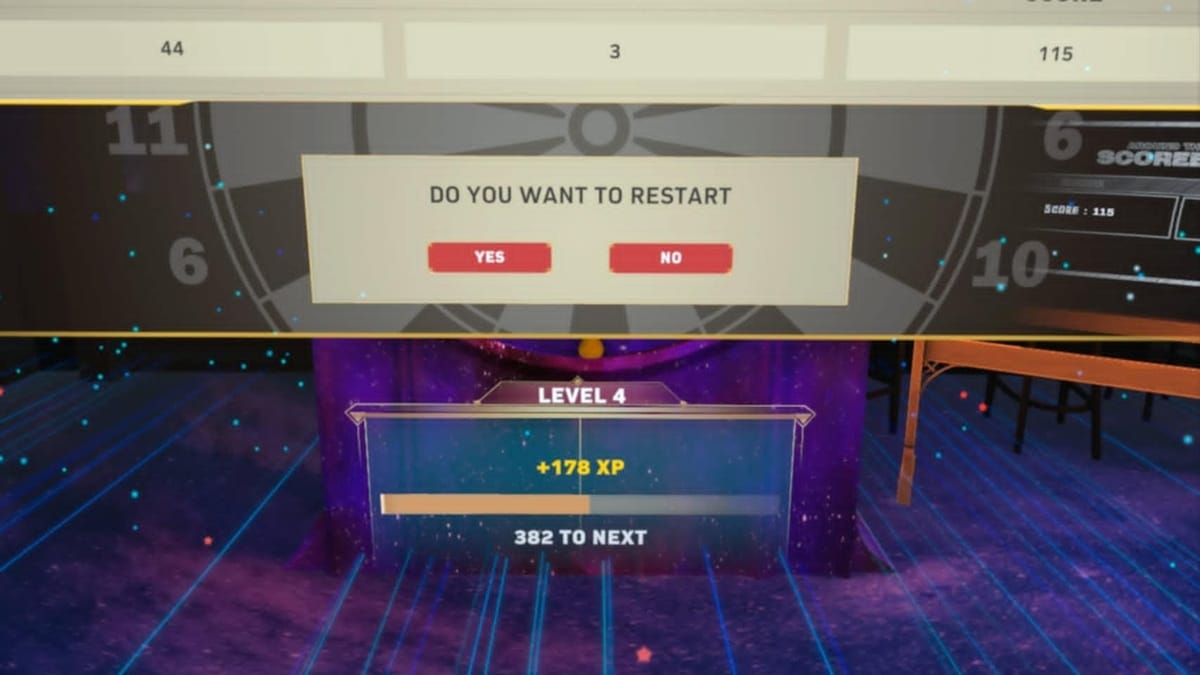
The core of the latest update to Darts VR2: Bullseye is the implementation of a 25-level progression ladder. This system is designed to track player performance across all game modes, translating precision and consistency into XP. The update is not merely a background calculation; it is a full-scale overhaul of the player’s journey, offering a "carrot-on-a-stick" mechanism that has become a staple in successful flat-screen titles but is still being refined in the VR space.
Key Features of the XP Update:
- Tiered Progression: A total of 25 unlockable levels, each requiring progressively more XP to reach.
- Diversified Rewards: Players can unlock "skinned" darts, unique player avatars, and custom dartboard designs.
- Visual and Auditory Flair: The update introduces unlockable visual effects, unique player titles, and voice packs to personalize the competitive experience.
- Inclusive Earning: XP is earned in both solo practice sessions and high-stakes competitive multiplayer, ensuring that all types of players feel rewarded for their time.
- Platform Specificity: Currently, the XP system is live on the Meta Quest platform (Quest 2, 3, and Pro), with a "coming soon" designation for the PlayStation VR2 and SteamVR versions.
The move addresses a common critique of early-stage VR sports games: once a player reaches a certain skill ceiling or grows tired of chasing the top of a static leaderboard, there is little incentive to return. By adding layers of customization and achievement-based milestones, Gamitronics is providing a reason for players to engage with the game’s physics-based mechanics on a more frequent basis.
II. Chronology: From Early Access to E-Sports Aspirations
To understand the significance of the XP system, one must look at the developmental trajectory of Darts VR2: Bullseye. The game’s journey has been defined by a steady cadence of updates that reflect a developer willing to iterate based on community sentiment.
The Early Access Launch
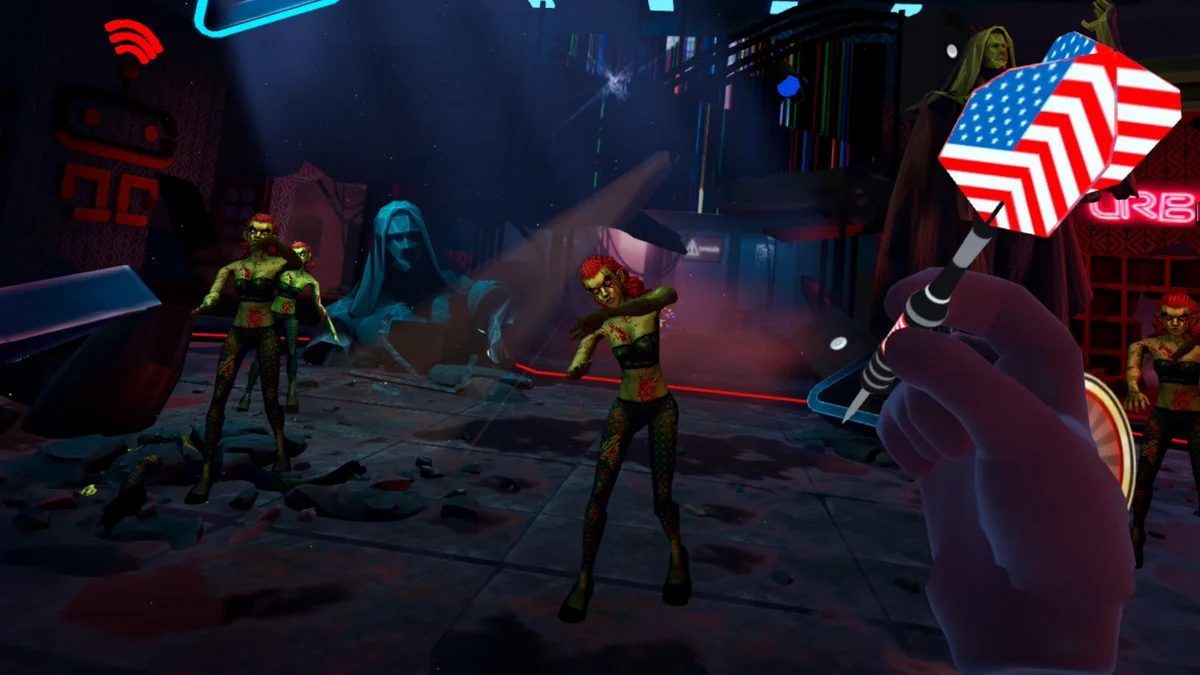
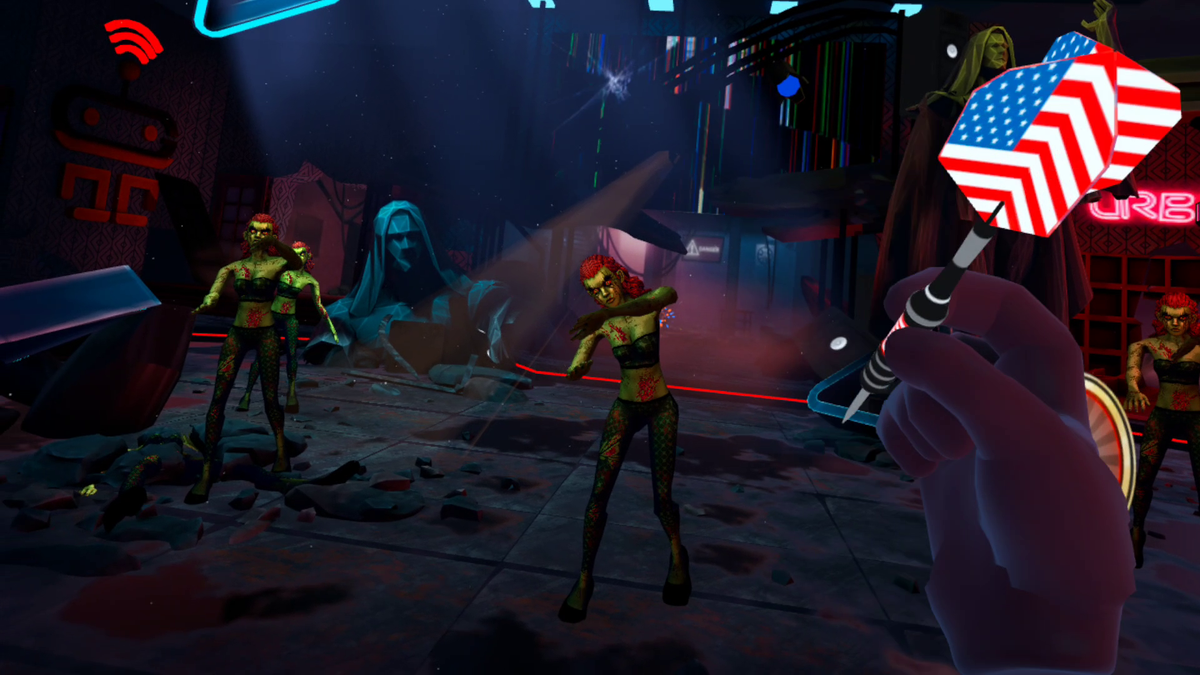
When Darts VR2: Bullseye first hit Early Access, it was praised for its physics. Unlike many early VR darts titles that relied on "magnetic" or overly assisted throwing mechanics, Gamitronics opted for a more authentic simulation. However, initial impressions noted that while the core gameplay was addictive, the surrounding "wrappers"—the reasons to keep playing—were somewhat thin. One notable inclusion was the "Zombies Mode," an arcade-style diversion that, while functional, felt like a relic of an earlier era of VR gaming where developers felt compelled to add waves of undead to every genre.
The May Pivot: League Mode
In May, the development team took a massive leap toward professionalization by announcing "League Mode" tournaments. This was a clear signal that Darts VR2: Bullseye was aiming for the VR e-sports niche. By establishing a structured competitive framework, the developers began courting the hardcore darts community. However, the gap between a casual player and a league-ready professional is wide; the game needed a bridge to keep the broader audience engaged while the competitive scene matured.
The July XP Rollout
The current update serves as that bridge. Following months of player feedback where users requested more "to do" beyond the basic loops, the XP system was integrated. This chronology shows a developer moving from "Core Mechanics" (Early Access) to "Competitive Infrastructure" (League Mode) and finally to "Player Retention" (XP System).

III. Supporting Data: The Mechanics of Progression
The XP system in Darts VR2: Bullseye is calibrated to reward both participation and excellence. The granularity of the system ensures that every throw contributes to the player’s overall standing.
The XP Calculus
According to technical details released alongside the update, XP is distributed based on the difficulty and precision of the throw:
- Standard Hits: Small increments of XP are awarded for hitting the board, ensuring that even beginners feel a sense of movement.
- Multipliers and Sectors: Hitting doubles and triples yields higher rewards, encouraging players to practice the more difficult shots required for "01" games.
- The "180" Bonus: The pinnacle of darts scoring—the 180—provides a significant "chunk" of progression, serving as the primary way for high-skill players to blast through the 25 levels.
The Reward Economy
The 25 levels are packed with a variety of rewards aimed at social expression. In a VR environment, "avatars" and "dart skins" are more than just cosmetics; they are the primary way players communicate their status and personality to opponents in multiplayer lobbies.
- Custom Dart Boards: These allow players to change their home environment, potentially offering better visual contrast for different lighting setups.
- Voice Packs: A unique addition that adds personality to the match, potentially replacing standard announcer calls with more varied or humorous commentary.
- Visual Effects: These likely trigger during high-scoring shots or match wins, adding a layer of "juice" to the presentation that was previously missing.
IV. Official Responses: A Strategy of Listening
The leadership at both Gamitronics and Evolution Publishing has been vocal about the "player-first" philosophy driving these updates. Kevin Joyce, CEO of Evolution Publishing, emphasized that this update is a direct reaction to the community’s voice.
"We’ve been listening to player feedback and requests, asking for a more rewarding experience," Joyce stated in a press release. "That naturally led us to develop the XP progression system, unlocking new features and rewards the more you play. It’s an exciting addition that we can’t wait for players to enjoy. And this is just the start!"
This sentiment is echoed by the development team at Gamitronics, who have expressed a desire to move away from the "outdated" feel of some arcade modes (like the aforementioned zombies) in favor of a more cohesive, modern sports simulation. The emphasis on "this is just the start" suggests that the 25 levels currently available may eventually be expanded into "Seasons" or "Battle Passes," a model that has proven immensely successful in sustaining player bases in titles like Walkabout Mini Golf or Eleven Table Tennis.
V. Implications: The Future of VR Sports and Social Gaming
The update to Darts VR2: Bullseye carries implications that reach beyond the game itself, touching on broader trends in the VR industry.
1. The Battle for Retention
The "novelty phase" of VR is over. Players now expect the same depth of progression in VR that they find in console titles like Call of Duty or FIFA. By implementing an XP system, Gamitronics is acknowledging that a good physics engine isn’t enough to sustain a game in 2024. Success in the current VR market is defined by "Monthly Active Users" (MAU), and progression systems are the most effective tool for driving that metric.
2. The Quest Dominance
The fact that the XP system launched first on Meta Quest—leaving PS VR2 and PC VR players waiting—is a stark reminder of the current VR market reality. The Quest ecosystem remains the primary driver of revenue and player activity. Developers often use the Quest version as a "live" testbed before porting features to the more graphically powerful but less populated platforms. This "Quest-first" strategy is becoming the industry standard, though it does risk alienating the enthusiast PC and PlayStation communities if the "coming soon" window stretches too long.
3. E-Sports Readiness
A robust XP system is a prerequisite for a serious e-sports scene. It allows tournament organizers to verify player experience and provides a "rank" that can be used for matchmaking. As Darts VR2: Bullseye pushes its League Mode, the XP levels will likely serve as a vetting mechanism, ensuring that "Pro" tournaments are populated by players who have put in the requisite time to master the virtual dart’s flight path.
4. Overcoming the "Zombies" Trope
The shift toward meaningful progression suggests a maturing of VR design philosophy. For years, VR games were padded with generic wave-shooter elements (like the Zombies mode in Bullseye) to compensate for a lack of depth. By focusing on customization, voice packs, and skill-based achievements, Gamitronics is moving toward a "Sports Sim" identity that respects the intelligence and focus of its audience.
Conclusion
Darts VR2: Bullseye is no longer just a game about throwing virtual sticks at a digital board; it is becoming a comprehensive social and competitive platform. While the XP system is currently limited to the Quest, its eventual rollout to PS VR2 and SteamVR will likely solidify the game’s position as the premier darts simulation in the medium. For players who found the initial Early Access release a bit hollow, the 25 levels of rewards and the promise of more to come provide a compelling reason to step back up to the line. As Kevin Joyce noted, this is "just the start," and for the VR sports community, that is an encouraging sign of a vibrant, evolving future.