Culinary Combat: How ‘Abyss Kitchen’ is Redefining the Survival Action Genre
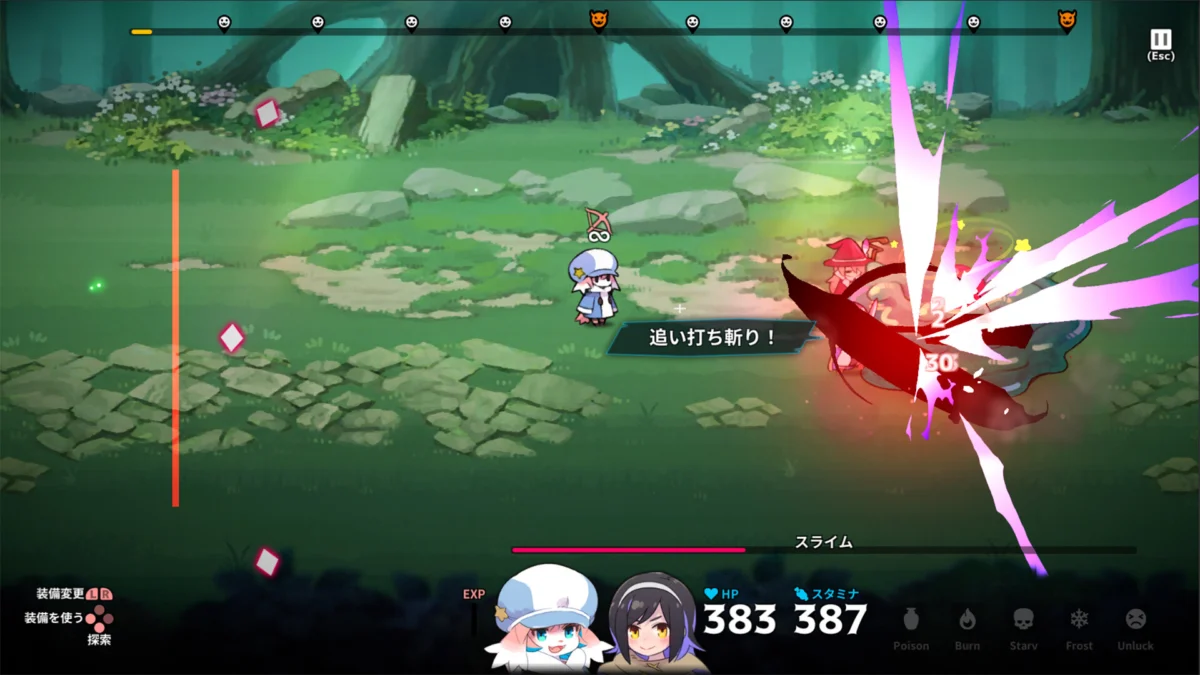
The landscape of survival action games has long been dominated by a singular focus: the warrior’s prowess. From the grueling encounters of Dark Souls to the resource-management tension of Don’t Starve, the player is typically the one swinging the sword or firing the gun. However, a new contender in the indie gaming space, Abyss Kitchen, is flipping this script entirely. By placing the player in the role of a combat chef—a vital support unit on a lethal battlefield—the game introduces a mechanical depth that challenges traditional notions of "action" gameplay.
Recently showcased at the Hyper Japan festival and now available for the global audience on Steam, Abyss Kitchen offers a compelling blend of high-stakes resource gathering and frantic culinary management. It is a game where the "main event" is the survival of the party, but the player’s primary weapons are a ladle, a butcher’s knife, and a tactical bow used as much for defense as for securing the next meal.
Main Facts: The Core Architecture of Abyss Kitchen
At its heart, Abyss Kitchen is a survival action game that prioritizes utility over direct offense. While most games in this genre task the player with clearing rooms of enemies to progress, Abyss Kitchen asks: "How will those fighters keep going?"
The Support-Protagonist Dynamic
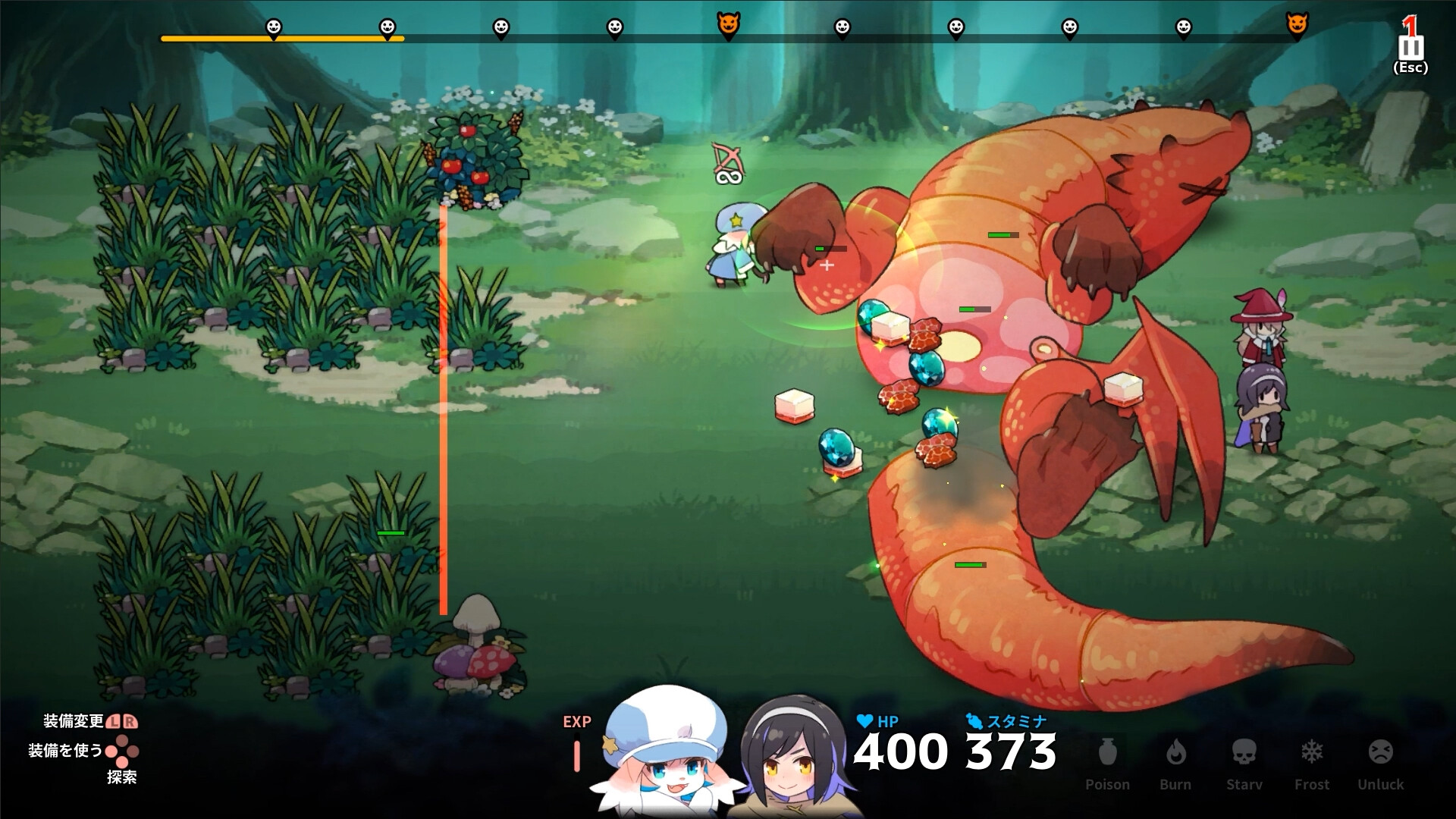
In Abyss Kitchen, the player is not the primary damage dealer. Instead, you are part of a specialized unit where NPCs or teammates handle the brunt of the monster-slaying. Your role is the "Culinarian-in-Chief." This creates a unique gameplay loop: while your allies engage in high-octane combat with eldritch horrors and monstrous beasts, you are scavenging the environment. This involves harvesting rare flora—referred to in-game as "long blades of grass" that hide potent herbs—and, more importantly, butchering the remains of fallen enemies.
Resource Management and Tactical Cooking
The game’s complexity lies in its recipe system. Cooking is not a passive activity performed at a safe campfire; it is a real-time necessity performed under fire. Ingredients gathered from the "Abyss" provide different benefits. Players must choose between:
- HP Recovery: Vital for keeping the frontline tanks from collapsing.
- Attack Power Buffs: Necessary for breaking through the armor of elite bosses.
- Stamina and Speed Enhancements: Crucial for dodging area-of-effect attacks.
The player is equipped with a bow, providing a ranged option to pick off stragglers or contribute to "Formations"—a tactical mechanic where the player must align with the team to unleash powerful synergistic moves.
Chronology: From Concept to the Hyper Japan Spotlight
The journey of Abyss Kitchen reflects a growing trend in the indie industry: the "Cozy-Hardcore" hybrid. The development cycle focused on creating a game that felt as stressful as a professional kitchen but as adventurous as a dungeon crawler.
Development and Early Buzz
The developers sought to fill a niche left vacant by traditional RPGs, where the "cook" or "alchemist" is often an NPC or a secondary profession. By making the chef the player character, the team spent the early development phase balancing the "Action" and "Management" bars. If the cooking was too slow, the team died; if the combat was too demanding, the cooking felt like a chore.
The Launch Trailer and Viral Interest
The release of the Official Launch Trailer (featured on platforms like YouTube) marked a turning point. The trailer showcased the jarring but delightful contrast between the dark, oppressive atmosphere of the Abyss and the frantic, almost rhythmic nature of the cooking mini-games. It highlighted the "Formation" system, signaling to players that this was not a "passive" support role, but an active tactical requirement.
The Hyper Japan Showcase
In mid-2024, Abyss Kitchen made a significant splash at Hyper Japan, a major cultural event in London. Attendees were given hands-on time with the demo, which emphasized the game’s unique pacing. Unlike traditional survival games that have "safe zones," the Hyper Japan demo illustrated that in Abyss Kitchen, the kitchen is the battlefield. The positive reception at the event centered on the game’s ability to make the player feel essential without requiring them to be the "Chosen One" warrior.
Supporting Data: Mechanics of the Abyss
To understand why Abyss Kitchen is gaining traction, one must look at the data-driven design of its gameplay systems. The game operates on a "Tension-Reward" scale.
| Feature | Mechanic | Impact on Gameplay |
|---|---|---|
| Butchery System | Breaking down enemy corpses | Turns combat outcomes into immediate resources. |
| The Bow | Long-range defensive fire | Allows the player to protect the "kitchen" perimeter. |
| Formation Buffs | Positional awareness | Rewards players for staying close to the action despite their vulnerability. |
| Environmental Harvesting | Interactive foliage | Encourages exploration during lulls in combat. |
The "Harvest-to-Table" Loop
Statistical analysis of the gameplay reveals that the player spends approximately 60% of their time managing ingredients and 40% engaging in defensive combat or positioning. This ratio is a departure from the 90/10 split seen in most action titles. The "Harvest-to-Table" loop ensures that every enemy killed by the AI teammates has a "drop value" that the player must manually extract, making the player the literal engine of the team’s progression.
Official Responses: Developer Intent and Player Feedback
The developers of Abyss Kitchen have been vocal about their desire to subvert genre tropes. In statements following the Hyper Japan exhibition, the team noted that the inspiration came from the "unsung heroes" of fantasy adventuring—the people who carry the packs, sharpen the swords, and, most importantly, keep the bellies full.
"We wanted to capture the frantic energy of a kitchen during a dinner rush and transplant it into a dark fantasy world," one developer stated. "In the Abyss, a well-timed bowl of soup is more valuable than a legendary sword. That is the philosophy we want players to embrace."
Steam Community Reception
Since its launch on Steam, the game has maintained a "Positive" rating. Critics and players alike have praised the "Formation" mechanic, which prevents the game from feeling like a "walking simulator with a stove." Players have noted that the AI teammates are competent enough to allow the player to focus on their craft, but the game is "punishingly difficult" if the player fails to prioritize the right buffs for the right enemies.
The community has specifically highlighted the "Long Blades of Grass" mechanic as a clever way to keep the player moving. By hiding essential seasoning and medicinal herbs in the environment, the game forces the chef to wander away from the safety of the fighters, creating moments of high-tension "stealth-lite" gameplay.
Implications: A New Path for Survival Games
The success and unique positioning of Abyss Kitchen have broader implications for the indie gaming industry and the survival genre as a whole.
1. The Rise of the "Active Support" Role
For years, the "support" role in gaming was relegated to healers in MMOs who watched health bars. Abyss Kitchen proves that support can be an engaging, high-action primary loop. By tying the survival of the group to the player’s ability to multitask (gathering, butchering, cooking, and shooting), the game creates a new archetype: the Combat Specialist.
2. Genre Blending as a Market Strategy
As the Steam marketplace becomes increasingly crowded, "pure" genre games (just survival, or just action) struggle to stand out. Abyss Kitchen succeeds by blending the "Cozy" appeal of cooking games (like Overcooked) with the "Hardcore" appeal of survival games (like The Forest). This "Genre-Mashup" strategy is likely to be emulated by other indie developers looking to capture two disparate audiences simultaneously.
3. Tactical Depth in AI Cooperation
Abyss Kitchen relies heavily on the interaction between the player and AI-controlled allies. The success of this title may lead to advancements in how "Squad-Based" indie games are designed, moving away from simple "follow-and-shoot" AI toward teammates that require constant maintenance and logistical support from the player.
Conclusion
Abyss Kitchen is more than just a quirky indie title; it is a sophisticated reimagining of what it means to be a hero on the battlefield. By shifting the focus from the destruction of enemies to the sustenance of allies, it offers a fresh, frantic, and deeply rewarding experience. Whether you are a fan of management sims or high-stakes survival, Abyss Kitchen serves up a unique flavor of gameplay that is currently unmatched on the Steam platform. As the game continues to grow its community post-Hyper Japan, it stands as a testament to the power of unconventional game design in an era of sequels and clones.